


Five Easy Masterpieces: an introduction to Latin soul in five albums

Soul music is not only one of the most enduring avenues of the music world, but it is also among the most expansive, encapsulating countless different subgenres, niche scenes, and generations, spanning the spectrum from the pop mastery of the Motown age to the laid-back sounds of neo-soul. One of its greatest offshoots, however, is Latin soul.
Emerging from the streets of Spanish Harlem, taking the core of its sound from an infectious blend of Afro-Cuban rhythms and the funk, soul, and jazz sounds emanating from all corners of the five boroughs, Latin soul quickly became the defining sound of those diverse communities in New York.
More so than being one of the most euphoric, footstomping subgenres of soul, the style also acted as a cultural identity for generations of Americans growing up with Latin heritage, during a period in which these communities were routinely looked down upon by mainstream, white society.
If you look up Latin soul online, the scene is described as “short-lived,” and while the golden age of those incredible rhythms was certainly between its last 1960s emergence and the mid-1970s move towards funk, the lineage of Latin soul continues to this very day. There was, after all, an entire generation of musicians who grew up hearing the sounds of Joe Bataan, Ray Barretto, and a countless array of other Latin and Nuyorican musical pioneers redefining the landscape of soul music.
Nevertheless, the Latin soul scene is rarely afforded the same degree of consistent attention as its distinctively American counterpart. For those dedicated soulies who yearn for something a little bit different, or those for whom the sounds of Latin soul have been reverberating through their lives since back in the 1960s, there is no rhythm quite like that of the Latin scene.
So, join us as we delve into five undeniable masterpieces which typify the Latin soul sound.
Five essential masterpiece Latin soul albums:
Joe Bataan – ‘Saint Latin’s Day Massacre’ (1972)
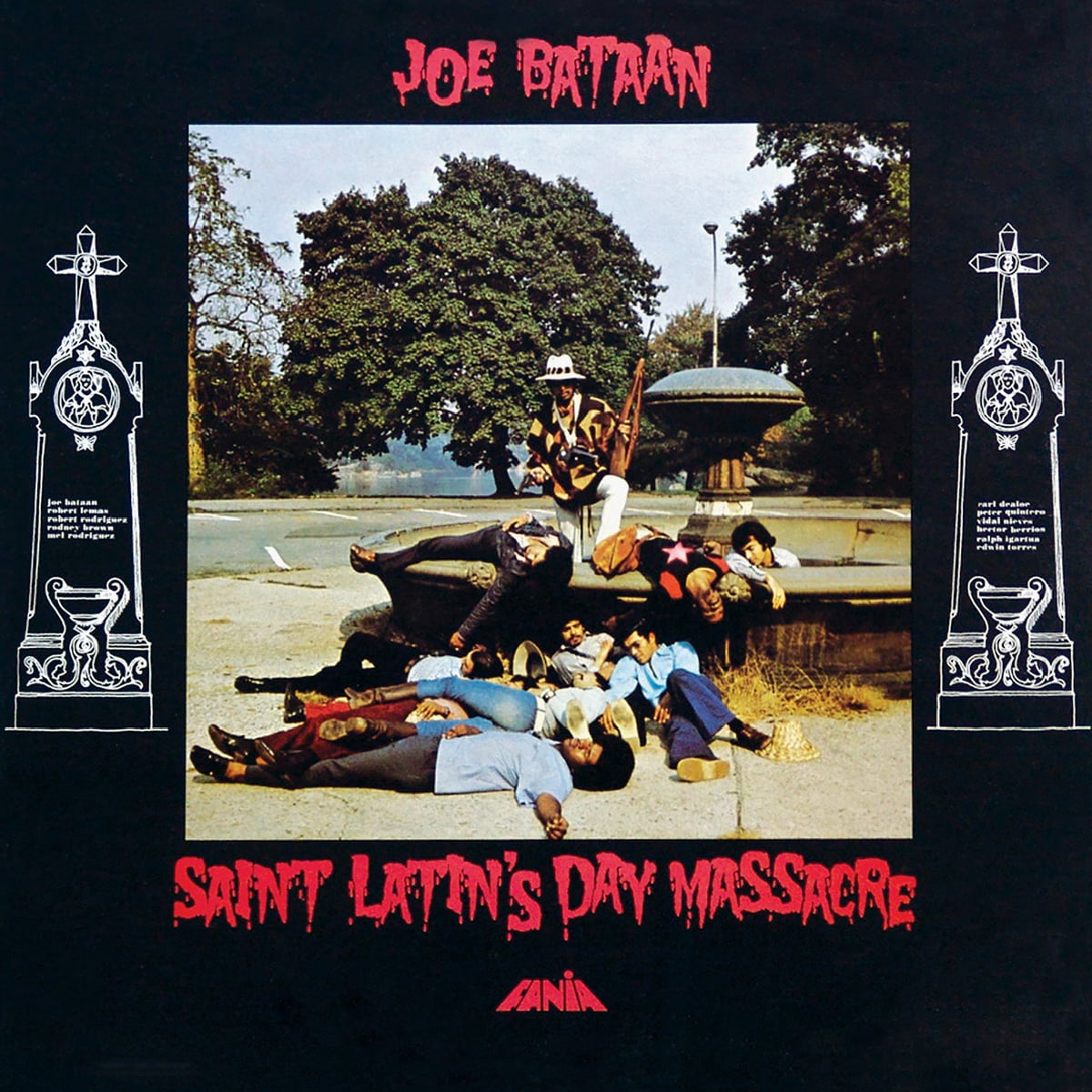
Any discussion surrounding Latin soul is incomplete without a hearty helping of Joe Bataan. For his troubled teenage years in Harlem, the budding young musician managed to turn his life around and almost single-handedly establish the realm of Latin soul in the process. His debut album Gypsy Woman was an utter revelation, and subsequent efforts like Riot! perfectly captured the sound, attitude, and rhythm of New York’s Latin community at that time.
It was with his sixth Fania Records release, though, that he both perfected and expanded his Latin soul sound, incorporating elements of tropicalia, salsa, and a plethora of influences rooted far away from the concrete jungle of New York City. Saint Latin’s Day Massacre lost none of the liberating defiance of his earlier works, but it was far more diverse in its offerings, even hinting at Bataan’s later move towards proto-hip-hop, which he realised on his 1979 hit ‘Rap-O Clap-O’.
Ultimately, every Joe Bataan record – including his mid-2000s revival records like Call My Name – acts as a perfect introduction to the world of Latin soul, but his 1972 effort is one of his all-time greatest.
Monguito Santamaría – ‘Hey Sister’ (1969)
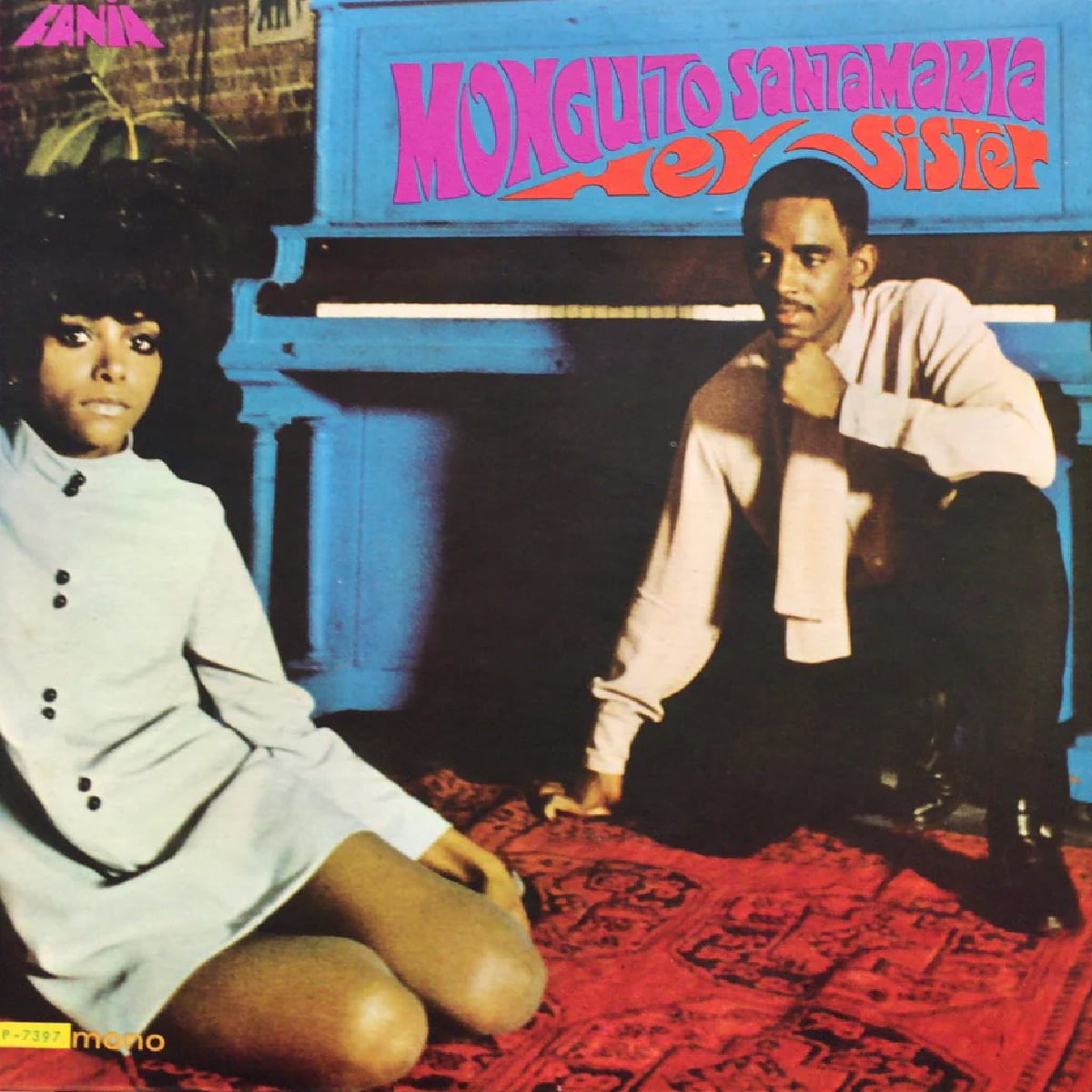
Growing up in 1950s New York, Monguito Santamaría split his listening habits between the jazz sounds of the city and the conga mastery of his father, Mongo, and his roots as one of the greatest rumba players in Cuban history. Inevitably, when it came time to produce his own output, the musician smashed those two worlds together in a beautiful menagerie of music. On Hey Sister, his second album for the Latin soul powerhouse of Fania Records, that distinctive sound reaches its arguable peak.
Far more indebted to those Afro-Cuban rhythms of his father than most other Latin musicians in New York at that time, the album is awash with incredible grooves, which helped it earn the position of being one of the most legendary releases of Latin soul’s golden age. Essential doesn’t even begin to cover it.
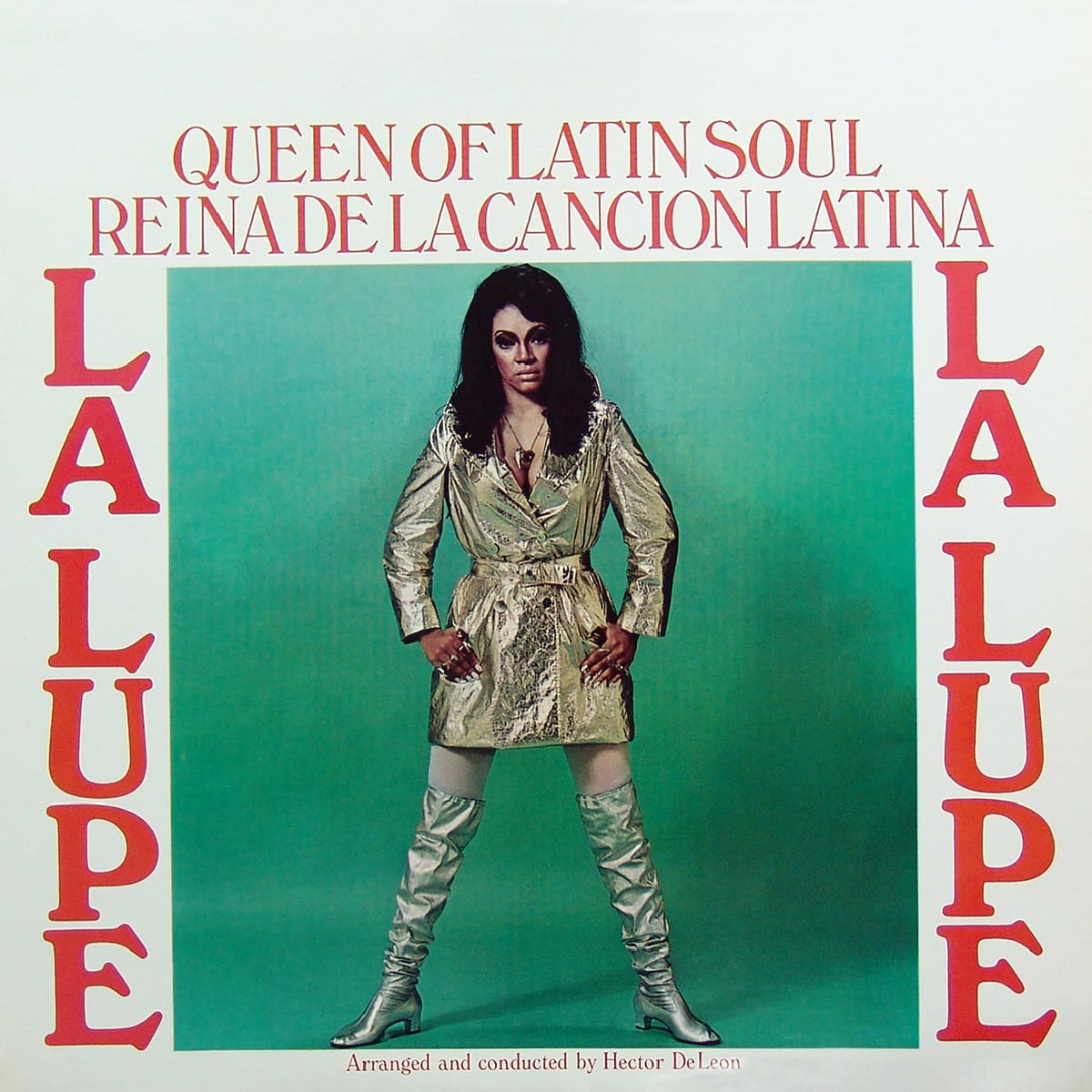
La Lupe – ‘Reina De La Canción Latina’ (1968)
Although the Latin soul scene was heavily male-dominated, which perhaps isn’t much of a surprise if you compare it to the mainstream soul scene of the era, that is not to say that there were no female voices within the scene.
In fact, the Santiago-born vocalist La Lupe was among the most essential figures within the scene, having relocated to the Big Apple in 1961, during the early days of her recording career, and promptly signed to legendary Latin label Tico Records.
It was with Tico that La Lupe struck upon her magnum opus in 1968, with Reina De La Cancion Latina (or Queen of Latin Soul) delivering exactly what its record sleeve promised. With the power of Hector de Leon behind it, the vocalist delivered a blend of boogaloo, bolero, salsa, and soul that was so infectious and otherworldly that, even in the modern age, it still cannot help but get an audience’s feet moving and their hearts singing.
Dianne and Carole – ‘Feeling The Pain’ (1968)
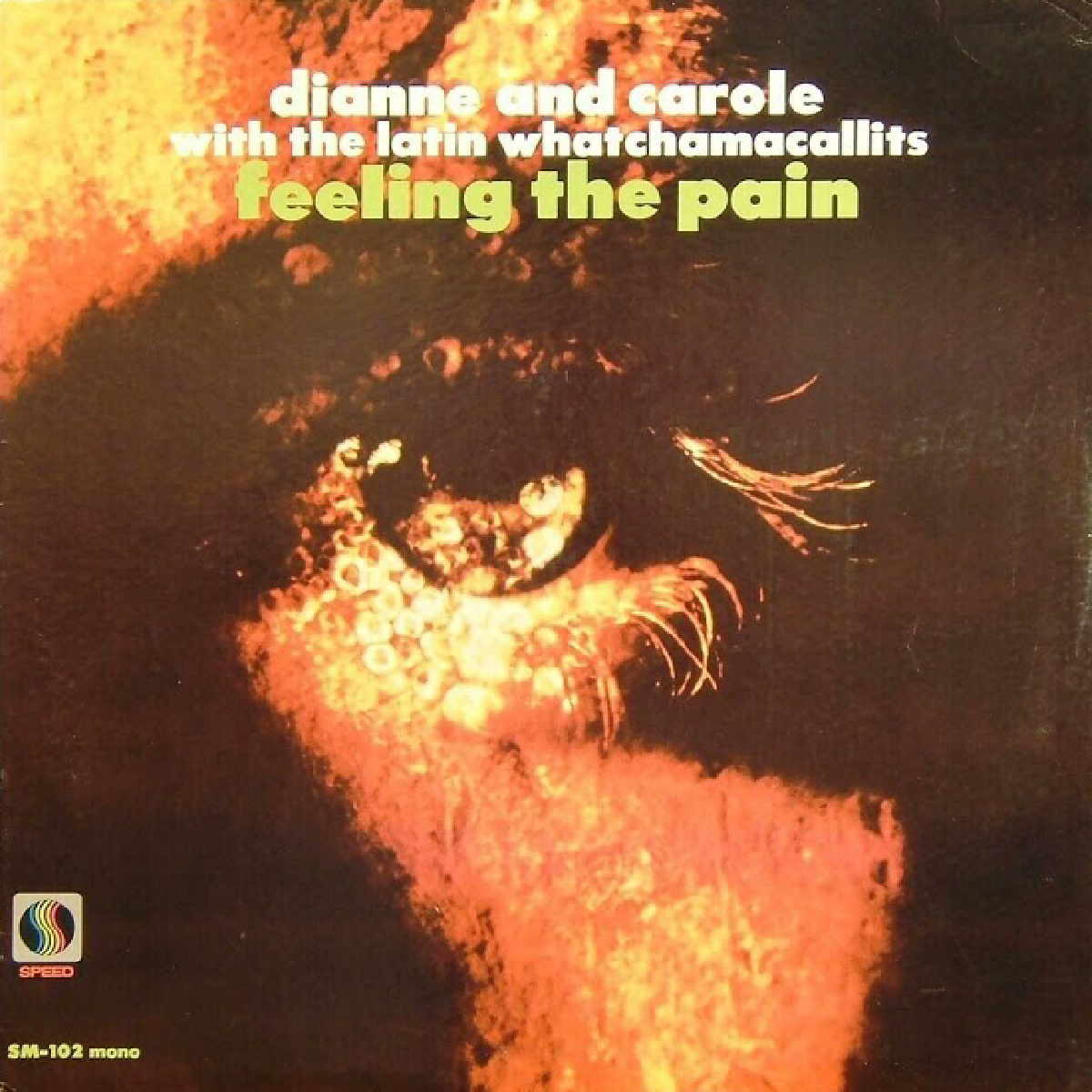
Another masterful representation of the female voices within Latin soul, Dianne and Carole were always a little more mysterious than the likes of La Lupe or Joe Bataan.
Feeling The Pain was the only LP ever recorded by the pair, not even given the dignity of having their full names – Carole Quinn and Donna Lynton – displayed on the album cover. Nevertheless, it remains an ultimate stand-out from what was clearly the greatest year for Latin soul, 1968.
A sprawling, brass-heavy collection of grooves which immediately established the pair among the greatest vocalists within the scene, the Speed Records-released LP is certainly on the more theatrical side of the boogaloo spectrum, supported by the backing of the strangely-named Latin Whatchamacallits. Although it doesn’t often get the same widespread acclaim as some of the other albums included on this list, Feeling The Pain is nonetheless an essential listen for any self-respecting Latin soul obsessive.
Ray Barretto – ‘Acid’ (1968)
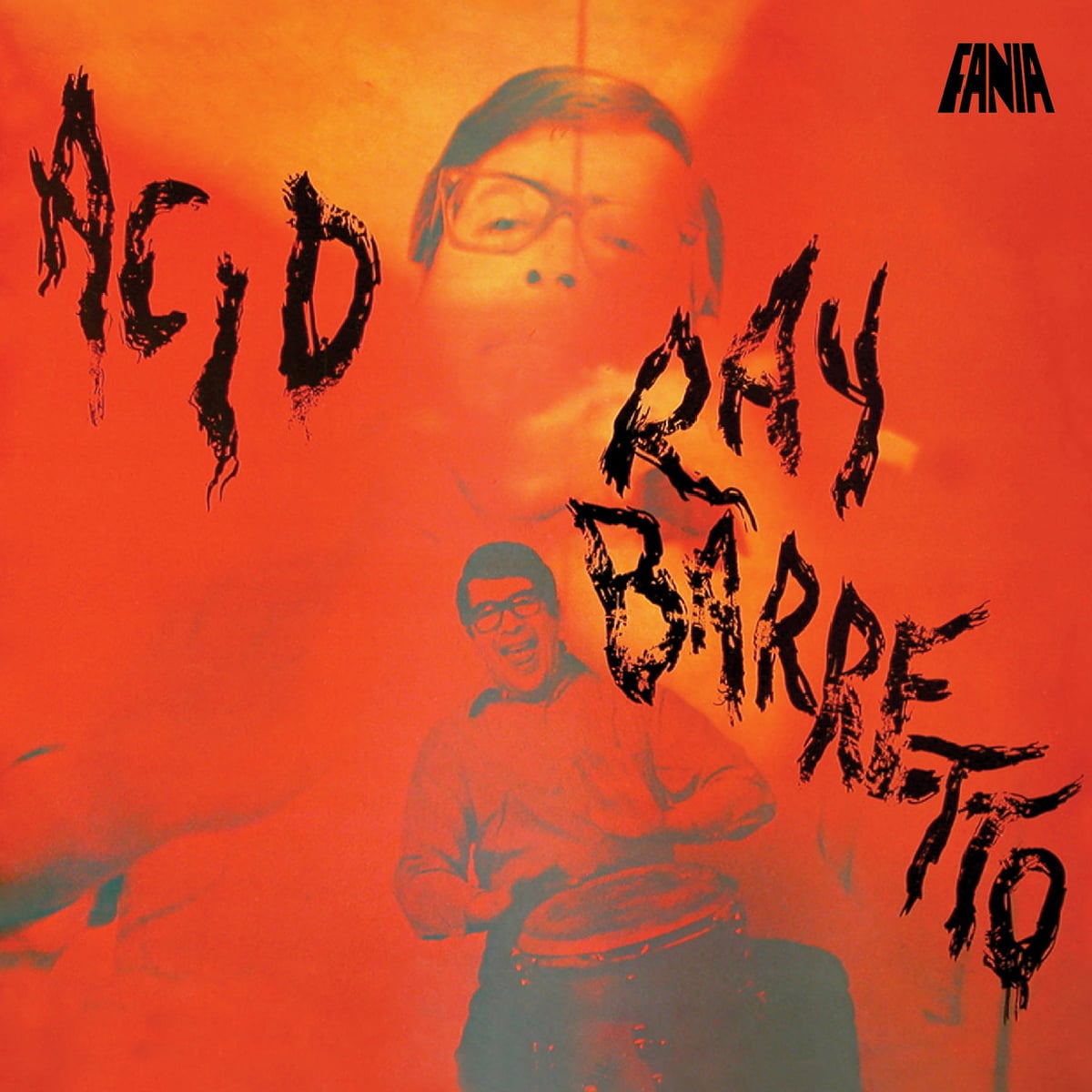
The third Fania Records release included on this list and arguably the most prominent of the entire Latin soul realm. Ray Barretto is an essential name both in Latin jazz and soul, having emerged towards the tail end of the 1950s, performing alongside the likes of Tito Puente, Brock Peters, and The Red Garland Trio, among various others, the conga master made the switch to soul during the late 1960s, culminating in what is arguably his greatest album, Acid.
With the euphoric sounds of his boogaloo rhythms and the experimental training of his jazz years, it is no surprise that Acid ended up revolutionising the world of Latin and Nuyorican soul. It marked the point where Joe Bataan collided with Dizzy Gillespie, creating something entirely new in the process, yet nobody stood around beguiling the spectacle because they couldn’t stop moving their feet to the endless onslaught of soulful rhythms churned out by the album’s tracklisting.
