


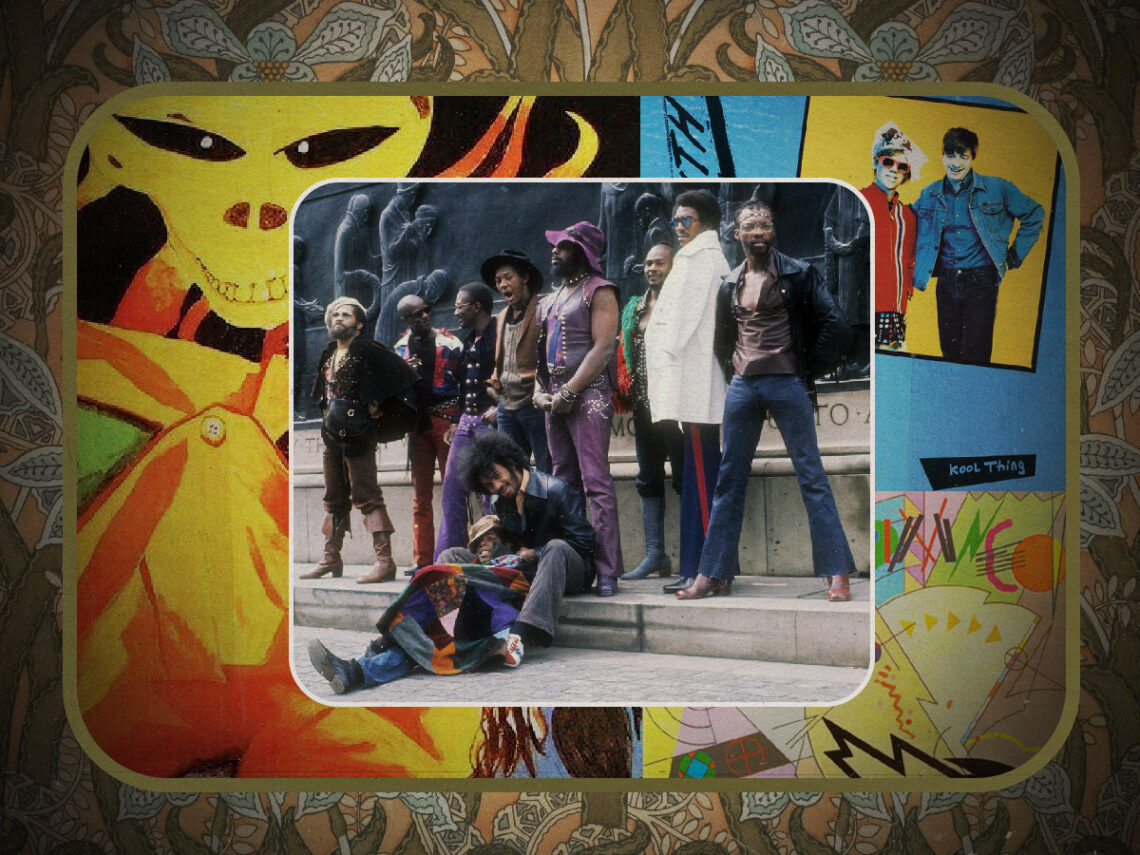
From Lynyrd Skynyrd to Gwen Stefani: Five devastating songs that were aimed at musical rivals

While rivalry can take many forms, whether a healthy example of pushing yourself to do one better than your peers or simply hating each other’s guts, almost no artist can claim that they’ve never felt a sense of competition with another.
However, one of the ways that this can materialise is through their art, and so frequently throughout the history of popular music, artists have used their platform as a means of taking out their frustrations with others in their field. Sometimes it can be a small, knowing nudge to someone that they would call themselves a friend of, or at least a fan of, and in other instances, it can be a dagger in the heart of the other, made with the intention of maiming their adversaries with words.
Quite often, these songs can prompt a constant back-and-forth exchange of insults, whether humorous or malicious, but in other cases, they promptly silence the opponent and humiliate them, making them eternally regret that they ever opened their mouths in the first place.
All artists, by virtue of the fact that they’re required to write lyrics for their songs, ought to have an innate ability to construct a decent defence or argument against their detractors, but sometimes, these can go way over the top and end up being so scathing that they seem bitter. There’s only so far you can take a slanging match before things turn ugly, and in some of the cases below, the nastiness rears its head pretty quickly.
With that said, here are five examples of songs that bands or artists have written as a means of calling out, poking fun at, or dishing out a complete character assassination of their peers.
Five devastating songs that were aimed at musical rivals:
Lynyrd Skynyrd – ‘Sweet Home Alabama’

While good-natured in its criticism of another artist, Lynyrd Skynyrd’s biggest and most enduring hit, while praising all the virtues of Alabama, is actually meant to take a stab at Neil Young and his damning indictments of the Yellowhammer State. Having previously insinuated that Alabama is full of racist bigots whose ways are too deeply rooted in the past on songs like ‘Southern Man’ and ‘Alabama’, the band, who were ironically from Florida, wanted to do their best to defend the place that had been so welcoming to them in the past.
Having previously used the Muscle Shoals Sound Studios during the early years of the band, Lynyrd Skynyrd had developed a deep affinity with the people of Alabama and wanted to correct Young’s assertions about the backwards nature of its denizens. Of course, lines like “I hope Neil Young will remember / A southern man don’t need him around anyhow” aren’t actually barbed comments about the Canadian songwriter, and it’s worth noting that the band were huge fans of his, with guitarist Ronnie Van Zant having worn a Neil Young T-shirt on the cover of Street Survivors, but that being said, they certainly told him to keep his thoughts about Alabamians to himself through this classic rock staple.
Funkadelic – ‘Let’s Take It To The Stage’
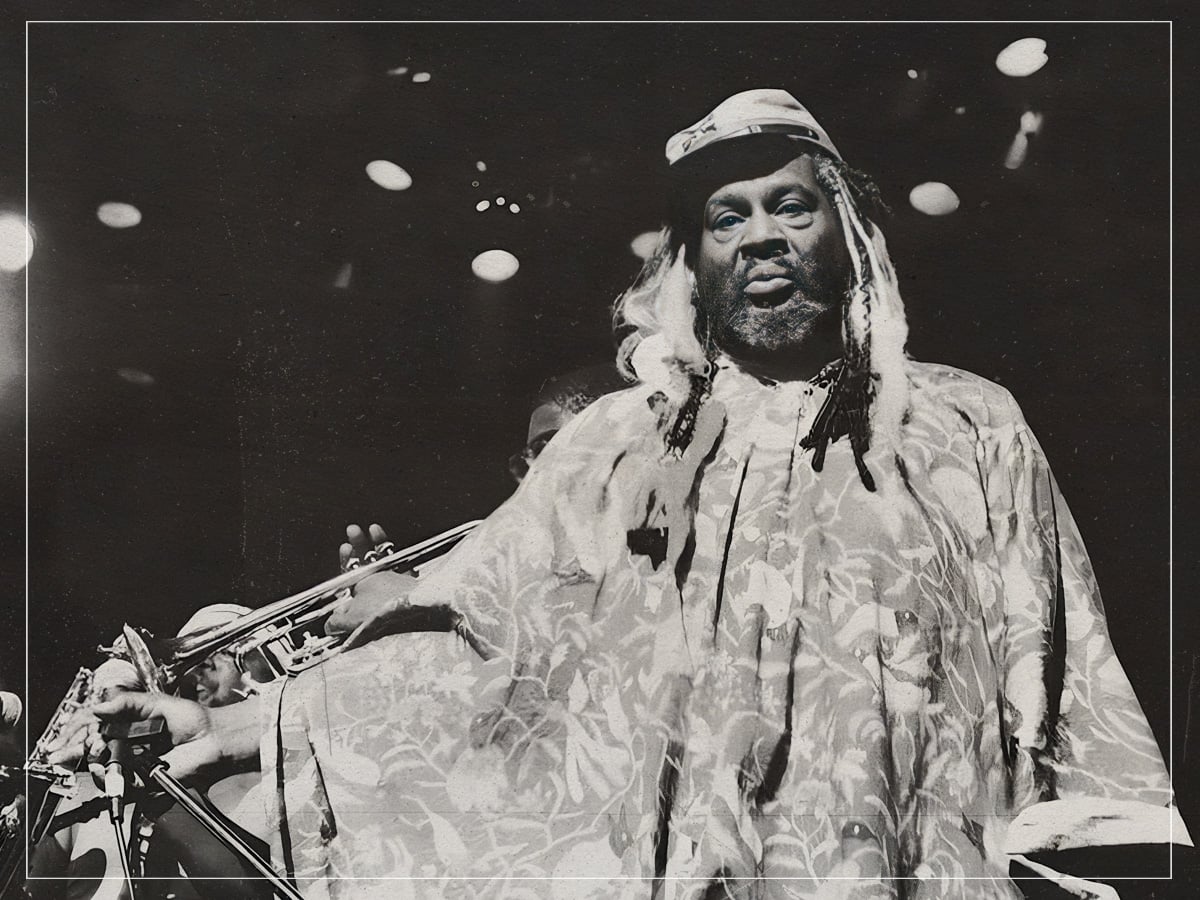
Taking another light-hearted stab at the artist’s contemporaries, the title track from Funkadelic’s 1975 album Let’s Take It To The Stage seemingly relishes the opportunity to poke fun at virtually every other funk icon, even if George Clinton and co weren’t really trying to ruffle any feathers in creating the song, and having established themselves as witty troublemakers in the world of funk since the start of the ‘70s, the band knew that they’d be able to get away with taking a few swipes at their peers if done in tongue-in-cheek fashion, but that also meant that nobody was exempt from their inflammatory humour.
‘Let’s Take It To The Stage’ serves as an invitation to all of the other big-hitters in funk music to compete with Funkadelic, and questions their credentials as musicians when compared to the vast collective that they’d assembled at this point. Resorting largely to namecalling, referring to Rufus as ‘Sloofus’, Earth, Wind and Fire as ‘Earth, Hot Air and No Fire’ and Sly and the Family Stone as ‘Slick and the Family Brick’, Funkadelic chose to pull no punches, and even lambasted the genre’s ‘Godfather’, James Brown, suggesting that he was far past his best in calling him ‘Grandfather’.
The Damned – ‘Idiot Box’

While the first two offerings have perhaps taken a softer approach to criticising other artists, The Damned decided to go for the jugular with ‘Idiot Box’, a track from their second album, Music for Pleasure, and given the song’s origins, you can understand why they wanted to air their grievances over a certain matter. The British punk act had supposedly been booked as a support act for art rock icons Television while on their first tour of the US, but when Tom Verlaine and the rest of his band refused to let them perform, The Damned felt they had no choice but to dish out a complete character assassination.
With ‘Idiot Box’ being a pre-existing derogatory term for the television set, they chose to adopt it for the title of their song to emphasise the ludicrous snobbery that the American band displayed when they turned their noses up at the inclusion of such a riotous and aggressive punk act on the same bill as them. While they take aim at many of the band’s members, Verlaine comes off worst from Dave Vanian’s insults, with him declaring: “Tom Verlaine you may be art / But you sure ain’t rock’n’roll,” and asserting that “all we got is a Marquee Moon” in reference to the band’s seminal debut. In fairness to Television, they may have produced one of the finest rock albums ever, but to be dismissive of The Damned was asking for trouble.
Gwen Stefani – ‘Hollaback Girl’
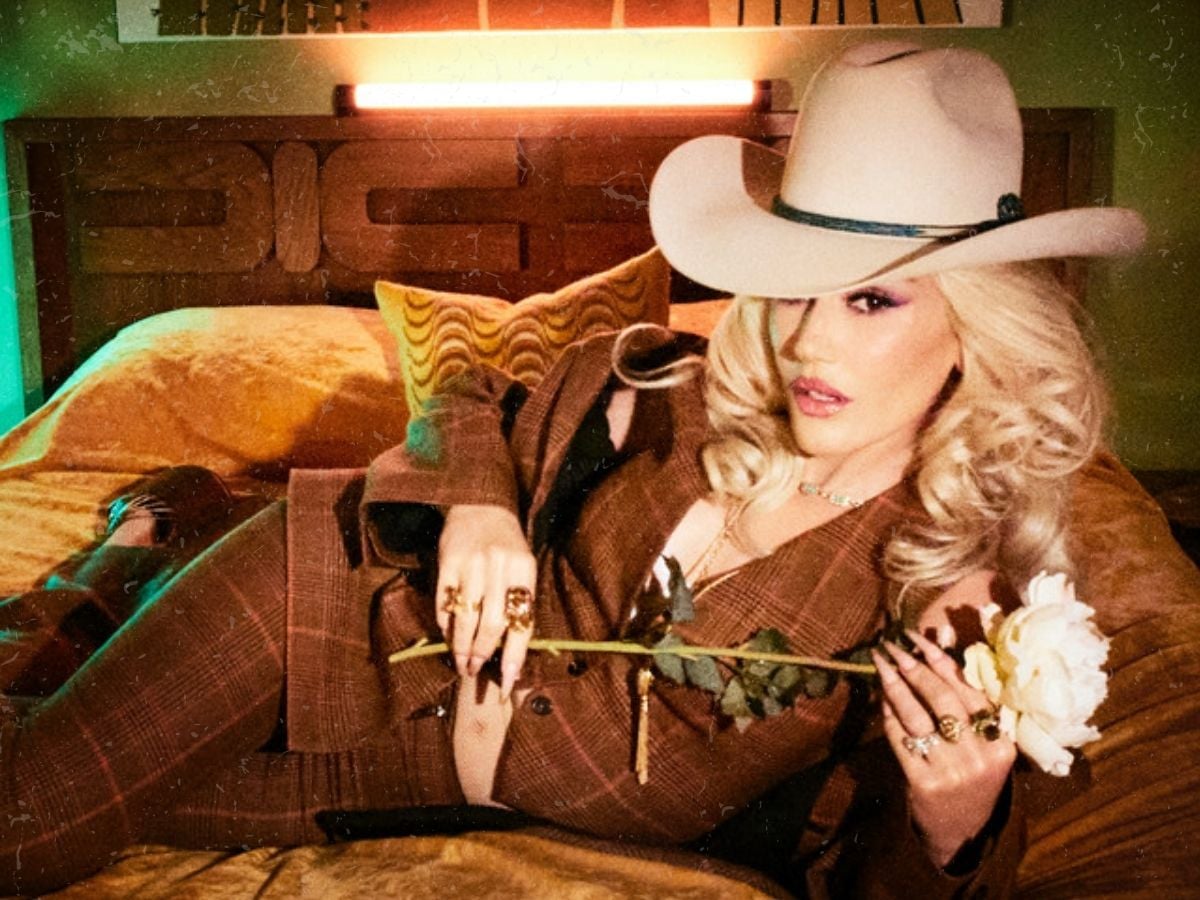
While No Doubt certainly attracted audiences with their stylistic revitalisation of ska music through a pop lens, it also proved to be a largely controversial decision to others who saw it as a weakened form of what used to be a culturally significant style of Caribbean music, and one particular detractor of the band, and especially their vocalist, Gwen Stefani, was Hole singer Courtney Love, and after she made some disparaging comments about Stefani during an interview with Seventeen, Stefani saw fit to strike back at her rival through one of her early solo singles, ‘Hollaback Girl’.
Given that Love was quoted as having said, “Being famous is just like being in high school. But I’m not interested in being the cheerleader. I’m not interested in being Gwen Stefani. She’s the cheerleader, and I’m out in the smoker shed,” Stefani decided that she would take ownership of this, turning her slight into an act of defiance. With the phrase ‘Hollaback Girl’ referring to a side party of a cheerleading team and as a less important fixture within a wider group, Stefani chose to hit back at Love and all of her detractors by making the statement that she “ain’t no hollaback girl”, and that her brashness is something she embraces.
Sonic Youth – ‘Kool Thing’
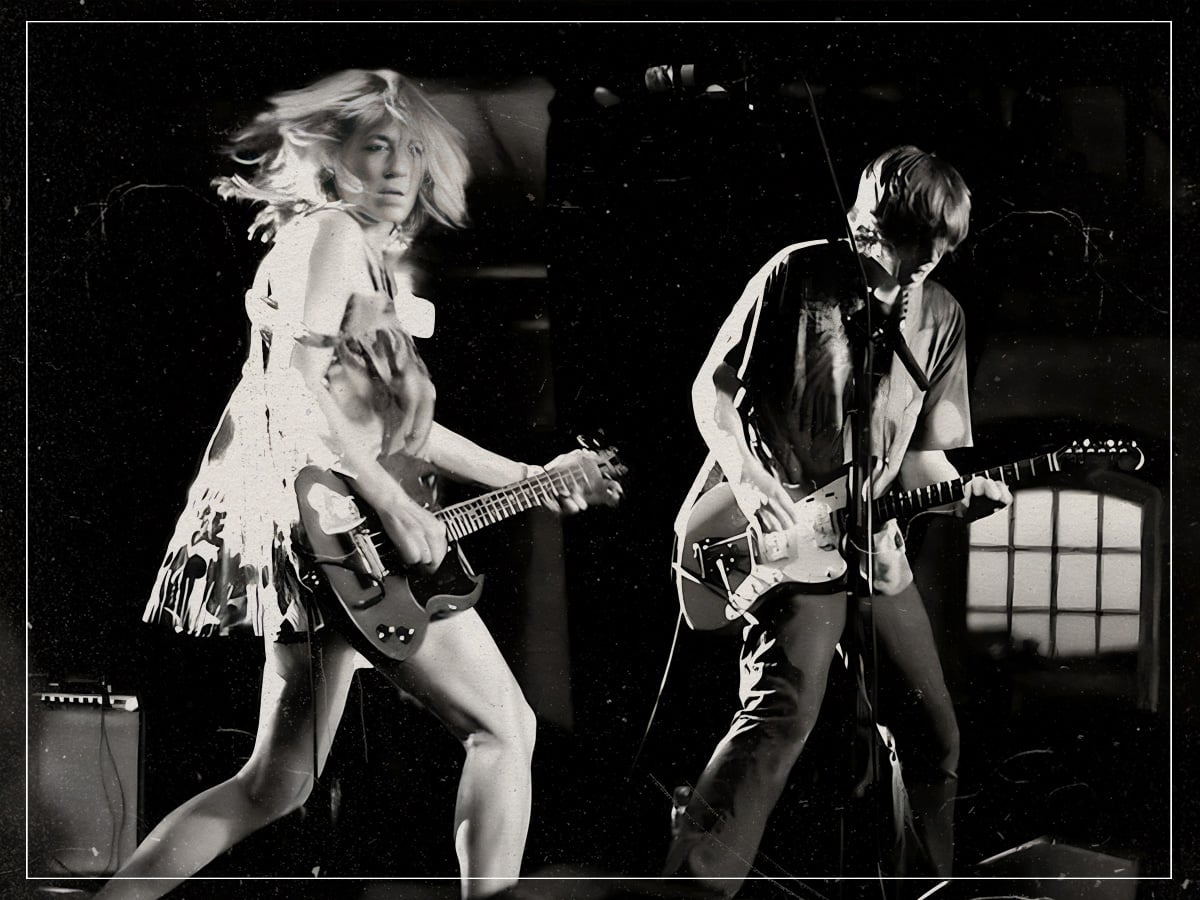
While the subject of Sonic Youth, and namely Kim Gordon’s ire on ‘Kool Thing’, isn’t exactly someone who you might consider to be a genuine rival of the band, they certainly took umbrage with some of the comments made by rapper LL Cool J during a disastrous interview between the two parties that was published by Spin in 1989. While Gordon had been a fan of the rapper’s music prior to conducting the interview, the conversation ended up being a trainwreck that highlighted the wider issue of misogyny in the hip-hop community, and so Gordon chose to poke fun at the idiocy and ignorance of her subject.
The result, 1990’s ‘Kool Thing’, released as a single from their album, Goo, was a sardonic yet scathing takedown of LL Cool J’s self-perceived sense of importance, mocking the artwork and title of his album, Walking With a Panther, as well as referencing snippets from the interview where he allowed his chauvinistic side to slip. Gordon regretted ever participating in the feature afterwards, questioning why she ever thought they’d have anything in common, but she at least managed to have the last laugh at his expense, even managing to get Public Enemy’s Chuck D in on the act to record some backing vocals.
