


Five covers of Bruce Springsteen that match the original

There’s no contemporary artist who’s contributed to the great American songbook quite like heartland rocker Bruce Springsteen.
Springsteen always had a gift for mining the USA’s blue-collar experience into his anthemic lyricism. Even back in the days slogging it around New Jersey’s live-club circuit long before his 1970s arena stardom, Springsteen was crafting an evocative mix of folk vignette and rock stir that briefly heralded him as a successor to Bob Dylan.
Little over a decade later, Springsteen and his E Street Band stood as one of the defining acts of the 1980s, with Born in the USA selling over 30 million copies worldwide and becoming an unlikely star of the MTV age.
With such an affection for the soundtrack of yesteryear while always maintaining a modern sheen to his records, it’s no surprise that Springsteen has attracted a whole host of artists across the world and from different generations to take a stab at The Boss’s glittering oeuvre. At the heart of all his numbers is a keen examination of the human condition set against the everyday working-class backdrops that aid a recognisable universality that courses through every album, ripe material for all manner of interpretation.
While it’s hard to top Springsteen’s originals, we take a look at five of the most admirable efforts at some of ‘The Boss’s most loved songs.
Five of the best Bruce Springsteen covers:
The Band – ‘Atlantic City’
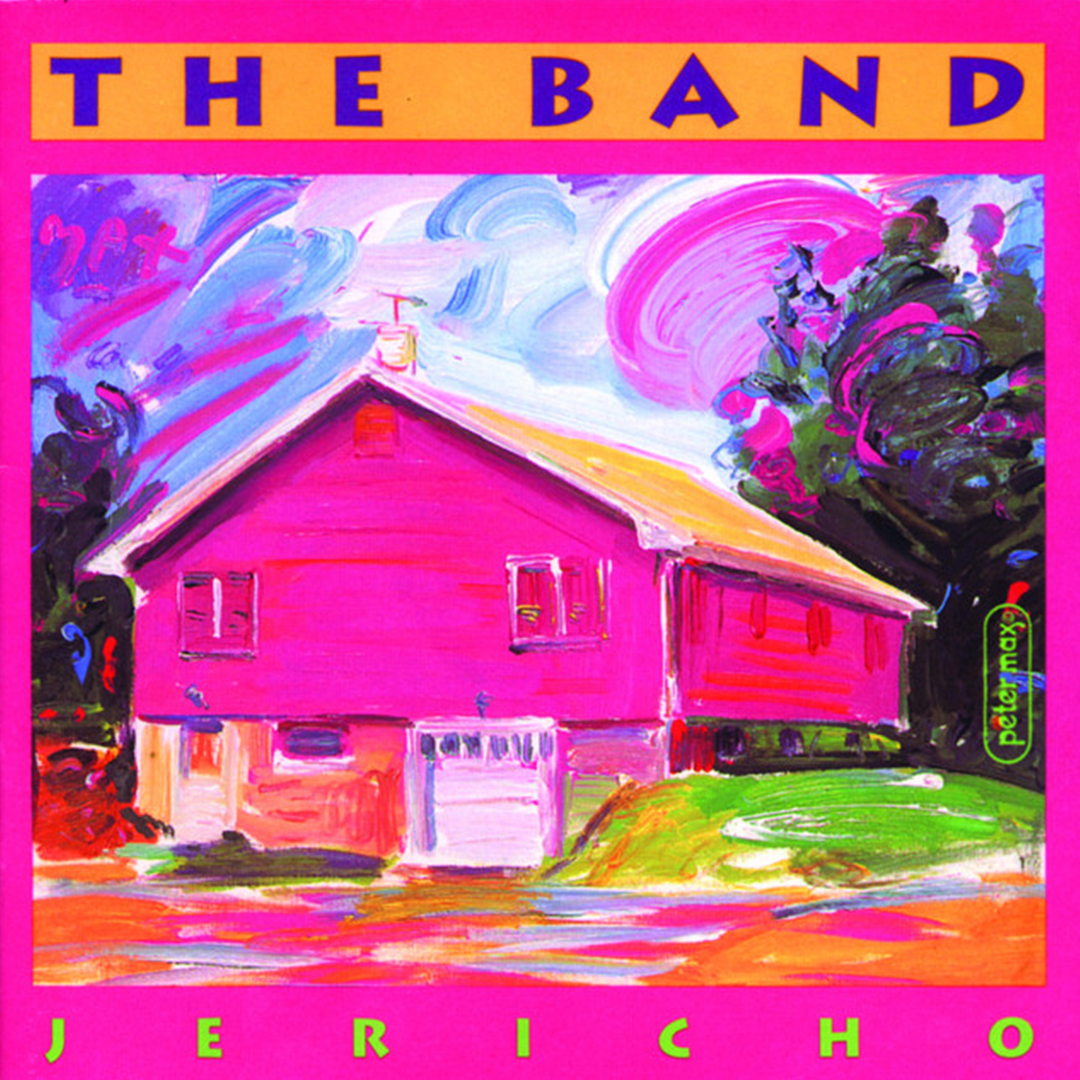
It’d been 16 years since the world had enjoyed an album by roots rock legends The Band.
Since 1977’s Islands, the former Dylan backing group had crucially lost the essential respective songwriting and vocal talents of Robbie Robertson and Richard Manuel—the latter’s vocals on ‘Country Boy’ recorded in 1985 a year before his death— yet nevertheless, 1993’s Jericho was warmly received by their hardcore fans, if missing core ingredients of their classic heyday.
Among covers from their former folk captain, Dylan, along with numbers by Muddy Waters and Willie Dixon, was a reach into one of Nebraska’s scant singles. Brooding and hauntingly contemplative, Springsteen’s ruminative exploration of urban hopelessness engulfed by the local mob bosses that illustrate ‘Atlantic City’ is instead given a more rustic shake-up on The Band’s version.
Pulled from the gutter, The Band reimagine the desperate protagonist stuck in life’s dead end with a glow of having made it out, looking back on the ebbs of his story with the vantage of a new and positive hinterland.
David Bowie – ‘It’s Hard to Be a Saint in the City’
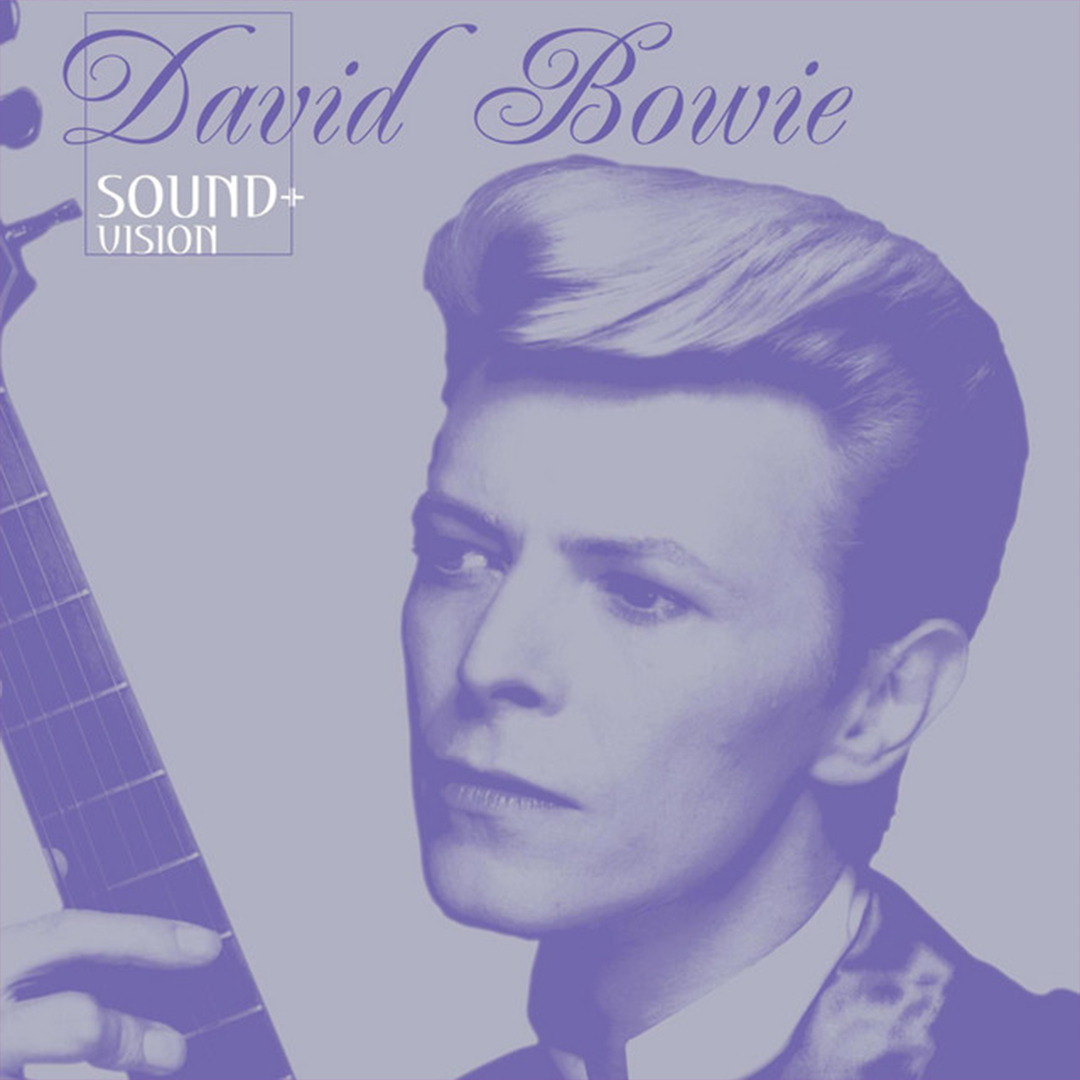
For such a creative visionary during his 1970s whirlwind, David Bowie’s covers often never quite stacked up to his original material.
With the fierce exception of ‘Wild Is the Wind’, but all too often his renditions could lack sparkle, such as the soggy Pin Ups album or ‘Let’s Spend The Night Together’s stodgy misfire on the otherwise immaculate Aladdin Sane.
Curiously, Bowie’s pick of Springsteen’s ‘It’s Hard to Be a Saint in the City’ from his urban vagabond debut Greetings from Asbury Park, NJ, hits the spot. There’s confusion as to when exactly it was recorded—producer Tony Visconti claiming it was cut during the Diamond Dogs sessions, but overdubs added while working on Young Americans—but in the studio Bowie sounds like he’s having serious fun amid his cocaine blitz, dressing Springsteen’s ramshackle folk rock original with a glittering dollop of gorgeous, Philadelphia strings.
Johnny Cash – ‘Highway Patrolman’
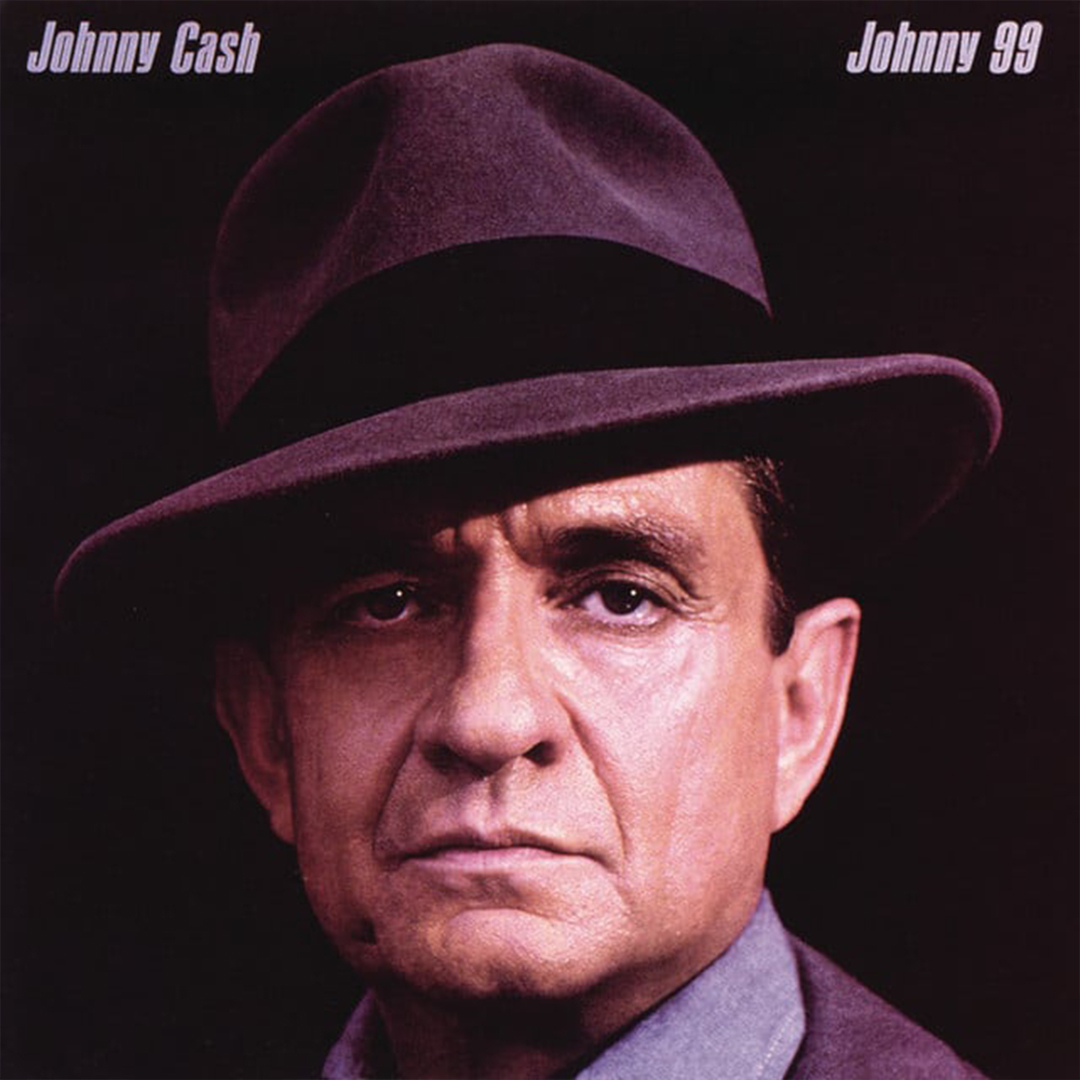
Nebraska’s austere wander through America’s dark fringes never seems to lose its inspirational pull.
Conceiving of a fraught brotherly drama between a man of the law and a troubled sibling’s criminal embroil, ‘Highway Patrolman’s introspective snapshot of moral ambiguity seems teeming with outlaw energy and destined for a repurposing from the old country stars who’d doggedly avoided the Nashville sound’s glossy commercialism.
Such a country hero would be Johnny Cash. Experiencing a dip in success in the early 1980s, Cash would delve into The Boss’ Nebraska and select two numbers to add his weathered magic to. While Johnny 99’s title track would do Springsteen proud, it’s his ‘Highway Patrolman’ that stands with greater authority, sung with all the calloused experience of a man who knows all too well the moral forks in the road that can lead to success or darker downfalls.
Cowboy Junkies – ‘State Trooper’
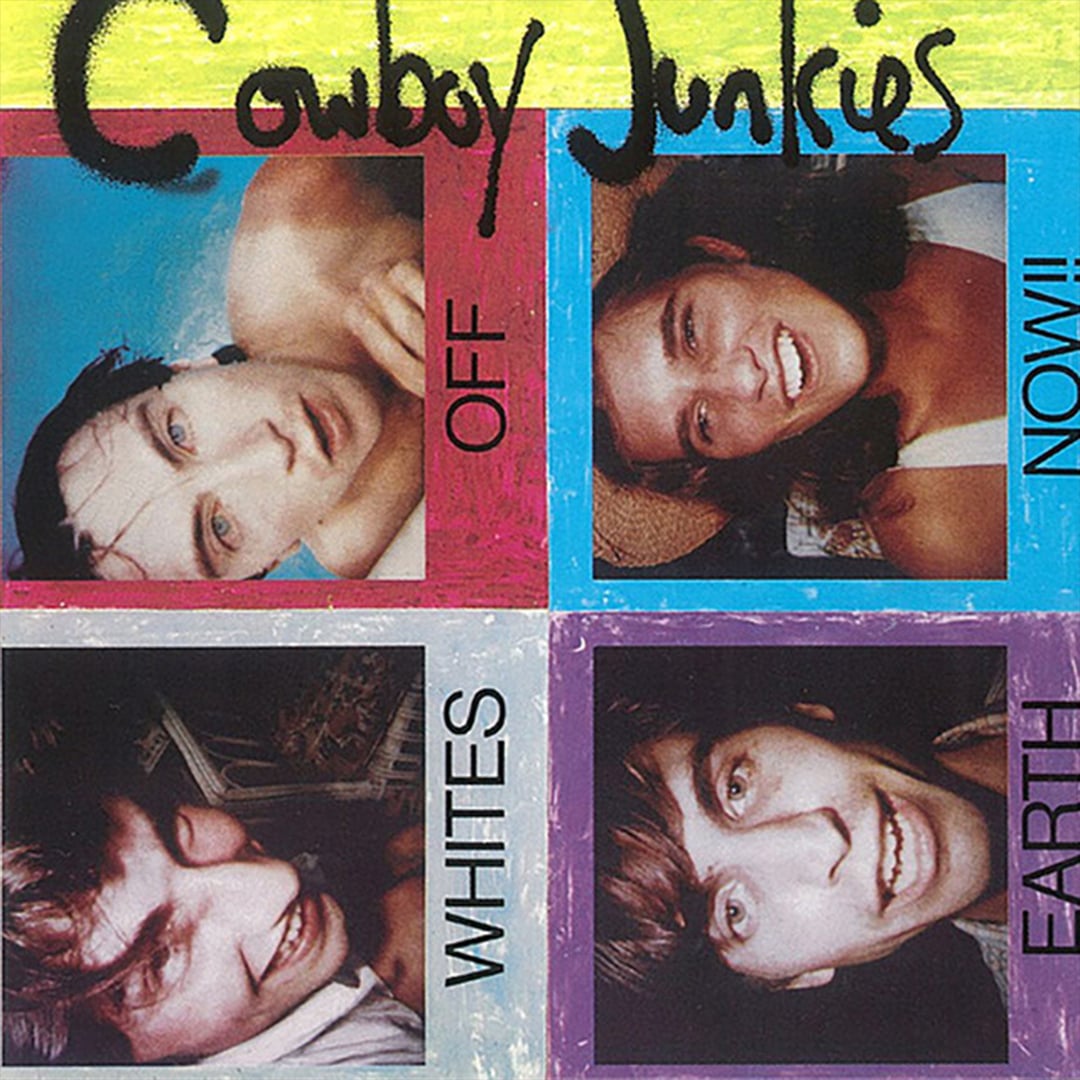
In the late 1980s, Canada’s Cowboy Junkies lifted from their love of old blues and contemporary rock pieces and added a disquieting serenity to their artful covers, possessing a terse and subtly urgent alternative country sound that quietly anticipated some terrible sandstorm or Dust Bowl draught disaster. Meeting critical acclaim with 1988’s The Trinity Session, their version of The Velvet Underground’s ‘Sweet Jane’ was lauded by Lou Reed himself as his favourite rendition.
Two years before their debut, Whites Off Earth Now!!, Cowboy Junkies naturally gravitated toward Nebraska and pulled out the eerie ‘State Trooper’ from its dark litany of ghost folk. While already brittle and splintered—Springsteen inspired by New York post-punks Suicide’s electronic buzz—Cowboy Junkies conjure a deeper and more phantasmic surreality to the menacing midnight drive, a cloud of Lynchian swirl creeping over the song’s desolate paranoia.
Jerry Lee Lewis – ‘Pink Cadillac’

‘Dancing in the Dark’ was such a monster smash, topping the charts worldwide and propelling the Born in the USA album to gargantuan success, that even its B-side enjoyed a reflective fame in the single’s mammoth radio reach. A throw-away rockabilly number about the luxury automobile of America’s post-war landscape, ‘Pink Cadillac’ spent 14 weeks on Billboard’s Top Tracks and became a live favourite when played during the Born in the USA Tour.
Drawing the likes of Bette Midler and Natalie Cole to take a ride in ‘Pink Cadillac’s comic cruise, Springsteen must’ve been pinching himself when original rock and roller ‘Killer’ Jerry Lee Lewis sought to cut his take for 2006’s Last Man Standing. Oozing joyous raunch and spiked with a swagger belying the pioneers’ 70 years, ‘Killer’ and ‘The Boss’ both let loose in the studio in a haze of giddy rock and roll glee, Springsteen savouring every minute with his ‘Great Balls of Fire’ hero.
