


Five completely pointless CGI movie moments that can’t be unseen

In the modern cinematic landscape, the vast majority of movies released in cinemas and on streaming feature at least some amount of computer-generated imagery. It’s extremely rare to watch a film without CGI, and it must be accepted that it can be a hugely advantageous tool for filmmakers to achieve effects in a timely, efficient, low-cost manner.
However, when you say ‘CGI’ to most people these days, they’ll likely picture the bloated, cartoonish worlds of superheroes, space operas, and fantasy adventures, filled with fake-looking monsters, superhumans, and intergalactic cityscapes.
After all, in recent years, so many of these movies have placed such a burden on their CGI animators that visual effects seem to be getting worse across the board instead of better, and the ability to make audiences gawp in wonder has mostly been lost. Perhaps that will return someday, but as it is now, CGI has almost become a dirty word in cinephile circles.
Fittingly, this article will comb through a list of movies you know are laden with wall-to-wall CGI, plus a few you may be surprised by, to spotlight five of the most pointless uses of computer-generated imagery. From a superhero blockbuster to the desecration of a horror classic, via a control freak director who uses CGI for very odd reasons, these moments simply can’t be unseen, no matter how much you may try to erase them from memory.
Five completely pointless CGI moments:
Charlize Theron’s CGI face – ‘The Old Guard 2’ (Victoria Mahoney, 2025)
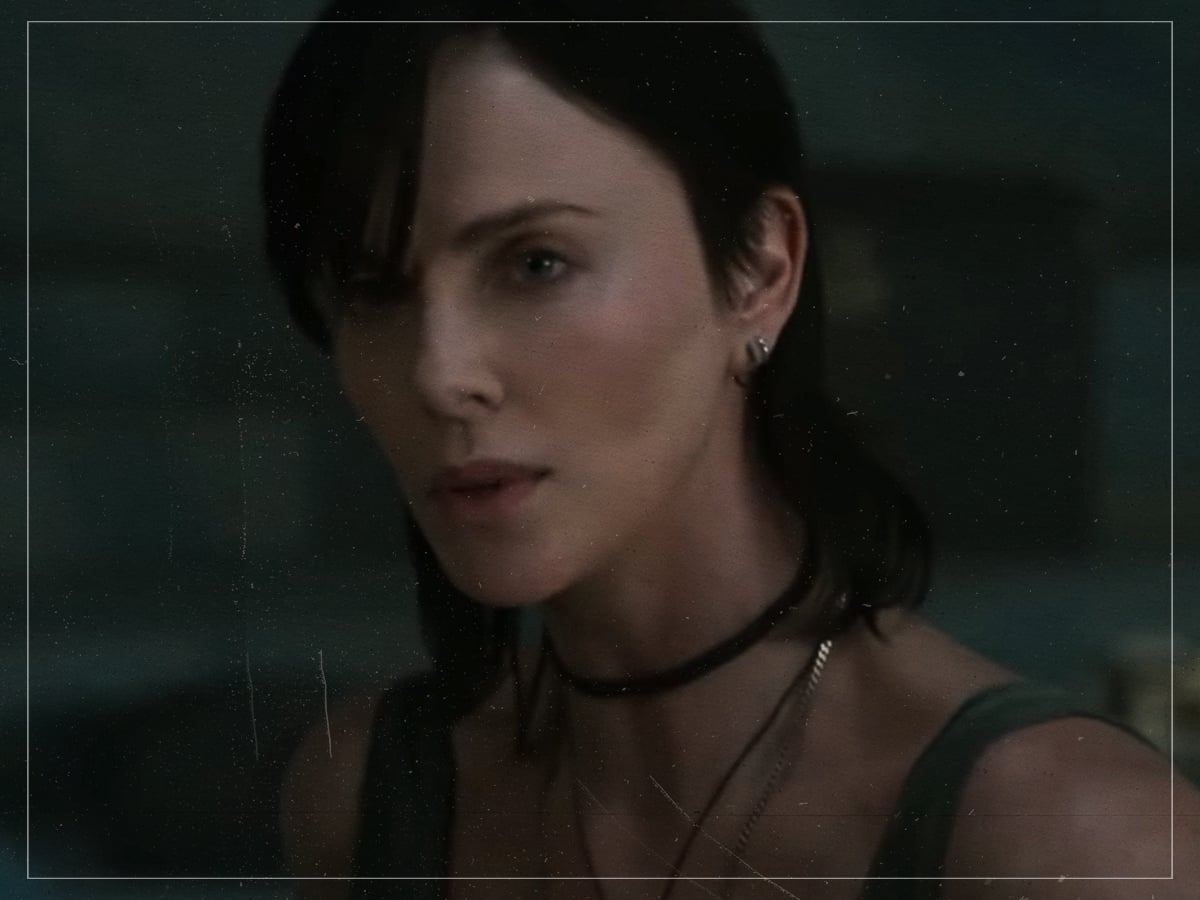
On July 2nd, 2025, The Old Guard 2 hit Netflix and was met with a collective shrug. It didn’t help that the first movie, a fairly well-received fantasy action flick directed by The Woman King’s Gina Prince-Bythewood, was released a full five years ago, but Netflix’s total lack of advertising for the sequel may have hinted that all wasn’t right with the film. In the end, it came and went without making much of an impact, with the only happy accident of that fate being that it avoided being called out for one of the most pointless uses of CGI in recent memory.
For the first 40 minutes or so of the movie, the audience watched Theron kick ass and take names with a new mullet-esque hairdo and face befitting of a beautiful woman in her late ’40s. Then, out of nowhere, the film moves into an extended sequence in which her face suddenly gains a bizarre CGI sheen that de-ages and makes her look like a completely different person. It’s like she is suddenly replaced by someone’s AI rendition of Theron’s face from memory, and this is the face she is stuck with for several more scenes.
In truth, the effect is so jarring and unsettling that it makes these scenes incredibly hard to focus on, as all the audience can think is, “What the hell is going on?” The scenes aren’t even flashbacks, so it makes no sense as to why she suddenly looks like a video game character. A little post-movie digging reveals that most of the film was shot in 2022, but parts of the cast returned for re-shoots two years later. Had Theron’s face changed that much in two years that the filmmakers felt CGI-ing her visage into oblivion was the right thing to do? If so, bad call.
The CGI Michael Myers mask – ‘Halloween H20’ (Steve Miner, 1998)
Throughout the Halloween series, few things have remained truly consistent. After all, the franchise has more continuities than you can shake a stick at, and more explanations for Michael Myers’ evil than anyone ever needed to know. However, there is one thing that remained the same from Halloween II all the way to Halloween: Resurrection, and it regularly drove gorehounds nuts.
For some reason, despite the original mask from John Carpenter’s seminal 1978 movie seeming fairly simple to replicate, it consistently proved anything but. Again and again, the films struggled to reproduce a faceless white mask resembling the William Shatner mask with the widened eye holes that Carpenter used, leading to some truly disastrous attempts. Yes, Halloween 5: The Revenge of Michael Myers, I’m looking at you and your unnecessarily long neck.
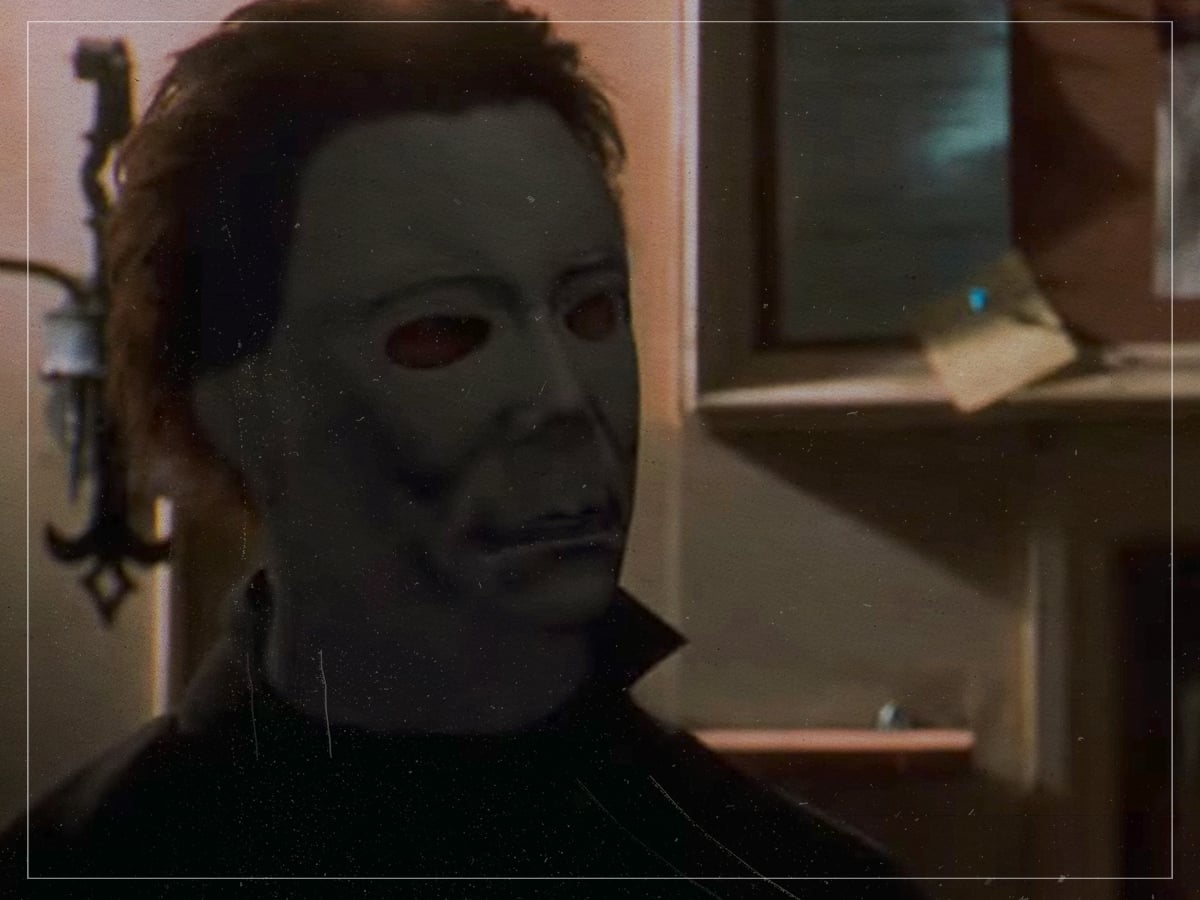
Anyway, arguably the biggest mask-related debacle in the series came on Halloween H20, Jamie Lee Curtis’ 1998 return to the franchise. Director Steve Miner shot the whole film with Myers wearing a smooth, alien-like mask made by KNB FX, before deciding after the fact that he hated it. He then ordered re-shoots with a mask made by the legendary Stan Winston, but missed creating a new close-up of the killer for one crucial scene. Never fear, he figured, let’s do a CGI mask in that shot. The result, alas, was this floaty monstrosity that surely looked worse than the crappy mask used on-set.
Wolverine’s claws – ‘X-Men Origins: Wolverine’ (Gavin Hood, 2009)
In Gavin Hood’s regrettable X-Men Origins: Wolverine, audiences finally found out answers to all their burning questions about Hugh Jackman’s hirsute mutant killing machine, such as “Where did he get his iconic leather jacket and motorcycle?” The answer: from some old guy who was immediately murdered by bad guys after coming into contact with Wolverine. Ouch.
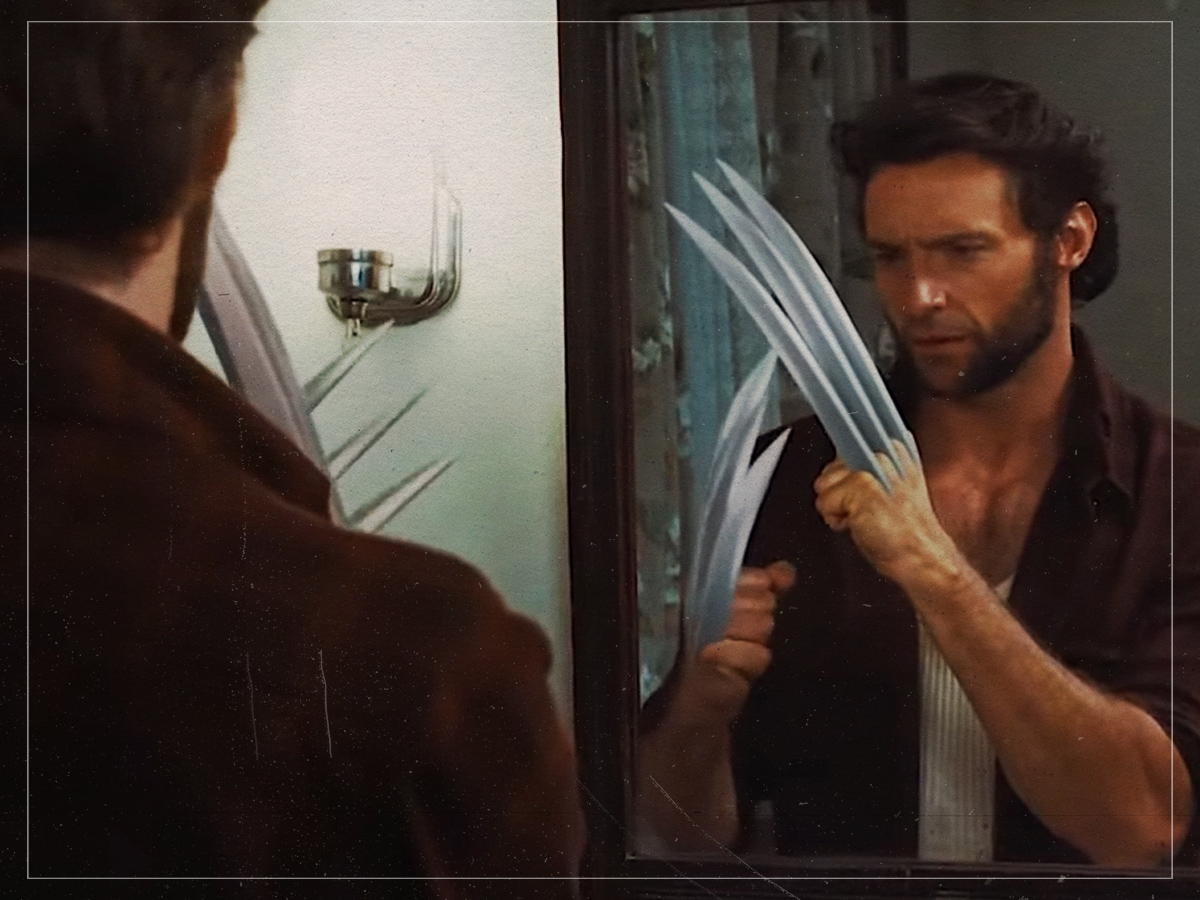
However, audiences also discovered that a filmmaker should never choose to render Wolverine’s razor-sharp claws in CGI, especially if it’s during a scene set in a brightly lit bathroom. Why? Because it looks utterly laughable. Indeed, the infamous scene in this film where a confused Logan pops his claws and accidentally cuts a sink to pieces, despite the fact that his claws look weightless and cartoonish, was instantly lampooned by fans and critics alike.
Now, to play devil’s advocate, perhaps Hood wanted to make his shoot safer than the other X-Men films, where a mix of CGI and practical claws were used. After all, Jackman admitted to accidentally stabbing himself with the practical versions, telling Entertainment Weekly, “I’ve got a number of scars on my thighs, and it’s really not cool. Got pretty close to some sensitive areas, but everything’s fine.” Hell, he even stabbed a stunt double, too, but they weren’t seriously hurt. However, when Hood saw how atrocious the CGI looked in this scene, could he not have brought back the practical claws and, I don’t know, ensured they weren’t so sharp?
Jake Gyllenhaal’s extra arm/knuckle hair – ‘Zodiac’ (David Fincher, 2007)
While David Fincher’s stately study in obsession mightn’t seem, at first glance, to be a movie that utilised much CGI, it might surprise you to find out that Zodiac is actually chock full of computer-generated material. You see, Fincher is a ruthless perfectionist, and in order to accurately recreate San Francisco as it was in the late 1960s, ’70s, and ’80s, he often employed CGI to extend the backgrounds of the meticulous sets/locations used in the shoot.
Interestingly, Fincher also used CGI for every drop of blood seen in the movie, claiming that he had a practical reason for that. The director is notorious for demanding repeated takes until he reaches a level of perfection he’s happy with. When it came to scenes involving blood, he knew his process would entail 50+ copies of each item of clothing a cast member wore, which would need to be changed between takes. Using CGI blood, though, eliminated this need and meant the repeated takes could be cycled through much more quickly.
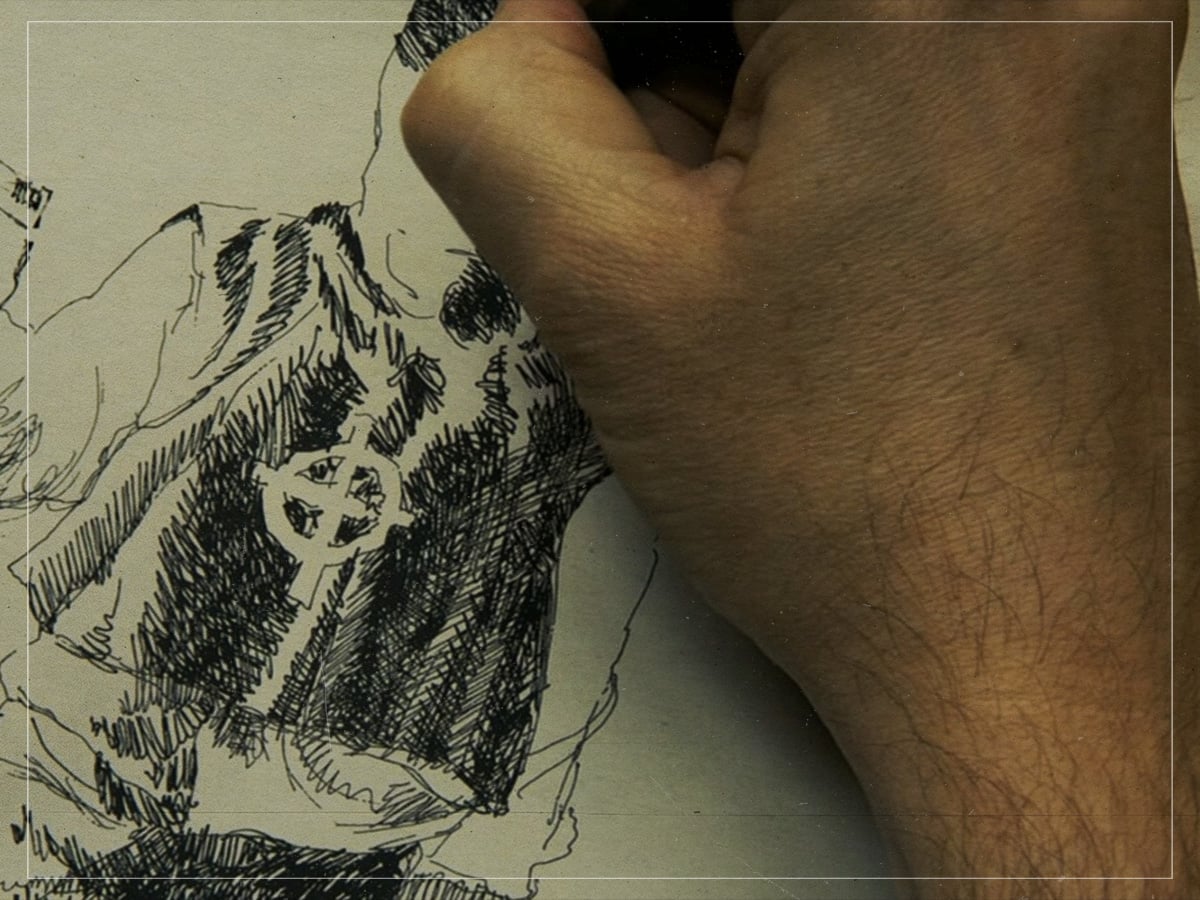
However, I’d argue that one of Fincher’s other uses of CGI was pretty pointless, as nobody in the world could ever possibly notice or care about it. In the film, Jake Gyllenhaal played Robert Graysmith, a cartoonist at the San Francisco Chronicle, and he is shown drawing in several scenes. For close-ups of his hands, though, Fincher decided they were “too hairless and pretty,” so he demanded CGI hair be added to his knuckles in every shot of him drawing or holding one of the Zodiac’s letters. I mean, that’s just weird.
The CGI creature effects – ‘The Thing’ (Matthijs van Heijningen Jr, 2011)

When Matthijs van Heijningen Jr’s 2011 prequel to John Carpenter’s classic 1982 sci-fi horror The Thing was released in cinemas, fans were horrified to discover that all the gruesome body-shifting creature effects were entirely computer-generated. This flew in the face of one of the primary reasons everyone loves Carpenter’s original movie: the groundbreaking, stomach-churning practical effects created by Rob Bottin.
Here’s the thing, though: Van Heijningen shot the prequel using practical effects created by Alec Gillis and Tom Woodruff Jr’s Amalgamated Dynamics. These on-set effects included creature suits, animatronics, and puppeteers, and they helped give the cast some real horrors to react to, instead of looking at tennis balls and being told, “There’s a scary monster here.” However, when Universal got a look at the film’s first cut, the studio decided the practical effects made the film look too much like it came from the ’80s and ordered everything to be replaced by CGI.
This was, naturally, devastating for Gillis and Woodruff Jr, whose creature designs remained in the film, but were now rendered in pixels. Writer Eric Heisserer claimed the decision broke his heart, and in later years, Van Heijningen admitted, “Looking back, we were caught in a cross-zone where animatronics were old-fashioned, and the CGI wasn’t good enough. We made the wrong decision…I regret that now.” Ultimately, this use of CGI was both pointless and crippling to the final product.
