


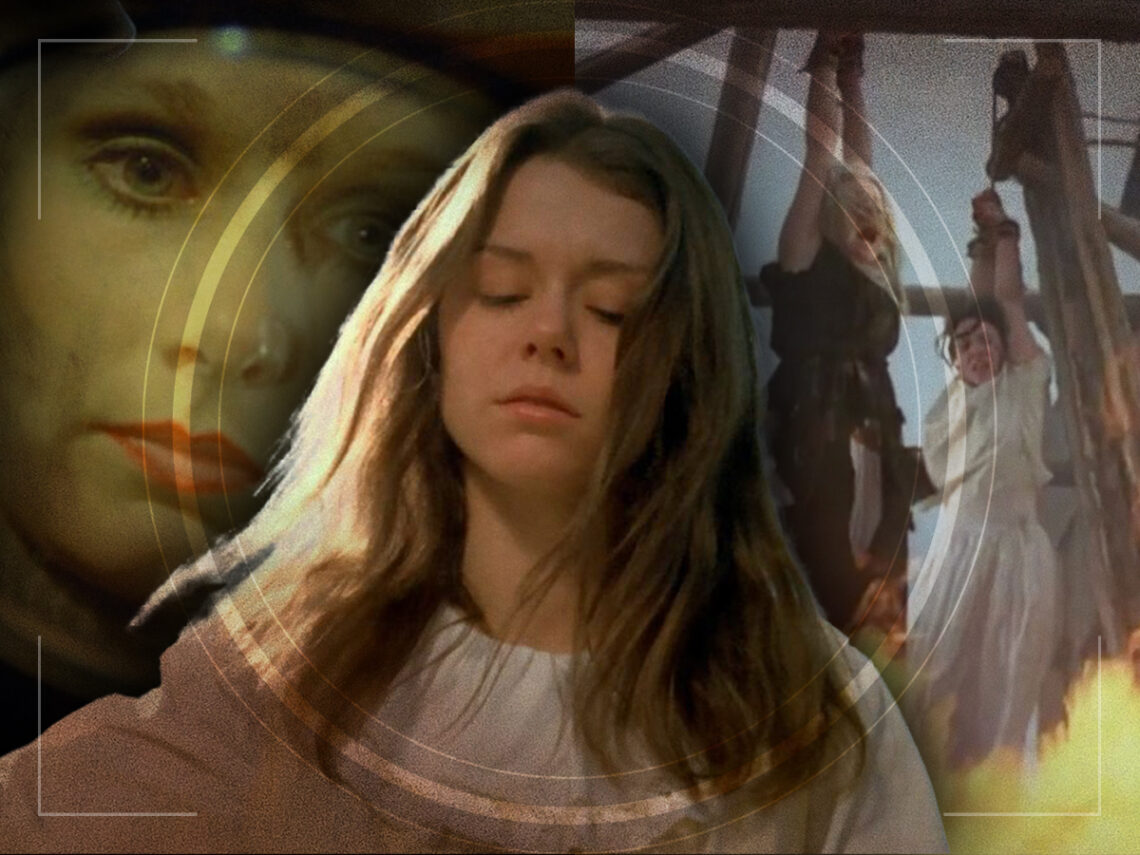
The five best horror movies of the 1970s that you’ve never heard of

Horror started to become more graphic in the 1960s, but it wasn’t until the following decade that it really picked up the pace. Exploitation cinema, graphic eroticism, and bloody gore became much more prominent as low-budget horror emerged to dedicated cult followings, aided by the newfound popularity of midnight movies.
While the obvious titles emerged during the 1970s – The Exorcist, Black Christmas, The Texas Chain Saw Massacre, Halloween, Alien, and Jaws – many other underappreciated movies also made their way into the world before falling into relative obscurity. But that’s just the way it goes when a genre starts to gain popularity; some movies are inevitably left behind.
But you’ve surely seen the aforementioned titles more than enough to instead try a much more underrated movie the next time you’re in the mood for a spooky evening in front of the TV. From Mexican tales of vampirism and exorcisms to slow-burning descents into madness, there’s plenty to discover from a decade of horror that was truly revolutionary.
Before the dawn of franchises, horror thrived in low-budget environments, resulting in some incredible films that just didn’t get the attention and widespread releases they deserved. Yet, you can now find many of these hidden gems online, readily available to satisfy your most niche horror needs.
The five best horror movies of the 1970s that you’ve never heard of:
‘Alucarda’ (Juan López Moctezuma, 1977)
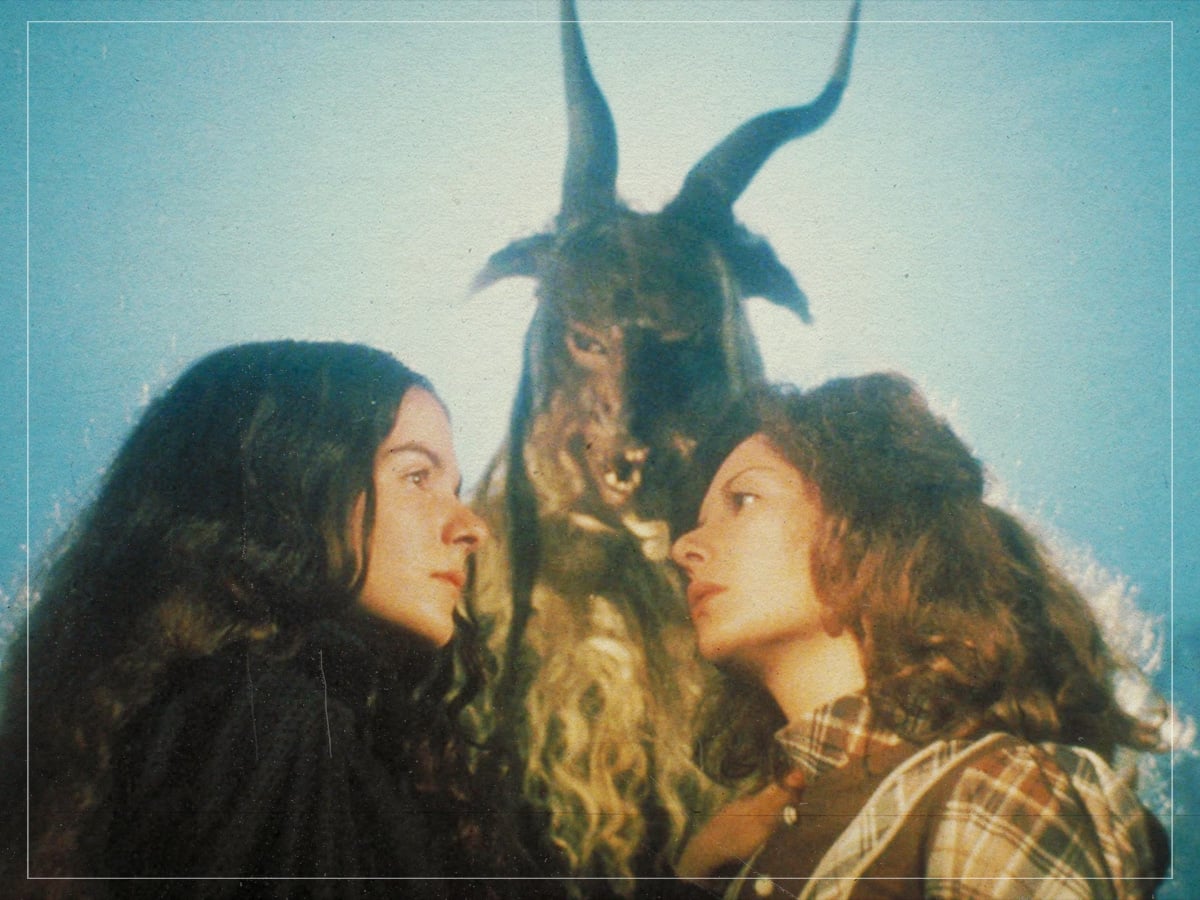
As is so often the way, outside of the country of origin, few people really know about Alucarda. Sexuality and religion are explored in an oddly compelling way, making its lack of notoriety all the stranger. While a far cry from similar adaptations, its main inspiration is from Sheridan Le Fanu’s Carmilla. There is a sense of surrealism here, with the nuns wearing strange bandaged outfits and visions of a ghastly horned devil creature creating some unforgettable scenes.
Alucarda really has it all: exorcisms, flagellation, rituals, nudity, orgies, zombies, and vampires. At just 78 minutes in length, Juan López Moctezuma’s film is punchy, packed with commentary on the tyranny of certain oppressive structures, like government and religion. Soaked in blood and dripping with an innate eroticism, Alucarda deserves more love as one of the best movies of the era to explore the lesbian vampire genre.
‘Axe’ (Frederick R Freidel, 1974)

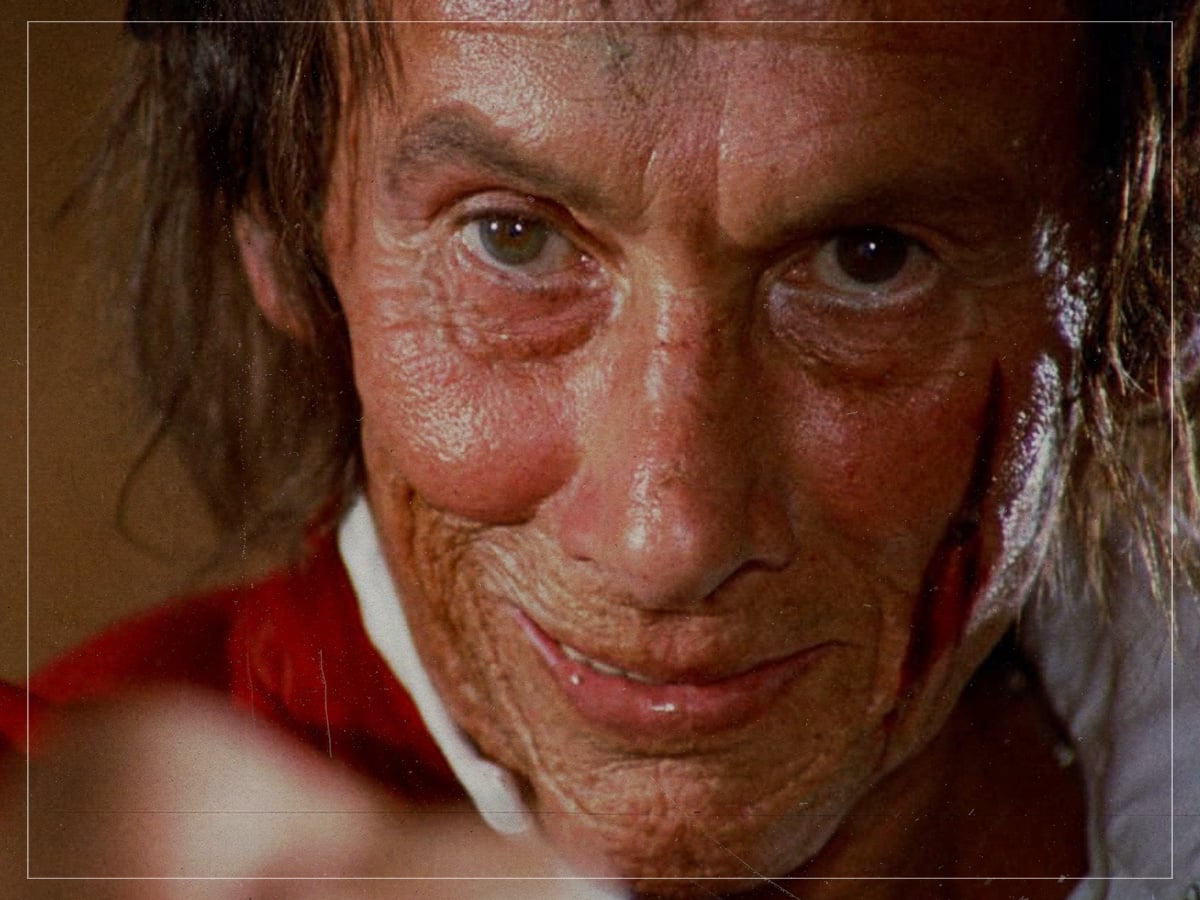
If you’ve seen The Texas Chain Saw Massacre a million times, why not try Axe instead? Also known as California Axe Massacre, the film emerged the same year as Tobe Hooper’s horror classic, and while it’s not quite the groundbreaking masterpiece that introduced us to Leatherface, it’s still an incredibly underrated slice of low-budget terror. The film follows a small group of men who hide out in a house in the middle of nowhere after killing a man, only to be greeted by a teenage girl with no qualms about seeking revenge.
There’s a grittiness to Axe that makes it feel incredibly unsettling, the DIY element of the film’s production only serving to make it feel more real and thus terrifying. As the feature film debut of Frederick R Freidel, who also stars in the film, Axe is, really, little more than a well-executed student film, but its influence can actually be seen in far more successful horror movies, like Ti West’s Pearl.
‘Symptoms’ (José Ramón Larraz, 1974)
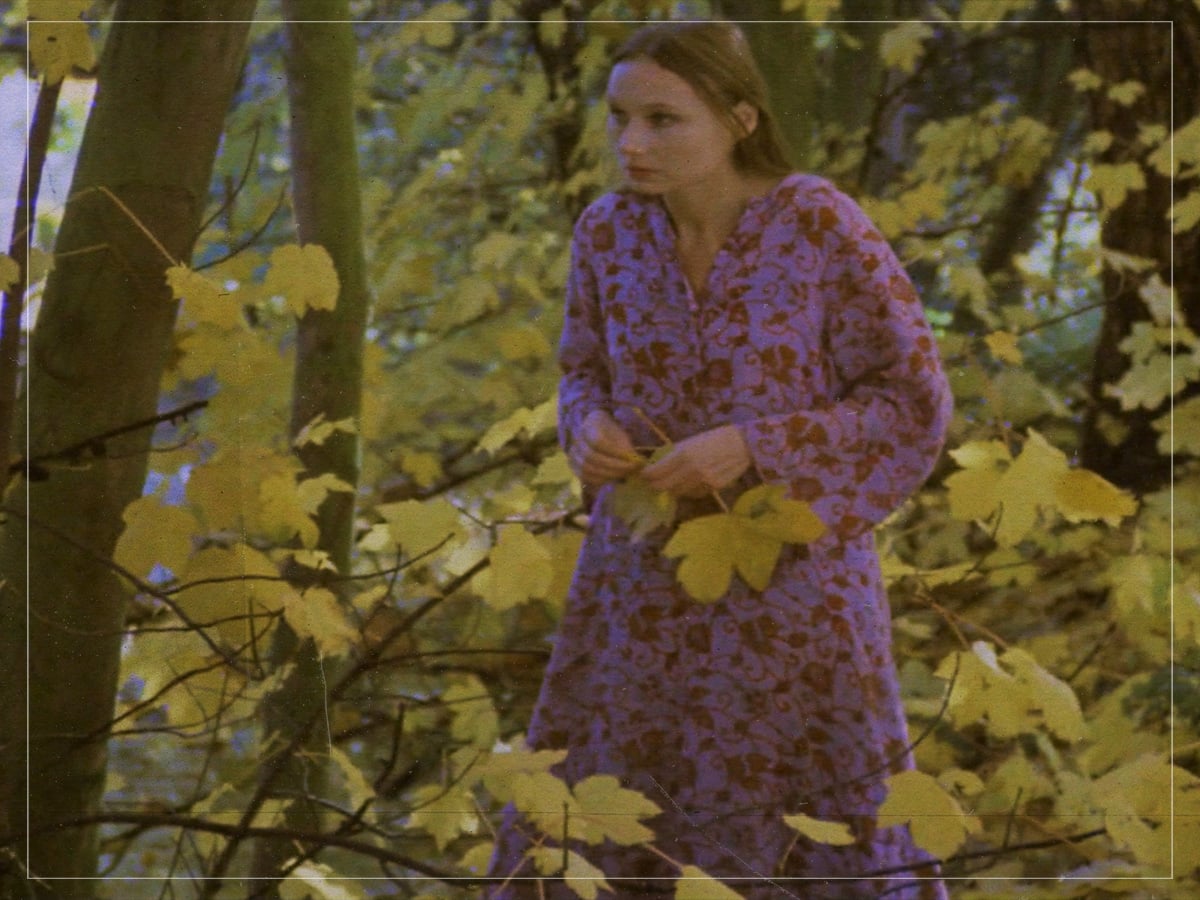
Creeping and tension-filled, Symptoms arrived in 1974 from Spanish director José Ramón Larraz, who made another British horror film that year, Vampyres. However, it’s Symptoms that remains the most underrated, with a terrifically haunting performance from Angela Pleasance, who plays a young woman whose sanity slowly slips away, taking us with her. Symptoms isn’t an action-packed film, it demands you to be patient, but it’s certainly worth it.
Perfect for autumn due to its warm colour palette, the film soon turns your blood cold as the house that Pleasance’s Helen is invited to soon reveals itself to be the stuff of nightmares. While the film is comparable to Roman Polanski’s Repulsion, Symptoms still stands as a fantastic horror movie in its own right, and it’ll make you think twice before accepting any invitations to stay with someone you don’t know all that well. You might just lose your grip on reality.
‘Mark of the Devil’ (Michael Armstrong, 1970)
Trying to put into context the malignant torture suffered at the hands of women who society believed to be witches is impossible. The sheer real-life brutality is an image so disturbing that we tend to ignore it. Historical horror often finds its way into the tormented areas of our minds, simply because we know it to be true. A wart or a birthmark could be enough to see you at the centre of a bloody trial, the blemishes apparently thought of as a mark from the devil himself. This picture unabashedly looks at the insanity of these trials and the hideous tortures put upon the women within them.
The film, directed by Michael Armstrong, certainly isn’t easy-watching due to the sheer amount of graphic violence, but if anything is going to stick with you, it’s this. The treatment of women during this period was particularly despicable, but here, Mark of the Devil deals with feelings of guilt and reckoning as a witch hunter comes to question his behaviour.
‘Mumsy, Nanny, Sonny & Girly’ (Freddie Francis, 1970)
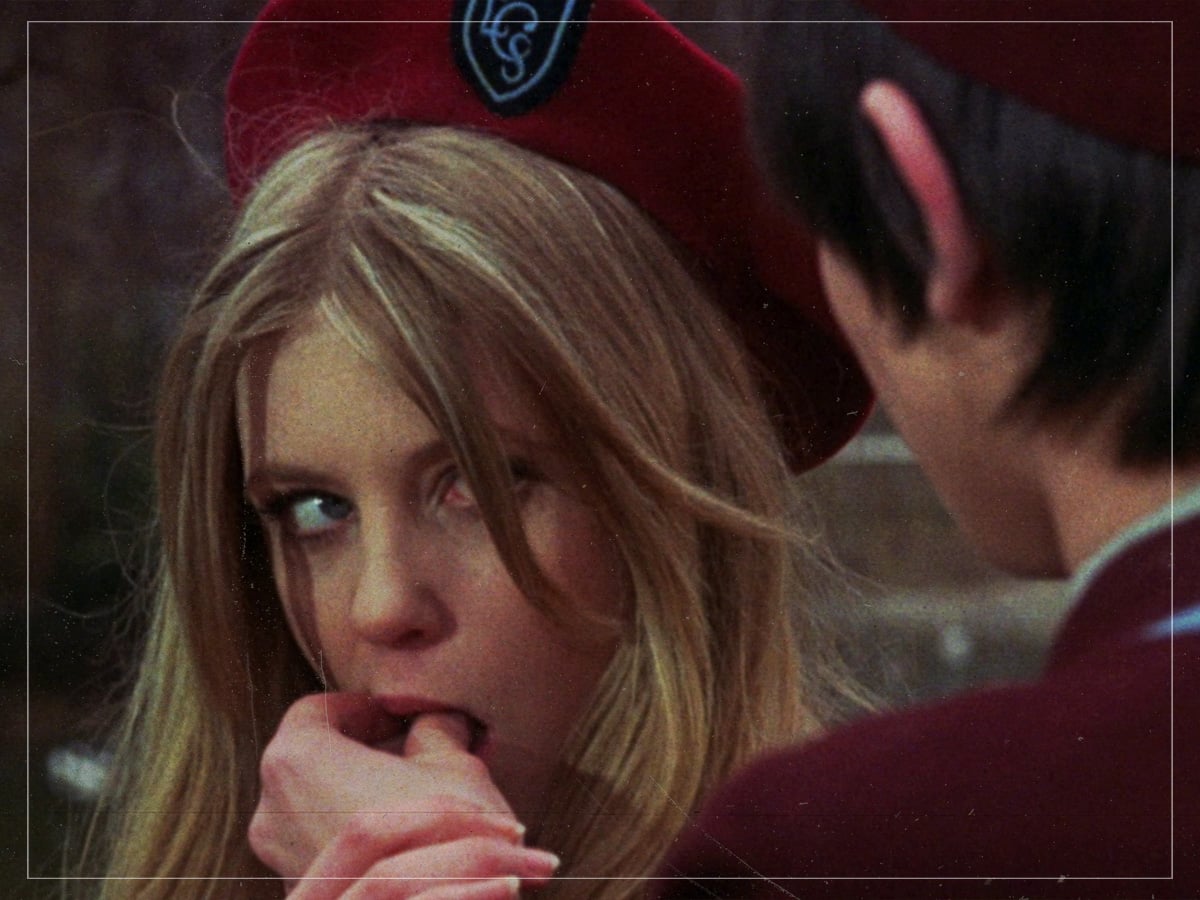
Spider Baby, a great underrated ‘60s horror from American exploitation filmmaker Jack Hill, might have explored a deranged and isolated family pretty well, but that didn’t mean that British director Freddie Francis couldn’t have a crack at a similar idea. Mumsy, Nanny, Sonny and Girly, released three years later in 1970, is arguably more daring, although it similarly takes a humorous approach to communicate the absurdity of the scenario. We follow a family who live in a secluded house, which serves as their playground, and here they lure men and kill them for fun.
The movie didn’t perform that well, perhaps because it’s an inherently odd film with an incredibly unsettling blend of horror and comedy, but looking back, Mumsy, Nanny, Sonny and Girly did something rather special. It combined that popular swinging sixties backdrop of the era and created something truly haunting and ruthless, signalling the end of a once-prosperous period.
