


The five best 1990s British movies that you’ve never heard of

British culture seemed to be thriving in the 1990s, at least a lot better than in the ‘80s under the tyrannical rule of Margaret Thatcher, where, by the following decade, we had Britpop and football glory, the Spice Girls, and Kate Moss.
It was an era of ‘Cool Britannia’, at least on the surface, and many great films emerged from this period, like Trainspotting and Brassed Off, often digging into the social and economic difficulties that were still looming underneath the sounds of ‘Cigarettes and Alcohol’ and ‘Wannabe’.
It might have been a time of increased creativity for the country, but there were still plenty of issues to be explored in art, and many great films did just that, which also led to countless films flying straight under the radar, now existing as gems of the final decade of a prosperous, ever-changing century.
These films are just as vital to shaping the landscape of the island at the time, but as is the case for many small movies, especially indie films made in Britain, they remain criminally underseen, so here’s our attempt to change that.
The five best British movies of the 1990s you’ve missed out on:
‘The War Zone’ (Tim Roth, 1999)
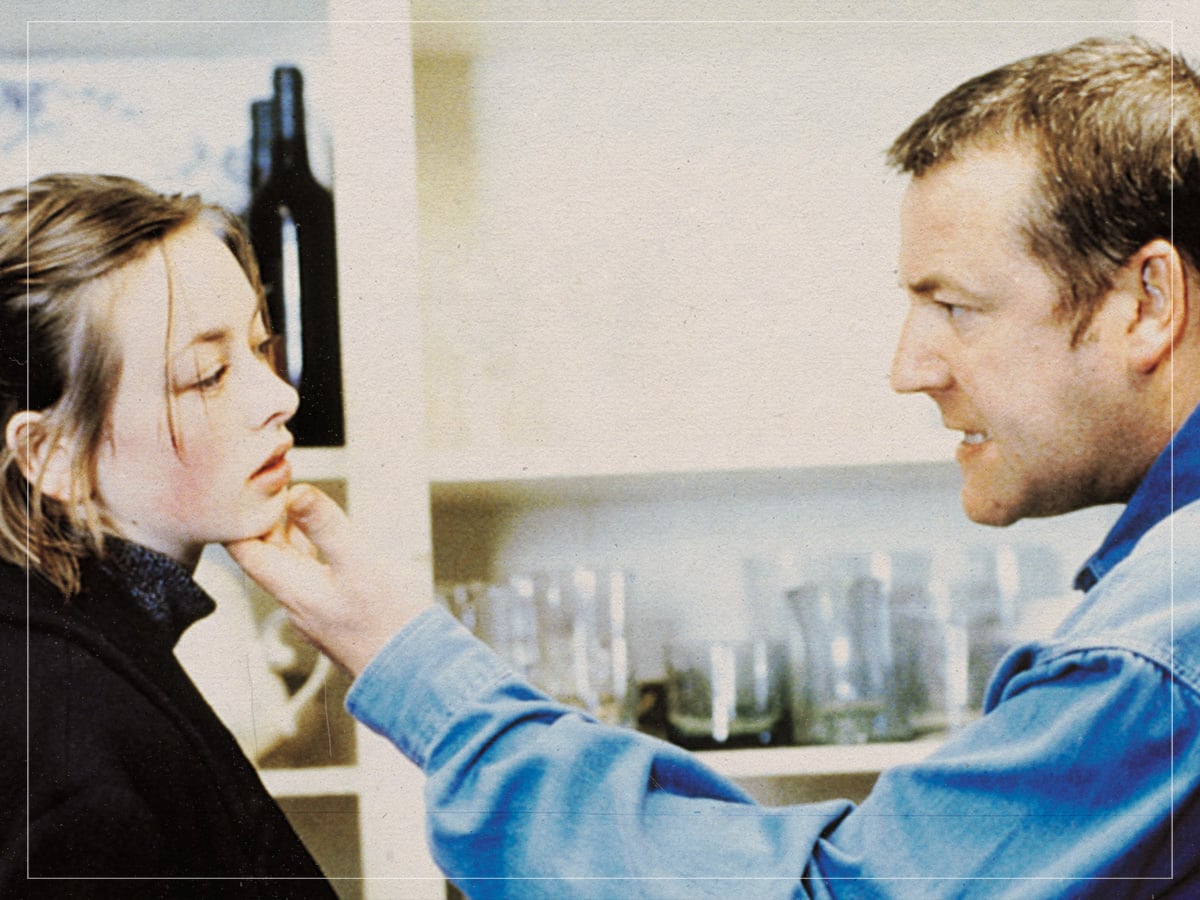
The 1990s saw Tim Roth make his directorial debut, remaining the only movie he has ever stood behind the camera for, and while it’s a shame he hasn’t made another, judging by the harrowing nature of The War Zone, it’s not hard to see why. A deeply personal film, Roth based the story on his own experiences of childhood sexual abuse, with Ray Winstone playing the patriarch of a family which crumbles due to his disgusting behaviour.
We witness his character abusing his daughter, something which his son discovers, which turns things violent. It’s tragic but a beautifully-made film that lingers, its countryside setting unearthing the innate brutality that seems to come naturally to many men. Incredibly strong performances frame this tough tale of abuse and incest, which, as hard as it is to sit through, is an undeniably artful piece of filmmaking.
‘Stella Does Tricks’ (Coky Giedroyc, 1996)
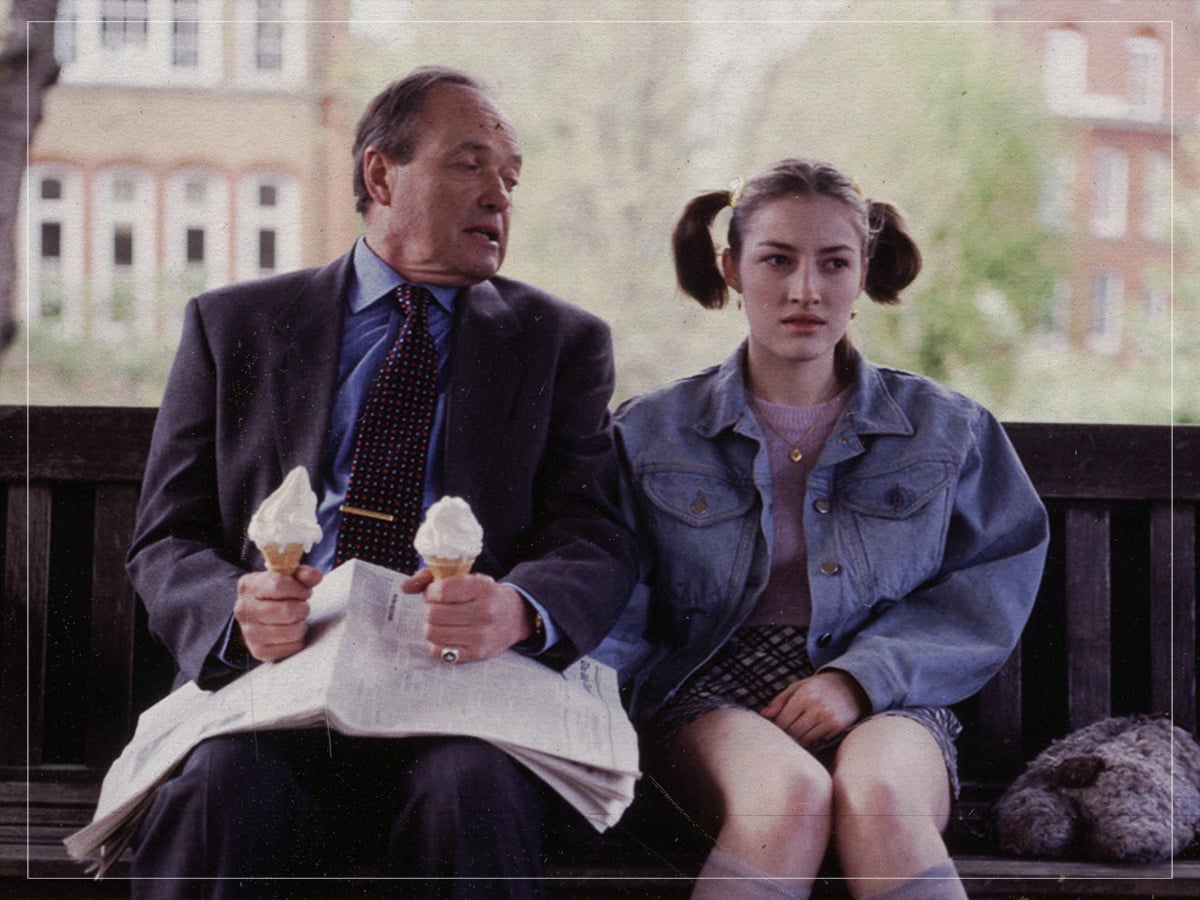
The gritty reality of life for many young women who feel as though there is no choice for them other than prostitution finds an eloquent depiction on screen in the form of Stella Does Tricks. The 1996 film, directed by Coky Giedroyc, takes an uncompromising look at the experiences faced by Kelly MacDonald’s titular character, who leaves home to escape the grasp of her abusive father, only to fall into the hands of an equally abusive pimp, but she won’t let these disgusting men be the end of her.
While she navigates life away from home, trying to find love, safety, and belonging, she also seeks revenge, and the film stands as a criminally underrated feature from Giedroyc, serving as her narrative feature debut, although it has the empathy and skillfulness of a much more experienced filmmaker. It might have been a financial failure, making just £32,966 in the UK against its £650,000 budget, but it’s certainly worth your time and more.
‘Small Deaths’ (Lynne Ramsay, 1996)
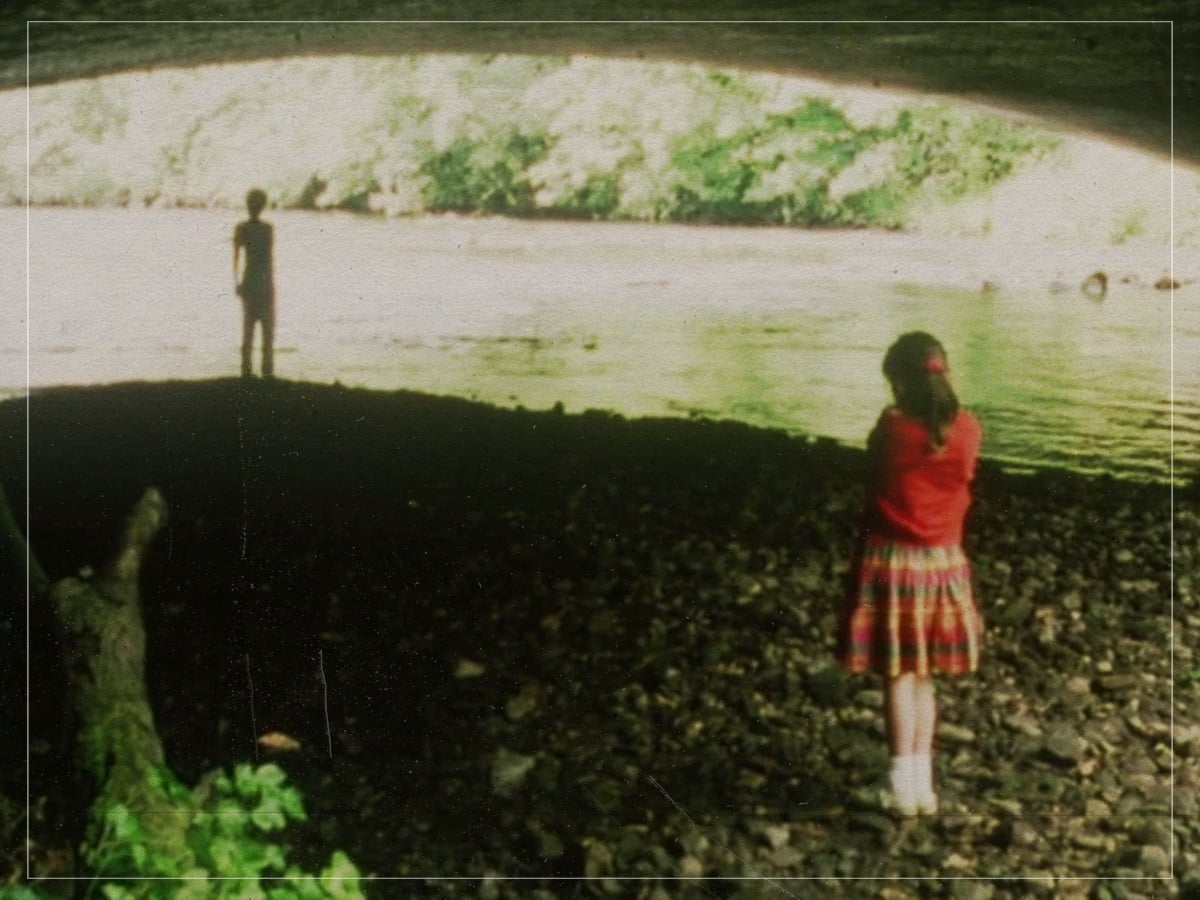
It would be unfair to miss out one of Lynne Ramsay’s incredible short films simply due to its length, because Small Deaths is one of the decade’s most indelible pieces of filmmaking, and something that, personally, I think about all the time. While the Scottish director did release a feature film in the ‘90s, Ratcatcher is hardly an obscure film, and it’s her shorts that deserve more attention. Small Deaths might be just 11 minutes long, but it encapsulates key moments in its young protagonist’s life as she comes of age, brutally reckoning with some harsh shatterings of innocence.
In each sequence of the triptych, Anne-Marie enjoys a moment of excitement, only for it to come crashing down, either due to the behaviour of a man or a boy who brings everything back to earth, like when some boys harm a dying cow, which the protagonist watches in distress. She realises the innate cruelty of humanity in that moment, and it’s moving to witness, making for a great short that demonstrates Ramsay’s interest in childhood and the loss of innocence, as nostalgic as it is confrontational and ultimately bleak.
‘Under the Skin’ (Carine Adler, 1997)

Before Jonathan Glazer made the stunningly erotic sci-fi film Under the Skin in 2013 with Scarlet Johansson, another indie film with the same name emerged in 1997, although this was even grittier, drawing from Britain’s socio-realist tradition. Directed by Carine Adler, this is a masterclass in poignant performances, with Samantha Morton giving her all to this early leading role that even predates her turn in Morvern Callar, and if you liked Lynne Ramsay’s film, you’ll also like Adler’s, which sees Morton grapple with some similar themes, such as grief and the exploration of sexuality in the face of trauma.
Morton is joined by Claire Rushbrook and Rita Tushingham, who form the dysfunctional family, and when Tushingham’s character, their mother, dies, Morton’s Iris is left reeling in spite of the fact that she was never the favourite, finding herself unable to process her emotions, which lead her to spiral into sexually-charged self-destruction.
‘Young Soul Rebels’ (Isaac Julien, 1991)
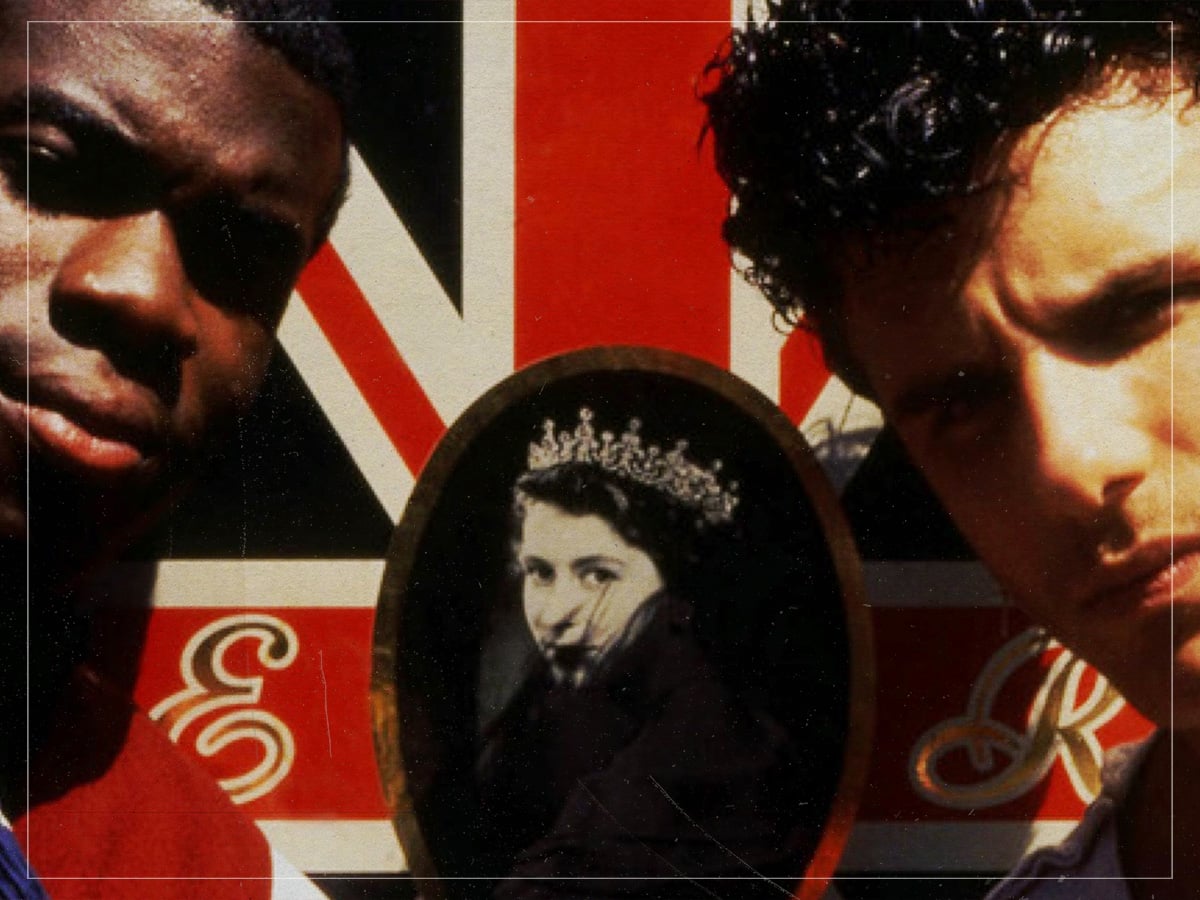
During the 1990s, the representation of marginalised identities, specifically in relation to race and homosexuality, was still rather sparse, but Young Soul Rebels proved the importance of such onscreen diversity, taking a rather unflinching look at the intersection between race and various subcultural movements in the country. The film moves between the characters’ attempts to solve the murder of their friend, while various political and social tensions inform their experiences of friendships and relationships.
Set in the late 1970s, Isaac Julien’s film is honest and raw, complete with an electrifying soundtrack which features tracks by the likes of X-Ray Spex, Funkadelic, Sylvester, and Roy Ayers, and with the Queen’s Silver Jubilee looming, the backdrop of British nationalism and racism informs this essential portrait of a volatile country, where violence can only be combatted by fierce solidarity and resistance.
