


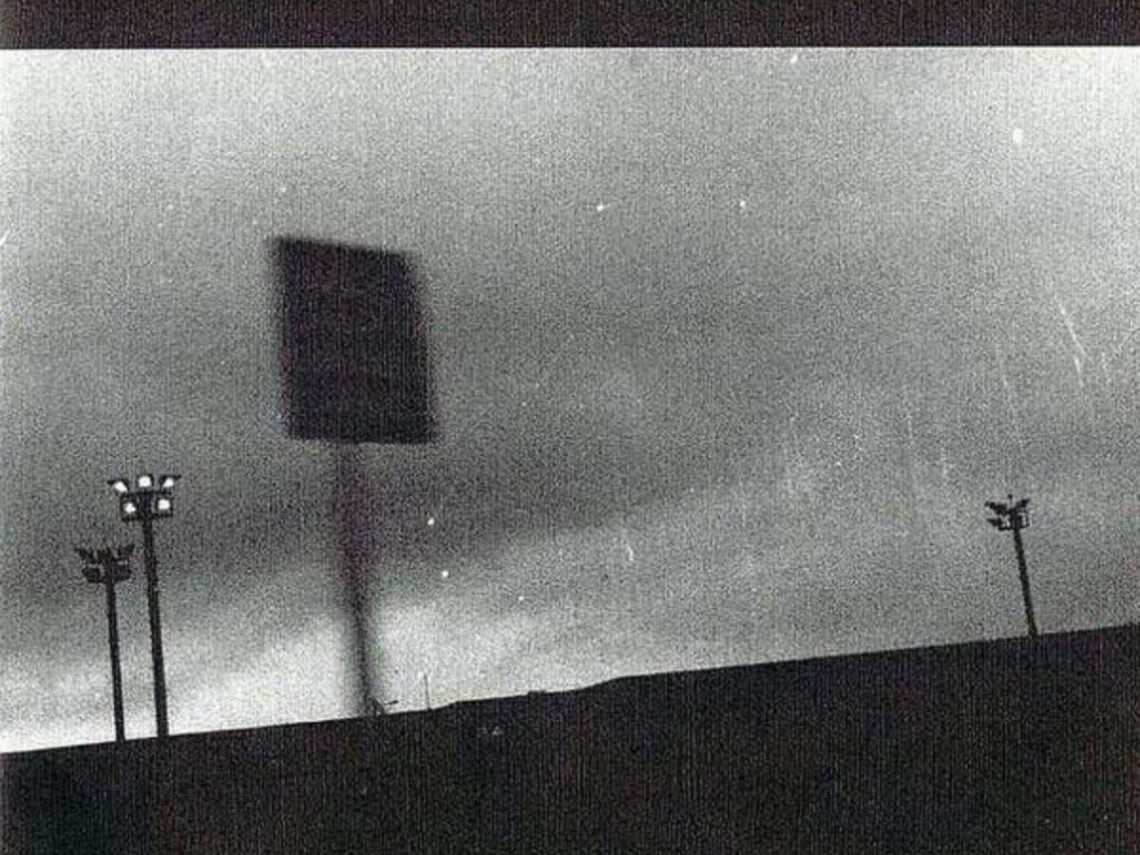
Five albums that sound exactly like their artwork

Covers primarily exist to be judged. Some albums have it clear that they’re well aware of that.
Sometimes, album covers can even impact the musicians themselves. Take, for instance, the moment that Klaus Voormann unveiled his Revolver cover to The Beatles and their team. ”I went to the EMI house, up to George Martin’s office and I stood the artwork up on a filing cabinet. There was Brian Epstein, George Martin, his secretary and the four lads,” Voormann recalled.
”I was scared, because nobody said anything. They were just looking at it. I thought, Shit, they hate it.”
He continued, ”Then Paul looked closer and said, ‘Hey that’s me sitting on a toilet!’ George Martin took a look and said, ‘You can’t show that!’ Paul said, ‘No, it’s great!’ But then he gave it some thought and said, ‘Well, maybe we should take that one off…’ So that broke the ice. Then they started talking about it.”
Did it fit, they wondered? Did it send the right message about the music? After the stunned silence, the answers were an inevitable affirmation. ”Everybody loved it, George loved it, John loved it, Ringo loved it,” he recalled with relief. ”I looked at Brian, who was standing in the corner and he was crying… I thought, Oh no… what is he doing?”
But as he happily told Mojo, ”He came up to me and said, ‘Klaus, this is exactly what we needed. I was worried that this whole thing might not work, but I know now that this the cover. This LP, will work – thank you’.” From thereon, The Beatles were liberated to journey boldly onto their next experimental chapter. It was, in a way, as though their old pal Klaus had pre-empted what was to come.
However, some covers seem to perfectly capture what is already there. So, below, we’re looking at the iconic sleeves that you simply can’t divorce from the sound of the record. From The Strokes to Godspeed, these are album covers that you can practically hear.
Five albums that sound exactly like their artwork:
‘The Psychedelic Sounds of the 13th Floor Elevators’ – 13th Floor Elevators
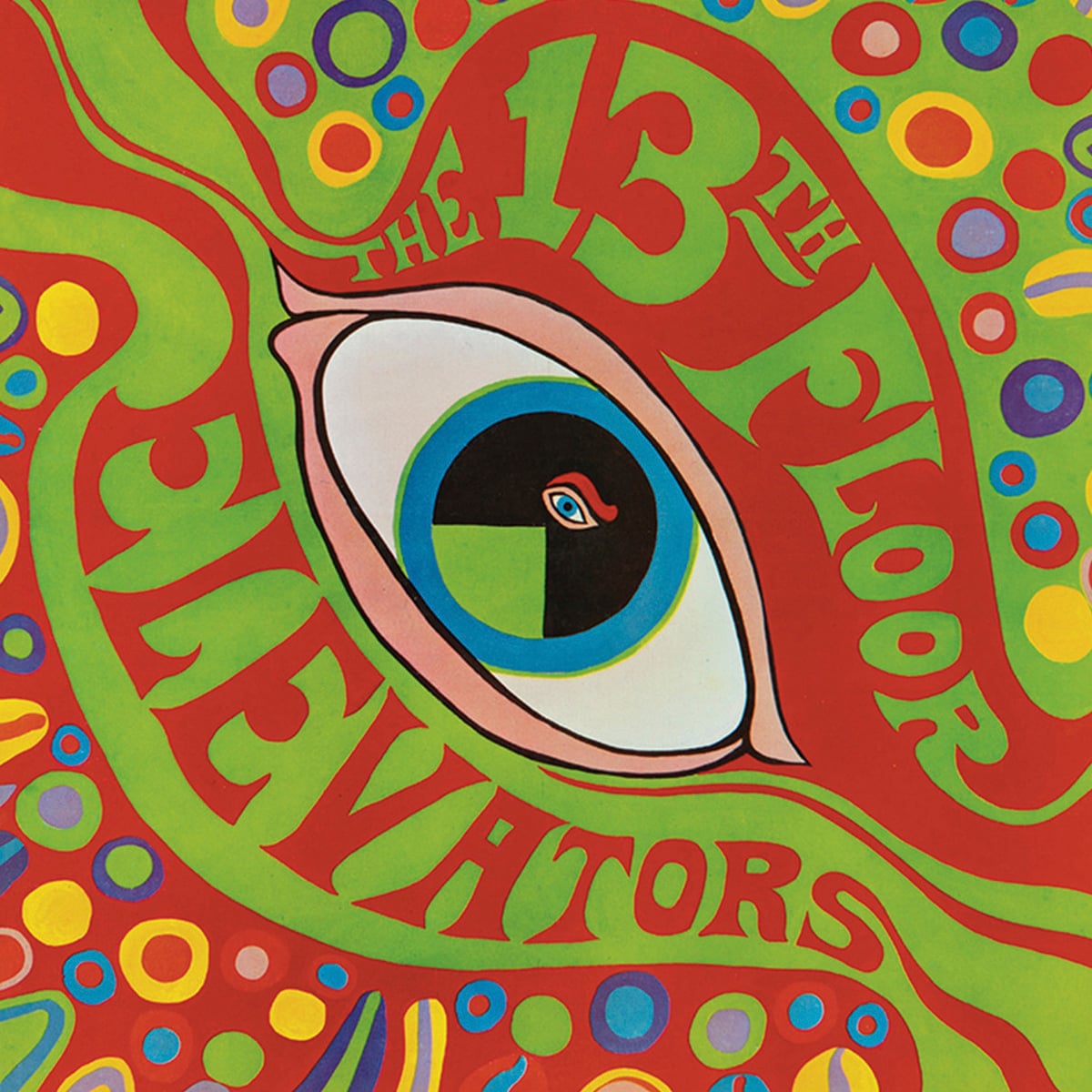
On the surface, the little-known band the 13th Floor Elevators are the unheralded pioneers of psychedelic rock following a bout of acid reflux.
In fact, the first known use of the term actually appeared on a business card they had printed in January 1966, and the group’s electric jug player, Tommy Hall, is credited with coining the phrase. That proves how important imagery and iconography were to their work.
While business cards might not be in keeping with the oeuvre of psychedelia, every other kaleidoscopic, slightly maddening, acid-soaked trope is already present in their Promethean debut. The swirling technicolour sleeve, complete with an eye and a pyramid within an eye, are a perfect encapsulation of the sort of cool-sounding bollocks that has made this record a sneaky little classic as the years roll by.
‘Is This It’ – The Strokes
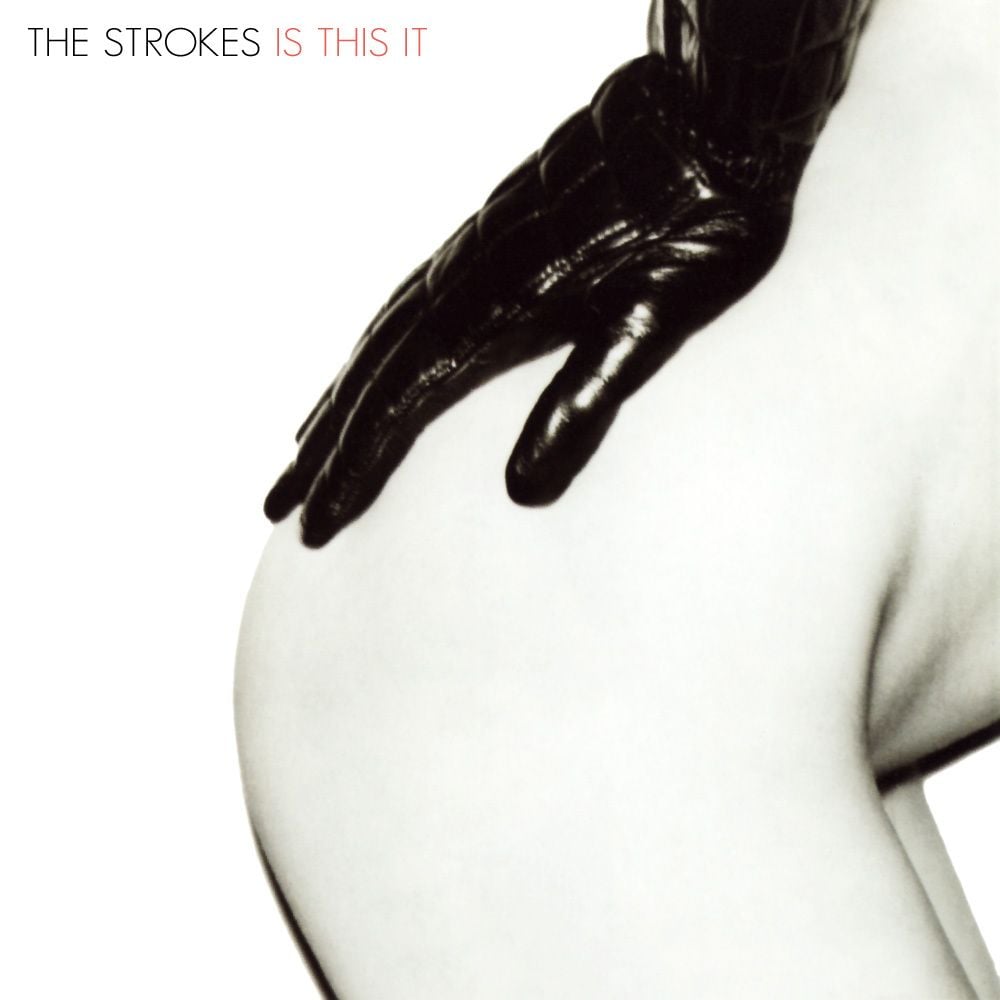
While the cover for Is This It doesn’t convey much in the way of aural equivalencies, it is so entirely inseparable from the contents that the second you hear the title, the sleek and sexy image of a gloved hand on what is actually a shoulder and an armpit (just kidding), springs to mind.
The iconographic image snapped by Colin Lane just somehow typifies the sentiment of ‘New York Cool’ writ large across The Strokes‘ debut (and that is only marginally impacted by the fact it was taken by someone called Colin).
Lane’s girlfriend had just emerged from the shower when he slovenly decided it might be about time that he embarked on his assignment. “We did about 10 shots. There was no real inspiration, I was just trying to take a sexy picture,” he would later remark. Somehow, that feels in keeping with a record that saved the old tenets of rock ‘n’ roll without really even trying.
‘Animals’ – Pink Floyd

The purplish sky swirls with the hues of a two-day-old bruise. The stark industrial scenery seems to comment on the brutalist modern age without even saying a word. The whimsy of a floating pig, and the distinct hint of a setting sun, casting a golden glow over more classical architecture, all seem to combine to capture the story of Pink Floyd in all their odd glory.
When Roger Waters sat down with the photographer Aubrey Powell and came up with the idea to send Algie, the inflatable pig, up above the London landmark Battersea Power Station, he thought it captured the Animal Farm-inspired album perfectly.
“I thought it had some good symbolic connections with Pink Floyd as it was at that point,” he told Rolling Stone. “One, I thought it was a power station, that’s pretty obvious. And two, that it had four legs. If you inverted it, it was like a table.”
‘F-A-∞’ – Godspeed You! Black Emperor
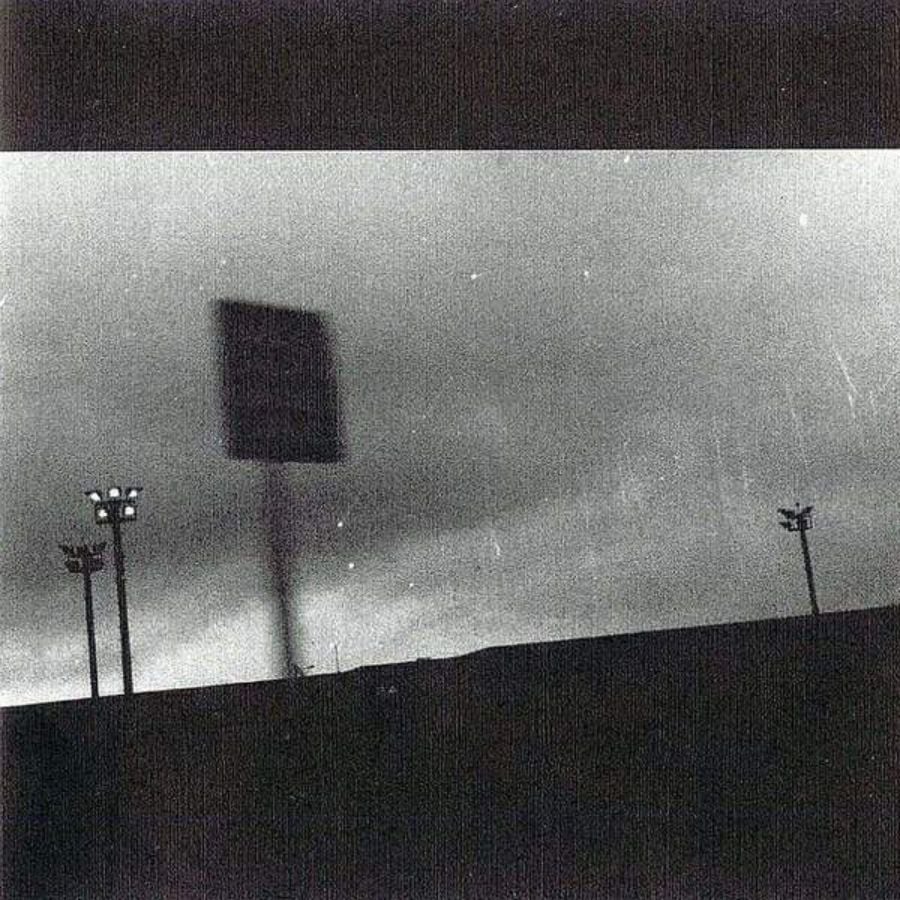
With an album as singular as F-A-∞, it is important to get everything right. They certainly nailed the opening line: “The car’s on fire and there’s no driver at the wheel, And the sewers are all muddied with a thousand lonely suicides…” From the evocative opening image to the gut-punch of the following thought, Godspeed You! Black Emperor nail a terrifying Cormac McCarthy-like feel with guttural intensity.
The record embarks on a dystopian ramble thereafter, with the burning car always writ large across the psyche as the grey end of civilisation sinks in. That is perfectly captured by the disturbed cover. Above all, much like the prose, the most chilling aspect is its distance. The sleeve doesn’t depict some petrified character, but rather surveys unfurling devastation like an idle bystander. It feels merely observed, and as a result, devoid of hope.
‘Whatever People Say I Am That’s What I’m Not’ – Arctic Monkeys
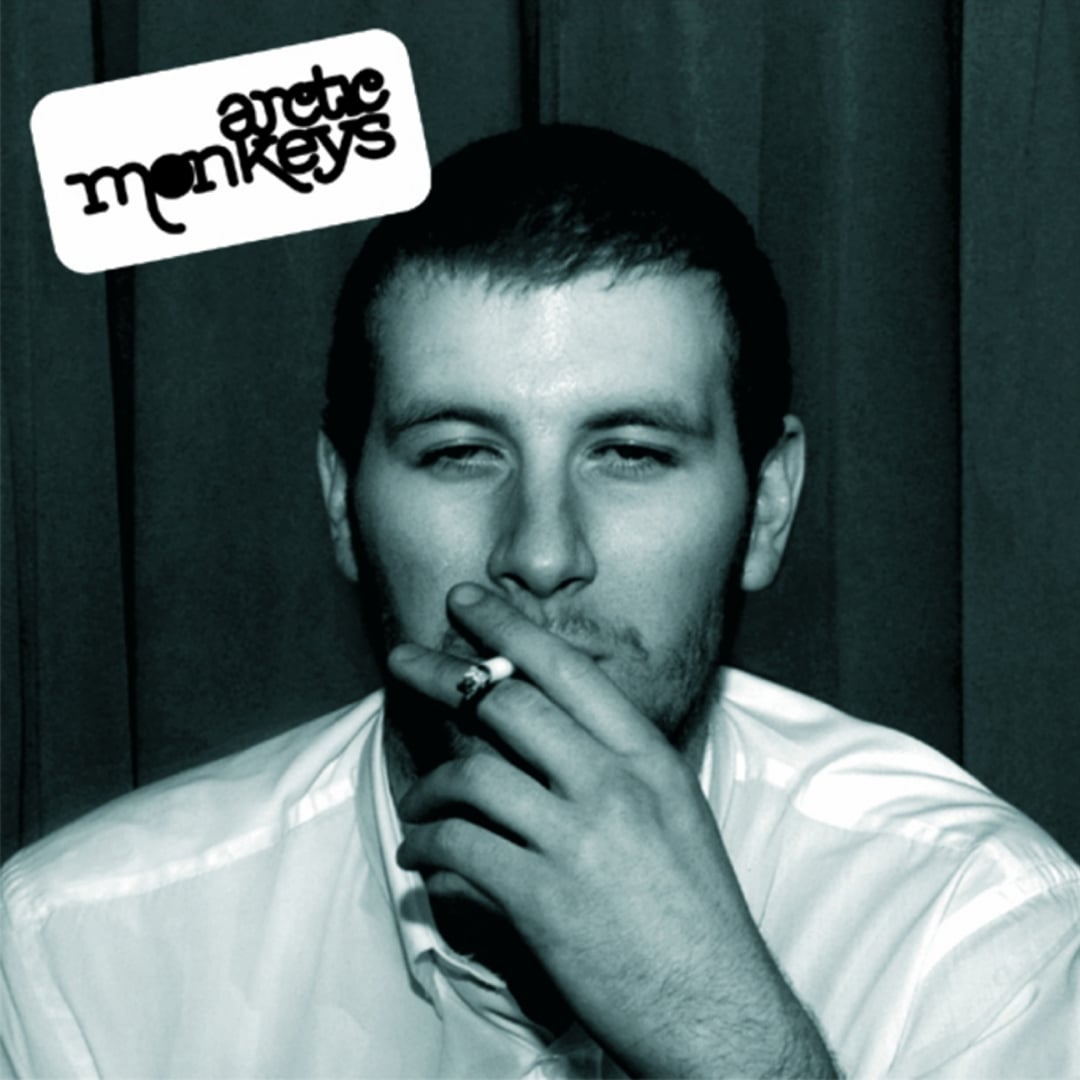
“I’m sure it was going to be called A Weekend With, originally,” says Chris McClure, the man on the cover of the Arctic Monkeys‘ debut album. ”And it was meant to [be] based around the notion of a weekend of this young guy and his view of the world.” Both the backstory behind the eventual shot and the music therein perfectly personify that drunk and disorderly conduct.
“They wanted some photographs from Friday evening, clocking off work, to Sunday night reflecting, McClure told Northern Chorus. The band gave him a few hundred quid to go on a bender with a photographer, and they ended up in Liverpool.
”While I were in Liverpool, the guy asked me if I would just pose with a cigarette for a portrait, but there were no mention of it being a cover.”
Yet, when the photo was taken, the sleeve really couldn’t be anything else. Like the album itself, it is both timeless and entirely 2006.

Never Miss A Tale
The Far Out Classic Rock Newsletter
All the latest Classic Rock content from the independent voice of culture.
Straight to your inbox.