


Five albums that prove 1979 was the greatest year for punk music

Musical trends have always moved quickly, but the amphetamine-fueled realm of punk rock seemed to go by in a particularly anarchic flash. It was 1976 when the scene first emerged from the seedy underbelly of places like New York and London, but by the time 1979 rolled around, it was said to be all over.
For many in the British punk realm, punk died in early 1978, on the day that Johnny Rotten decided to leave the Sex Pistols, thus leaving the architects of the nation’s punk revolution without their sneering leader. There were certainly signs that the original, grassroots nature of the scene had passed, with the likes of The Clash signing big deals with major labels, and opting for venues much grander than Covent Garden’s Roxy Club and the various bodily fluids covering its walls.
All of those signs point towards punk growing larger, morphing into its next evolution, rather than spelling its death. Punk, contrary to what John Lydon might have you believe, has never truly died, only developed. In fact, 1979 – a whole year after punk supposedly fell into the ether and lost its spirit – arguably produced more legendary punk records than any other year, typifying both the original spirit of the movement and the bold new directions it was heading in.
On both sides of the Atlantic Ocean, and much further afield, punk rock was thriving in 1979, regardless of whether it was being played to 1000 people or staying rooted in the small, sparsely populated rooms it had been born in years prior.
Here, we have collected five of the premier examples of this thriving punk realm, capturing a moment in time during which artists across the globe were imbued with the sense of cultural revolution that the punk scene was built upon.
Spanning the spectrum from those ever-present buzzsaw guitars and barre chords to far more experimental offerings, spelling the beginning of the enduring post-punk realm; if punk truly had died by the time 1979 came around, then some of the genre’s all-time greatest records were posthumous.
Five iconic punk albums from 1979:
Stiff Little Fingers – Inflammable Material

One of the most important releases in the punk canon, Inflammable Material was Stiff Little Fingers’ long-awaited debut, and it was far more rebellious, timely, and politically active than anything the Pistols had ever attempted.
Reflecting life during The Troubles, the Belfast outfit not only struck upon some of the most driving punk masterpieces of all time – ‘Suspect Device’ being the album’s arguable stand-out – but the album arrived with a content and context which broke down barriers in vital ways.
Even removing that vital context behind the album, the band’s songwriting on the album was so far ahead of their time, and you can hear its influence in everything from the pop punk of Green Day to the early days of future pop-rock powerhouse U2.
It was also released on the Rough Trade label, becoming the first independently-released LP to enter the top 20 in the UK, and ushering in an entire age of DIY bands, independent labels, and grassroots music. In terms of impact, then, it’s difficult to eclipse Inflammable Material.
The Slits – Cut
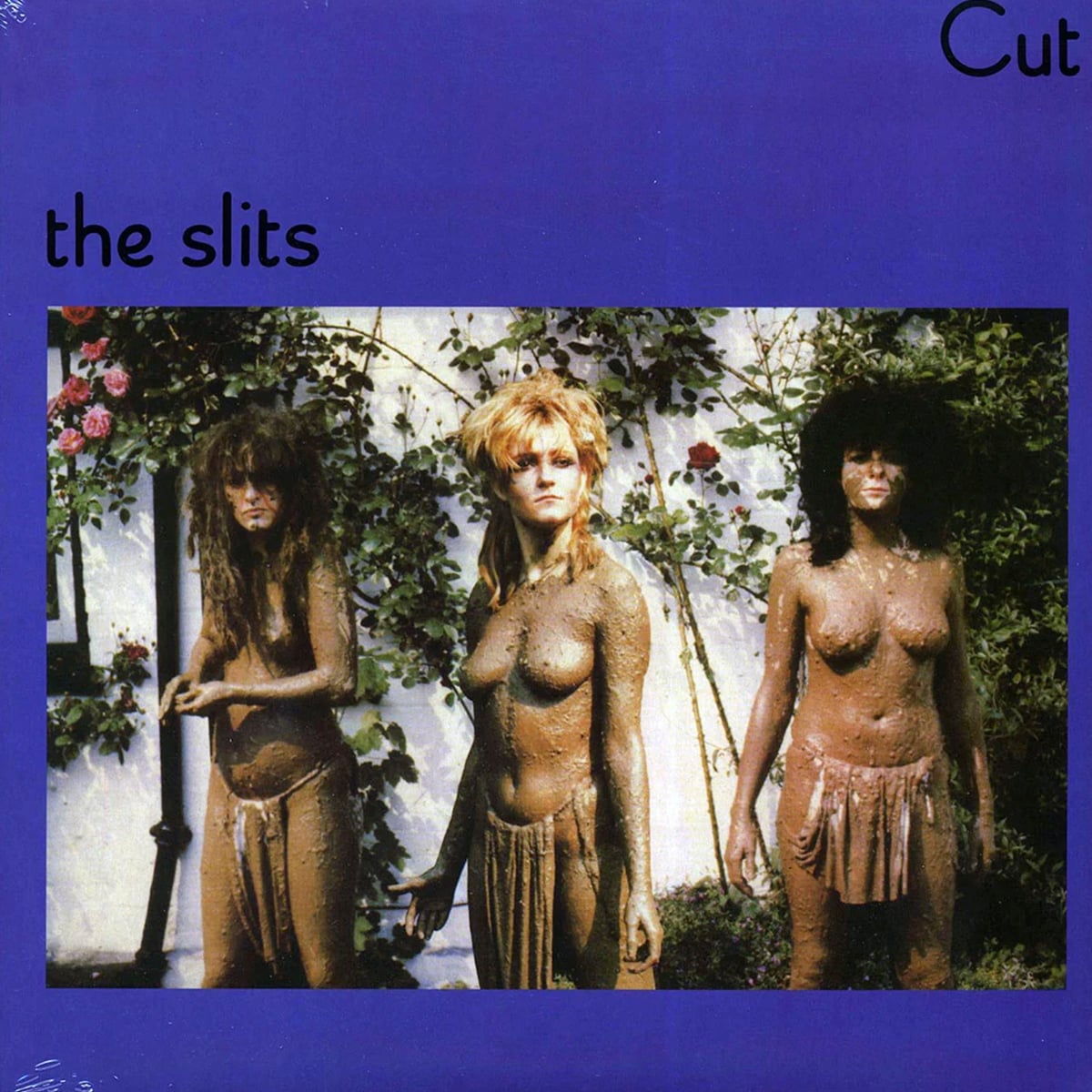
Having been around, in one form or another, since the 1976 dawn of London’s punk scene, rubbing shoulders with the Pistols and The Clash among various others, it wasn’t until 1979 that The Slits finally came to lay down their DIY revolution onto wax.
With Cut, released via Island Records in September 1979, the group laid the foundations for the sprawling post-punk scene that followed, typified by its rough-and-ready nature, extensive pool of influences, and the reggae-infused experimental production courtesy of Dennis Bovell.
Covering a plethora of artistic avenues, stretching from the band’s dub-fused take on the Motown classic ‘I Heard It Through The Grapevine’ to their searing assault on the heroin addiction that ravaged the punk scene, Cut is perhaps the most expansive record on this list. As well as flying the flag for the underrepresented women in the punk realm, Cut also bridged the gap between punk’s origins, and where it was headed beyond 1979.
Germs – (GI)
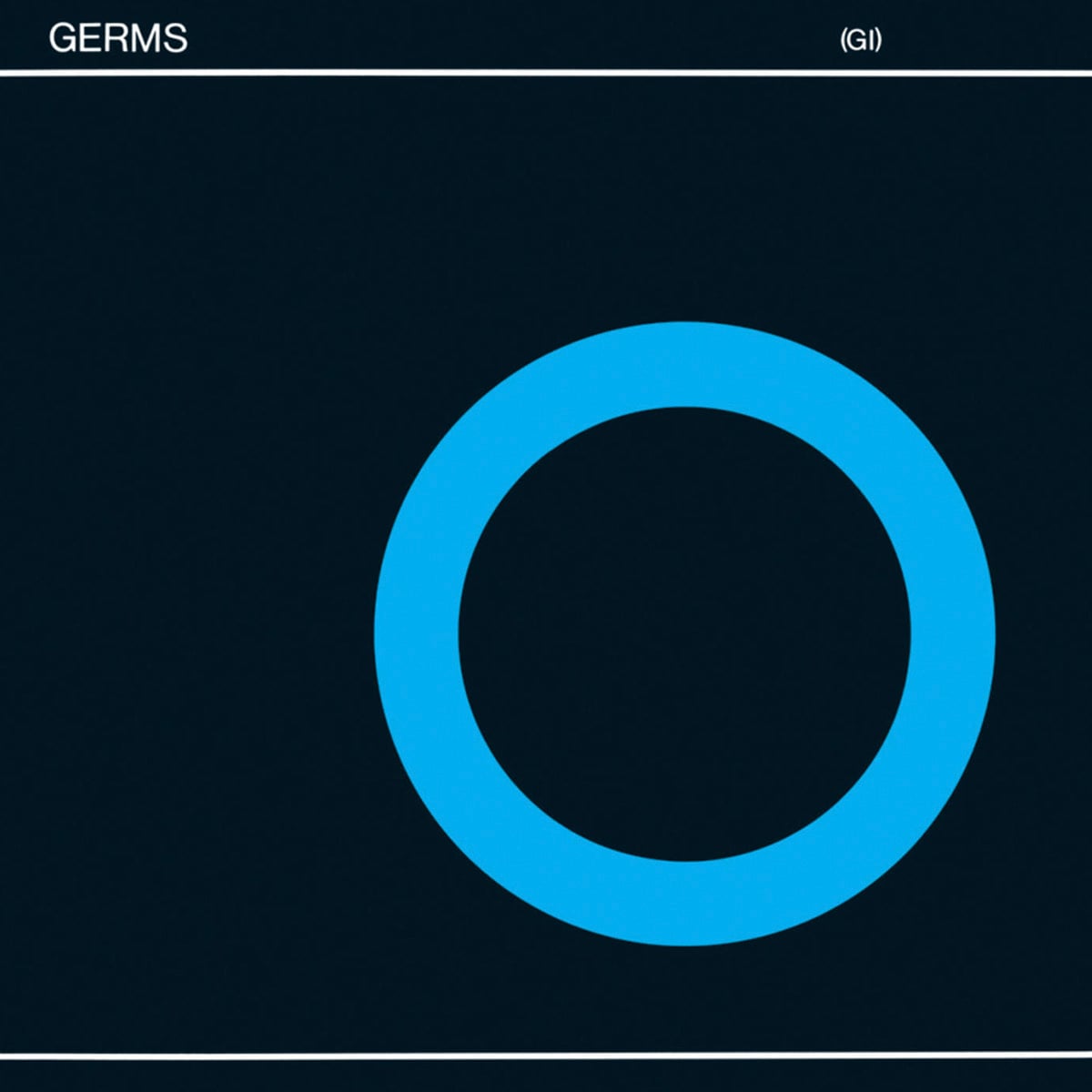
An essential moment in the history of American punk, particularly of the West Coast variety, the sole studio album by LA’s Germs pushed the US scene beyond its CBGBs origins, opening the floodgates for the hardcore boom of the early 1980s and playing faster, louder, and with far more vitriol than anybody that had come before.
With Joan Jett behind the production desk and Darby Crash’s endearingly scornful singing style cutting through the tracklisting, (GI) is a perfect encapsulation of what a great punk album should be: it arrives in an instant, assaults you with its core message, and then disappears in an instant.
Not only did that blitzkrieg tracklisting open the floodgates for hardcore, but it laid the sonic foundations of the enduring sub-genre too. Look at the albums that followed, by the likes of Reagan Youth, Minor Threat, or even Dead Kennedys, and it won’t take you long before you hear the lineage of (GI).
Gang of Four – Entertainment!
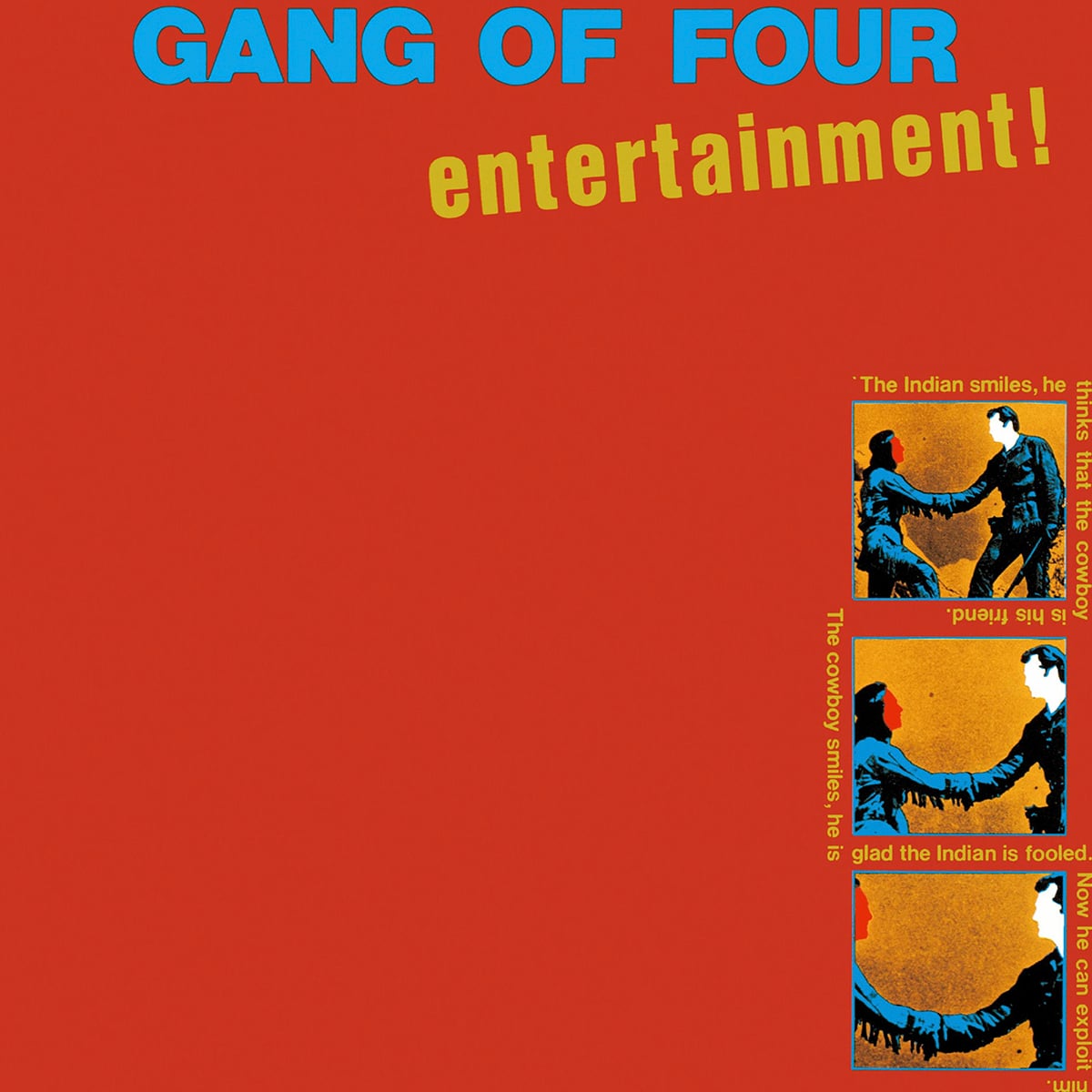
London might have been the epicentre of British punk, but its musical manifesto soon spread the length and breadth of the nation, finding itself moulded and morphed to the cultural identity of every provincial town and city across the land. Leeds, for instance, fostered a particularly experimental scene, typified by the sounds of The Mekons, The Delta 5, and perhaps the city’s greatest cultural contribution, Gang of Four.
With their 1979 debut, the group blended Andy Gill’s ear-melting guitar feedback of their earlier EPs with a far more polished, expansive sound, uniting punk with dub reggae, funk, and experimental rock among various other influences. The result is a record that is perhaps more familiar with the core spirit of punk’s rebellion than any of the albums that emerged from the London scene, as well as a record with the kind of experimental output that means it has barely aged a day since its release.
The Clash – London Calling
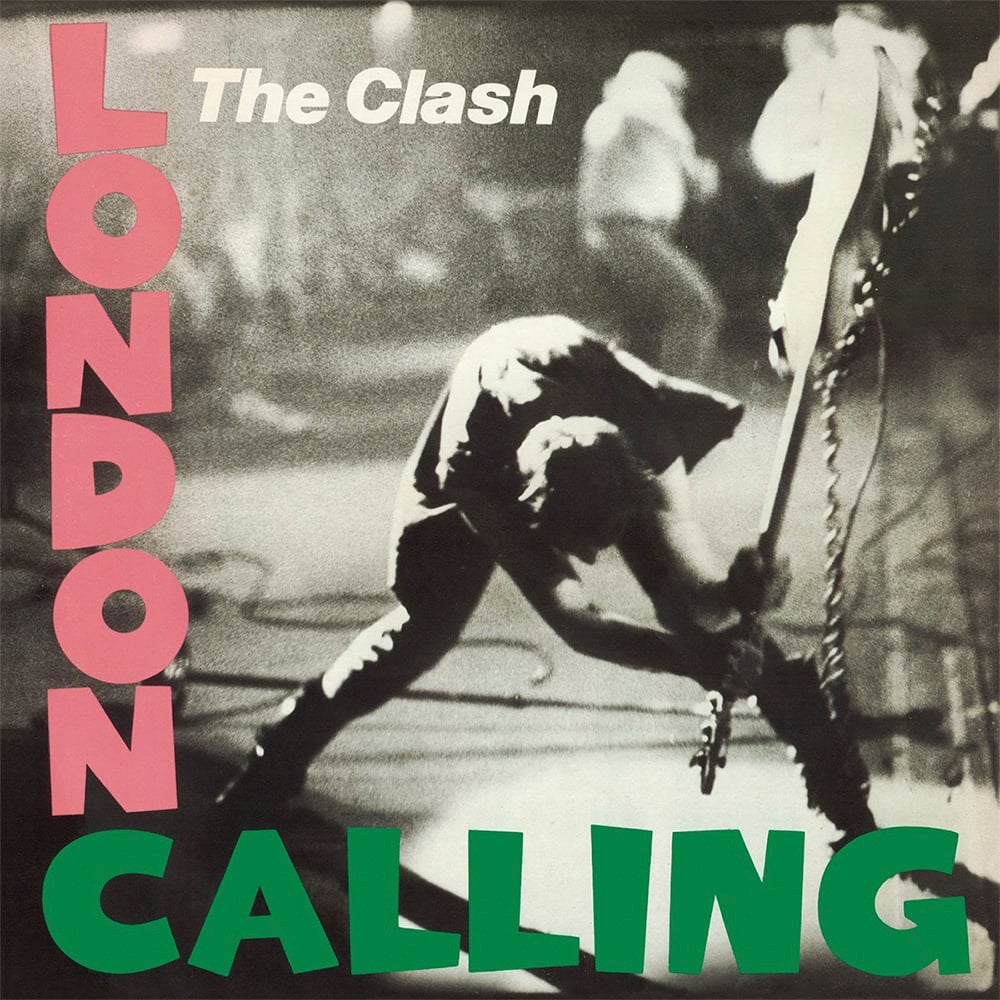
What else? Bolstering their reputation as ‘the only band that matters’, 1979 was the year that The Clash elevated themselves from the anti-authority punks of their debut years to a group with an endlessly expansive sound and a staunch message to boot. Not only is London Calling the greatest punk album of 1979, but it is one of the greatest records of all time.
With this record, Joe Strummer and the gang established themselves as so much more than the rag-tag bunch of spikey-haired youths that had first got together in 1976. It had a message and a degree of experimentation to it which would afford the band a far more extensive and enduring career than many of their early contemporaries. More than that, though, it represented the pinnacle of Strummer’s universal songwriting power.
When the band signed to CBS Records in 1977, they were quickly struck with the ‘sell out’ tag, but, disastrous record deal aside, it was albums like London Calling which affirmed that the group hadn’t lost any of its edge, nor the principles which made them one of the greatest punk bands to ever grace the airwaves.

Never Miss A Beat
The Far Out Punk Newsletter
All the latest Punk content from the independent voice of culture.
Straight to your inbox.