


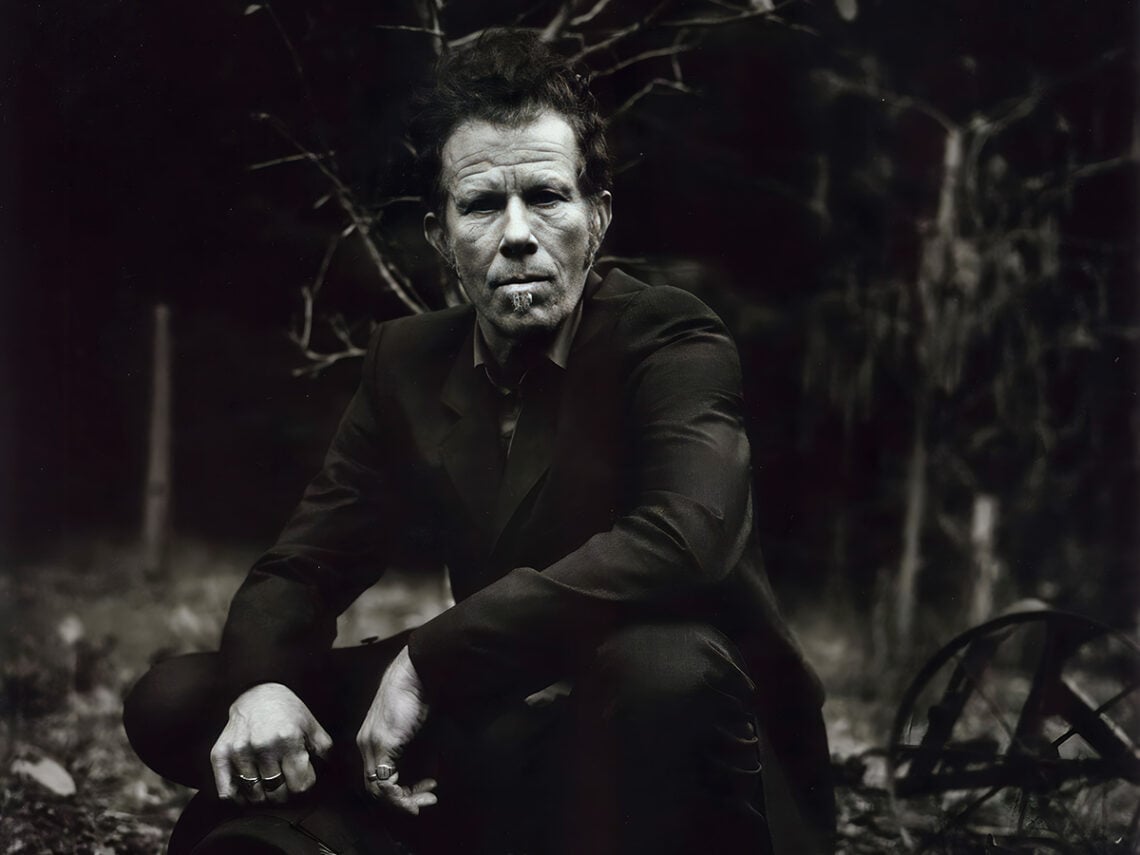
The first Tom Waits album he ever enjoyed: “Trying too hard”

Tom Waits is the very definition of an artist who has been there, seen it, done it, and got the T-shirt.
But in getting to that point in his career, it goes without saying that he has had to go through many guises, and he has worn many different hats to find out which one suits him the best. As it happened, that is multiple. Whether it is folk, opera, jazz, cabaret, funk or anything in between, Waits has never been a man who has stayed in one place for too long.
Yet by this very same token, that was a lesson that had to be learned as the musician shouldered some of the toughest moments in his career for a rather prolonged stretch of time. You could understand him perhaps moving away from the debut efforts of Closing Time in 1973 as time went on, but he instead felt this carried through for seven albums more.
Given that some artists don’t even manage to make that number of records throughout their entire career, it seemed an agonisingly long time for Waits to keep chipping away at the block he supposedly hated so much. Folk music was at first his form of expression, but then it became the vice that he thought he would never escape from.
That was what made the pivotal watershed moment, which finally arrived with his eighth album in 1983, so vitally important. In terms of the section of his discography he has reaped the most enjoyment from, Waits said it would be from “Swordfishtrombones, and forward from there”.
But what in particular made it such an emphatic turning of a new chapter? “That’s a line of demarcation for me,” Waits noted, before further explaining, “And that’s right around the time I got married, and my wife worked on that record with me.” It seemed as if the powers of romance changed his life in more ways than one.
However, it was exactly this – the presence of a new voice in his life – that revitalised Waits against the drudgery of his own music. There was a reason that Swordfishtrombones veered away from folk territory, wandering into the unfettered ground of abstract rock. It was the first time he had truly taken the reins as producer.

Yet as Waits freely admitted, it was his wife who encouraged him to take that plunge. “She’s the one who said, ‘You can produce your own records, you don’t need to go in with a staff and people telling you what to do’. That started what became more of a mom-and-pop outfit. Till then I felt like I was trying too hard,” he assessed.
There is no denying how fundamental that lesson has been to the rest of Waits’ career, from which point he has dipped his toe into most styles imaginable, and enjoyed where the adventure has taken him. If it wasn’t for the gentle nudge to get him to delve into his own world, there could have been countless more uninspiring folk albums lacking any sense of heart. Given everything he’d go on to be, that’s a tragic affair that doesn’t even bear thinking about.
