


What was the first modern music festival?

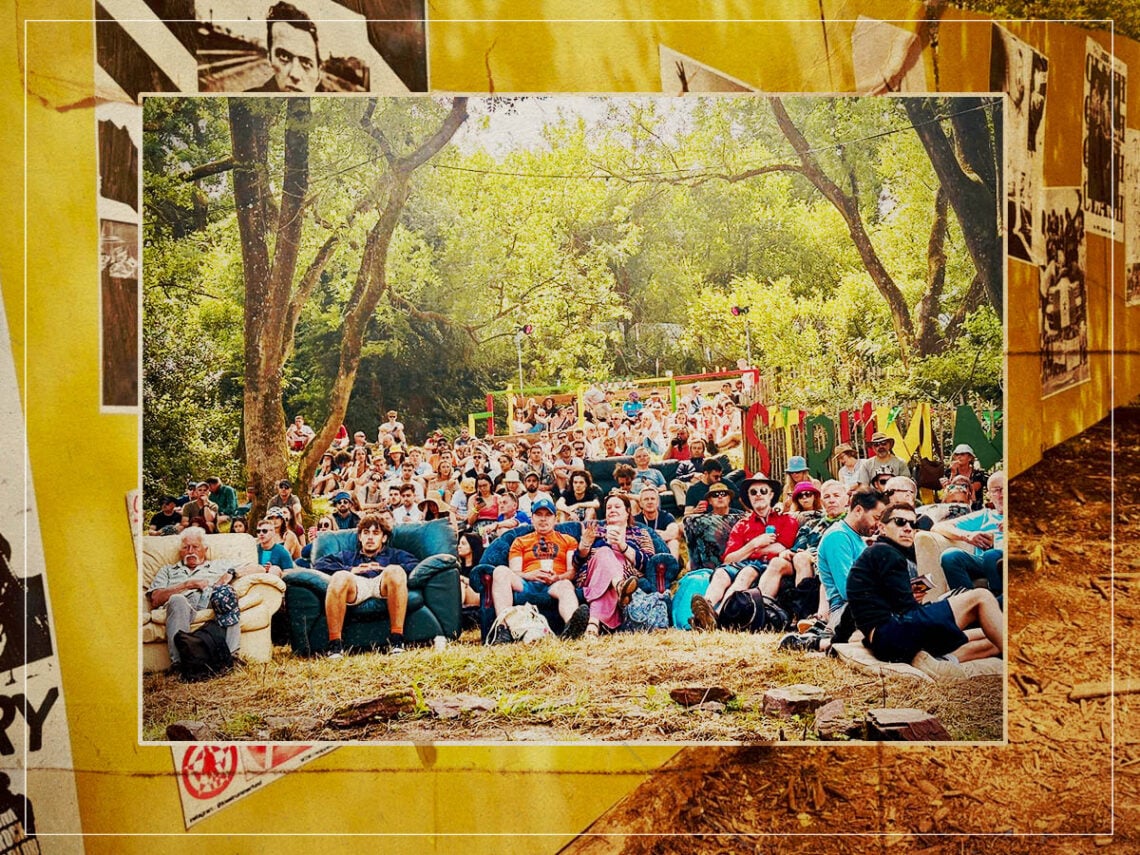
Since its launch in 2009, Glastonbury Music Festival’s deposit scheme has ushered a new panic-stricken ritual every preceding autumn, eager ravers and music fans racing to their laptops shortly before 9am and frantically bashing ‘refresh’ in the vain hope they’ll make it to See Tickets’ golden payment page. With an estimated 2.5 million scrabbling after little over 200,000 tickets, and this year’s sale snapped up in less than 30 minutes, the hedonistic allure of the festival is still as popular as ever.
The human need to abandon the banality of everyday life and lose yourself in a whirlwind of frivolity and hedonism is as old as time. Communal gatherings and the shared practice of making music go back thousands of years, with ancient civilisations like the Sumerians, Egyptians, and Greeks imbuing religious ceremonies with musical performances.
Ancient Greece is generally credited with the first organised festival. The Pythian Games took place in 582 BC as a creative version of the Olympics; artists and performers would descend upon the Delphic Shrine (its original location somewhere in Central Greece’s Phocis region) every four years and engage in bouts of poetry, speech, reading, and notably hymns and musical pieces in honour of Apollo, the god of arts.
As antiquity gave way to feudalism, the emerging class structures that compounded across Europe in the subsequent centuries saw music as inherently socially coded and exclusive to the upper strata. Gone was the universalism of the music festival, the emerging classical movement increasingly playing to those who could afford to attend. With the debate of today’s ticket prices against the cost of living, perhaps little has changed. From this evolving ‘high-art low-art’ dynamic came the travelling folk performers and musical bards singing tales to groups of people with populist appeal, be it murder ballads, protest songs, sea shanties, or even early Christmas carols played in working-class pubs or market squares.
The First World War’s social upheaval helped dismantle the class exclusivity of the mass musical gathering. Jazz and folk became ever more popular in America, and entire scenes formed underground in dive bars or dance halls. Jazz cemented itself as the dominant genre by the end of Prohibition.
The seeds of the modern festival began in 1954 with the Newport Jazz Festival. Founded by Louis and Elaine Lorillard and conceived during the Second World War, the festival brought over 11,000 attendees to the Rhode Island music community and helped launch the even more notable Newport Folk Festival. Both are still popular and could arguably enjoy the title of the first modern music festival.
Modern-day rock and pop festivals, however, are indebted to the template set by the 1967 Monterey International Pop Festival. Before Woodstock and the Isle of Wight Festival, Janis Joplin, The Who, and The Jimi Hendrix Experience all played the Californian ‘happening’, with Hendrix memorably setting his guitar on fire at the event. Monterey set a trend for subsequent festivals, with the Miami Pop Festival, Woodstock, and the infamous Altamont all following before the decade was out.
The Festival business made its way to the UK soon enough. The 1970 Bath Festival of Blues and Progressive Music, held in Somerset’s Royal Bath and West Showground, boasted an impressive line-up: Led Zeppelin, Pink Floyd, and Frank Zappa all playing to vast crowds in the English southwest before a certain contemporary festival in Pilton fancied itself in the festival world. Among the crowd was a young Michael Eavis, the Worthy Farm dairy farmer who dreamed up the Glastonbury monster we know today.
As cultures shift and emerging technologies play a role, coupled with the discourse around sustainability and financial accessibility, the music festival will have to adapt accordingly if it’s to endure. Whether Glastonbury Festival is around another 50 years or not, nothing will stop people from desiring the simple call of communal artistic celebration, as those Greeks did many thousands of years ago.
