


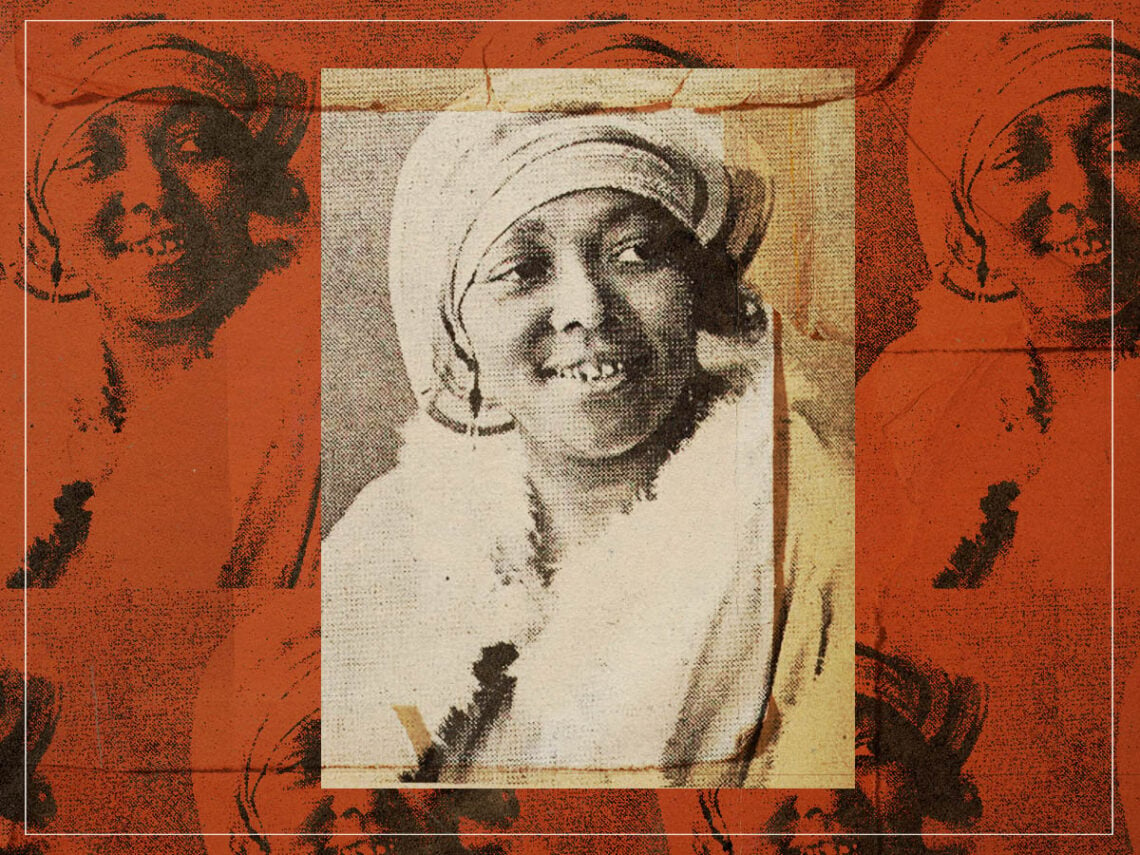
‘Shave ‘Em Dry’: The first rebellious act of complete vulgarity in music history?

Music and vulgarity have long been intertwined. From The Velvet Underground exploring themes of sado-masochism to the explicit lyrics of ‘WAP’, artists have always pushed back against societal norms, making it inevitable that the two would become inseparable. While it’s often thought that sexual themes only began to surface explicitly with the rock ‘n’ roll insurgency of the 1950s or the cultural revolution of the 1960s, these themes had actually been present for much longer, with the blues leading the charge. Tracks like ‘Shave ‘Em Dry’ signalled early on that the winds of change in music could not be stifled.
The smoke-filled blues clubs of the 1920s would see various artists discuss thinly veiled sexual matters in song. Ma Rainey, one of the genre’s three female pioneers, was known for vocally exploring the experience of being a Black woman in America at the time and using transgressive characters that slept around for revenge, drank and generally spat in the face of supposed respectability. So, openly discussing sexual adventures was only known in men’s music before she burst on the scene, positioning her as a cultural innovator in every sense.
While Rainey was undoubtedly far ahead of her time with her filthy messaging, it was one of the other big three, Lucille Bogan, whose unexpurgated alternate version of ‘Shave ‘Em Dry’ that Rainey had first recorded that can be deemed as music’s first truly vulgar moment. Rainey had first recorded the older dirty blues song in 1924, which was released with lyrics that scarcely hinted at sexual matters save for the use of the phrase, with it a synonym for hard, loveless intercourse. Yet, Bogan’s alternate take, which was not released until 1991, is wildly lewd given the time it was recorded.
In the 1930s, Bogan’s work had become increasingly sexual, which led to her gaining notoriety. So in 1933, when she returned to New York—where she had first recorded vaudeville songs for Okeh Records a decade prior—she began operating under the pseudonym Bessie Jackson. She did so to conceal her true identity and keep her career going.
Remarkably, she recorded over 100 songs between 1933 and 1935, but by far the most significant is the alternate take of ‘Shame ‘Em Dry’, with its lyrics still pretty on the nose today. Recorded with musical partner Walter Roland on piano and Josh White on guitar, the version that was released in July 1935 is a slightly more ribald version than Rainey’s, featuring lines such as “‘Cause I’m gonna get drunk and do my dirty talk / The monkey and the baboon playin’ in the grass”.
However, it wasn’t until the release of the compilation Raunchy Business: Hot Nuts & Lollypops in 1991 that the world fully grasped just how rebellious Lucille Bogan had been. It became clear that there was no way the label could have released her original version at the time of recording, and the 1935 release was, in fact, a much more sanitised take. The alternate version, which surfaced later, is a fully explicit track featuring the lyrics actually performed for the late-night adult club audiences of the era. Bogan can even be heard laughing at the lyrics towards the end, raising questions about whether she knew them before recording. Regardless, it was far ahead of its time.
Simply put, if the song were released today, conservative critics would likely have a meltdown similar to the outrage sparked by ‘WAP’, as they struggled to comprehend the idea of Black women being independent and sexually liberated. The opening lines alone are provocative: “I got nipples on my titties / Big as the end of my thumb / I got somethin between my legs / That’ll make a dead man come”.
That really is only the beginning, though, and the song gets increasingly dirty as it moves towards its very vociferous climax. The following section is hilariously profane: “I would fuck you baby, honey I would make you cry / Now your nuts hang down like a damn bell clapper / And your dick stands up like a steeple / your goddamn asshole stands open likea church door / and the crabs walks in like people”.
The final verse then opens with: “A big sow gets fat from eatin’ corn / And a pig gets fat from suckin’ / Reason you see this whore, fat like I am / Great God I got fat from fuckin’!”
Next time you’re listening to ‘Tutti Frutti’, ‘Venus in Furs’, ‘The Bad Touch’ or ‘WAP’, maybe remember that it was the defiant Lucille Bogan who took the first bold steps to put undiluted profanity in music and record the transgression that happened across the world at night, which all adults knew was there, and took part in, but were too scared to address. This was the first sign that a cultural, sexual and musical revolution was on the way. It might have been three decades away, but Bogan firmly planted the flag in the ground. You might even call it the first punk recording.
