


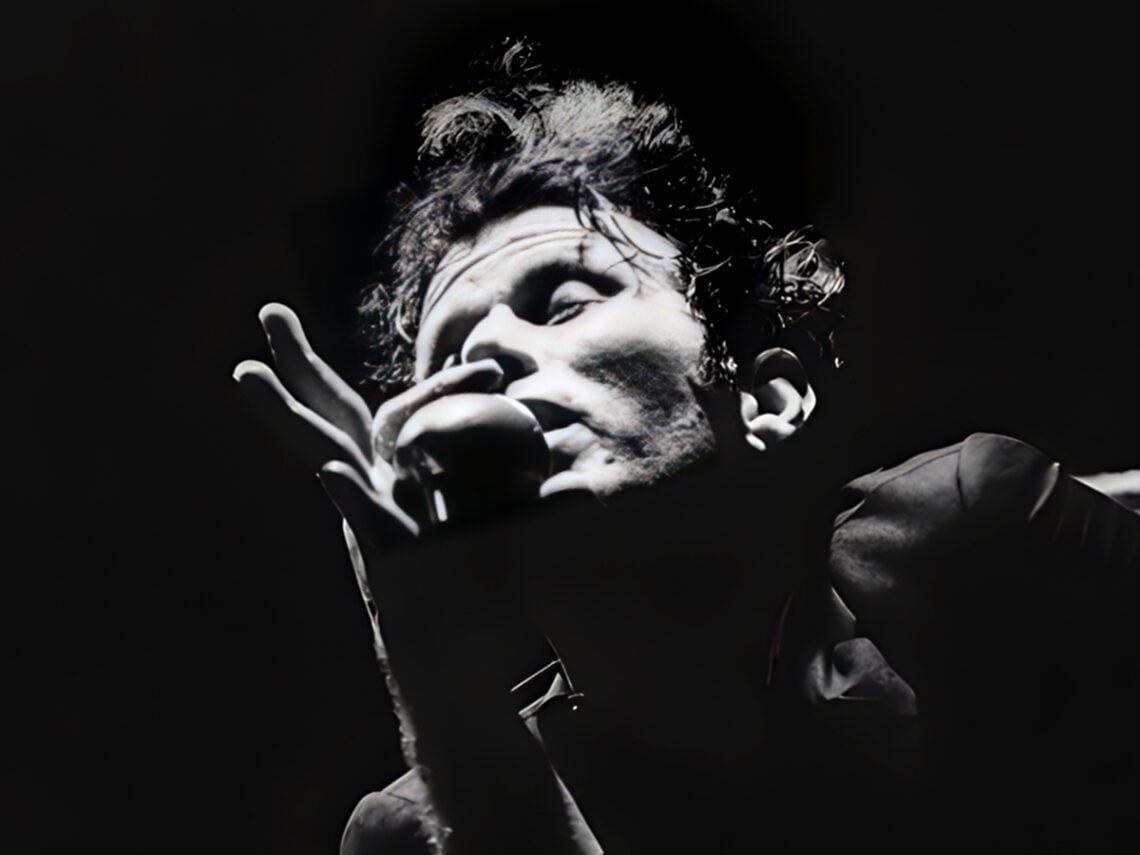
“Really hard time”: the failed gigs Tom Waits said he needed to play

When any artist is starting out, they’re going to have to play some pretty unappealing shows just to get the experience under their belt, and despite having gone on to have an illustrious career, Tom Waits is certainly no different.
You can picture the exact environment where some of his early shows ought to have taken place, situated in smoky dive bars, playing only to a small handful of people who are remotely interested as he serenades them with his mournful jazz-blues ballads. His 1973 debut album, Closing Time, is the sort of record made for this exact environment, and while he rapidly found himself outgrowing this sort of environment, that doesn’t mean his music was becoming less suited to it.
Maybe his work was a little too out there for a place where people are more interested in brawling over the pool table than hearing a gravelly-voiced crooner, but there was something special about Waits as a performer which brought him to the attention of a wider audience. Eventually, he was finding himself getting considerably larger offers, but still had to pay his dues performing in less-than-ideal environments.
However, when he made the step up to playing in larger venues, one of his first opportunities came via supporting an artist who was maybe too strange for him, which is saying something considering the somewhat avant-garde approach that Waits was known for having employed in his style.
By 1973, Frank Zappa was already a massive name with a cultish following, and attracted many fans to his shows across the States, but these fans knew exactly what they wanted to hear when going to one of his concerts.
That wasn’t Tom Waits, and they made their dislike for him very apparent when he joined Zappa on a tour of the US as a means of promoting his debut album. While Waits would undoubtedly have relished the opportunity to play in front of larger crowds, he always knew that the Zappa fans in the audience were going to give him a hard time, and during a 2004 interview with Mojo, he reflected upon the experience, noting that it ended up being far from ideal.
“My manager worked with Zappa, so I went on the road and opened for Frank Zappa for a couple years,” he explained, before calling the experience a “really hard time”.
He continued: “[It was] very disturbing, with 3,500 people united together chanting ‘you suck’, full-volume, in a hockey arena. But I think I wanted some resistance. So that I would really be genuinely committed to what I wanted to do, I didn’t want it to be too easy. It wasn’t.”
Perhaps an experience like this is what made him the artist that he is today, even more fearless than when he started out, and if you can take criticism from some of the most hostile and discerning fanbases, then you’re likely to go a long way in the business.
It was far from being the most positive and affirming experience of his early career, but one that had he not done as a means of knowing how to handle criticism and hostility, he probably would have struggled later on in knowing how to approach this sudden change of environment.
