


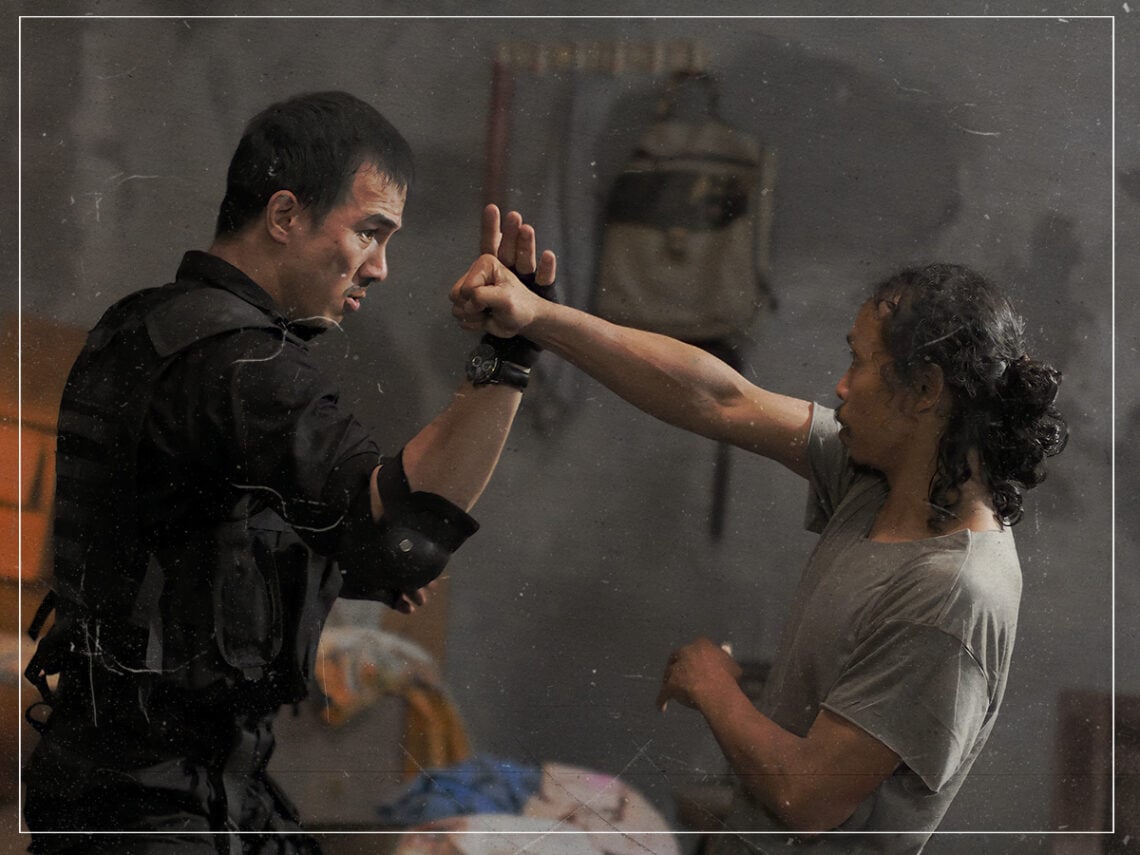
Exploring the hard-hitting action cinema of Indonesia

There are few countries in the world where the cinematic offerings are as hard-hitting and adrenaline-pumping as Indonesia. Based heavily on the martial art of silat with smatterings of the gun thrillers of contemporary film, the action movies of Indonesia embody the Southeast Asian country’s culture while delivering narrative depth alongside fast-fighting fury.
With silat providing the background to many of the best Indonesian action movies, there is a raw intensity and authenticity on offer as depicted by masters of the martial arts, Iko Uwais, Yayan Ruhian and Cecep Arif Rahman. Such actors have woven themselves into the fabric of Asian cinema, and their masterful acrobatic manoeuvres that blur the distinction between combat and dance have set a new standard for action on screen.
Indonesian action cinema is not merely about punching, jumping and kicking, though, for the films are often imbued with themes of honour, justice and redemption, motifs that are crucial to the culture of the country itself. Some films opt for an examination of traditional folklore while others transpose such ideas to contemporary settings, but regardless, most of the action movies of Indonesia seem to have at least some element of social struggle in the background.
There’s an emotional depth to the films, too, with many characters often being driven by personal quests for justice or longstanding vendettas, like in The Raid 2 or The Night Comes for Us. More importantly, perhaps, is the fact that the cultural heritage of Indonesia is given full attention, whereby themes of corruption and inequality are often toyed with and examined, adding welcome layers of social commentary alongside the high-octane action.
As far as key players and works of the Indonesian action cinema genre go, it’s hard to look beyond the impact that Gareth Evans has made. Known for the 2011 film The Raid and its 2014 sequel, perhaps two of the best-known movies of their kind, it’s the work of Evans that largely propelled the action movies of Indonesia onto the world stage. With some of the best action sequences of all time and a narrative in which a police officer must right his way into an apartment block in the slums of Jakarta with his squadmates, The Raid is a true white-knuckle masterwork.
Evans worked with the legendary Iko Uwais on The Raid, having already collaborated with him on 2009’s Merantau, which serves as something of a precursor, only the former film focuses on a young man who undergoes a rite of passage in leaving his hometown to gain new experience, which proves a careful respect for the culture and heritage of Indonesia. Young Yuda leaves his matriarchal Minangkabau village for Jakarta, where he hopes to learn silat, only to become embroiled in the misdeeds of a human trafficking ring.
Elsewhere, it’s hard to look beyond the work of Timo Tjahanto and Kimo Stamboel (known collectively as the Mo brothers), who co-directed the 2016 film Headshot, also starring Iko Uwais. Focusing on an amnesiac man with unbelievable fighting skills who must come to terms with his violent and forgotten past, Headshot ramped up the action whilst also examining the psychology of its protagonist with impressive intensity.
Tjahjanto also directed 2018’s The Night Comes for Us, which was admittedly criticised for its excessive violence. This was a no-holds-barred action film with relentless sequences, and some of the most intricate choreography modern cinema had ever seen. With a truly uncompromising approach, The Night Comes for Us tells of a former Triad enforcer tasked with rescuing a young girl from his former employers, who send out a young prospect to deal with him.
Such films have earned international acclaim, and Indonesian action cinema has enjoyed a global audience. Most importantly, though, is that these kinds of movies stay true to the heritage and culture from which they originate. With a focus on honour and loyalty and the primary use of silat, films like The Raid and Headshot are understood by Indonesian audiences, who find personal resonance in them and also reveal insights into the country’s history and culture to viewers from across the world.
Stories from Indonesia’s history and mythology often find their way into modern action films in terms of their inspiration, so filmmakers are able to pay homage to the warriors and battles of the past. Furthermore, there’s a contemporary respect, too, in the way that such films confront the societal issues of Indonesia head-on, such as governmental corruption, widespread criminal enterprise and economic disparity, prompting introspective thought as well as heart-racing action.
The characters of Evans, the Mo brothers, et al. also often embody traditional Indonesian personality traits, so action movies from the country are perceived as a form of cultural celebration and national pride. By putting Indonesians on the world stage, such filmmakers are helping to foster a unique sense of patriotism within Indonesian citizens, who are thus perceived in new lights by those abroad.
So, while it might seem that action movies are mere entertainment, those coming out of Indonesia manage to disseminate culture, social commentary and genuine artistry at the same time. There’s undoubtedly a relentless energy throughout the works, with punches and kicks coming in left, right and centre, but there’s a deep cultural impression being made in the process. An impression that leaves you bruised, battered and dying for more.
