


Eve Babitz’s favourite books of all time: “How could anyone not read?”

Eve Babitz, the “hedonist with a notebook”, had immaculate taste. In her native Los Angeles, a city which the writer and artist vehemently defended to anyone who would listen, taste superceded all else and, before anyone else, Babitz’s pen rested on the pulse of greatness.
Too often in remembrances of Babitz, who passed in 2021 at the age of 78, her artistry is a passing mention in favour of who she was associated with. Certainly, she aligned with the most prominent writers, actors, artists, musicians and multihyphenate creatives of 1970s bohemia, all of whom made for fascinating studies in her writing. But often forgotten was Babitz’s influence, wielded in her singular tone and her position as a cultural tastemaker, that made her the most intriguing study of all.
She descended from greatness, destined for an art-fueled life. Her father, Sol Babitz, was a classical violinist for 20th Century Fox, and chose composer Igor Stravinsky as her godfather. Her ear for music defined from birth, Babitz would absorb art as though it were a life-force, critical and adoring of everything from visual art to film and, of course, literature.
Babitz never liked to call herself a writer, preferring the term “artist”, but it would be her written voice that brought her to full-fledged prominence. She was 30 when her first book, Eve’s Hollywood, hit bookshelves in 1974; prior, she floated through life with odd jobs that fueled her artistic spirit. She would go on to publish five more books, essay collections and magazine articles, all written in her dazzling style.
Throughout her life, Babitz wrote outside of the confines of journalism or literary standards, instead using her natural storytelling knack to dually fashion stories that closely aligned with her unbelievable life and chronicle the bizarre, fabulous nature of it, so as not to forget a single indulgence while conjuring new ones. Naturally, her writing was influenced by those she deemed worthy of praise in her insatiable reading habits. When asked by Girls At Library why she reads, Babitz countered, “How could anyone not read? That’s one of life’s greatest pleasures, and I usually have two books going at once.”
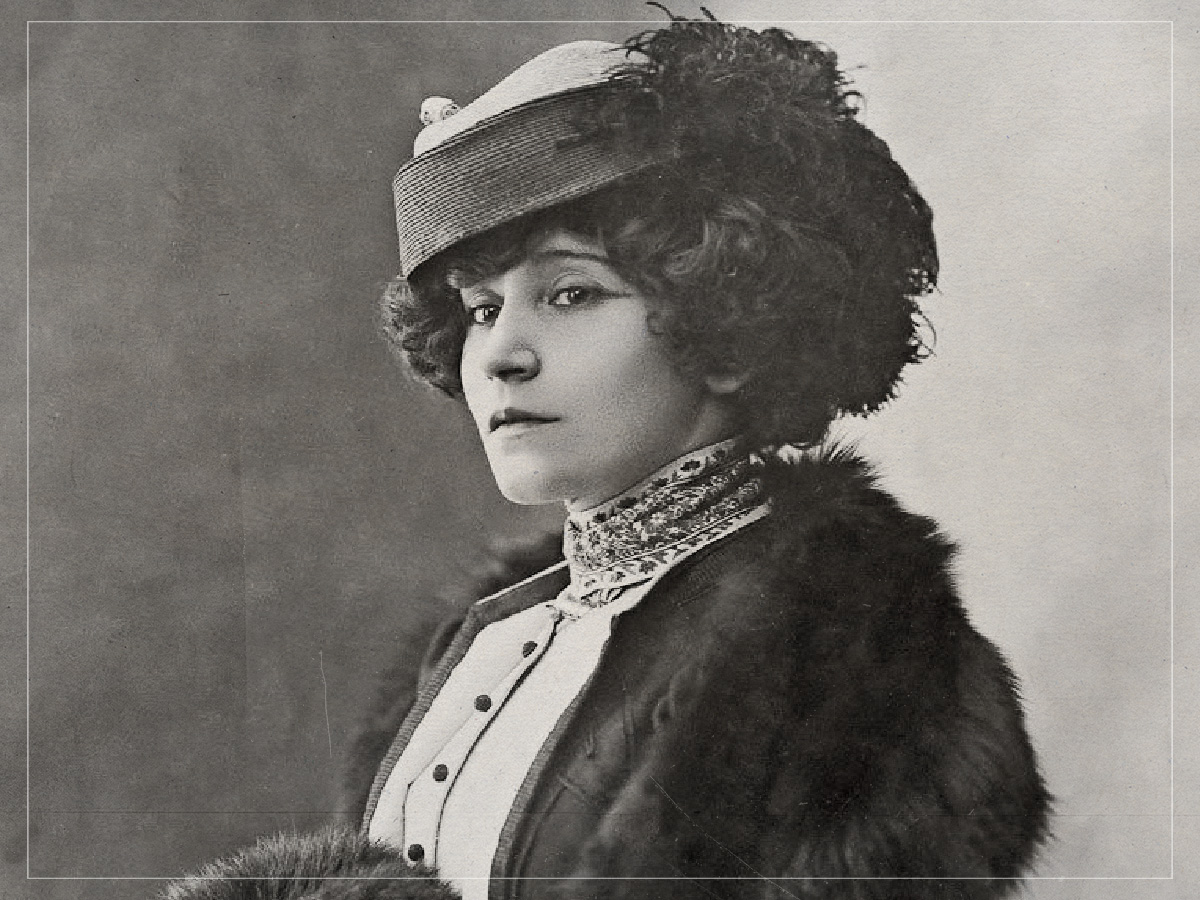
“I read for every reason under the sun,” she expands, “enjoyment, knowledge, escape, comfort… to go someplace and enter another person’s world.” Faced with the affliction of choosing a favourite book, Babitz takes the liberty of a loophole. “Colette’s books,” she responds, in reference to the mononymous French writer and letterist. Her most well-known work is Gigi, her 1944 novella that spawned the eponymous film and stage productions.
Colette’s work often dissected the trials and tribulations of her young female characters, weaving stories of sex, queer desire, marriage and feminism. Not too dissimilar to Babitz, she lived a life of pleasure-seeking against the 20th century’s standards of femininity and sexuality. It is easy to see where Babitz would be enchanted by Colette’s brazen voice, channelling it into her own works of autobiographical fiction.
Babitz also names Joseph Heller’s Catch-22 as a favourite, stating, “I can never describe why a book is a favourite. It’s just a feeling I get when I read it.” Heller’s 1961 work of satire follows Captain John Yossarian, a US Air Force bombardier. The result is an anti-establishment commentary on the negative effects of war, as Yossarian and his cohorts struggle to retain their normalcy and thus return to their homes.
In a now-infamous letter, written in 1963, Babitz wrote to Heller, seeking a publisher for a novel that she had conceptualised, but remained unseen by the public. “I am a stacked 18-year-old blonde on Sunset Boulevard,” she proclaimed. “I am also a writer.” Clearly, Babitz saw a semblance of Heller’s spirit in her own, entrusting him with one of her earliest works.
Babitz’s contrasting choices can be said to reflect her love for immersive stories, outside of a genre. Always seeking a thrill, her literary preferences showed her eye for the subversive, a quality that persists in her work.
