


Transnistria: Europe’s small Soviet enclave that doesn’t exist

The minibus was cold, and you could see every breath dancing in the air before your eyes, every glug of vodka burned your throat, but the warmth was welcome, and each pothole threw that precious clear liquid from the bottle, with the Moldovan tarmac more like a Soviet dodgem ride than a functioning road.
We’d left the freezing, grey tower blocks of Chisinau behind: from brutalism to baron, the scenery was devoid of life, with occasional greying trees peppering sparse, muddy fields, and sometimes we saw what looked like homes in the distance when the minibus screeched to a halt.
A soldier climbed on board and punctured the silence by pointing at us, the only non-locals, and ordering us off, such that we stood in the cold Eastern European winter trying to not look at their guns, while our passes were taken and studied. Nervous glances were exchanged between us, which were eventually replaced by relief, as our passports and a newly added visa, that looked more like Monopoly money, were handed to us.
We were in! We’d left one of Europe’s least visited countries, Moldova, and entered Transnistria, the Soviet enclave that teeters between its neighbours, a state that doesn’t exist, even if the guns felt very real. Neither maps nor the United Nations will agree, but the Pridnestrovian Moldavian Republic, otherwise known as Transnistria, maintain that they’re a country, with their own army, and their flag raised high above many of the government buildings in the capital of Tiraspol. They even have their own currency, the Transnistrian ruble, and with that name, you can imagine which larger European nation they align closely with.
The region has a long history of absorption and separation from other states, in particular Romania, which ultimately led to its current status as an isolated, self-proclaimed country in its own right. With the Soviet Union in disarray in 1990, those in Moldova’s capital of Chisinau wanted to be independent and forge closer relations with Romania, which solidified with the Moldovan Parliament moving to the Romanian language that led to those in the east, which was largely Russian speakers, due to the area being an important agricultural region for the USSR, declaring independence from Transnistria, and wanting to stay in the Soviet Union.
When the Soviet Union fell apart and Moldova declared independence, it was refuted by Transnistria, who didn’t recognise it, thereby leading to a war that saw 1,000 people killed, before Russia brokered a ceasefire in 1992. That ceasefire hasn’t ever ended, and Russian peacekeeping troops now live there; they have their own government but aren’t recognised by anyone, not even Vladimir Putin’s Russia.
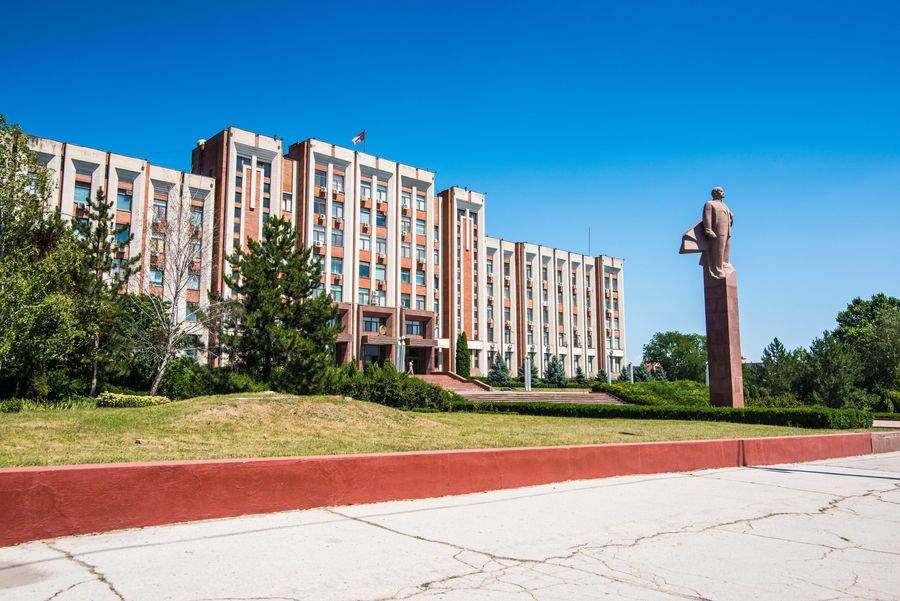
That’s led to Transnistria, and in particular, its capital, Tiraspol, being frozen in time. They have some of the trappings of modern life, such as internet access and even a football team, Sheriff Tiraspol, who are Champions League regulars, but amongst that, there’s a level of Soviet nostalgia that not even Russia can match.
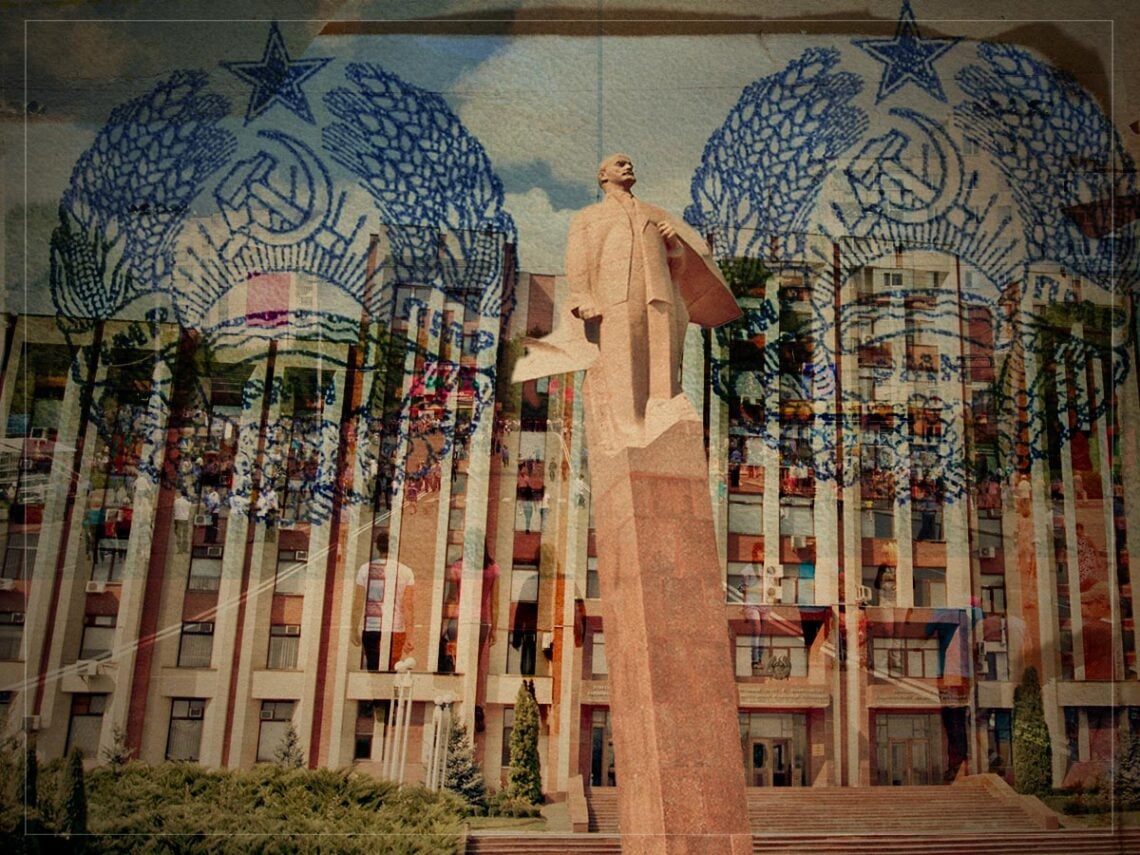
While statues and busts of Vladimir Lenin have been torn down across many former Soviet countries, and remain as hotly debated political touchpoints in others, there’s no such debate in Transnistria, to the point where you see the face of Lenin, one of the 20th century’s most important figures, everywhere.
I found the place a stunning juxtaposition of history and modern life, where the evenings saw busy bars and a buzzing nightlife, but my jaw dropped when I saw a horse and cart pull up at kicking out time. My hotel had a photo of a topless Putin behind the reception and a clock set to Moscow time, and I have some very hazy memories of drinking vodka in a club decorated in mock-newspaper prints of Lenin and Joseph Stalin.
Other trappings of Soviet life surround, from vintage Ladas, to mosaics, through to buildings emblazoned with the hammer and sickle; it’s both a time capsule and a sign of what could have happened had the Iron Curtain not fallen.
