


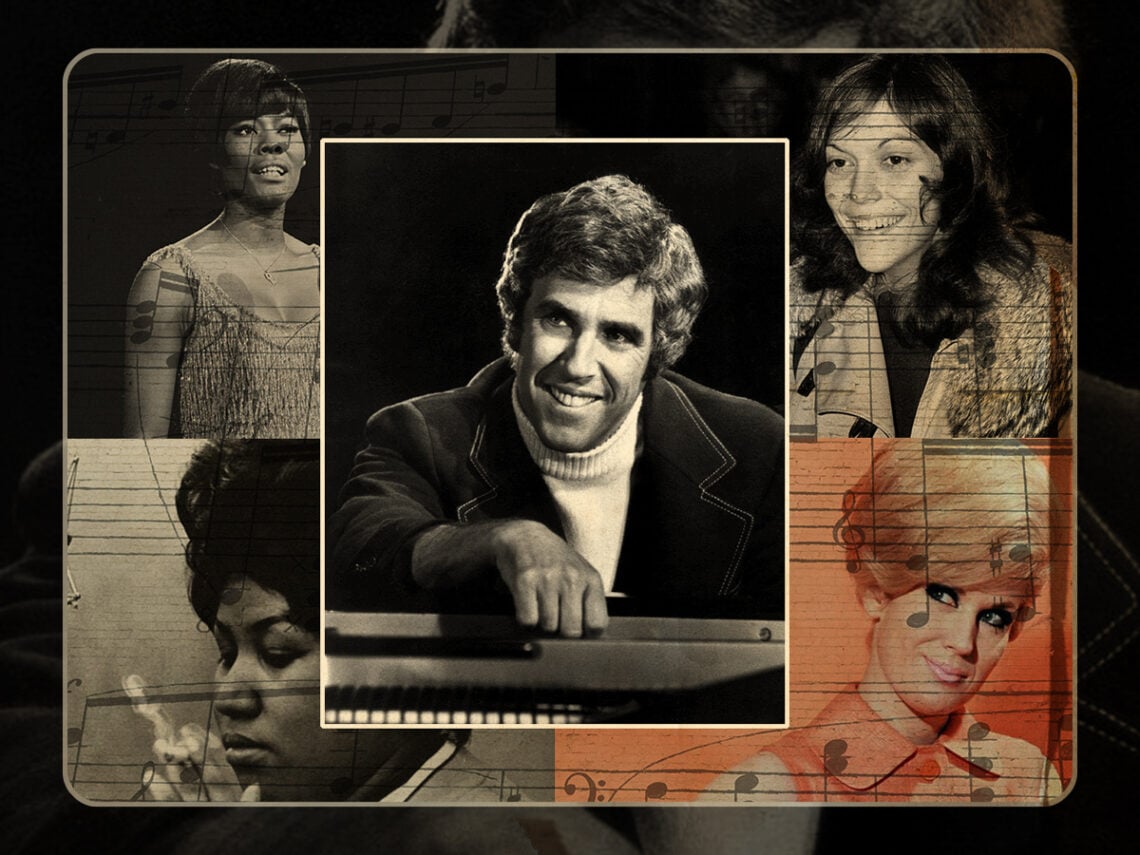
The beauty and bastardisation of Burt Bacharach: Five essential songs and their unusual covers

If you managed to write one successful pop song, you’d be pretty content with that, right? The glory and notoriety that comes with that, no matter how brief, is enough to dine out on for an eternity, and it’s a badge you can wear with honour for the rest of your life.
Imagine how it must feel to have written as many as Burt Bacharach has, reaching number one in the Billboard charts seven times, getting into the top 40 on a total of 52 occasions, and having your work covered by over 1,000 different artists. You’re not dining out on that forever; you’re going to feel overfed, sated beyond your heart’s content, and unable to move for how full you feel. It’s not just an impressive claim to be able to make, it’s a lifetime of accomplishments beyond comprehension.
Often working alongside lyricist Hal David, Bacharach’s compositions represented the pinnacle of orchestrally-driven, lavish and intelligent pop across eight decades, with songs ranging from easy listening, lounge and jazz to big band and classical pieces. Very few songwriters can claim to have been both as prolific as Bacharach and as supremely talented as he was at finding melodies that sounded different on every occasion.
Given how many artists have performed his work, it would be difficult to simply narrow down a list of the best interpretations of his work, so instead, we’ve selected five essential classic tracks of his that are faithful to the original arrangement, and five alternative versions of the same songs that test the limits of where the songs can be taken.
Five essential Burt Bacharach songs and their unusual covers:
‘Walk on By’
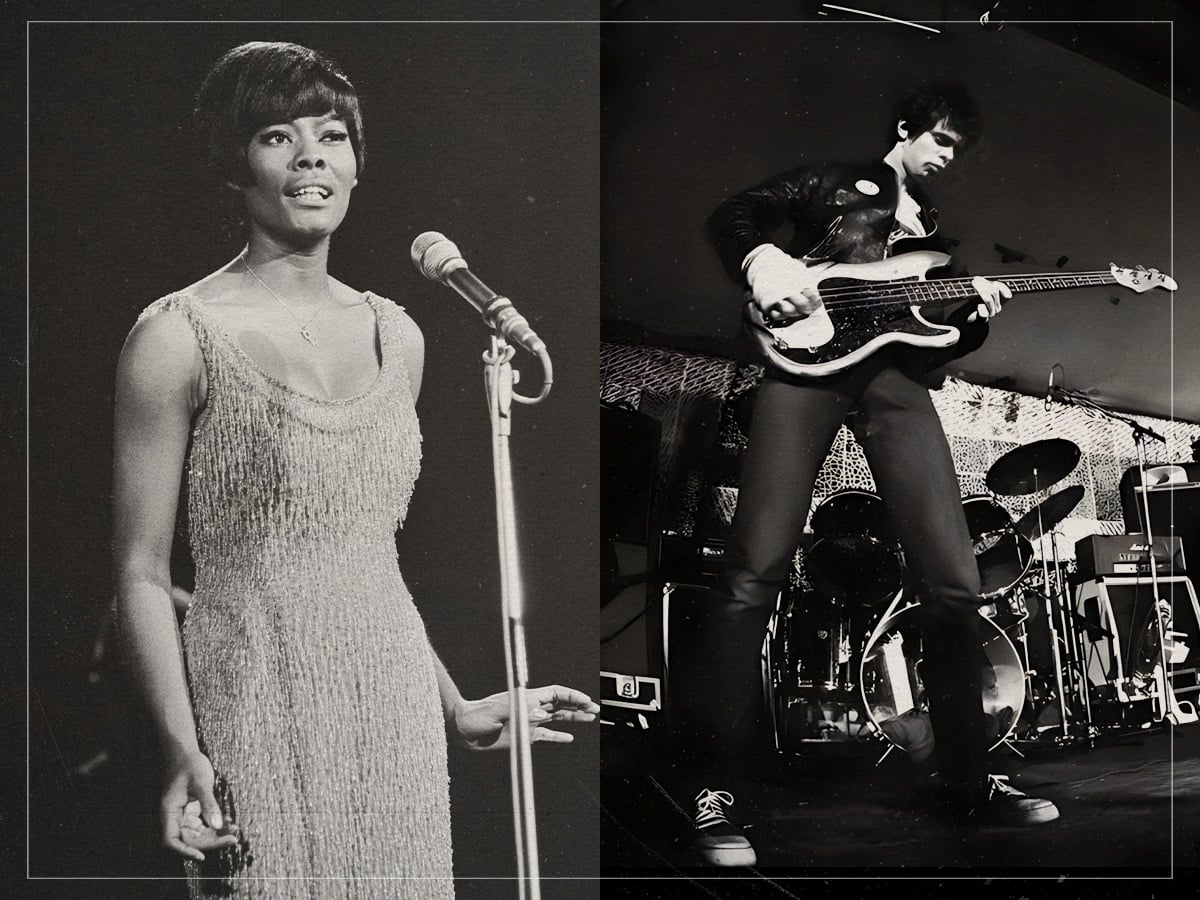
While there were many early interpretations of this Bacharach classic in the 1960s, Dionne Warwick’s original version is the essential rendition of ‘Walk on By’ to have emerged from the decade.
The smoothness of the track, its cascading piano, delicate percussion and muted guitars are all indicators of Bacharach’s genius when it came to writing arrangements, and Warwick’s half-hearted, half-carefree vocal delivery is up there with the best she’s ever delivered.
The Stranglers’ version, however, takes all of the subtleties of the original and turns them into a vicious monster of a track that feels considerably more spiteful than it does pensive about the pain of a breakup.
There are still some beautiful harmonies in the chorus, while Dave Greenfield’s organ playing also feels relatively faithful to the original and mimics the piano line, but the snarling vocals of Hugh Cornwell and the attack-heavy bass of Jean-Jacques Burnel are what turn their epic reimagining of the track into their punk opus.
‘I Say A Little Prayer’
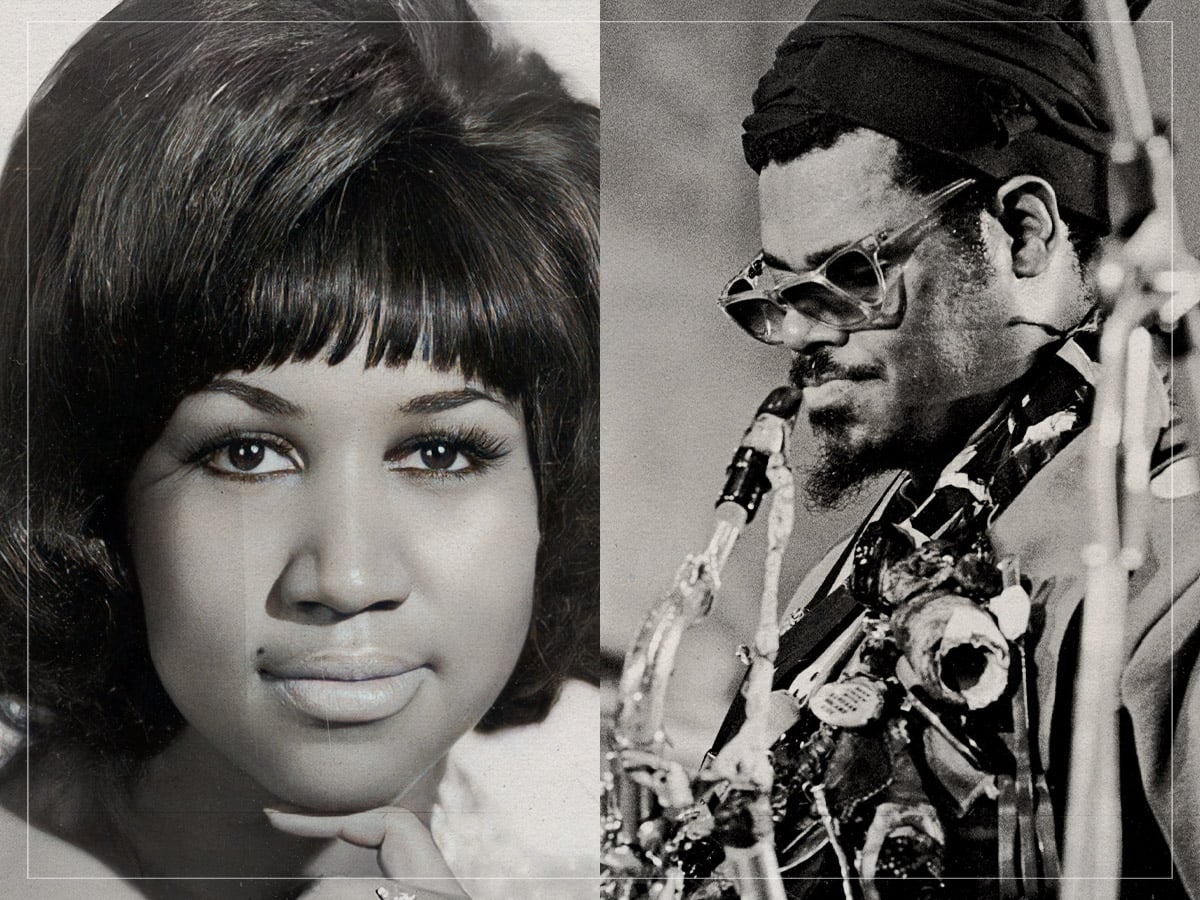
Perhaps one of the most intelligent pop songs ever composed, only a singer as gifted as the undisputed Queen of Soul, Aretha Franklin, could pull off a track like ‘I Say A Little Prayer’.
As with all of her songs, Franklin puts her all into the vocal take, but without the genius composition of Bacharach there to support her soaring delivery, the song would only be halfway to its level of brilliance.
The time shifts in the chorus are subtle, but the work of a master all the same, and the ease with which it flows from section to section without feeling like any section is superfluous is a marvel.
No vocalist should ever really attempt to top Franklin’s version, but when placed in the capable hands of virtuoso saxophone oddball Rahsaan Roland Kirk, an exception can be made.
While there’s already a significant jazz influence present in the song, Kirk’s version takes those elements up a notch, and while leading the band with his trademark multi-sax setup, he’s commanding the rest of the musicians around him to play the absolute hell out of the track.
It’s a whirlwind of a version, and one that shows very little restraint for tipping it over the edge into insanity.
‘This Guy’s in Love With You’
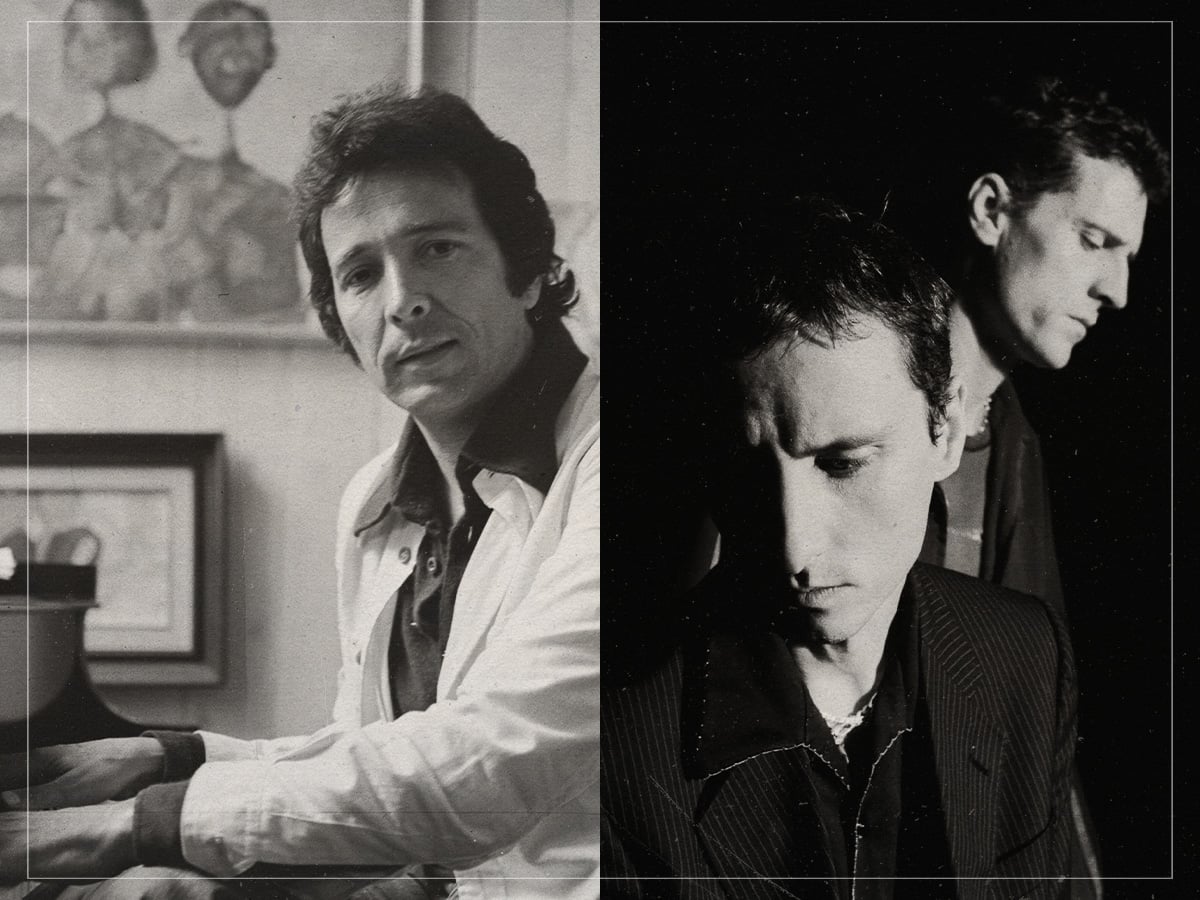
Herb Alpert may not have been known as a vocalist, and has been celebrated more throughout his career as a trumpet player and bandleader of the Tijuana Brass, but when he opted to sing on ‘This Guy’s in Love With You’, he ended up cementing himself in chart history as the only person to have ever had a number one as a vocalist and instrumentalist.
His performance isn’t as full of splendour as Warwick’s or Franklin’s, but the innocence and earnestness with which he delivers the song makes it feel all the more genuine, as though he’s just some ordinary man declaring his devotion in the purest way.
When British art rockers These New Puritans chose to open their third album, Field of Reeds, with a cover of the song, they flipped the track on its head, taking the jubilant proclamation of love and questioning whether it’s still there.
The vocals, sung by Portuguese fado artist Elisa Rodrigues, feel half-remembered, and the piano is distant and droning. The once-strong love has faded and is only hanging onto its previous shape by a few common threads.
Time has moved on, and so has love, with only a cloud of uncertainty hanging above in its place.
‘(They Long to Be) Close to You’
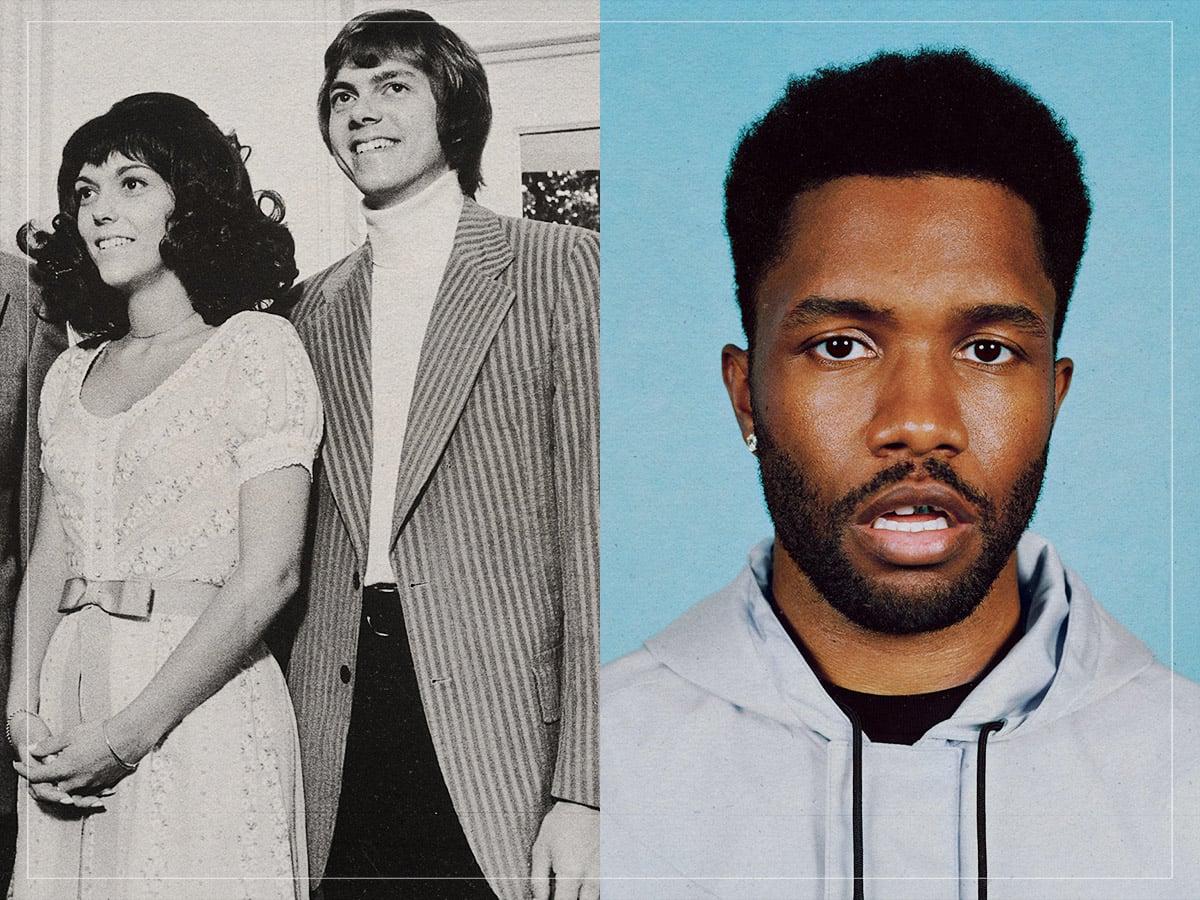
Even though The Carpenters covered the works of many different songwriters, and were also capable of writing their own material, they dived into the catalogue of Bacharach and David plenty of times throughout their careers.
The sibling duo’s version of this song, originally recorded by Richard Chamberlain, is the most important rendition of the track to exist, and highlights both Karen’s faultless vocals, Richard’s light touch on the piano keys, and Bacharach’s tremendous arrangements.
You can’t get much more saccharine in a love song than this, but they pull it off with aplomb.
Frank Ocean’s 80-second interpolation of the track on his 2016 masterpiece, Blonde, feels far removed from the original, with all of the sweetness becoming fragmented.
It’s not as harrowing as These New Puritans’ demolition of a Bacharach tune, but it takes the song to a place of disorientation, where the altered lyrics reflect on a love that has passed in a more definite sense, with emptiness and confusion taking over as the dominating moods.
‘I Just Don’t Know What to Do With Myself’

Another of Bacharach’s timeless pop classics, Dusty Springfield’s version of ‘I Just Don’t Know What to Do With Myself’ is delivered with the utmost pomp and circumstance.
In a world where Phil Spector girl groups and the women of Motown were the dominant feminine forces in the US, having a solo singer from the UK deliver something that captured the attention of audiences on both sides of the Atlantic would take something special, and Springfield’s belting mezzo-soprano had all the gumption required to do just that.
Even though garage rock duo The White Stripes had already proven their versatility to go beyond scrappy and distorted guitars and thumping drum beats on their breakthrough album, White Blood Cells, their cover of this Springfield hit still managed to turn heads, and their overblown approach to replicating the dynamism of the original with just two musicians certainly doesn’t let the fullness of the original go flat.
Jack and Meg White were no strangers to covers during their time together as a band, but there are none quite as gutsy as this one.
