


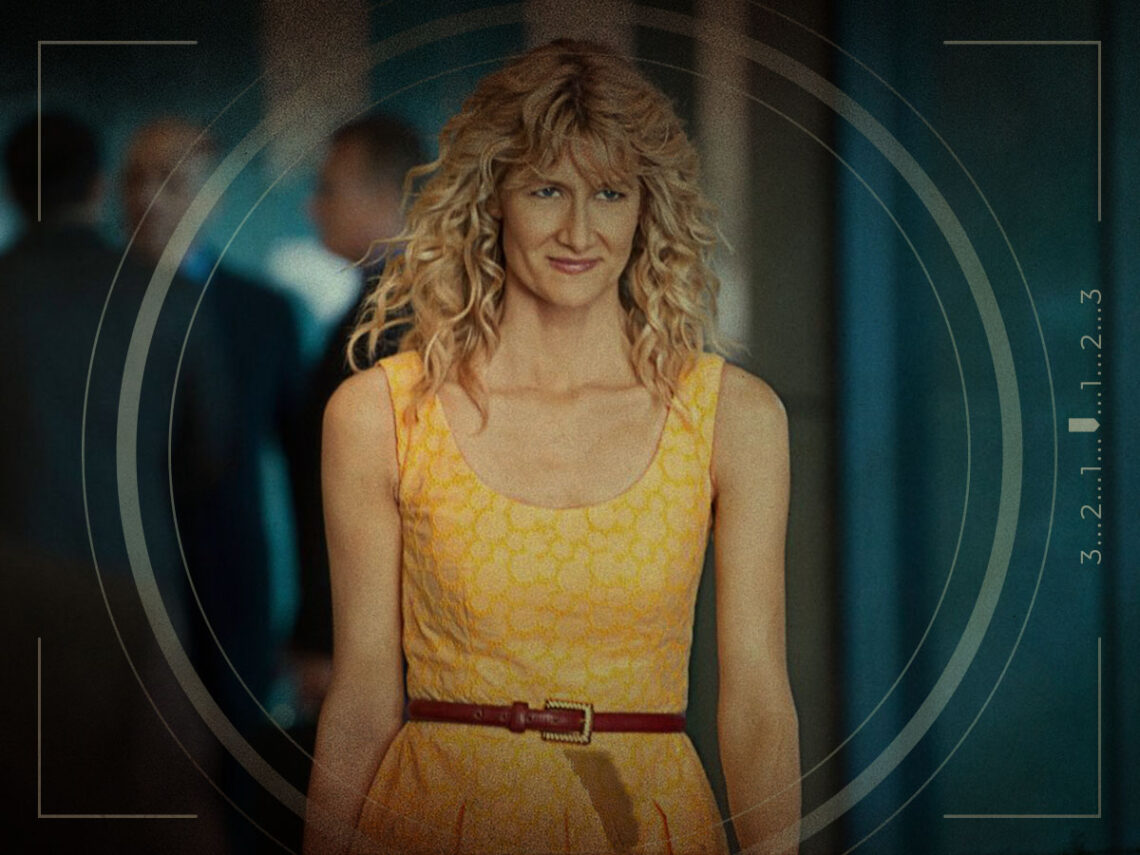
‘Enlightened’ – the criminally underrated precursor to ‘Severance’

It seems as though we’ve formed a cultural obsession with observing the working lives of other people, with a rise in popularity of dystopian television shows such as Industry, Severance and Succession, which focus on office-place dramas and varyingly relatable professional quandaries, whether it be having your mind split in half or you’re worrying about your dad’s executive functions after developing a UTI.
Given how much of our waking lives we spend at work, and with the gap between our personal and professional lives growing increasingly small within the machine of late-stage capitalism, it comes as no surprise that with the growing demand for multi-faceted representation, we are also longing to see the sanitised versions of ourselves we perform from 9 to 5.
However, Severance has proven to be one of the most popular additions to this genre, with Apple TV raking in a staggering number of viewers through their darkly surrealist story of a group of office workers who are employed by Lumon, an insidious corporation who have performed a procedure on a select group of employees that splits their identity into two selves – their professional and personal identity. Inside the office, they are unable to remember anything about their life outside of Lumon, leading them to be trapped inside a simulation in which their only purpose is to work.
While many people are rightfully praising the technical innovation of the show and Ben Stiller’s haunting exploration of corporate oppression, there is one show that deserves more credit for its influence on the office expose genre, which remains one of the lesser-known creations from the masterful Mike White, now famed for the sweeping success of The White Lotus.
Enlightened, which first aired in 2011, follows a woman called Amy who suffers a mental breakdown at work and checks herself into a wellness facility to work through her stress. But the show begins after her release from the serenity of the Hawaiian institution, attempting to reintegrate into the toxic corporate culture that induced her breakdown and to continue on her path to spiritual enlightenment.
Starring the masterful Laura Dern in the lead role, Amy is a desperate do-gooder, eager to turn over a new leaf and dedicate her life to serving others. The purity of her intentions isn’t always clear, with her slightly annoying and forced sunny disposition sometimes coming across as a thinly veiled form of narcissism, with each ‘good’ deed becoming a humble brag or self-serving act. But regardless of her murky motivations, she remains intent on her quest to give back, hell-bent on holistic living and her slightly cringeworthy presentation of the spiritually aware millennial. Amy would be the sort of person to fight for fluffy social and environmental issues that aren’t entirely pressing, choosing to advocate for a dying family of bees over real-life people. But despite her often-warped idea of what justifies an urgent cause, she’s the type of person my mum would describe as ‘wearing her heart on her sleeve’, even if her heart is sometimes misaligned with her buttons.
But more interesting than the ambiguity of Amy’s intentions is the political undercurrent of the show. White comments on a new-age moral conundrum by initially presenting Amy as a caricature of the socially conscious adult, slowly evolving her character as her optimism becomes outweighed by the reality of her world and her lack of power to create real change.
While the show was cancelled prematurely, the second (and final) season follows Amy as she becomes a whistleblower for Abaddon, the company she works at, in which she is employed on a mysterious lower floor in which no one exactly understands the purpose of their job, only that it is highly important and confidential. The department is a collection of misfits and people who didn’t choose to be there, with the company relocating any employees involved in workplace scandals or disputes and hiding them in the basement, shifting their job role to complete seemingly benign tasks that hold great value.
The first season has a feeling of bittersweet optimism, something that is largely influenced by Amy’s thoughtful narration as she offers words of wisdom and therapy-type tidbits about life’s purpose and the greater good. However, the second season takes on a darker tone, with Amy beginning to question the power of her voice and the inherent goodness of other people. This only fuels her fire to blow the whistle on Abaddon and expose the insidious inner workings of the company, something that she discovers after working on the segregated floor of the office.
Perhaps the timing of Severance has allowed it to resonate with a wider audience, but Enlightened explored similar issues and was abruptly cancelled before being given the chance to take flight. White was sowing the seeds for a much bigger conversation in the abandoned third season, exploring themes that he now continues in The White Lotus but from the perspective of very privileged and sheltered people who often cause the issues that Amy was uncovering in Enlightened. White’s preoccupation with class inequality, the wealth gap and guilty conscience of large corporations who prioritise profit over people is something that can be seen from his humble roots in the criminally underrated 2011 show, laying the groundwork for a new era of television that explores our growing discontent and rage at being treated as a means of production before our humanity is ever considered.
While I can appreciate Severance’s ingenuity, I cannot help but quietly lament the all-too-soon demise of Enlightened and the show that did it first—paving the way for an anti-capitalist genre of television that allows us to feel seen through our restlessness and anger at the alarming commonality of our exploitation in the workplace, holding a finger up to ‘the man’ and those who wrongly wield their power.
