

Movies that stick it to the man: The best anti-corporate films of the 21st century
Read More


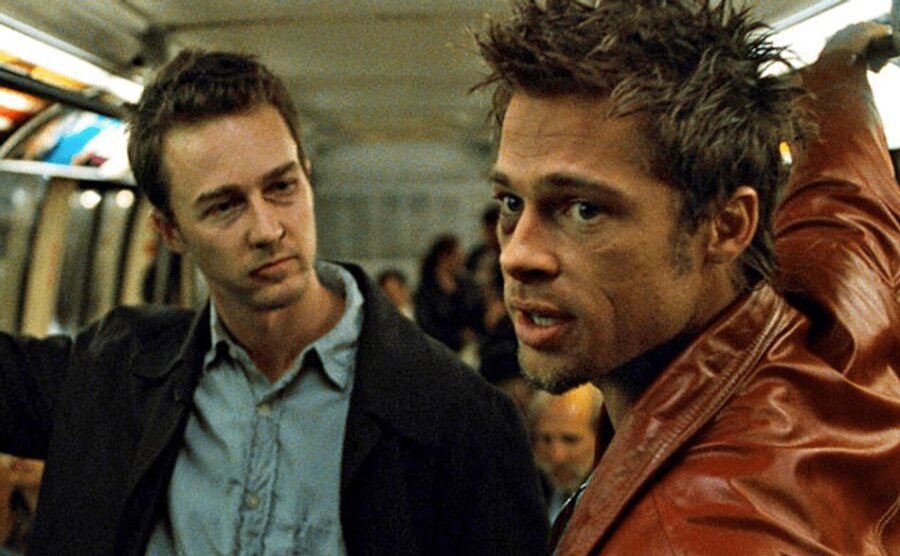
Widely recognised as one of the most iconic anti-consumerist films of all time, Fight Club from American filmmaker David Fincher is adapted from the novel of the same name by the author Chuck Palahniuk, following the broken psychology of a man caught between the lies and promises of modern-day consumerism. Released in 1999 at the turn of the new millennium, the film speaks to a capitalist ethos that has only grown since.
The story is led by the fractured psychology of Edward Norton’s ‘Narrator’, a mind split between the social ideals of society and the maverick attitudes of counter-culture. “It’s only after we’ve lost everything that we’re free to do anything,” says Norton’s alter-ego, a phrase that would ultimately fuel the fires of Fight Club’s attitudes that reject capitalism and consumerism in all its facets.
Becoming one of the most iconic movies of the 1990s, Fight Club became a major milestone in the careers of Norton and his co-stars, Brad Pitt, Helena Bonham Carter, Jared Leto and the late Marvin Lee Aday, who would each go on to achieve great success in the film industry.
But, as Norton explains, “Fight Club could have been a very different film,” telling Scotts Menswear that Fincher sought to make the movie on a $60 million production, when he could have made it on the budget of an indie movie.
Though, as Norton adds, “David Fincher was so inspired by Chuck Palahnuik’s novel, he decided that, to do justice to it, you needed to see the plane crash, you needed to see those buildings collapse, you needed that cool title sequence. Of course, it cost a lot more money and made the picture a much, much bigger risk, but watch the finished film, and it’s hard to argue it wasn’t worth every penny”.
Undoubtedly political, Fight Club sees an underground gang of men get into scraps for the sheer pleasure of physical violence, defying the standards set by an ‘emasculated’ modern society. Rejecting the ideals of 21st-century capitalism, the film’s finale (spoilers!) sees the gang’s violence head to new levels, destroying several buildings where credit records are kept, using explosives.
As Norton recalls, “People were really frightened by the movie,” with the controversial film reportedly rubbing different people, from separate walks of life, up the wrong way. Explaining the controversy, the actor explained, “What struck me as odd was that the film upset a lot of liberals and the reason it upset them was the most right-wing reason imaginable”.
Clarifying, Norton added, “The argument was that, while they were smart and sophisticated enough to understand what the movie about, the ‘ordinary’ people would be more prone to copy the action depicted rather than acknowledge the picture’s nuances. I’d heard that line a lot from Republicans but rarely from people I’d usually consider myself to have a lot in common with”.
Recently censored by Chinese authorities, who changed the ending of the film to make it a little less anti-establishment, Fight Club clearly remains a powerful film that is able to drive conversation and ignite subversive ideals.
