


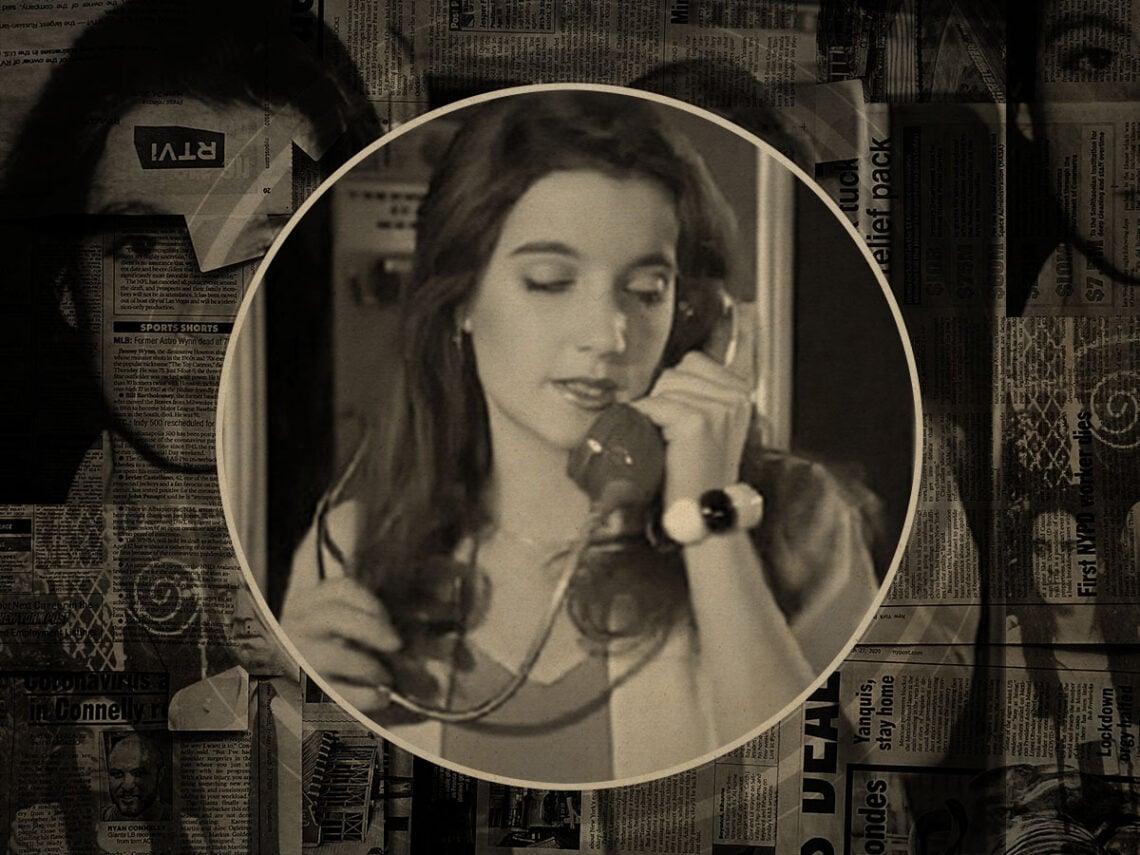
Dominique Dunne: The murder that ended the 1970s

“Many people I know in Los Angeles believe that the ’60s ended abruptly on August 9th, 1969, ended at the exact moment when word of the murders on Cielo Drive travelled like brushfire through the community, and in a sense this is true,” Joan Didion once wrote.
As the news of the Manson Family murders spread, an era of optimism ended: “The tension broke that day. The paranoia was fulfilled”. Didion put the feeling at the end of the 1960s succinctly and plainly.
“The centre was not holding,” she said. What was going up with all the drugs, sex and rock and roll was coming down. The hedonism had long since been due for a crash, and so when a hippie commune morphed into a murderous cult, the author outright reported, “I remember that no one was surprised”. Ever since, history seems to agree with her. While the 1960s obviously ended with the end of the decade, the end of the era as a cultural moment and a phenomenon was far more complex.
The 1960s transformed society; by the end of the decade, the world was wildly different from the one that had come before, as new technological advances, new medical advances, the consequences of protests, and art and music all led to real, de facto change.
There was greater liberation and more fun to be had, but also more chaos to fall into. However, the end of the 1960s did not mark the end of that spirit. Instead, it marked the end of its naivety, as hippie culture began to fade. Rock and roll remained, as did the ego, bravado and recklessness of the artistic scenes. It simply changed shape. All of this can be reflected in the figure of Didion. In the 1960s, she lived in her famous home on Franklin Avenue, only 20 minutes from where Manson once lived and close to where Sharon Tate would be murdered.
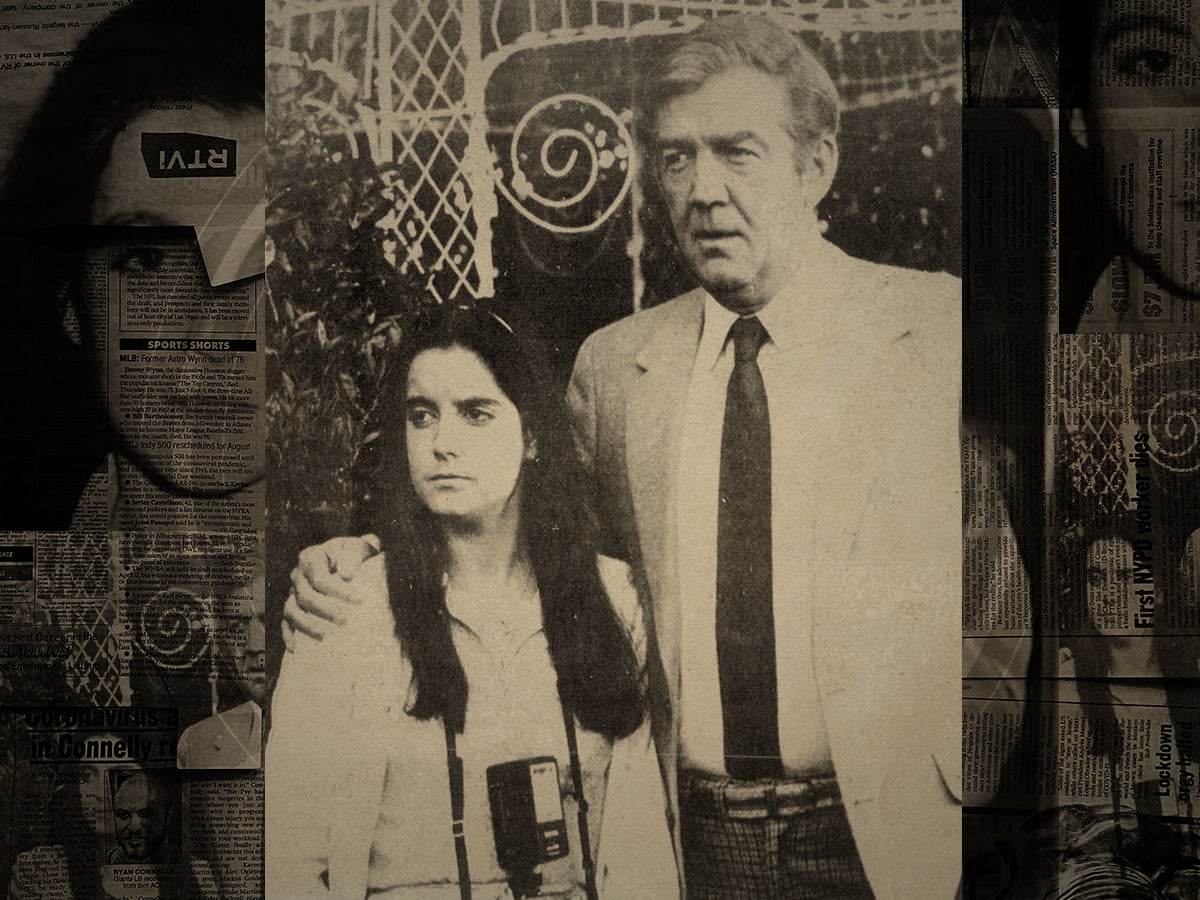
At her home there, she threw the kind of wild parties that they’d all attend, tying together Didion and the literary set, Tate and the Hollywood crowd, along with people like Michelle Phillips and The Mamas and the Papas, who represented the musical world Manson wanted into.
In 1971, after the shock of the murders, she moved with her husband, John Dunne, to Trancas, a quieter community in Malibu. Eventually, much of their social circle followed. Life there may have involved less outright partying, but the drinking and drug use continued in the same heavy volumes, which in many ways summed up the 1970s. It was an era in flux, claiming to be more self-aware and honest than the 1960s, yet carrying many of the same problems beneath the surface. If Didion believed the Manson murders marked the end of the 1960s, then another murder even closer to home marked the end of the 1970s: that of Dominique Dunne, her husband’s niece.
In 1982, Dunne was strangled to death by her ex-boyfriend, John Sweeney, who was a chef at the beloved and buzzy restaurant Ma Maison, where the ‘70s crowd were regularly found as if the place was the new Franklin Avenue. However, everyone in the scene knew Sweeney was filled with rage, and went the way most abusive relationships go, where everyone turned a blind eye, and things got worse and worse. Dunne, who was an up-and-coming actor, had left him, finally thinking she’d escaped the abuse, but he wouldn’t leave her alone, and on October 30th, when she was at home rehearsing with fellow actor David Packer, Sweeney showed up; the two started fighting while Packer phoned the police, but they arrived too late.
“I killed my girlfriend,” Sweeney straight-up told the police, and Dunne was in a coma for days until it was agreed nothing could be done. They shut off the life support, and she died at only 22. Similar to the Manson family murdering the pregnant Sharon Tate, it’s the sort of senseless and horrific killing that sends shock waves through a community, and for Didion, the similarities must have been harrowing: the two murders happened only a 17-minute drive away from each other, both claiming an innocent young actor, both prompted by a violent man.
Dunne’s murder was technically in the 1980s, but it feels punctuating in the same way, and while the Manson Family perfectly encapsulated the then chaos and craze of the 1960s, Sweeney personified the ‘70s quiet violence where hedonism and bravado, leaching out into something societal and evil.
