


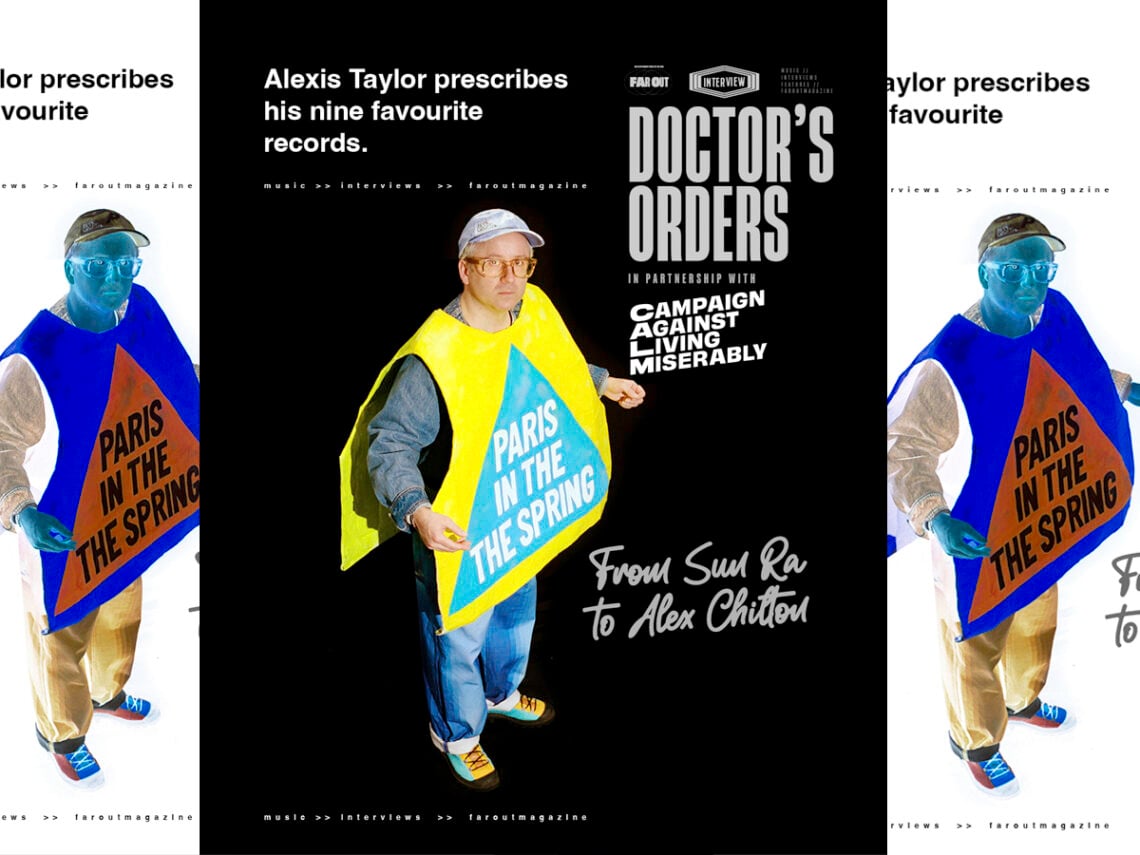
Doctor’s Orders: Alexis Taylor prescribes his nine favourite records

As a member of the nation’s favourite food, Hot Chip, Alexis Taylor established himself as an innovator and, to quote Peep Show once again, a ‘hipster with attitude’.
On his latest solo album, though, Paris in the Spring Time, any attitude is arrested in favour of reflection. He muses on “self-destructive behaviour”, feelings that have long-remained “hiding under the surface”, and how “the death of friends” and the discovery of “new musical partners” can influence the “mystery” of the mind.
This welter of inward-looking emotion is carefully coaxed out on a deeply considered record that offers a wealth of different sounds and influences, all of which seem to encapsulate Taylor as a creative force. Devoid of a distinct genre that might offer an inference to his deep musings or any clear messaging in the abstract lyricism, Taylor intentionally weaves a boundless world, imposing nothing but sweet melodies and a sense of wonder.
Sometimes an audience “wants to be told“ the distinct of art, says Taylor, “and I’m refusing to do that. You can find great things in music when you open up to real listening. No one needs to be told ‘what something is’; otherwise, why would we be making something so straightforward? Be ready to be surprised, to find something new in music, and let the music resonate with you.”
With that reverous spirit in mind, Taylor’s present moment of reflection makes him an incredibly apt participant for our Doctor’s Orders feature. Back in the First World War, ‘pill number nine’ was often prescribed in the trenches as a pick-me-up, and these days, pop culture adds a similar pep to our step, and for those creating it, a chance to explore their deepest feelings.
So, we combined the two and teamed up with the mental health charity CALM to delve into stars’ musical pasts and discuss the records that have helped them out over the years. From Sun Ra to Alex Chilton, Taylor not only talks us through the favoured records that inspired his stirring new effort, Paris in the Spring Time, but also how they have been companions throughout his life.
If you’re able and if you can afford to, please consider a small donation to help the CALM cause. £8 can answer one potentially life-saving call.
Alexis Taylor’s nine favourite albums:
Palace Music – ‘Arise Therefore’
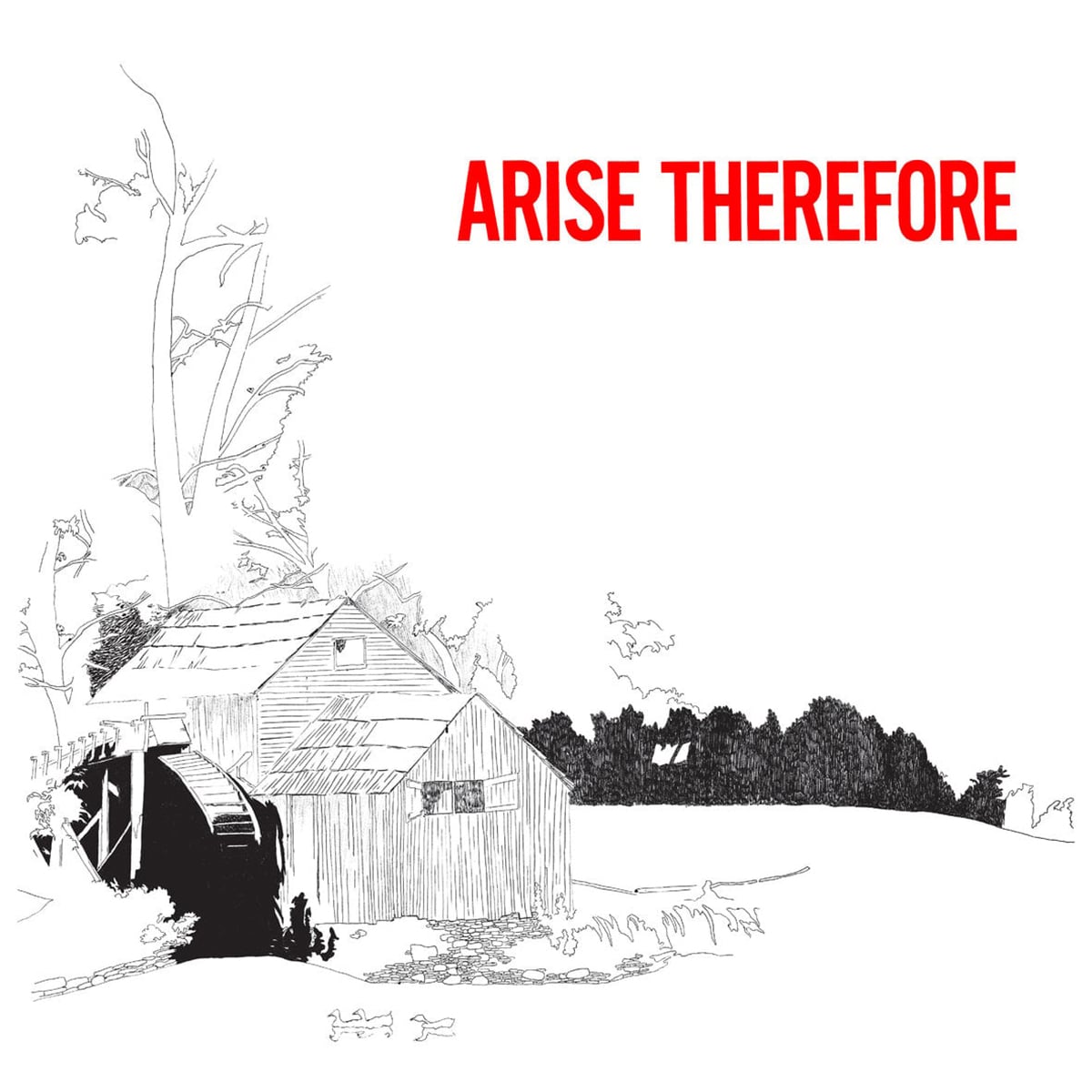
The first album Taylor cites is the luscious Arise Therefore by Palace Music. About as bittersweet as a wasp rapturously drowning in a can of perry, this emotional whirlwind of the record is an apt touchstone for Paris in the Spring Time, with Taylor explaining, “The Doctor may have come at Dawn [Bill Callahan‘s The Doctor Came at Dawn under the Smog moniker, same year, same labels], but he orders you to listen to this Will Oldham album when you want to be taken to a strange and dry, claustrophobic but warm place of emptiness, experimentation, piano clusters, stark drum machines and robust but cracked vocal performances about headstarts on the frogs, weaker soldiers, Lisas, Lauras, disorder and goings on within and beyond the bedroom.”
Speaking about his personal connection to the record, Taylor continues, “It’s helped me on numerous times, out of a creative cul de sac aplenty, out of a slumber, into a slumber, back into life, beyond the confines of what can be done on a record. It’s depressing to some listeners, deeply moving, rewarding and uplifting to me.”
And he offers a fitting conclusion for the music nerds too, opining, “Maybe Steve Albini’s best production”.
Alex Chilton – ‘Like Flies On Sherbert’
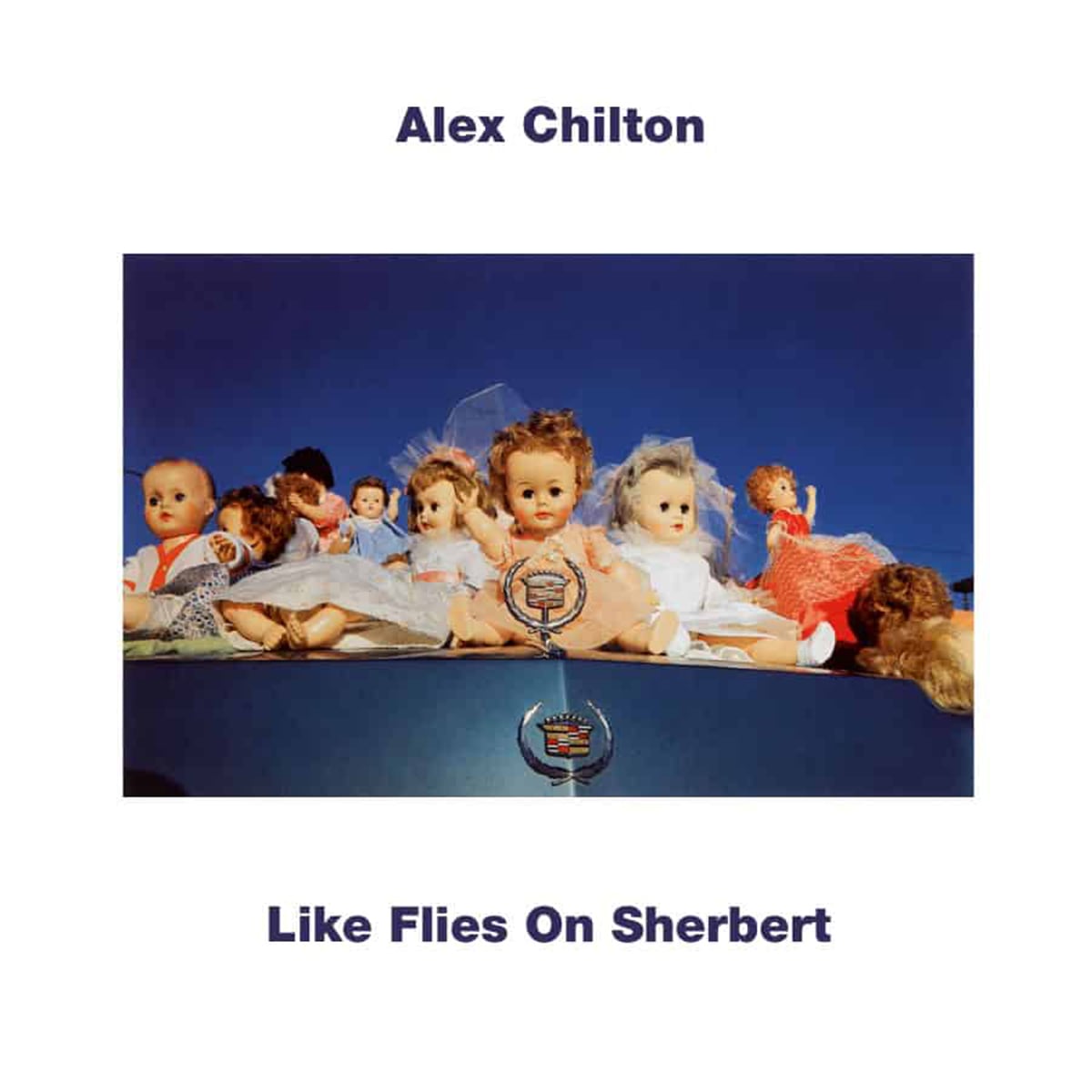
Albums can mean very different things to different people, and Taylor’s story about this 1979 record exemplifies that. “The man in the shop off Portobello Road was so disgusted by how disappointing this album was to him (a Big Star fan) that he didn’t want to sell it to me,” the Hot Chip star recalls, “He reluctantly agreed to play me some of it over the shop speakers, and it literally sounded like the best thing I had ever heard!”
Taylor passionately continues, “This is something I would prescribe for any patient who is in need of a good kick in the, you choose, to have something of a restart. It’s very wild, loose and rockin’. It’s messy, full of false starts, great playing, great songs, great covers. A punk album made in Memphis with a boogie band and Jim Dickinson experimenting on a Korg synthesiser. Greatest rock ‘n’ roll album there is.”
Various Artists – ‘Crooning on Venus’
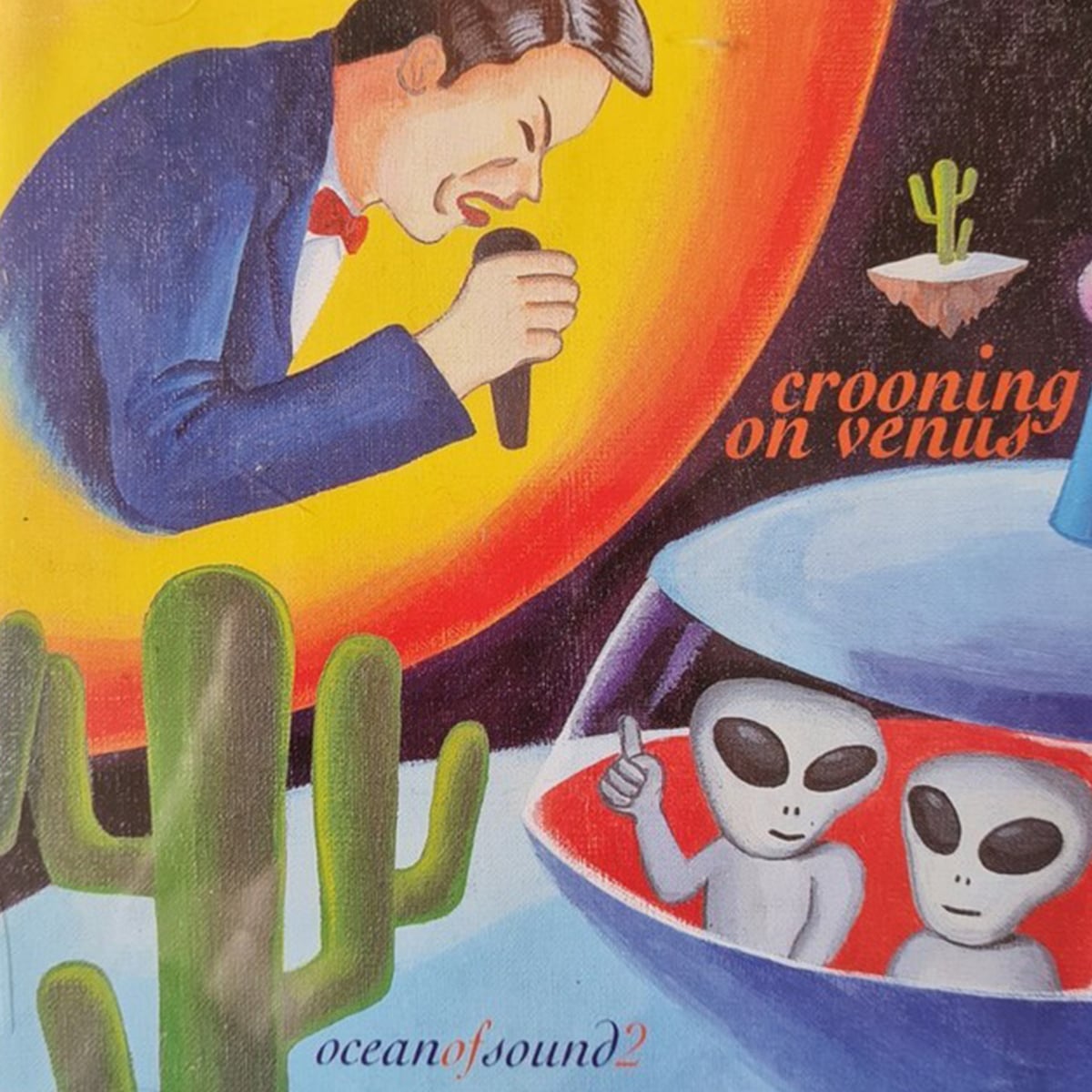
The next album is a rarity that welcomes you on a journey through “some of the world’s most extraordinary singers and their personal take on balladeering”, or at least that’s how the curator, David Toop, described it at the time. Taylor elucidates matters further by adding, “[Crooning on Venus is a] compilation/mixtape double CD from the mid ’90s featuring some of the most far out, distant, ghostly and beautiful recordings of all time, perfectly slotted together and sequenced so that we can uncover the links between Sly and the Family Stone, Robert Wyatt, Julee Cruise, Stina Nordenstam, Royal Trux, Chet Baker and Tim Buckley.”
It also features the likes of Dr John, John Martyn, and John Lee Hooker, with Taylor describing it as “a sleepy and ‘chilled’ record at times before we had a ‘chillwave’ or ‘hypnogogic pop’, and a huge ear-opener for me to many of my favourite records”.
He concludes, “Recommended dosage: both discs, one after the other, in the afternoon or for late-night listening. Repeat as needed”.
Sun Ra – ‘Supersonic Jazz’
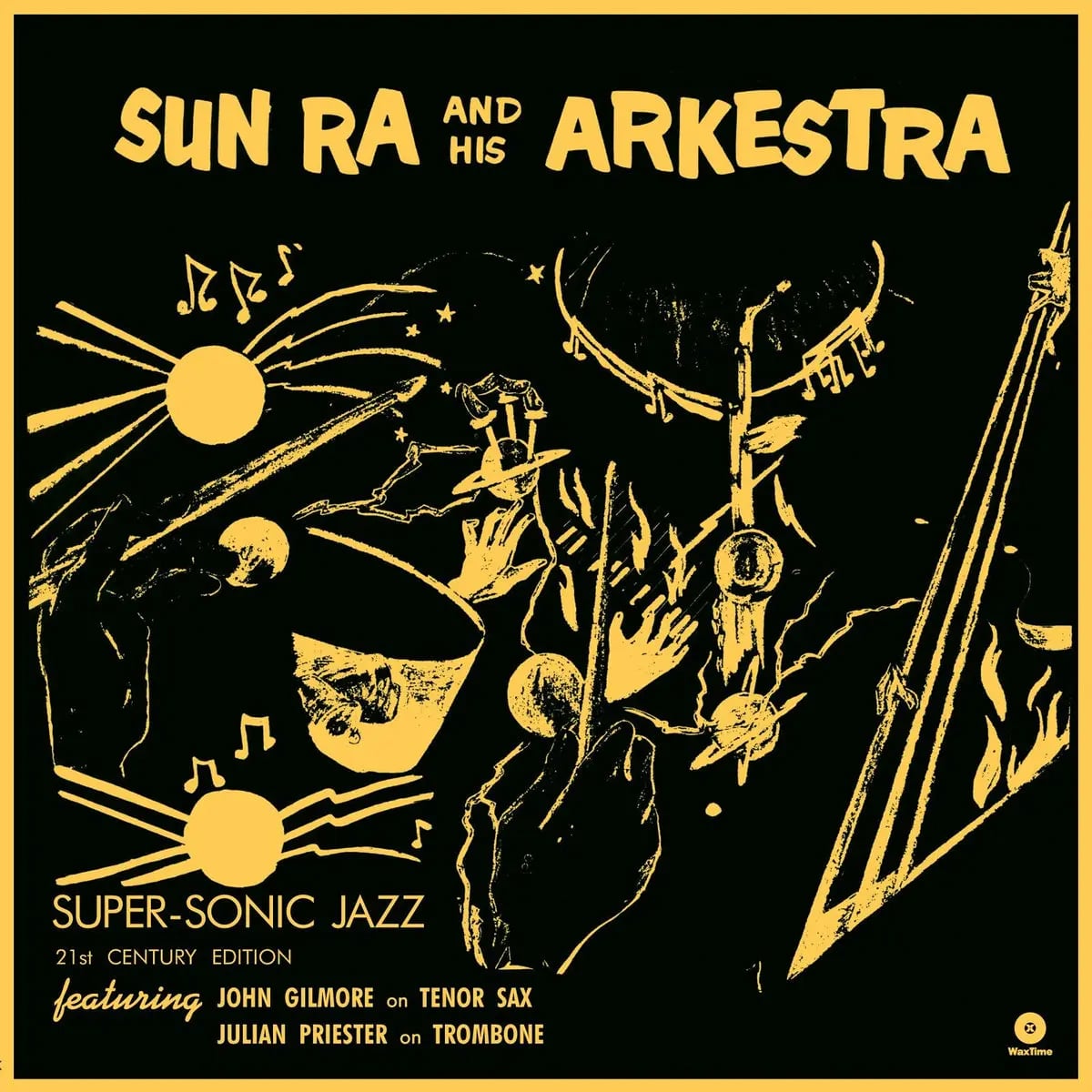
For those who don’t know Sun Ra, he’s probably best described as a musical genius who genuinely thought he came from another planet. Despite this inherently abstract approach, the beauty and courage of his sound has inspired plenty of artists over the years, Taylor being just one of them.
“It’s medicine for a nightmare, so that’s how I’d prescribe and describe it,” Taylor explains, firmly keeping with the ‘Doctor’s Orders’ motif of this feature.
“Joyous and not too out-there loungey jazz music, comparatively speaking (within the Sun Ra musical omniverse), from 1957. Very early use of electric piano,” he enthusiastically adds, concluding, “Smoothing sounds from Ra the baby (before he’d fully grown)”.
Raymond Scott – ‘Soothing Sounds For Baby Vol 1-3’
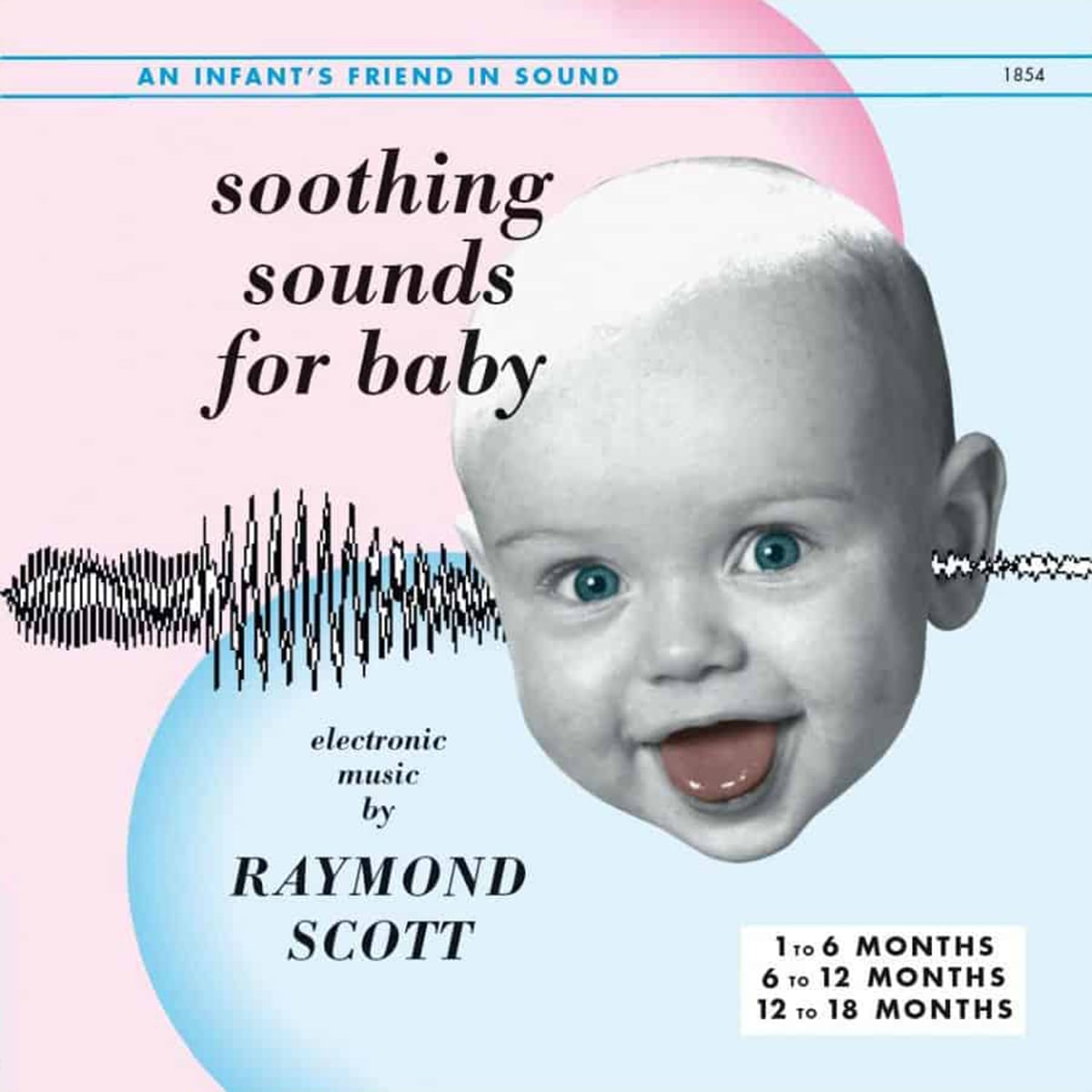
Contrary to its title, this album is primed for adult enjoyment, especially in the hectic modern world. Much like how Bedtime with The Beatles by Jason Falkner (released under Sony Wonder) is the greatest Fab Four cover album thanks to its utterly relaxing sedation of pop, this record achieves pillow-propped reverie of the highest order.
“Soothing Sounds for Baby is pioneering rhythmic electronic music made in the early ‘60s by musical instrument inventor Raymond Scott, responsible for some of the earliest synthesisers and drum machines,” Taylor relays, “It’s designed to help babies of different age groups to play or rest, or be soothed by sound, but is just as fascinating if you’re an avid fan of warm and fluffy analogue synthesiser music, in your 20s, 40s, or any age in between, before or beyond.”
He concludes, “Not necessarily prescribed for bedtime for actual babies, maybe keeps the parents awake though”.
Lafawndah – ‘The Fifth Season’
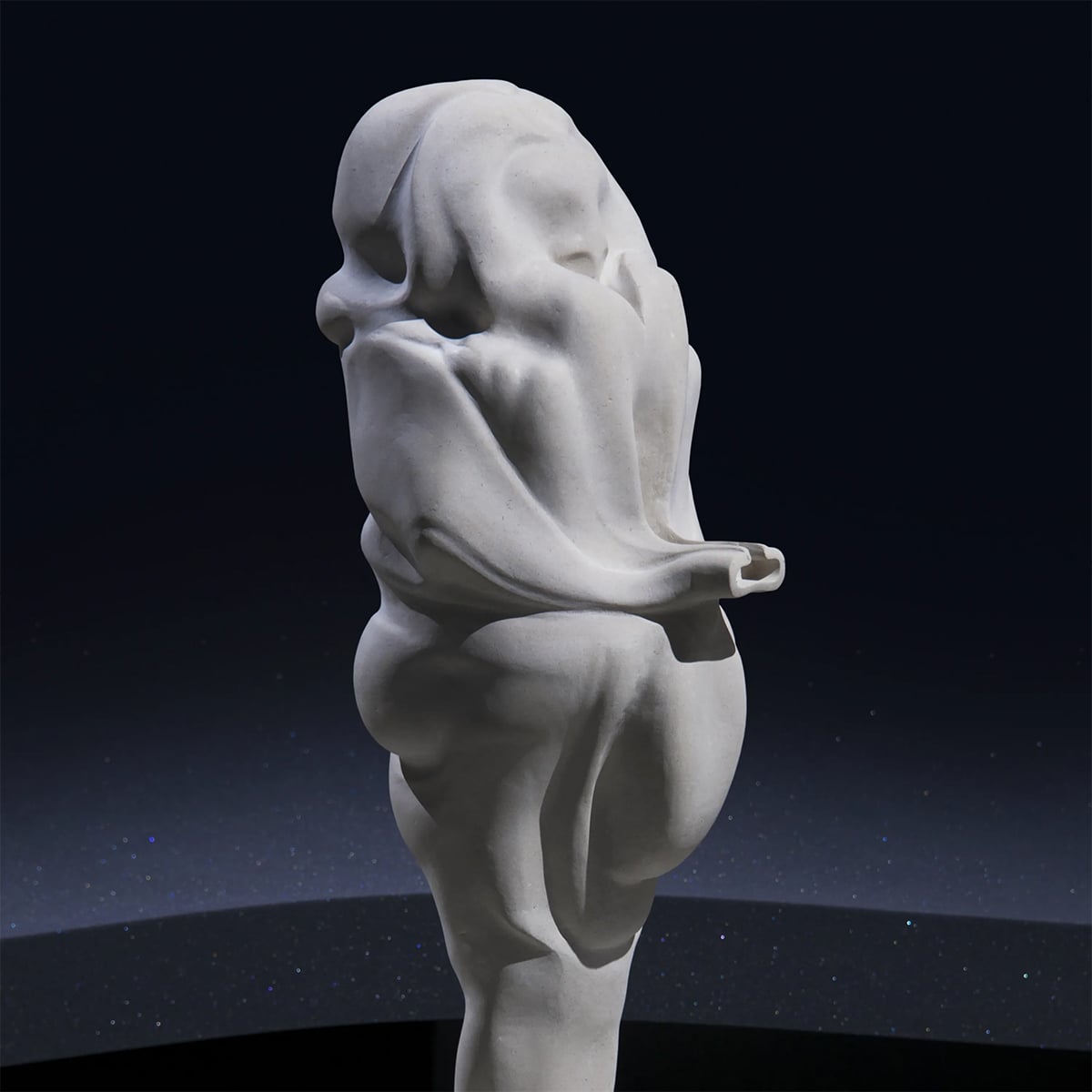
“I don’t know much about Lafawndah or this album,” Taylor begins, encapsulating a musical truth that a lot of music journalists like to keep under wraps: sometimes there is beauty in the mystery of unanswered questions. “I would say it’s only obvious precursor might be Tim Buckley’s avant-garde outer-limits-of-vocal-improvisations-album, Starsailor,” he continues.
The record, released in 2020, has a somewhat hauntological quality to it. As Taylor adds, “It’s got a lot of slow, gentle horn chords and brilliant and unusual vocal lines and lyrics from an amazing and singular soulful voice. But it is not a ‘soul’ album in genre. Björk might be a fan; if not, I prescribe it to her immediately.”
Washington Phillips – ‘The Key to the Kingdom’
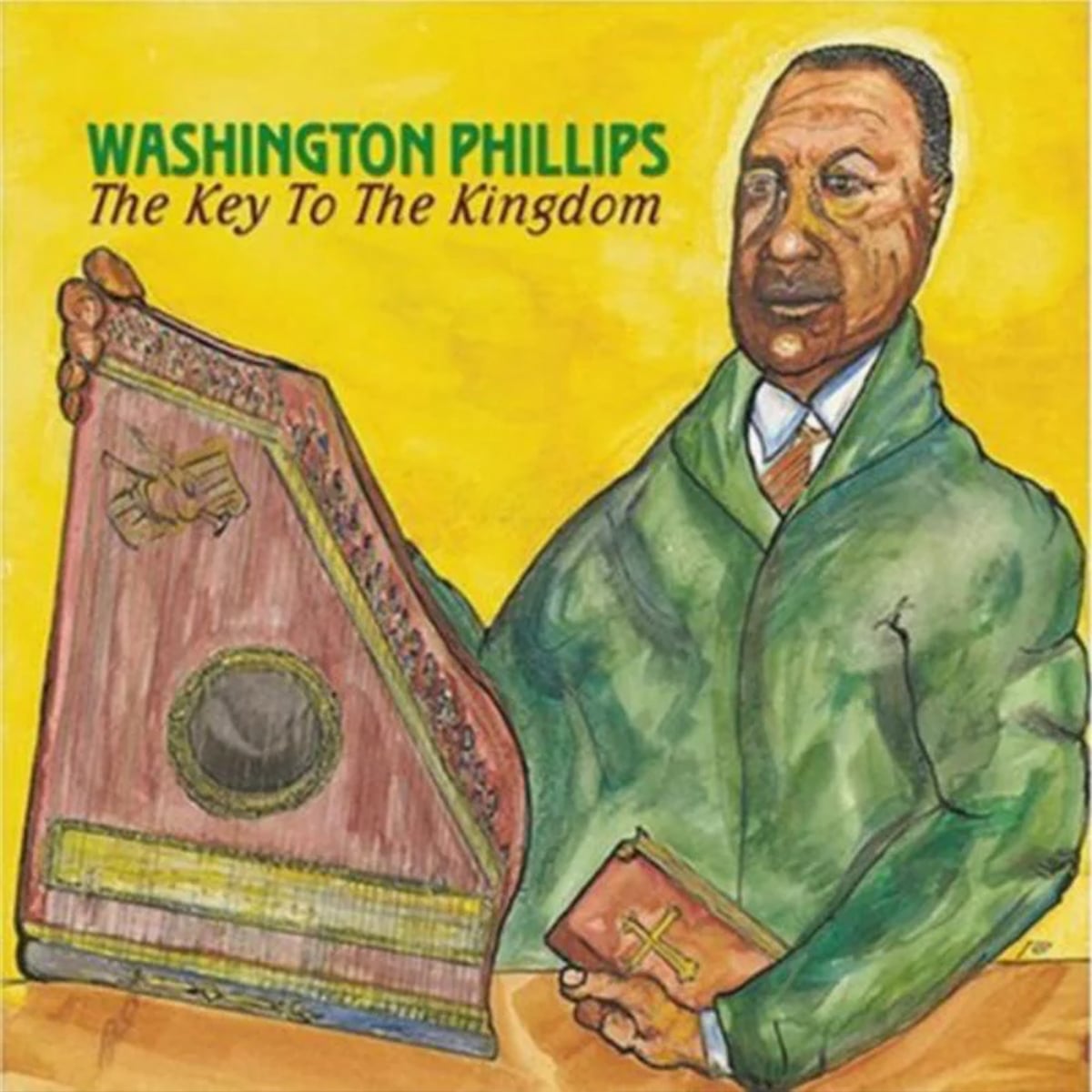
Born in 1880, the Texan gospel star Washington Phillips looked like he might be forgotten, but in the 1960s, musicologists became curious about his work, given that much of it featured and insturment that he had invented himself. Now, a century down the line, folks like Taylor are finding inspiration in it, commenting, “1926–1928 recordings of preacher-cum-music maker Washington Phillips, using his own literally glued together twin zithers with tunings of his own making, making celestial sounding harmelodic folk country gospel blues before the genres existed.”
He further expressed, “There’s nothing else like it on the planet and super ahead of its time. I would recommend trying to find original 78rpm shellac discs for the best and purest experience. However, if not, try the late ’70s first vinyl comp or this one listed above, the transfer is more pleasing and less brittle and harsh than later digital transfers.”
Pale Blue – ‘Breathe’
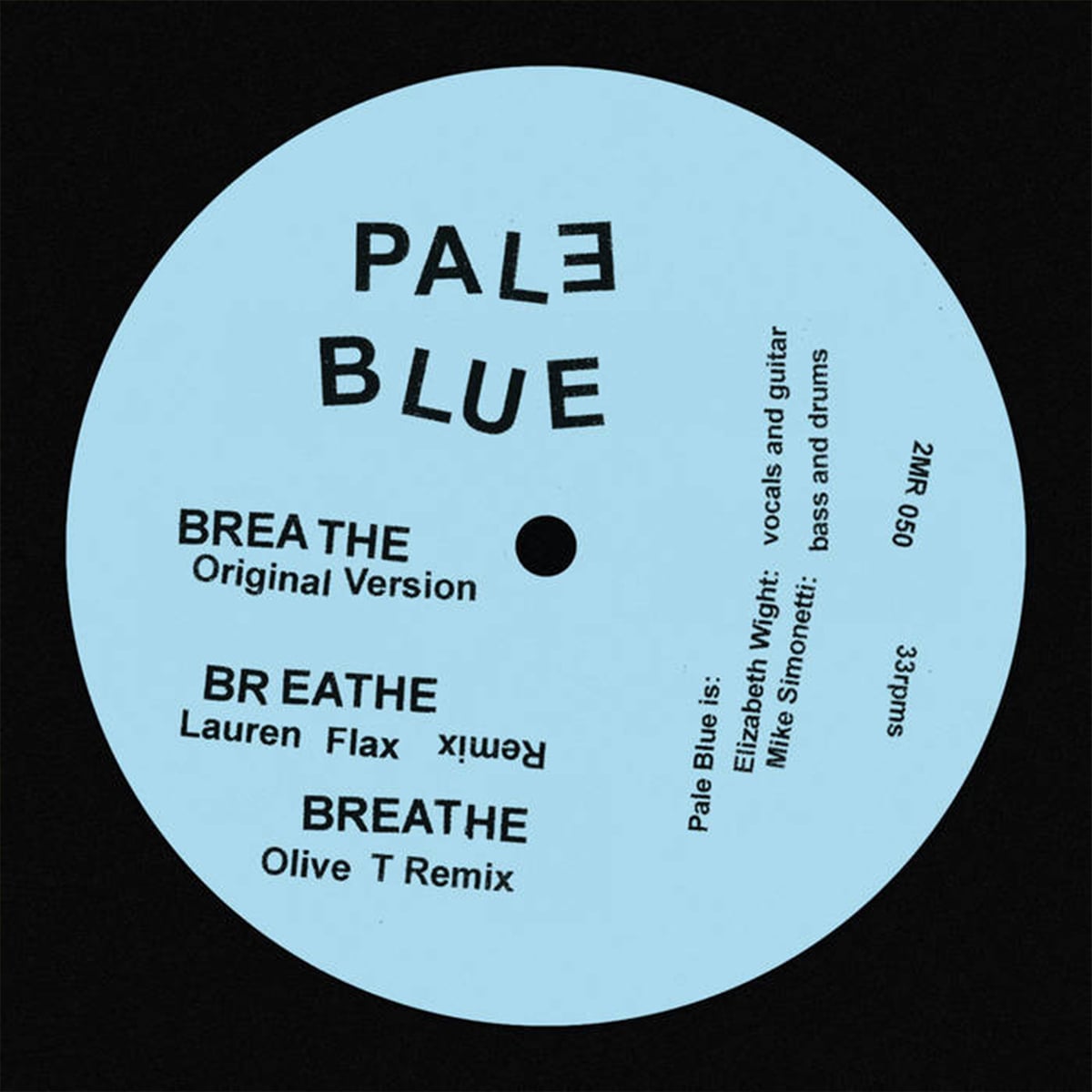
“Can I prescribe an EP?” Taylor asks. Of course, you can if it is as good for the health as Breathe by Pale Blue. Backed by that approval, Taylor continues, “In certain rare situations, these are best for the patient. Any larger dosage may be too much and lead to an overdose”.
He continues, “How has this helped me? It’s very powerful and moving. It’s exciting. It’s adventurous. The production is perfect and bassy and full and minimal all at once”.
Taylor concludes, “It goes beyond where most club music is interested in going. It asks the listener to go on a dark journey with a singer who has been attacked physically and who wants revenge, and who wants to call out those who didn’t help. It is a feminist call for action and safety, and it is wonderfully mesmerising.”
Javiera Mena – ‘Esquemas Juveniles’
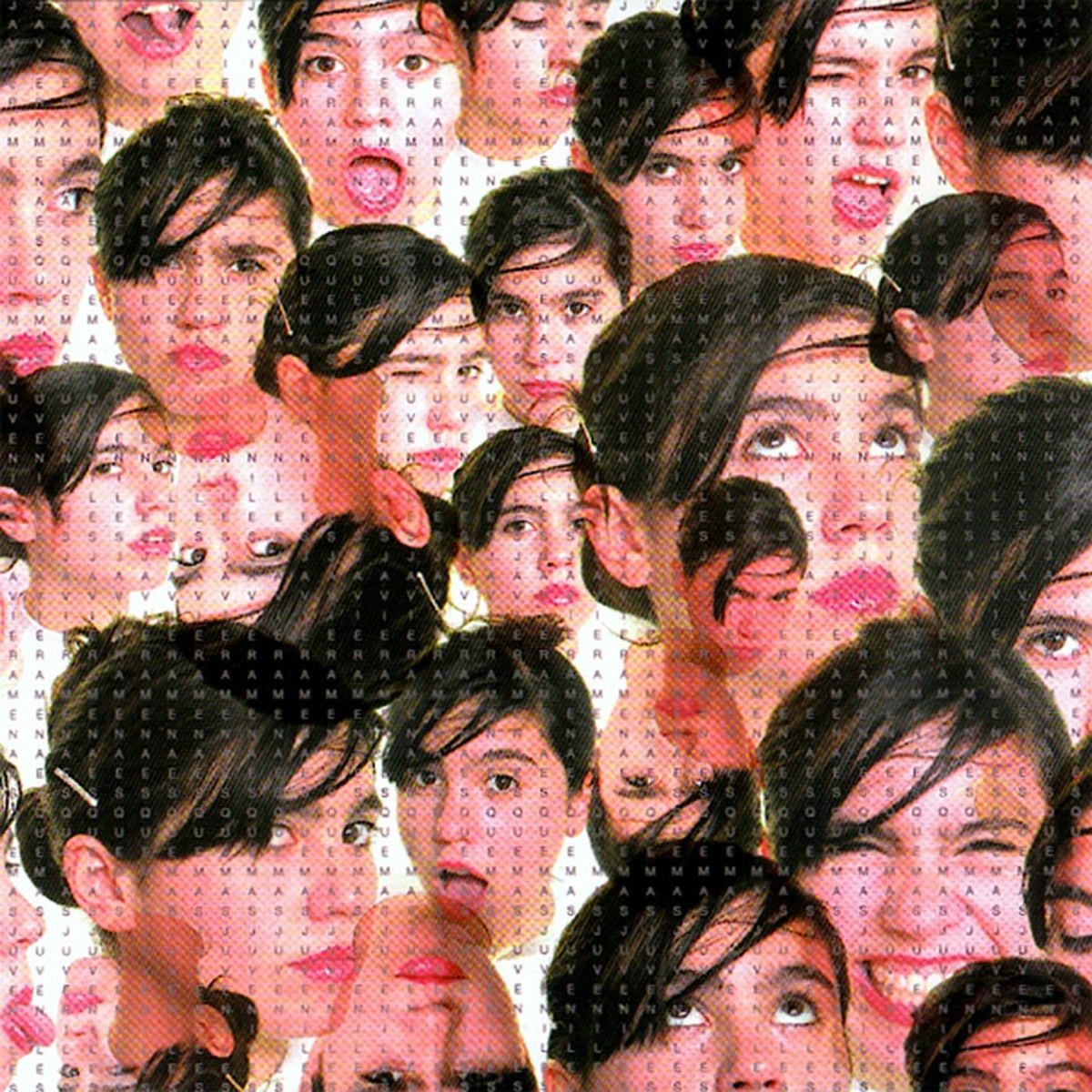
“Chilean pop star Javiera Mena got my attention on a more recent tour where her music reminded me a little of Sade, but all its own modern thing,” Taylor explains regarding his discovery of Mena, who emerged in 2006 with this singular, jazzy, genre-less debut album.
Thereafter, Taylor and Mena became friends, with the Hot Chip frontman explaining, “We bonded over a love for Robert Wyatt and, in particular, the heartbreaking protest song of Chilean folk singer Victor Jara, ‘Te Recuerdo Amanda’ (which Robert had introduced me to, and Mena introduced me to the original).”
He concludes, “Javiera’s debut album has something of the emotional piano balladry of early Style Council records and is rich and moving, bright and powerful in its composure and restrained strength. Está en Trus Manos would be the entry point for new users, I would say.”
