


Five forgotten bands from Newcastle who deserved international recognition

Deep within the Arctic Circle, the wind-swept cobbled streets of Newcastle are considered by many to be simply too far north.
Too far north for what? Now, that is the question. For sensible coats, maybe. But certainly not for culture. Its isolation has actually caused localised culture to thrive. With a peculiar left upper-cut, Newcastle has always punched above its weight when it comes to the arts.
It’s a strange art scene up here, inspired just as much by the “the old blind busker who plays at Fenwick’s door” as it is by global icons like Jimi Hendrix, who, as it happens, once spent a few pre-fame weeks busking in Heaton himself.
This odd mixing bowl of local quirks, international connections via the city’s shipbuilding history, and a collective, leftist, working-class spirit has, somehow, created a wellspring of talent that defies the lack of support the area has traditionally received.
From Bryan Ferry finding the middle of a Venn that nobody knew existed, where Humphrey Bogart and ‘Applied Art’ overlap to create pop music 20 years ahead of its time, to Sam Fender venturing into the lesser-trodden ground betwixt teenage reverie and socialism, Newcastle is a hotbed for artistic experiments that live and die by their own devices.
But not all the greats from this town have hit the heights of the aforementioned heroes, though. For some, the ‘too far north’ mantra has been stifling to wider success outside of the North East. In fact, you could argue that in an era before the internet, even modern breakthroughs like Richard Dawson and Nadine Shah might not have had their share of the cult spotlight that they deserve.
With that in mind, we’re delving into the past to pluck out niche Geodie heroes who deserve to be remembered the whole world over.
Five Newcastle bands who deserved international recognition:
Punishment of Luxury
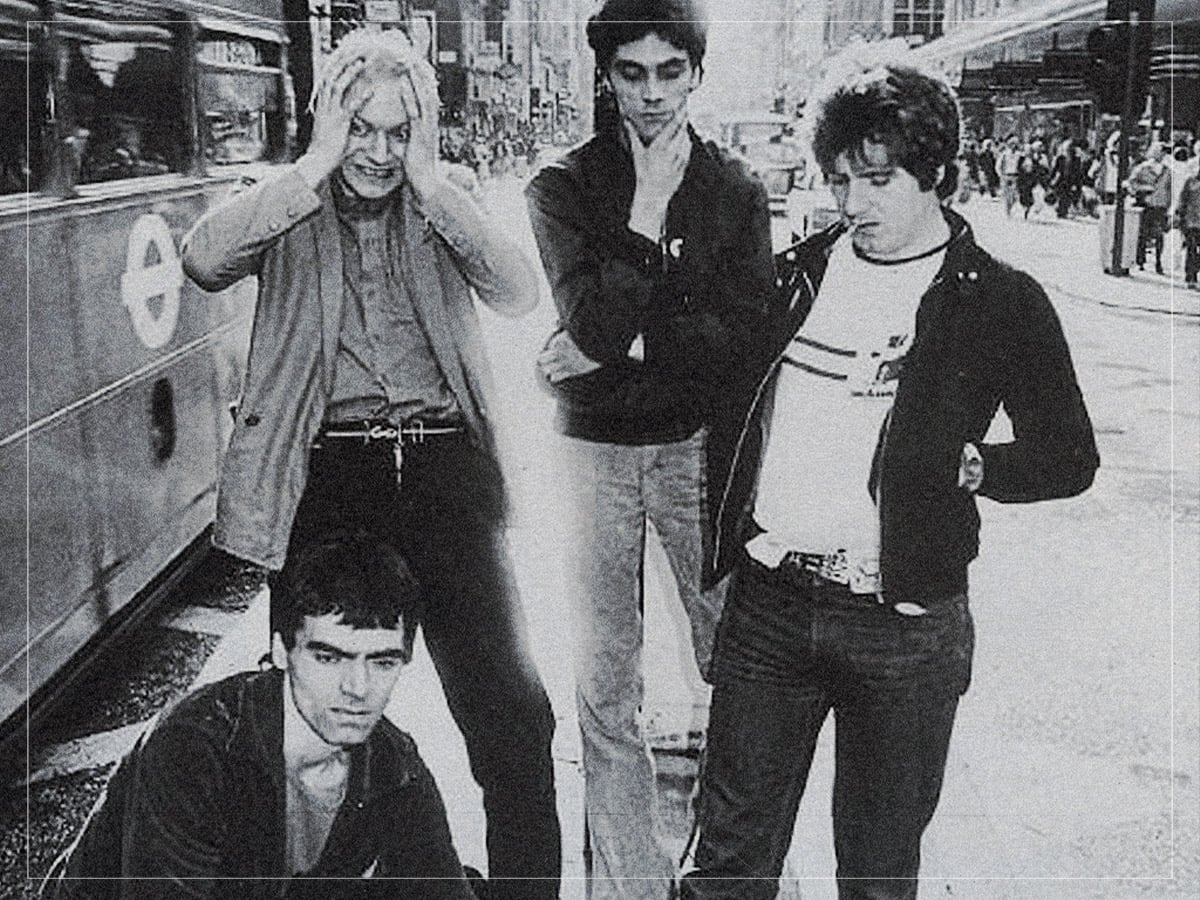
These days, masked bands are shunning fame all over campus, but when Punishment of Luxury seemingly precluded the potential success of their big break by appearing on the TV show, Alright Now, which had launched The Police and Dire Straits just a few months prior, wearing devilish facewear, it was an affront on convention.
These lanky layabouts were post-punk pioneers who brought arthouse affectations to the emerging genre. Drawing on symbolism and smatterings of surrealism, Punilux, as their name was shortened to, could come out tomorrow, and you wouldn’t bat an eyelash. But back in 1979, they embodied the old adage of being too far ahead of your time.
Milky Wimpshake
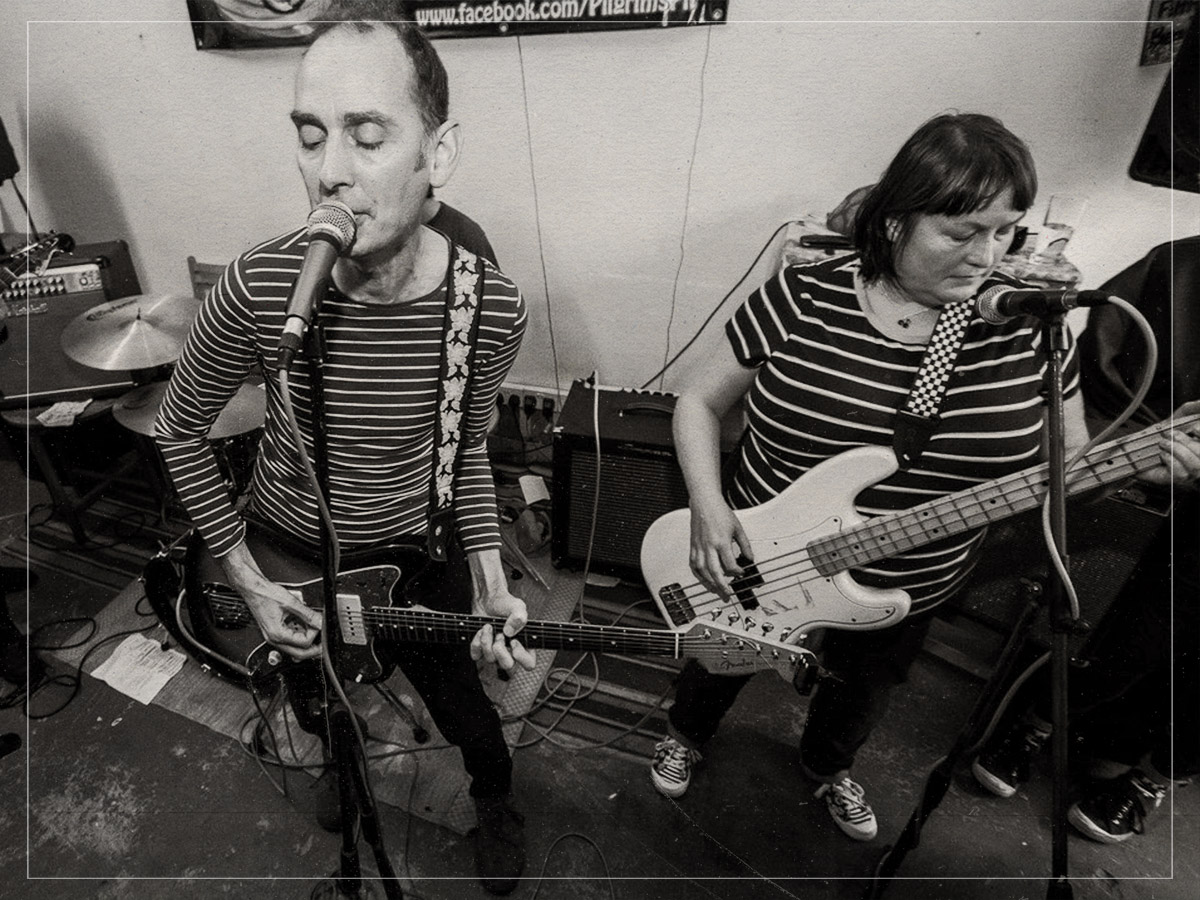
Pete Dale formed Milky Wimpshake in Newcastle back in 1993, and like a musical Karl Marx, his mantra was something close to: control your means of production. Thusly, it wasn’t only his angular indie music that proved seminal in the local scene, but also his insistence on a DIY determination.
Field Music, for instance, is just one of the many local bands that have hailed Dale as the leading cause for their continued existence. He essentially created a scene from scratch with Zines, labels, and art all part of his artistic arsenal. And as for Milky Wimpshake’s own output, Bus Route to Your Heart from 1997, as a title alone, showcases how influential the music itself was when it came to the indie boom that lay ahead.
:Zoviet*France:
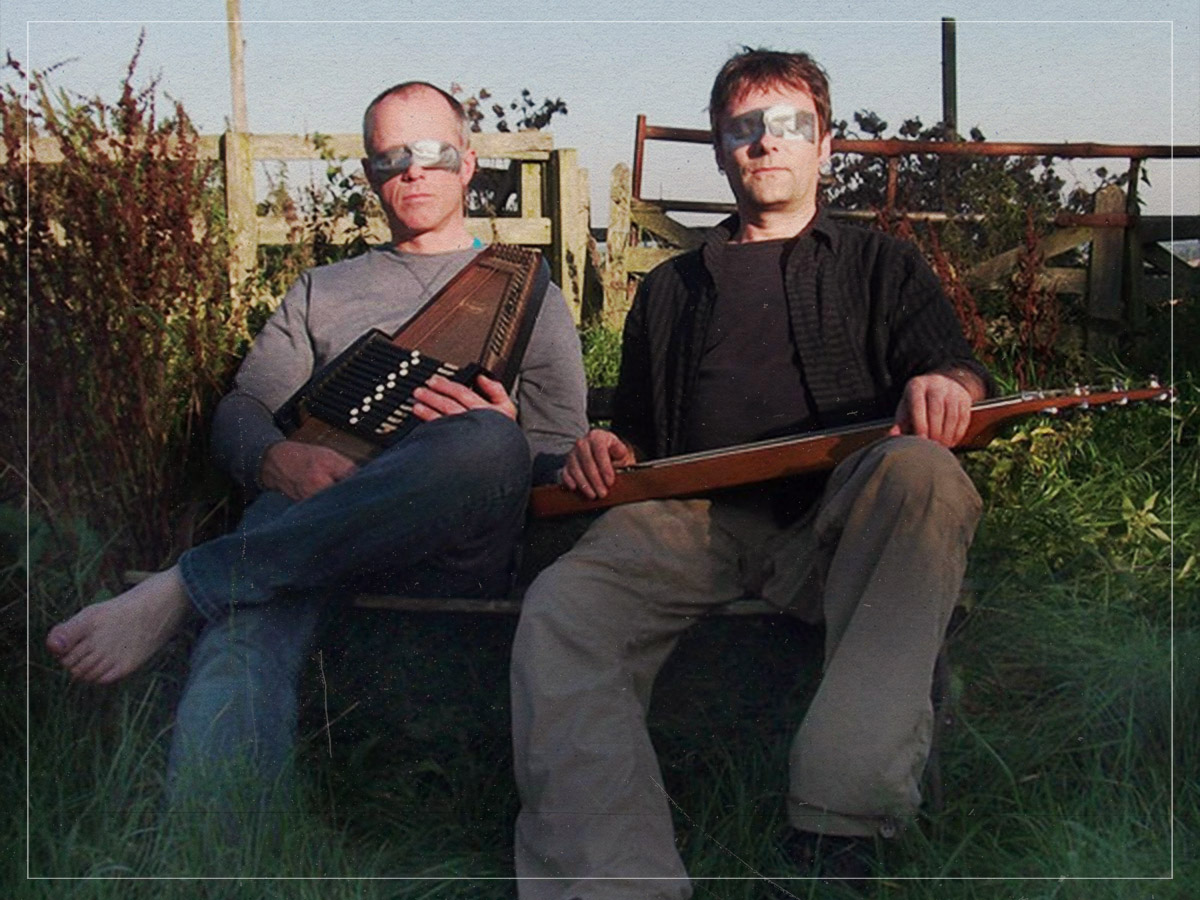
The dark ambient experimentalism of :Zoviet*France: is right out of the dusty recesses of the local Lit&Phil museum. Its peculiar post-industrial tones mingle with the city itself in a truly fascinating way. With headphones and the right lighting, :Zoviet*France: can completely alter a stroll through the Grainger Market in a glowing indictment of what experimental music is all about at its best.
Formed in 1980, this largely anonymous collective has delivered a proverbial shit load of music over the years, and all of it has been strange. Yet, none of it has been strange for the sake of being strange – I’m not sure a thirsty coal miner at The Starr would let you get away with that. Instead, their experimentalism looks to plumb new depths in the audio landscape and interplay with society’s brutalism. They have lived and breathed in this uncanny land entirely, right down to their album covers.
Alan Hull
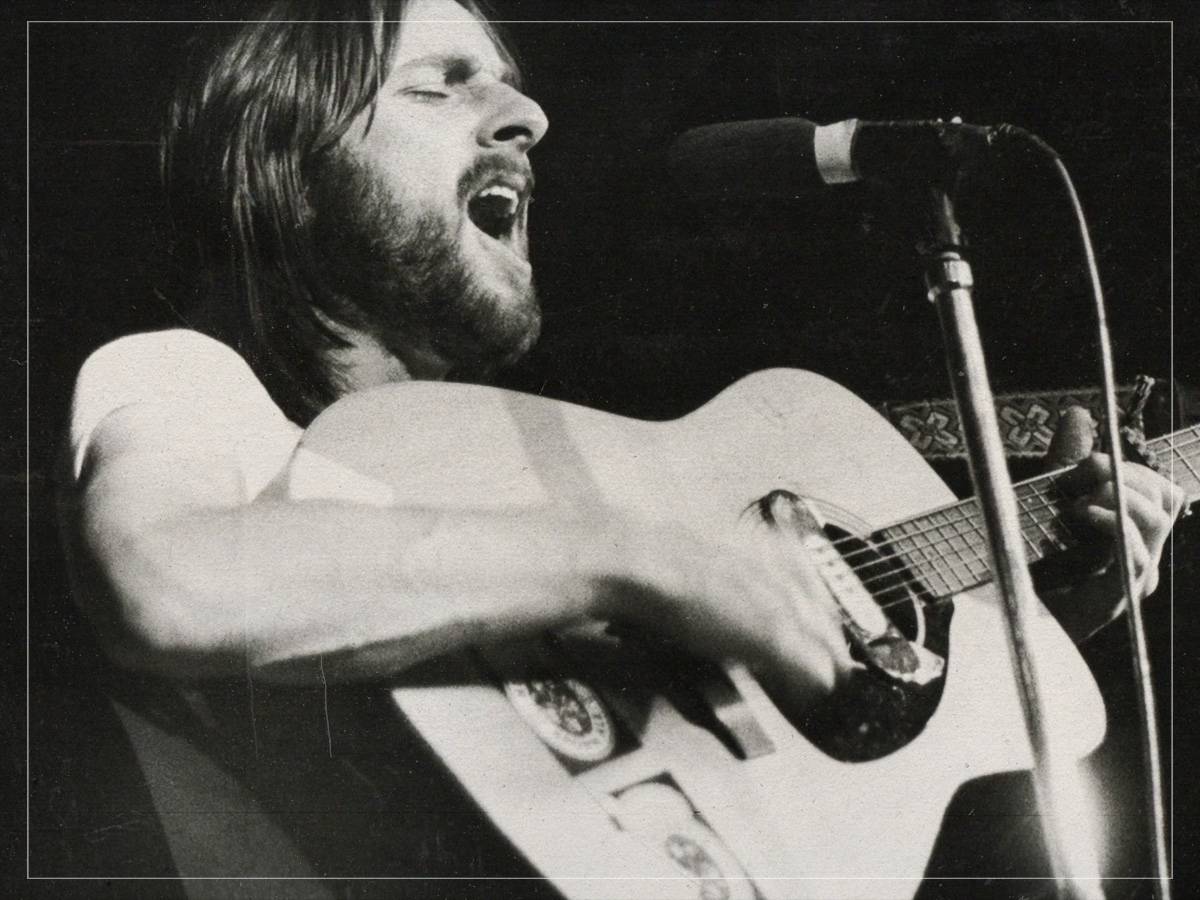
While Lindisfarne might retain a bit of notoriety, the songwriting of the group’s leader, Alan Hull, is less well-known. This fact prompted Sam Fender to make the documentary, Lindisfarne’s Geordie Genius: The Alan Hull Story, explaining, “Alan Hull truly was one of the most fantastic and underrated writers of his time.” With poignant yet quirky lyrics like, “And Santa’s in his module / He’s an American astronaut”, it’s easy to see why he feels that way.
Alongside his work with Lindisfarne, Hull released five solo studio albums. They have somewhat of a prog-folk feel to them and a touch of Brown Ale on their breath. Hailing from the tough streets of Benwell, there’s a grit and honesty to his roughshod music, too. He lent his voice to the shipyard and miners’ strikes along the way, embodying the ensemble sense of collectivism away from music as well.
Vashti Bunyan
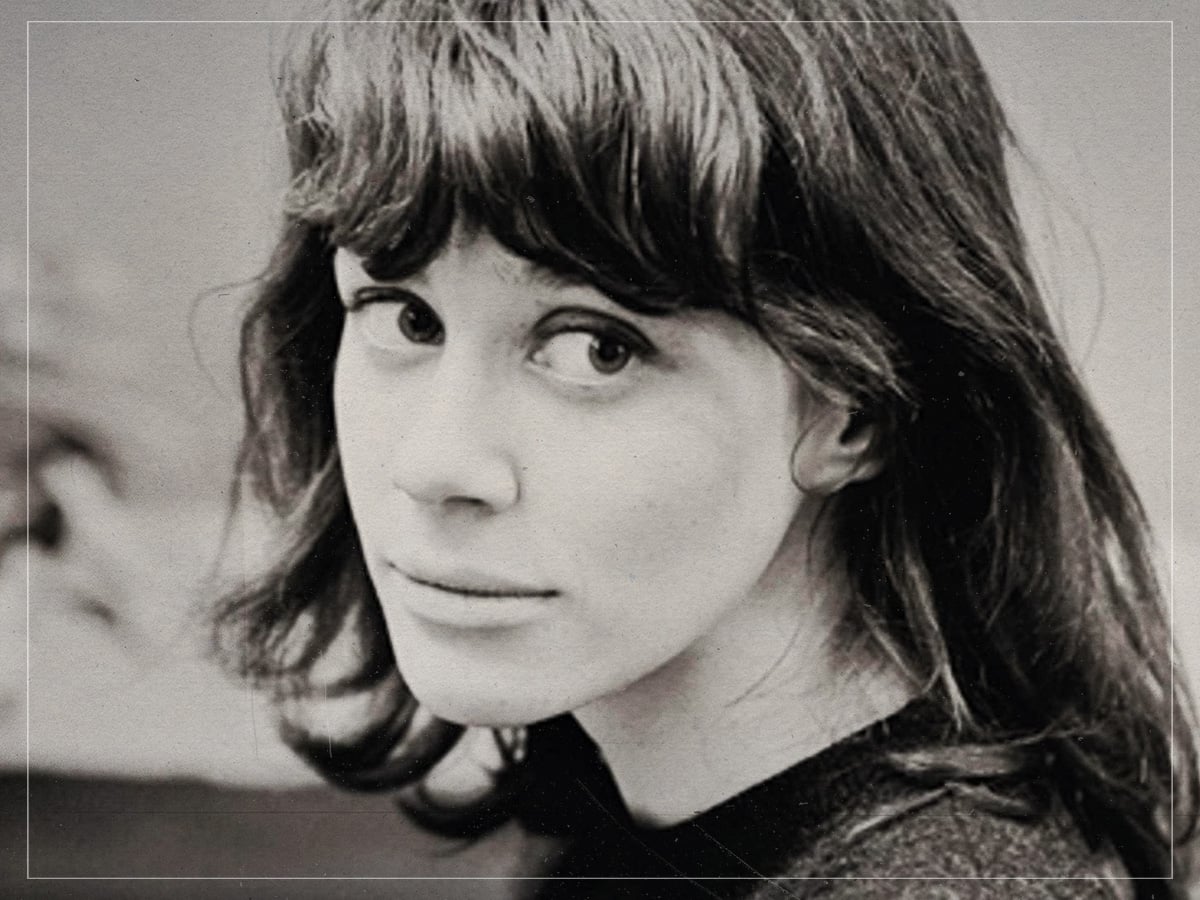
While Vashti Bunyan’s might have Tyneside when she was an infant, the folk singer always had an affinity with her roots in the region. In fact, while she might not have been old enough to retain memories of her days in Newcastle, her subsequent rejection of life in sanitised Hampstead Heath could be seen as a yearning for something a little more weather-beaten and real.
In a bid to find this authenticity, she swiftly went to New York City and found herself delivering what she was searching for all along. Bunyan’s music has a pillow-propped dreaminess to it. It is folk quilted in a dream-like wonder. Softly strummed and with a slight air of proto-ambience in the arrangements, it’s music that makes a morning coffee a little more magical.
