


Did the Sex Pistols attempt to kill rock and roll as we know it?

While the term ‘rock and roll’ originates from the birth of a movement in the 1950s, where an entirely novel approach was developed and brought to popularity, over time, it has come to be a more all-encompassing term that covers all of the diversions that have come as a result of its continuous development.
Rock and roll, in the truest sense of the genre as it was initially conceived, was born from a place of rebellion, and so, by the same metrics, other genres like heavy metal, and perhaps most importantly, punk, were considered to be the new ‘rock and roll’ when they would later emerge a couple of decades down the line.
While having a lot in common with it, these two examples were also both arguably created as an alternative to what had previously existed, acting as their own forms of rebellion against the cultural zeitgeist and attempting to breathe a sense of modernity into something that had grown beyond its humble origins as a counter-countercultural movement.
This is ultimately what has caused certain performers to speak about rock and roll in a dismissive fashion, as though the efforts of those who had given rise to the style were irrelevant to their own creative pursuits. Of course, this is completely untrue, and anyone who considers themself a connoisseur of any of rock music’s various iterations should be able to recognise that newer forms could simply not have come to be without the existence of some sort of predecessor.
All forms of the genre are interconnected, whether you like it or not, and no matter how much you try to create something that will ultimately challenge the very notion of its existence, you’re going to end up being compared to it.
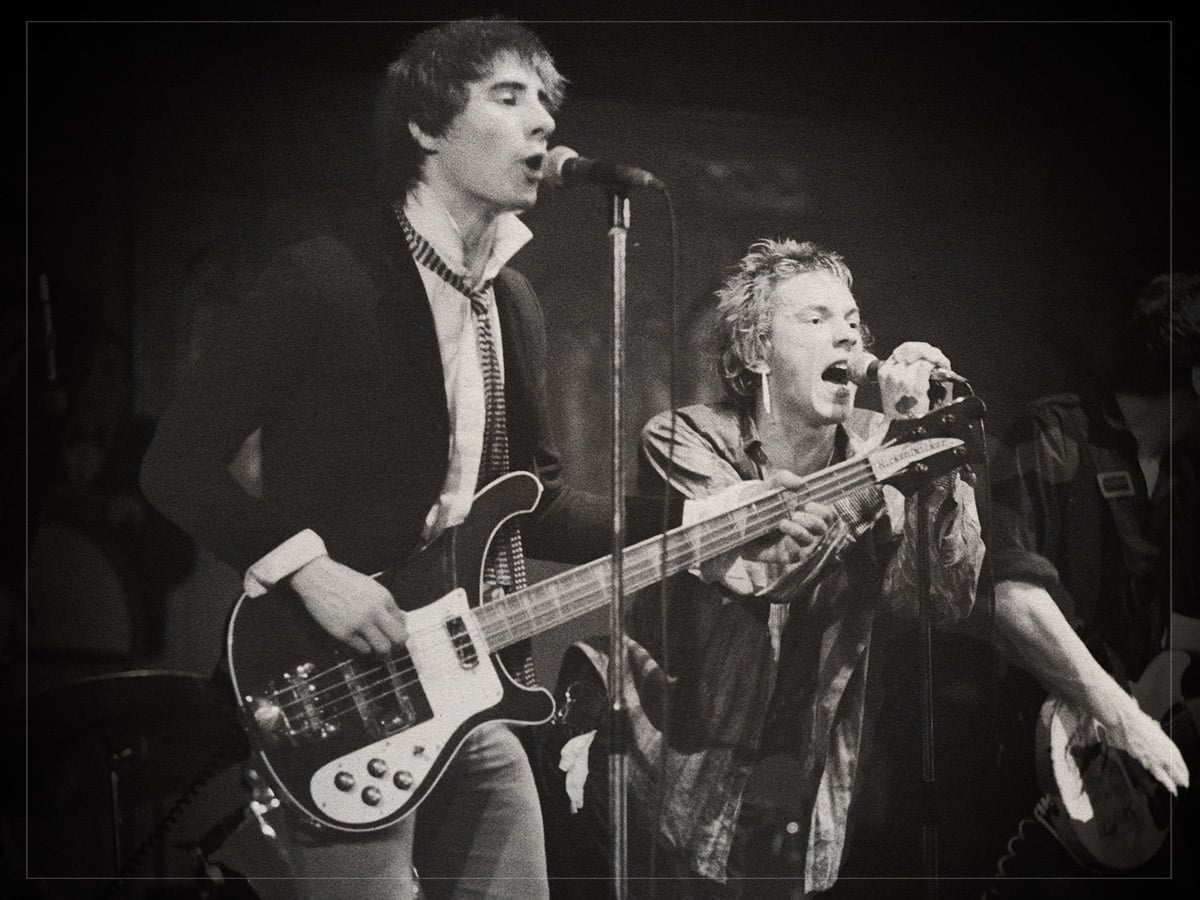
One example of a band who felt as though they were creating something of a rebellion against rock with their punk, and dare I add, rock stylings, were British upstarts Sex Pistols, whose outspoken frontman Johnny Rotten, aka John Lydon, claimed that everything he ever did was designed to serve as an attack on any preconceived notion of what rock could be.
“I’d never, ever thought of the Sex Pistols as rock and roll,” Lydon would proclaim in a 2023 interview with El Garaje de Frank. “In fact, what I stated when we first started in that band, it’s that we were the death of rock and roll.”
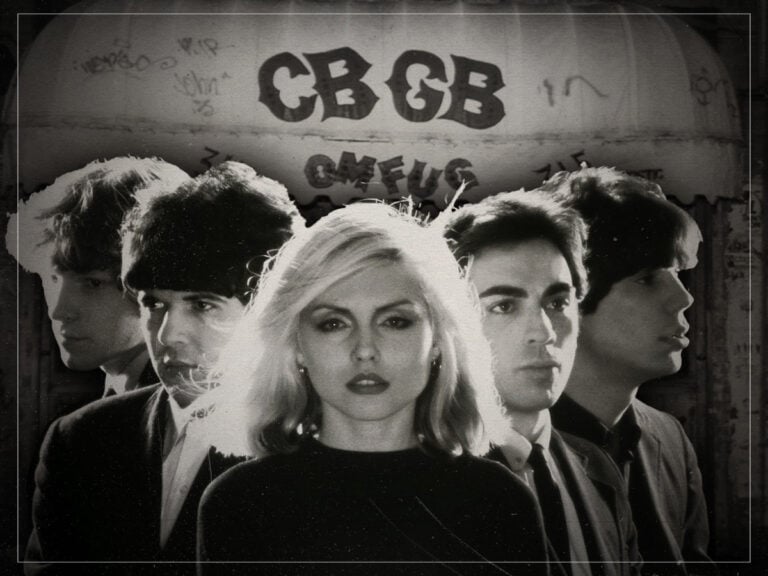

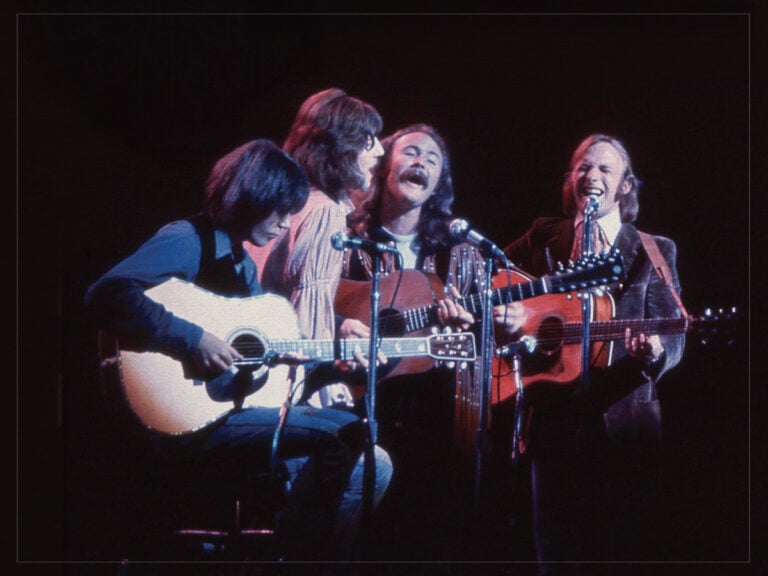
Adding, “We absorbed the ideology of Do It Yourself. Rock and roll had become, and probably always was, a very, very business structure and one that people like us would naturally feel alien to. Being working class, my natural instinct is not to work for a corporation. The voice of true rebellion.”
However, can a band like Sex Pistols, who were ostensibly manufactured by music industry impresario Malcolm McLaren, signed to a big record company in Virgin, and who created a moral panic and media stir with their outlandish antics, ever truly be considered as the antithesis of rock and roll? In fact, they had not just followed exactly the same path that rock and roll had done before and inadvertently given it a new lease of life.
As long as a genre or style is brought into existence, then it can never truly die or be killed. Acknowledging that is important, and accepting it takes even more, and no matter how much you might feel as though you want to put rock and roll to sleep, there’s simply no avoiding the fact that most of the music you love today wouldn’t have existed had it not been for rock and roll coming before it.
