


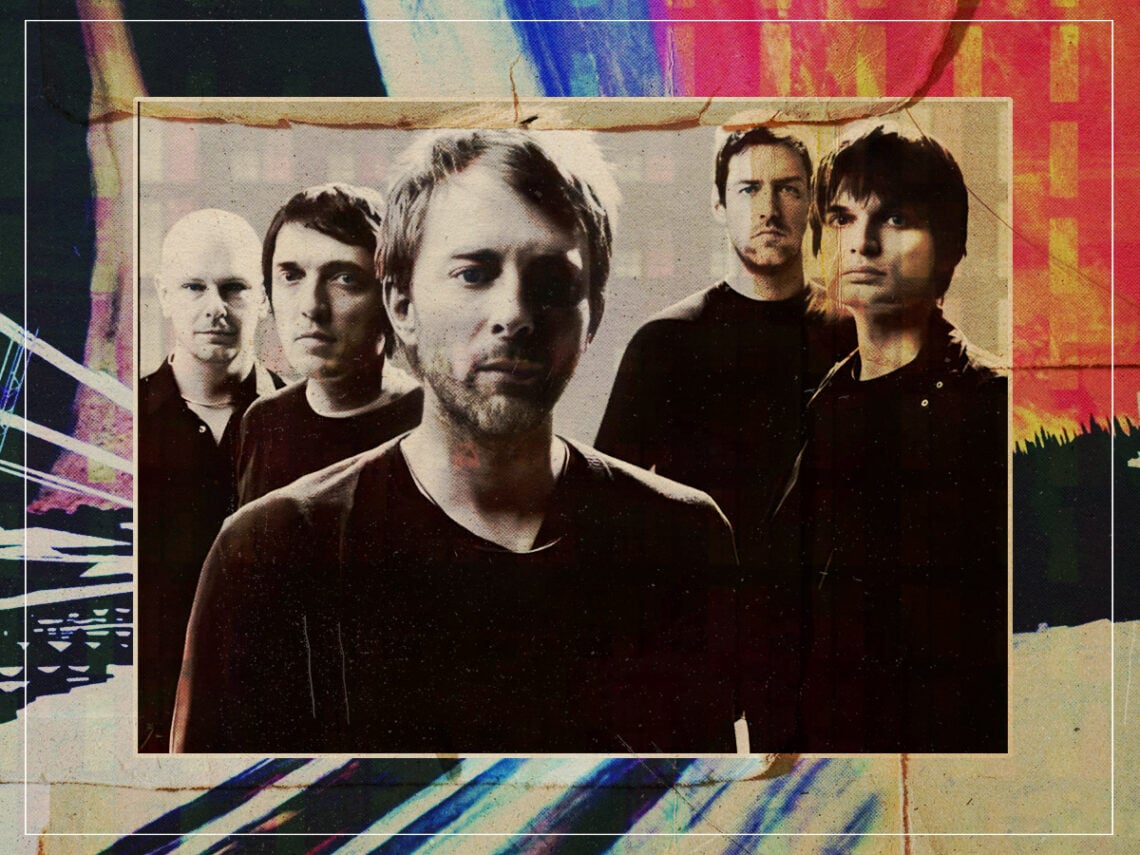
Did Radiohead’s ‘free’ album sell well?

Giving out music for free, eh? There are a lot of modern artists who would argue that’s precisely what they do in the current world. Streaming numbers crunching down profitability to mere pennies, leaving the only real currency to pursue in musicianship is integrity. But even that gets swallowed up by the TikTok overlords.
Lucky for Radiohead, they’ve reached a level of music immortality that the perils of the modern world largely elude them. However, that doesn’t stop them from engaging with the injustice that their younger counterparts have to face. In a recent interview, Thom Yorke said, “I feel like as musicians, we need to fight the Spotify thing. I feel that in some ways, what’s happening in the mainstream is the last gasp of the old industry. Once that does finally die, which it will, something else will happen.”
He added: “But it’s all about how we change the way we listen to music, it’s all about what happens next in terms of technology, in terms of how people talk to each other about music, and a lot of it could be really fucking bad.”
The almost dystopic world of streaming is rather poetically unjust, given the marketing stunt the band pulled in 2007. Upon the release of their seminal album In Rainbows, the band were enjoying newfound independence after parting with major label EMI. And so the highly anticipated album could be released however they wished. Subsequently, the band decided to release the record as a digital download from the website, on a page that invited fans to “pay what you wish”, be it nothing at all. In turn, a “digital tip jar” was set up to collect voluntary payments and bands were given a safe space to help themselves to the album.
For a group that had summited music’s proverbial Everest, it was an opportunity to give back to an army of dedicated fans and withdraw the bureaucracy that had contaminated their career, thus far, in a bid to make music ‘pure’ again. But ultimately, the release in 2007 was on the cusp of the digitalisation of art and, subsequently, gave way to future opportunities of exploitation.
Yorke said, “When we did the In Rainbows thing, what was most exciting was the idea you could have a direct connection between you as a musician and your audience. You cut all of it out; it’s just that and that. And then all these fuckers get in a way, like Spotify suddenly trying to become the gatekeepers to the whole process.”
But if the experiment proved anything, it’s that without the conduits of digital exploitation, fans were willing to pay the price for records that their favourite bands achingly created. The $1.75million fans generated in CD sales was superseded by the digital download stunt, which is rumoured to have made roughly $3m, with the average price paid for the record being $6. Upon that, 100,000 units of the deluxe box set version of the album were sold at $80 a pop, boosting sales and emphatically proving the willingness within the music community to pay for the receipt of artistry.
Has anyone else released an album for free?
In 2009, Billy Corgan got the Smashing Pumpkins back together and not for the paycheck. He released a 44-song album that was released for free. Their eighth album, Teargarden by Kaleidyscope, was released on October 31st of that year, with each song being made progressively available, one by one, on their website before being compiled into 11 four-track EPs. These EPs were then collected into a box set “album”.
Corgan explained the move, stating, “I want no limitations on what I can and will do. I think the size and shape of the traditional album is just morphing into something much more in the moment. Four songs at a time will mean I can give my heart over to the music fully without giving away my now happy life.”
