


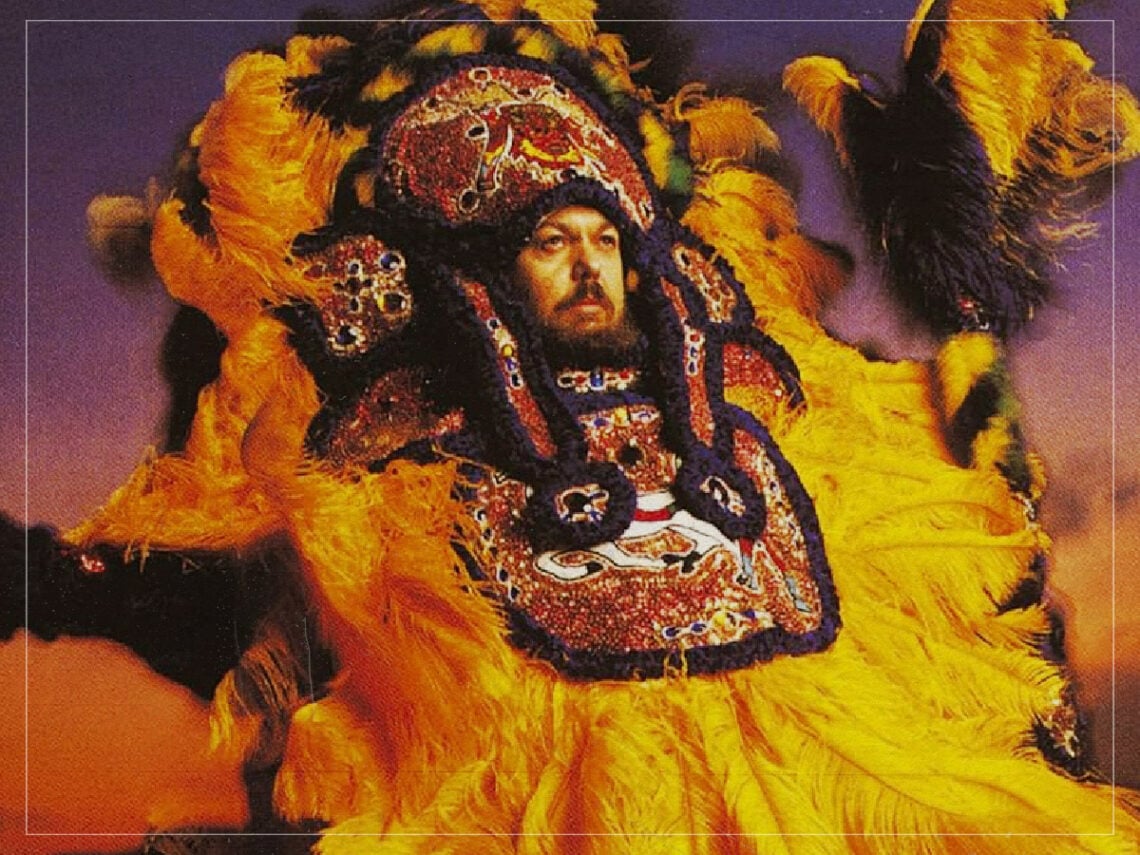
Did Dr John actually perform voodoo on stage?

Like many older Gen Zs and millennials, my first proper introduction to voodoo came young, courtesy of everyone’s favourite animated girl group, The Hex Girls from Scooby-Doo and their track ‘Who Do Voodoo’, which was a certified banger, and I won’t hear otherwise.
Given that they were witches, we can safely assume they’d tried their hand at voodoo, but what about the great Dr John?
Malcolm John Rebennack Jr was a singer, songwriter and pianist born in New Orleans in 1941, and his music was a rich mix of the city’s blues, jazz, R&B, soul and funk. He got his first break thanks to his dad, who ran an appliance shop in the East End, mending radios and tellies while selling records on the side. It’s how young Mac first came across jazz legends like King Oliver and Louis Armstrong, who went on to inspire his 2014 album Ske-Dat-De-Dat: The Spirit of Satch. His father’s contacts also opened doors to local studios, where Mac would hang about, soak it all in and sometimes even jump in for a session with the likes of Little Richard and Guitar Slim.
Mac began performing in New Orleans clubs, primarily on guitar, often alongside local artists, and of this period, he told Uncut, “I’m always grateful to my father for telling me, ‘Your head ain’t on no school. My advice to you is to take that job on the road’. My father used to fix the PA systems at clubs and restaurants where they had music. Those were the days when people paid my father with fish or ducks. Real things. Life was a lot simpler, and it was a gig, you know?”
At 13, Rebennack met Professor Longhair, and impressed by the flamboyant pianist’s style and presence, Mac soon began performing with him, beginning his life as a professional musician, but after several run-ins with the law, he had to leave New Orleans and relocate to Los Angeles, working as a session musician while quietly incubating the ‘Night Tripper’, a persona that would draw on the spiritualist churches and street traditions he’d grown up around in New Orleans’ Lower Ninth Ward.
Los Angeles proved to be creatively productive but culturally alien, and in many ways, the Night Tripper reads a lot like a response to homesickness, a way for Rebennack to anchor himself to his childhood and the city he’d left behind. He was also carried forward by a broader shift in the musical landscape: by 1968, the utopian colour palette associated with Sgt Pepper’s Lonely Hearts Club Band and the Summer of Love was beginning to curdle and fade into a moment which favoured the dark, brooding mysticism offered by the Night Tripper.
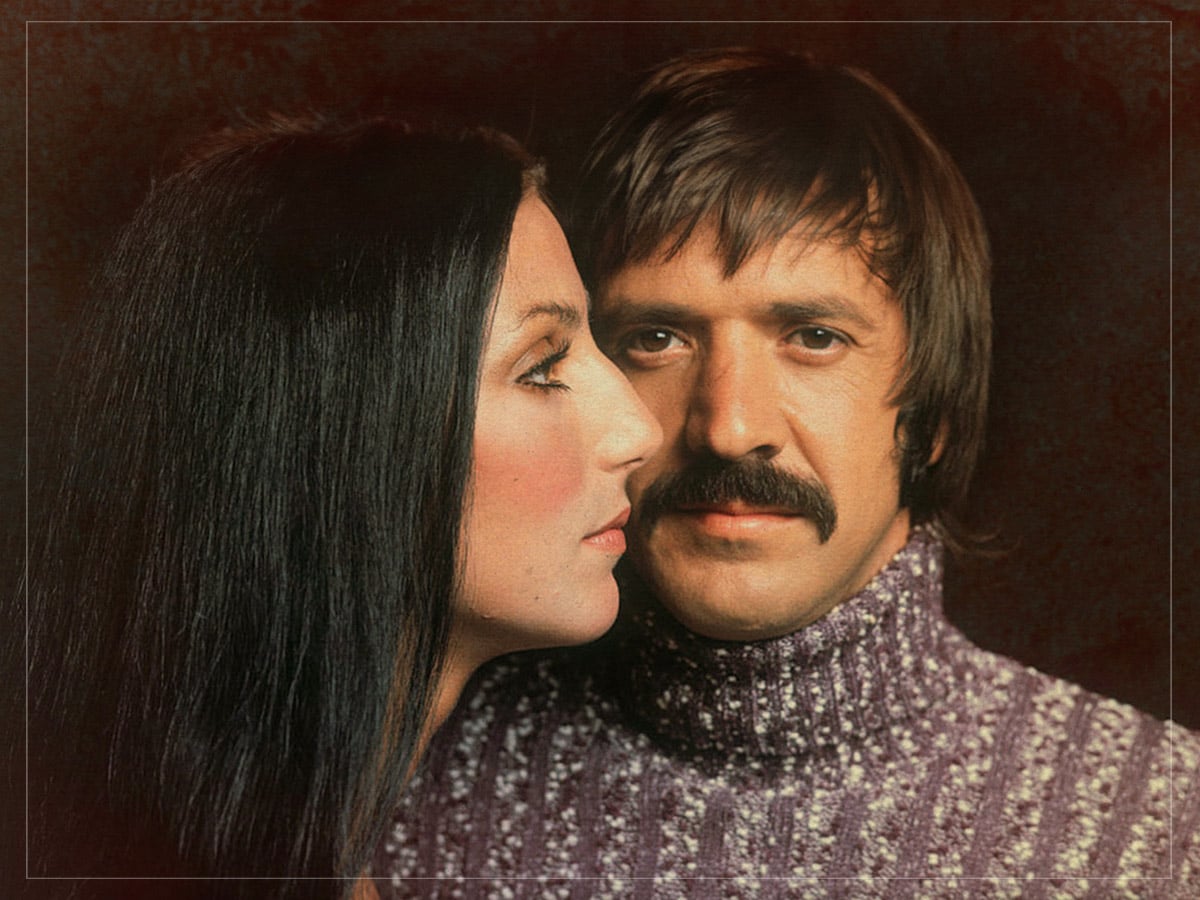
Fortune also soon placed Rebennack back in the company of fellow New Orleanians in the form of Sonny & Cher’s session musicians, who were recording with them in LA for Atlantic Records. “All of the guys on that record were from New Orleans,” he told Uncut, “One thing about people from New Orleans, we know it’s better to hang together than to hang separated.”
Stealing moments in the studio between the Sonny & Cher sessions, Rebennack and his merry band of New Orleanians set to work on Gris-Gris, which he insisted should be rooted in real New Orleans voodoo practice. He wanted the album’s chants, rhythms and call-and-response structures to echo ceremonies he’d witnessed firsthand, albeit carefully reshaped and reworded for the stage with the blessing of his home city’s reverend mothers (voodoo practitioners), hence certain boundaries, he recalled, were non-negotiable: “That’s OK. But don’t do this, don’t do that”, they told him. This relationship was reciprocal, for Rebennack later fronted a voodoo church and helped the reverend mothers navigate the legal system in Louisiana, ensuring that their spiritual healing practices could continue without fear of prosecution.
Released in 1968, Gris-Gris combined voodoo rhythms and chants with the New Orleans music tradition, delivering 36 minutes of shadow, mystery and intrigue, which culminated in an elaborate stage show that Rebennack toured extensively through the late 1960s, but while he became legendary for his mystical performances and elaborate voodoo regalia, what actually happened onstage was, in his own words, ‘show business’, albeit firmly rooted in genuine cultural tradition.
He told Uncut: “We did a whole voodoo show. We did what you would actually see [at a voodoo ceremony], but made it into show business, which was taking what we used to do with minstrels and mixing it with stuff from the mardi gras Indians, like the fur suits I had. We had a guy that was a wild man for the Creole Wild West, way back in the game in the 1930s… All of these people contributed something that made this music different, and we were trying to keep the spirit of all of that.”
Gris-Gris failed to chart on either side of the pond, but decades later, after it was reissued on CD, it received far greater praise from modern critics and appeared thrice on Rolling Stone’s ‘500 Greatest Albums of All Time’ in 2003, 2012, and 2020. Thus, when the ‘Voodoo Prince of Orleans’ passed away at 77 in 2019, he had six Grammys under his belt, having produced over 30 albums and worked with stars like Eric Clapton, The Rolling Stones, and Paul McCartney, among others.
