


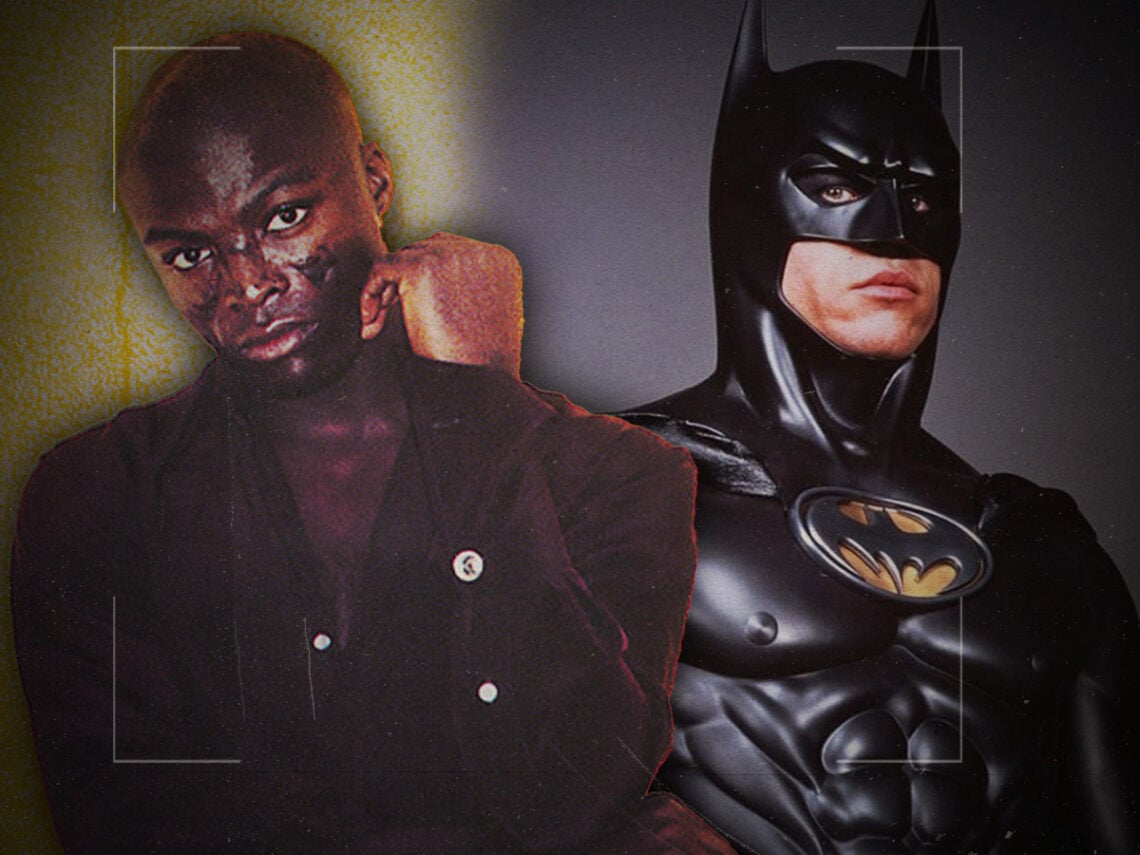
Did a 1994 Seal song save the ‘Batman’ film franchise?

Charles Darwin once observed that the number and arrangement of bones in the human arm were essentially the same as those of a seal flipper and a bat wing, supporting his theory of common ancestry among the three wildly different-looking mammals. Up until 1995, that was pretty much the best connection anyone had yet made between a seal and a bat.
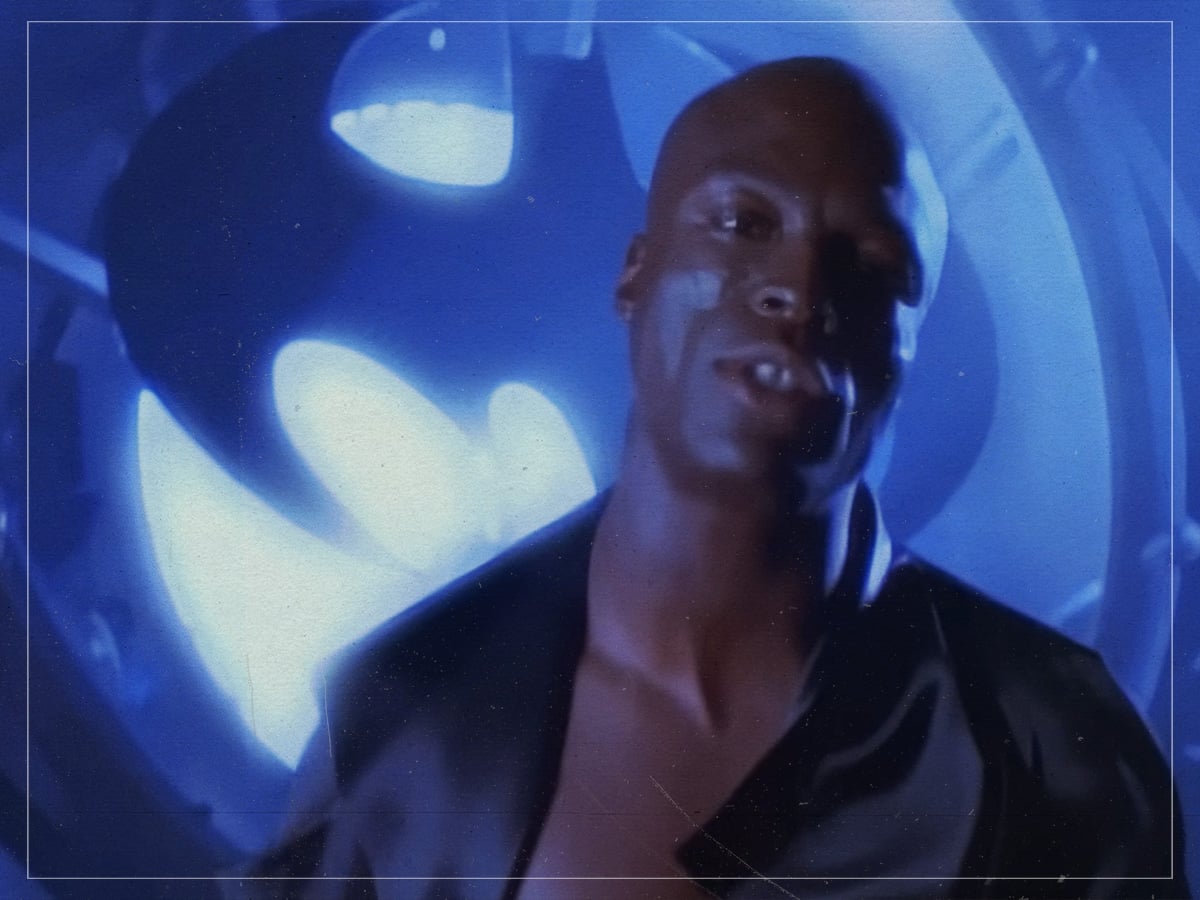
Then, suddenly, the two critters were inextricably joined together by one of the quintessential pop culture moments of the 1990s: British soul-pop singer Seal belting out the song of the summer, ‘Kiss From a Rose’, in front of the iconic bat signal from the third cinematic instalment of the ‘Caped Crusader’ film franchise, the Joel Schumacher-directed Batman Forever.
This legendary coming together of Seal and Bat provided the indelible image from the 1995 music video for ‘Kiss From a Rose’, also directed by Schumacher. In typical ‘90s style, the video combined fresh footage of Seal, suit jacket, no shirt, singing on a rooftop, spliced with selected scenes from Batman Forever, the star-studded comic book movie that marked Val Kilmer’s debut in the cape and cowl, going up against Jim Carrey’s Riddler and Tommy Lee Jones’s Two-Face, with Nicole Kidman as the love interest.
It was a lot easier to engineer a blockbuster in the ‘90s, as cineplexes were in a much healthier state, faced with no competition from the internet or streaming services. Even home video was more of a help than a hindrance, as most films wouldn’t be available to rent from Blockbuster until at least a good six months after their theatrical release. If you wanted to be a part of the conversation on a new flick, you basically had one option.
That being said, the executives at Warner Brothers didn’t know how good they had it back then. Instead, they looked at the box office numbers from the second Batman film, Tim Burton’s 1992 sequel Batman Returns, and felt like its $267million worldwide intake was a bit disappointing. Critical feedback suggested that Burton’s distinctly dark take and the brooding performance of the formerly comedic actor Michael Keaton in the lead role were limiting the franchise’s appeal to children. And since this was the ‘90s, and Marvel Comics had yet to produce a single bankable movie project from any of its famous IP, the general perception was still that superhero movies were primarily for kids.
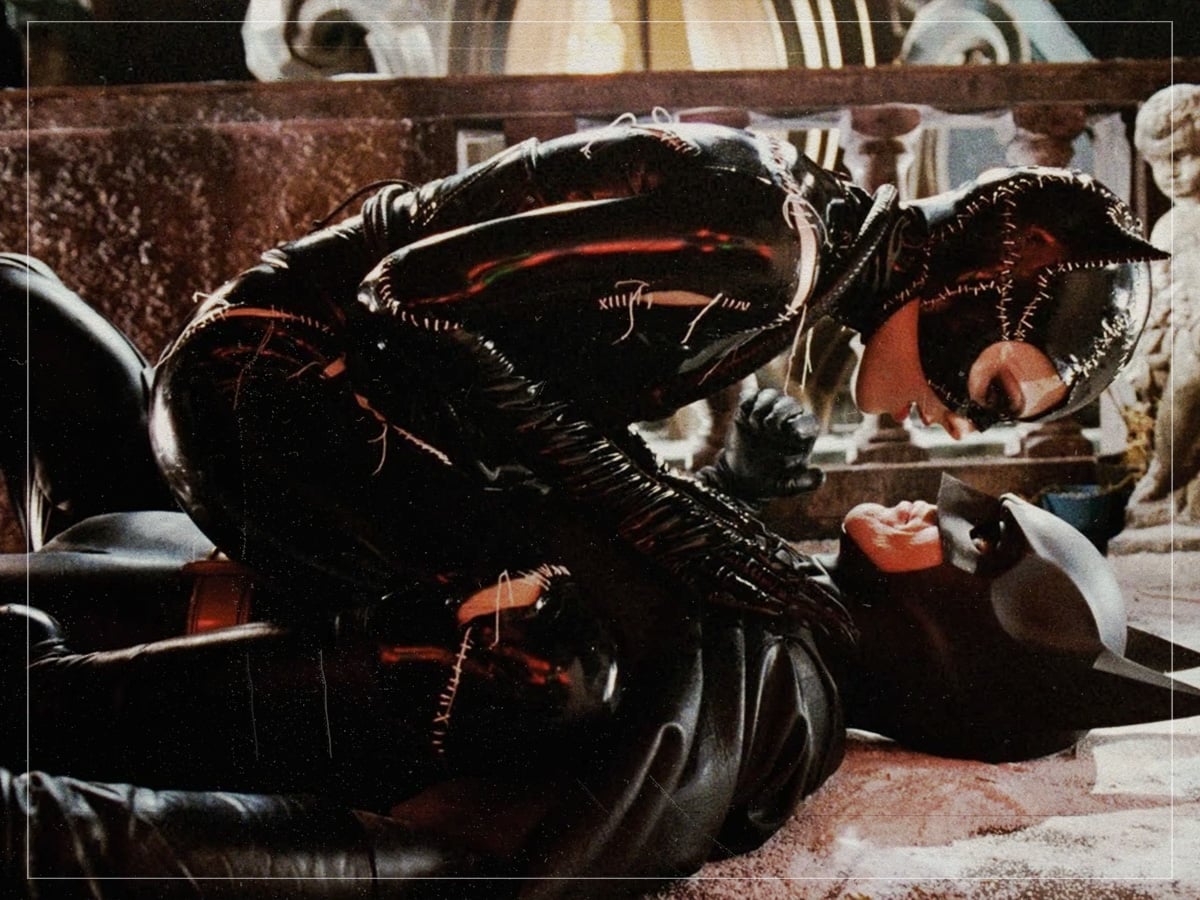
With this in mind, the Batman cinematic universe, as it were, stumbled through the next few years, as Warner execs tensely negotiated with Burton and Keaton, pondering which villains to introduce next, and more broadly tried to determine if superhero movies were even going to remain viable beyond the one-off success of that first Batman movie in 1989. You couldn’t bring Jack Nicholson back as the Joker, could you?
Oddly enough, Seal was going through a sophomore slump of his own at this point. His second self-titled album, released in 1994, had been a success by most measures, going to number one in the UK, but its sales topped out around 2m, which was less than one-third of the units his 1991 debut album had moved. One of the singles from the new record was an unusual little composition that he had been kicking around for quite a few years, called ‘Kiss From a Rose’.
He and his producer Trevor Horn had given it a lush coat of paint and a humdinger of a chorus, but in the summer of 1994, “It went into the chart at number 60, dropped to number 80 the second week and was done,” Seal recalled to the Arizona Republic in 2023. It wasn’t even worth tracking the record’s performance in America: it went completely unnoticed.
‘Kiss From a Rose’ didn’t resonate the first time around, perhaps, because it had no clear resemblance to anything going on in pop music at the moment. In theory, Seal’s established crossover appeal to fans of dance music, R&B, soul, and electro-pop should have enabled the track to slide in amongst the big 1994 hits from Ace of Base, Boyz II Men, Mariah Carey, and Babyface, but the song didn’t really fit the playlists of any of the stations playing those artists, especially in America.
It was too theatrical, with a strange Renaissance Fair vibe giving way to a big Aerosmithy chorus. The lyrics, additionally, skipped the usual romantic platitudes for straight-up psychedelic nonsense: “But did you know that when it snows / My eyes become large and / The light that you shine can’t be seen?”
“It was an odd song, a very odd song,” Seal said several years ago, noting that the melody and words had both come to him subconsciously when he was testing out a new piece of recording equipment way back in the late 1980s. He kept the song in his back pocket, but hesitated recording it for a long time. “I was listening to a lot of Jimi Hendrix and Led Zeppelin at the time,” he added, “and I just thought it was a bit kind of soft and wimpy, just very flowery. It’s not that I didn’t like it. It’s just that I wasn’t particularly proud of it.”
The relative failure of ‘Kiss From a Rose’ once it was out in the world in 1994 didn’t change Seal’s opinion of it all that much. What he didn’t know is that the song’s original release had merely been a soft opening, a teaser for a few segments of his European audience.
In July 1994, the same month the track was first released, Michael Keaton announced his detachment from the third Batman film, from which Tim Burton had already departed, and new director Joel Schumacher was now tasked with replacing his lead actor, which eventually went to Val Kilmer, and he accepted the gig without even reading the script, a choice he later regretted.

With a completely new creative team and cast, Batman Forever was carefully strategised with the goal of transforming Tim Burton’s shadowy noir into a big, colourful, comic book on screen, fit for maximum merchandising: toys, McDonald’s Happy Meals, and a proper ‘90s pop soundtrack to supplement Danny Elfman’s usual score.
This was the absolute peak of big-selling CD movie soundtracks, but even among stiff competition, the Batman Forever soundtrack was a doozy, featuring legit entries from U2, PJ Harvey, Massive Attack, Nick Cave, Method Man, the Flaming Lips, and The Offspring, among others. Only five songs from the album actually appeared in the film itself, but this had become the new normal in the new ‘90s, as soundtracks were used more as promotional tie-ins than functional elements of a movie.
The producers of the Batman Forever soundtrack likely expected its standout song to be U2’s ‘Hold Me, Thrill Me, Kiss Me, Kill Me’, a previously unreleased track which did, indeed, become a summer hit in 1995, reaching number 16 on the US charts and number two in the UK. The even bigger smash, however, was the song that played during the credits of the film; Val Kilmer and Nicole Kidman’s love theme of sorts. This was Seal’s ‘Kiss From a Rose’, plucked off the scrap heap and re-released in a slightly different, shortened mix, with the aforementioned new MTV video.
“We didn’t go in and re-record the song,” Seal explained, “It was exactly the same song that was in and out of the charts [a year before]. The difference was MTV, which had to play it. They didn’t like it enough the first time, or it didn’t fit their format. Who knows? But they probably had to play it, because however big the promotional engine of a record company is, the juggernaut that goes into promoting a movie, and the money a movie studio can throw at promotion, there’s no comparison.”
The song might have been helped by the Warner Brothers coffers, but it soon returned the favour; starting from the single’s re-release and entry into MTV rotation on May 30th, 1995, it quickly shot up the charts, with the music video serving as arguably the single most effective recurring advertisement for Batman Forever ahead of its release two weeks later.
Before ‘Kiss From a Rose’, the whispers around the new Batman were of scepticism surrounding the direction of the franchise, about Kilmer’s ability to play the lead and the upstart Ace Ventura star Jim Carrey playing a central villain. Schumacher found himself responding to sweeping criticism well before the film’s premiere, mainly focused on inane details like his decision to put nipples on the famous bat suit.
Now, through some miracle of cross-promotion, America’s fresh obsession with a year-old Seal song was reinvigorating interest in Batman, as well. Because this was the 1990s, the phenomenon seemed to carry on all summer, too, as both the movie and the song maintained their spots in the zeitgeist, invulnerable to the 10,000 digital distractions that doom most media in the 2020s.
If anything, the mania around Seal’s beautifully shoe-horned Batman anthem only increased as the weeks went along, until finally, by the end of August, ‘Kiss From a Rose’ had finally leap-frogged TLC’s ‘Waterfalls’ as the number one single in the States. More importantly to folks at Warner, despite Batman Forever being a pretty objectively bad movie, it had outgrossed its predecessor, Batman Returns, by nearly $80m, keeping the franchise afloat and paving the way for George Clooney to finally kill off this iteration of the Batverse a few years later.
Did Seal personally save Batman, and perhaps all future superhero movies, from certain oblivion? He would never be so bold as to say so, but he certainly is pleased that Joel Schumacher gave him a call, and that he, and millions of other people, grew to love the “odd” song he’d once shunned.
“It didn’t sound like anything before it and arguably since,” Seal explained in 2023, “It doesn’t do what you expect it to… If you’re lucky enough to have a song like that break through, it tends to have longevity, because what’s happened is this wonderful sense of discovery for the listener.”
Luck was certainly part of the ‘Kiss From a Rose’ story, Seal has acknowledged, “but it has to be a good song to begin with. So I’m sure I could speak for Trevor [Horn] when I say, we’ll take credit for that”.
