


The five best movies from the 1990s that nobody remembers

The 1990s were a great time for cinema, especially in America, with a resurgence of indie filmmaking making way for many incredible movies, from Pulp Fiction to The Virgin Suicides. In Britain, films like Trainspotting and Notting Hill proved that the country’s cinematic landscape was developing, while movements in France like Cinéma du Look and New French Extremity were continuing the country’s legacy as a pioneering force.
Yet, among countless future classics, an array of movies failed to gain as much popularity as they deserved. Sometimes, this is simply because they were overshadowed by something else that was released at the same time, or perhaps a film’s low budget prevented it from becoming widely distributed and seen.
If you dig a little deeper in the vast and varied world of ‘90s cinema, however, you can find some fascinating titles that explore the complex nature of growing up, immerse us in rich fantasy worlds, or tell moving and inspiring stories that are far less Hollywoodised than many movies of the decade, like Forrest Gump or Saving Private Ryan.
So, from Sarah Jacobson’s lo-fi Mary Jane’s Not a Virgin Anymore to the emotionally tender Ponette, here are five great movies from the 1990s that few people seem to remember.
The five best movies from the 1990s that nobody remembers
‘Mary Jane’s Not a Virgin Anymore’ (Sarah Jacobson, 1996)
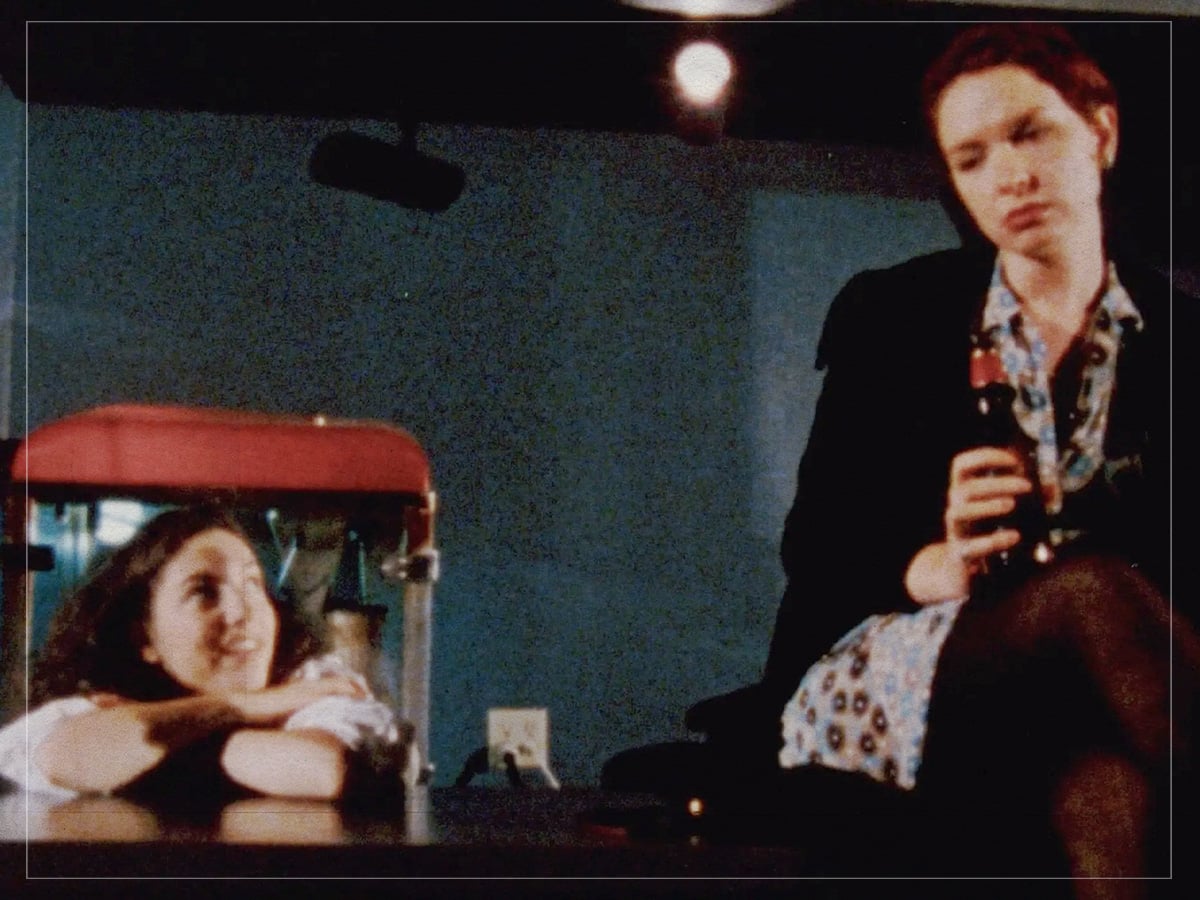
We’re starting underground with Sarah Jacobson’s Mary Jane’s Not A Virgin Anymore, which stands in stark contrast to many of the coming of age films that were popular at the time in Hollywood. Satirising the shiny and soulless way that Hollywood often depicts sex, Jacobson takes a refreshingly honest and raw look at the politics of navigating the sexual world as a young girl. The film was shot on 16mm and this DIY approach certainly reflects Jacobson’s desire to make a piece of art that didn’t hide anything from the viewer, basking in all of its messy glory in a way that most filmmakers are too scared to do.
Mary Jane, played by Lisa Gerstein, finds herself inducted into the complicated landscape of sex and relationships over the course of the film, with Jacobson exploring gender with a distinctively feminist edge. These days, Mary Jane’s Not A Virgin Anymore is a rare gem, but it’s definitely worth the watch if you’re interested in coming-of-age or underground cinema.
‘Three Examples of Me As Queen’ (Anna Biller, 1994)

Before Anna Biller made The Love Witch, she directed her first feature, Viva, which she also starred in as the titular character, a housewife who finds herself pulled into a strange sexual web. Yet, over a decade before she was able to make her debut, she wrote, directed, and starred in several short films, including Three Examples of Me As Queen, almost half an hour in length but bursting with evocative images that teased the start of an impressive filmmaking career for Biller.
The movie contains various scenarios in which Biller plays a queen, ranging from a queen bee surrounded by singing male bees, to Queen Poinsettia, who goes to a rock and roll party in the most amazing red mini-dress. Visually stunning and unashamedly low-budget, the film is a magical testament to the fact that cinema can be as dreamy and ridiculous as you want it to be.
‘Career Girls’ (Mike Leigh, 1997)
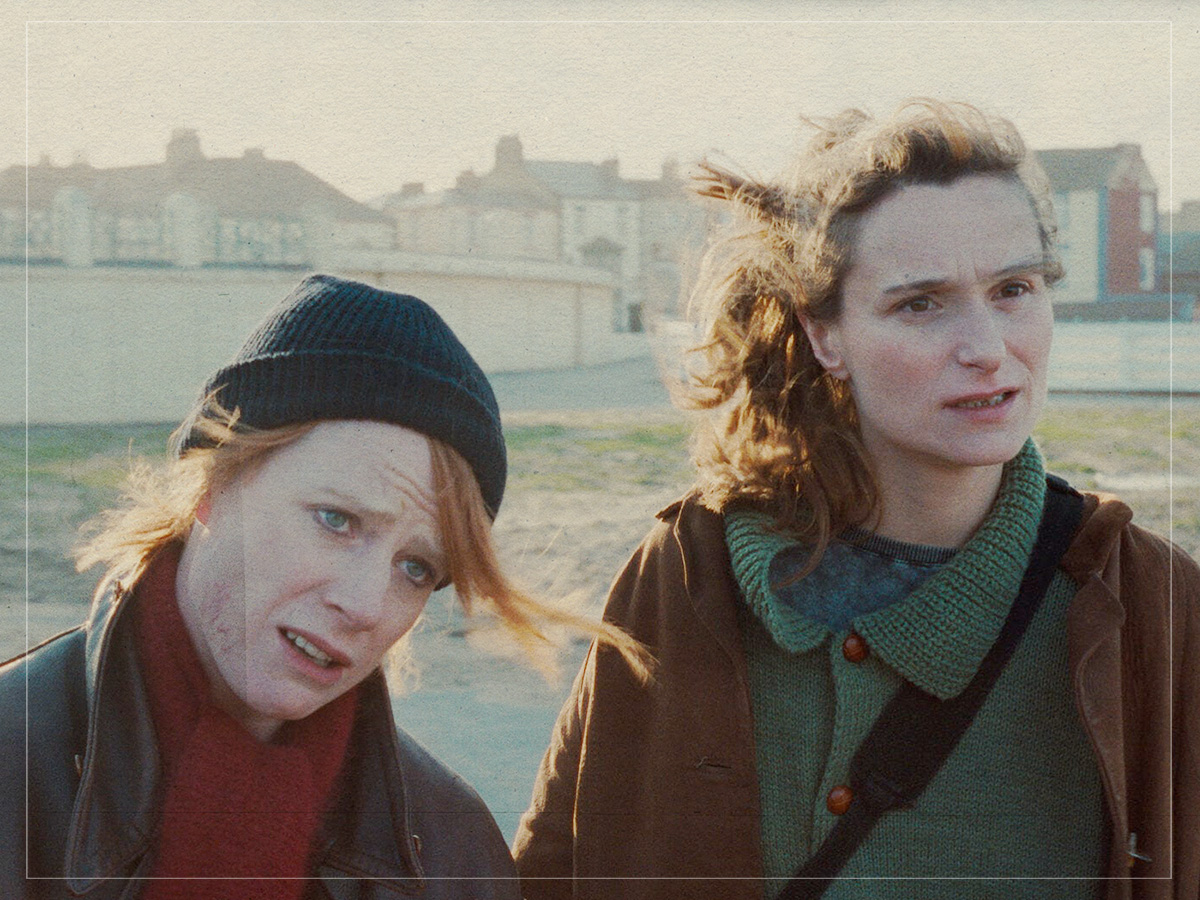
Mike Leigh might be one of Britain’s most well-known figures, with movies like Life Is Sweet, Naked, and Secret and Lies all emerging to significant acclaim as he dissected the worlds of working-class families and individuals with both humour and tragedy. Yet, Career Girls, his 1997 feature about female friendship, is perhaps one of his most underrated, and it deserves to be championed as a ‘90s classic.
The late Katrin Cartlidge and Lynda Steadman star as friends who reunite after not seeing each other for six years, and as they reconnect, we get flashbacks to their time spent as former housemates. It’s a tender portrait of growing up which explores just how much time can truly change everything. Featuring incredible performances from both actors, Leigh moves between his classic style of relatable comedy and gut-wrenching emotion seamlessly here.
‘Hide and Seek’ (Su Friedrich, 1996)
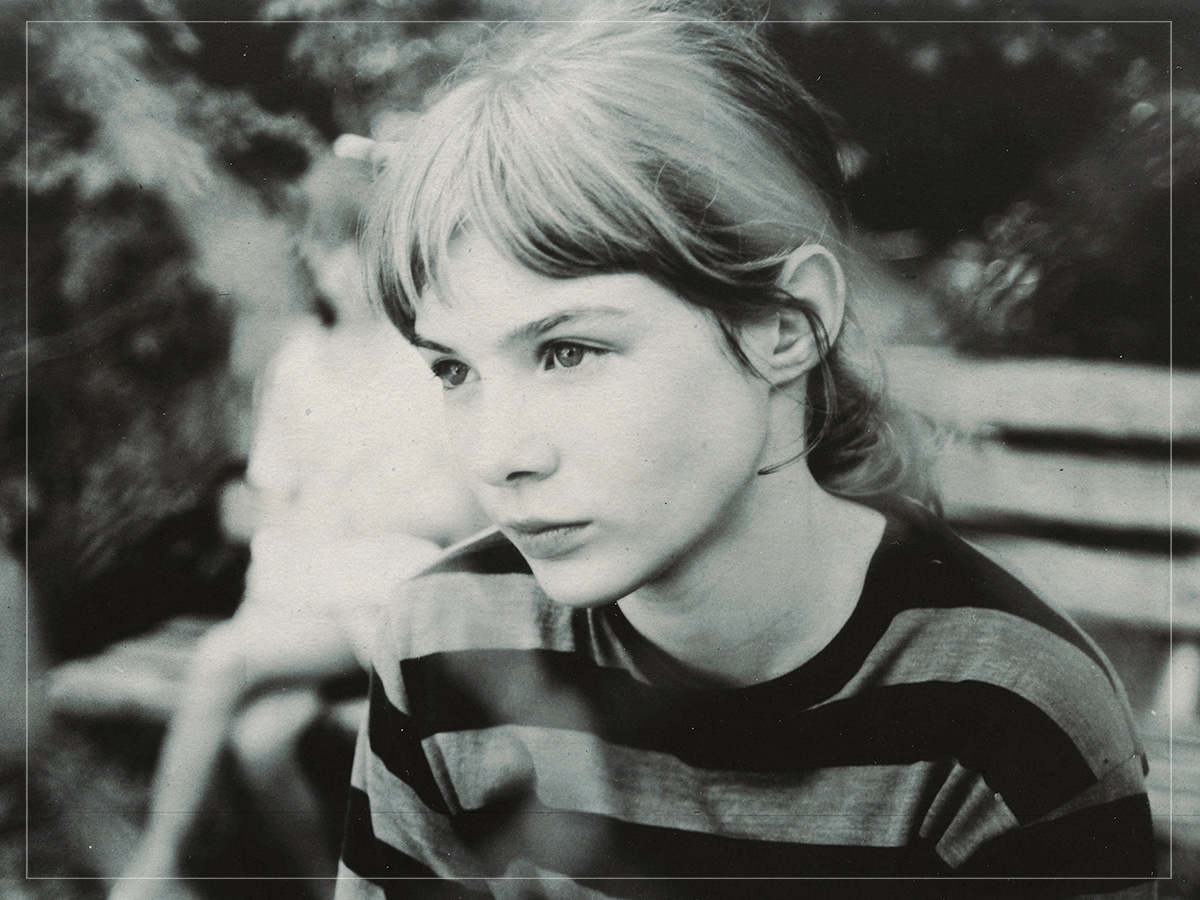
Queer cinema boomed in the ‘90s as indie filmmaking became more accessible, resulting in various low-budget movies that explored the kinds of topics deemed too subversive for the mainstream. From Gregg Araki’s fantastic entries to the New Queer Cinema movement like The Living End to Cheryl Dunye’s The Watermelon Woman, the decade was a turning point for on-screen representation. However, many films from this period remain under the radar, like Su Friedrich’s Hide and Seek.
Blending documentary and fiction, the film explores a 12-year-old girl coming to terms with her lesbianism during the 1960s. Just over an hour in length, the movie takes a realistic and honest approach to both the excitement and turmoil that can come with accepting yourself. Friedrich weaves interviews with various lesbian women among educational videos and fictional clips to create a compelling tale of sexual discovery.
‘Ponette’ (Jacques Doillon, 1996)
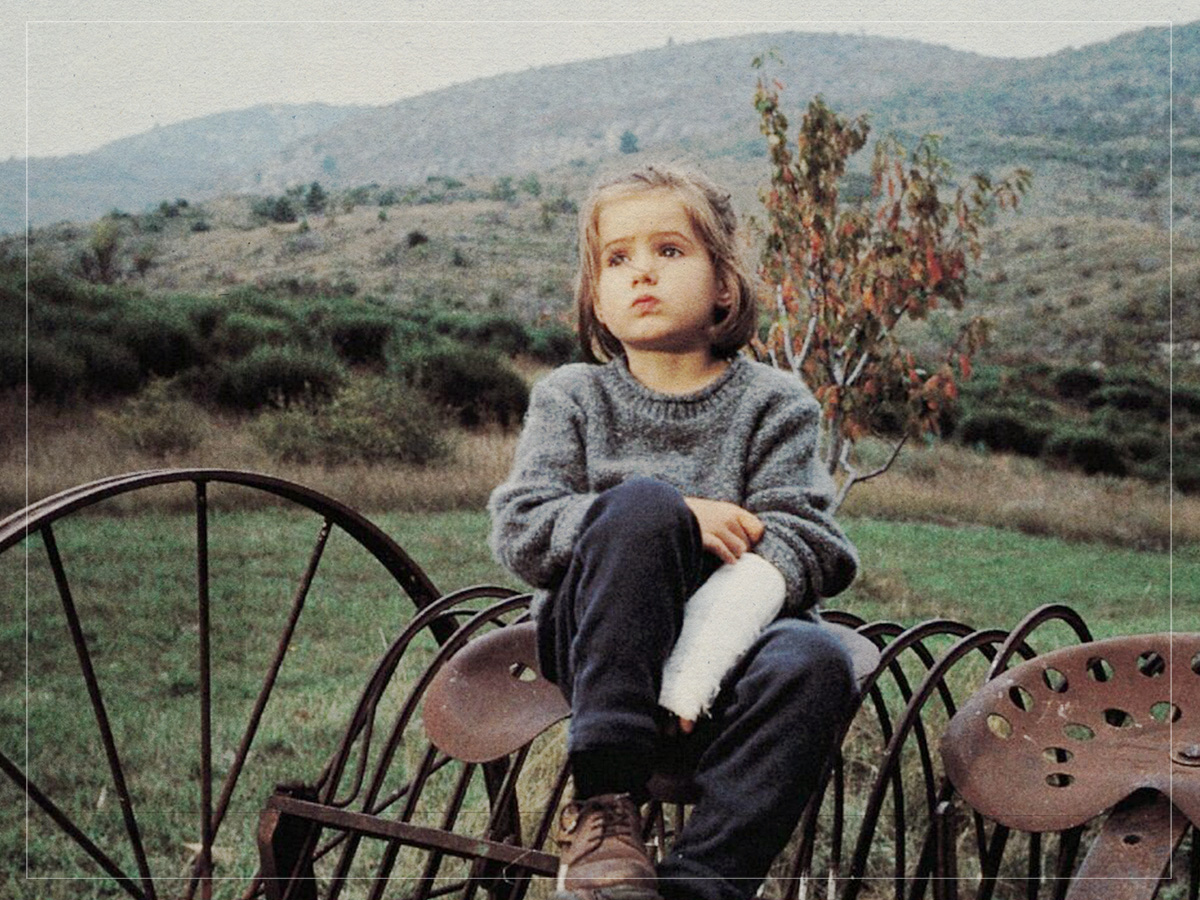
Every so often, a child will give such a good acting performance that you’ll wonder how on earth they were able to squeeze out such emotion and nuance before they’re even capable of writing their own name. Ponette, directed by Jacques Doillon, saw Victoire Thivisol win the Volpi Cup for ‘Best Actress’ when she was just five years old for her stunning performance as a grieving child. Attempting to navigate the world without her mother, the movie shows Ponette’s struggles with her feelings while simultaneously finding love and hope in those around her.
It’s a film that remains relatively unknown these days, although Winona Ryder is a champion of Thivisol’s performance. She once told AnOther Magazine about how it inspires her, explaining, “There’s a scene, shot in one take, where she goes into a chapel and prays for her mother to come back. It starts unemotionally, and then she begins to cry, and because it’s one long take, it’s amazing to see how she really acts out one emotion.”
