


Violence, rage and despair in Gregg Araki film ‘The Living End’

In the early 1990s, a new mode of American independent filmmaking emerged in response to the AIDs crisis and the increasing marginalisation of queer people. The New Queer Cinema movement, which included directors such as Todd Haynes, Cheryl Duyne and Gus Van Sant, depicted non-heteronormative characters, typically outcast from society. Moreover, these films usually explored anti-capitalist and anti-patriarchal themes, subverting societal norms through equally subversive cinematic themes and formal techniques.
However, one of the movement’s greatest and most enduring voices was Gregg Araki. No one seemed to capture young queer voices like him, highlighting the disillusionment and nihilism that was experienced by many gay youths during the 1990s. Araki gave his characters full autonomy, unashamedly showcasing queer love and sex – at a time when there was significant stigma surrounding homosexuality as AIDs remained a prevalent issue. Imbuing his films with a distinctive campiness, Araki blended high and low-brow influences to create his own cinematic language that worked to destabilise the norms of conventional filmmaking.
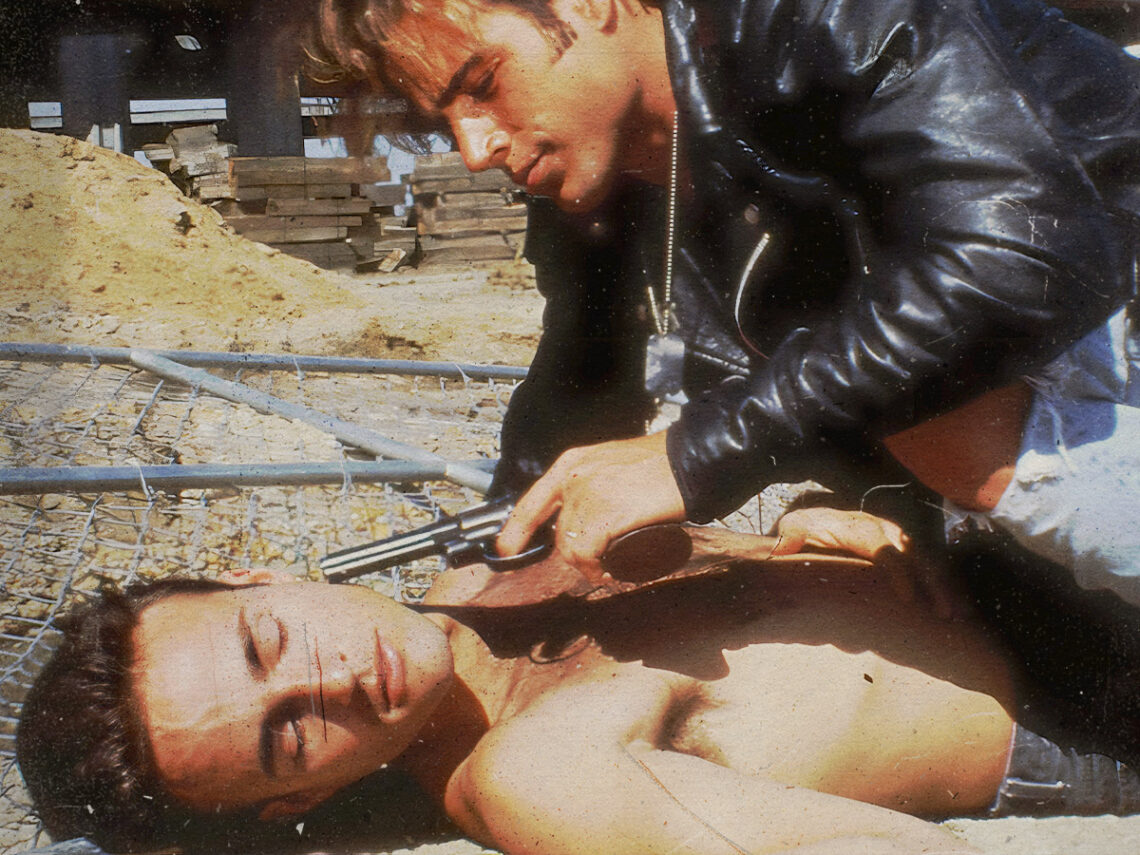
While Araki became best known for his Teenage Apocalypse trilogy, which featured Totally Fucked Up, Nowhere and The Doom Generation, his third movie, The Living End, remains his most powerful meditation on queer disillusionment and anger. Released in 1992, the movie follows two young gay men, Jon and Luke (no doubt a play on Jean-Luc Godard’s name), who are both HIV-positive. While Jon is a quiet film critic, Luke is a bed-hopping, aimless drifter, yet the two begin an unlikely relationship. The pair are both fed up with their situations, unsure of how long they have to live, and angered by governmental disregard. They embark on a destructive road trip after killing a policeman, and Araki fuels the film with rage, speaking to a community of people who were – and still are – let down and othered by those in charge.
Araki cleverly disrupts convention through his unapologetically low-budget approach, filming the movie himself, often indulging in close-ups that give us no choice but to immerse ourselves in the character’s space. We often find ourselves in close proximity to the characters while they drive, as though we’re sat right next to them, joining them on their journey towards destruction.
The movie’s dialogue offers pertinent insight into the frustrations felt by gay men during this time, and due to the low-budget nature of Araki’s film, the character’s emotions feel all the more authentic. In one sequence, Luke delivers a short monologue that perfectly encapsulates the unapologetic anger felt by many: “I mean, we’re both going to die – maybe in ten years, maybe next week. But it’s not like I wanna live forever and get old and fat and die in this ugly, stupid world anyway. I mean, we’re victims of the sexual revolution. The generation before us had all the fun, and we get to pick up the fucking tab. Anybody who got fucked before safe sex is fucked. I think it’s all part of the neo-Nazi Republican final solution.”
While classic road movies typically feature male friends or a straight couple, The Living End truly embodies the meaning of the subgenre, which is, according to David Laderman, author of Driving Visions: Exploring the Road Movie, “rebellion against conservative social norms”. There is plenty of sex and violence in Araki’s movie, with the two often merging into one. This is most prominent at the end of the movie when Jon and Luke try to kill each other, with Luke almost killing himself while having sex with Jon, only for the gun to jam. They subsequently embrace as the camera frames them under a beautiful sunset, leaving the ending ambiguous.
It can even be interpreted that Luke, the opposite of Jon, is just a figment of Jon’s imagination, a response to his fears after being diagnosed with HIV. Whether this is the case doesn’t really matter. At its core, The Living End is a terrific entry into the New Queer Cinema canon buoyed by a mixture of nihilism, anger and despair. Araki crafts a movie that speaks to marginalised communities, giving one big middle finger towards authority. The DIY aesthetic that defines The Living End only makes its themes more powerful, with Araki refusing to allow cost restrictions to get in his way.
