


Why Diablo Cody dropped out of writing ‘Barbie’

After rising to prominence as a key figure in the indie mumblecore movement, Greta Gerwig directed the tender coming-of-age movie Lady Bird, distributed by A24, before receiving a larger budget for Little Women. However, in 2021, Gerwig was announced as the director of a work that was unlike anything she’d ever done before: Barbie.
While Gerwig’s previous work demonstrated her ability to carve out complex female characters, something needed for Barbie, she had never made a movie on such a magnificent scale. The budget for Barbie was between $128–145million, a huge jump from the $10m budget for Lady Bird and the $40m used for Little Women.
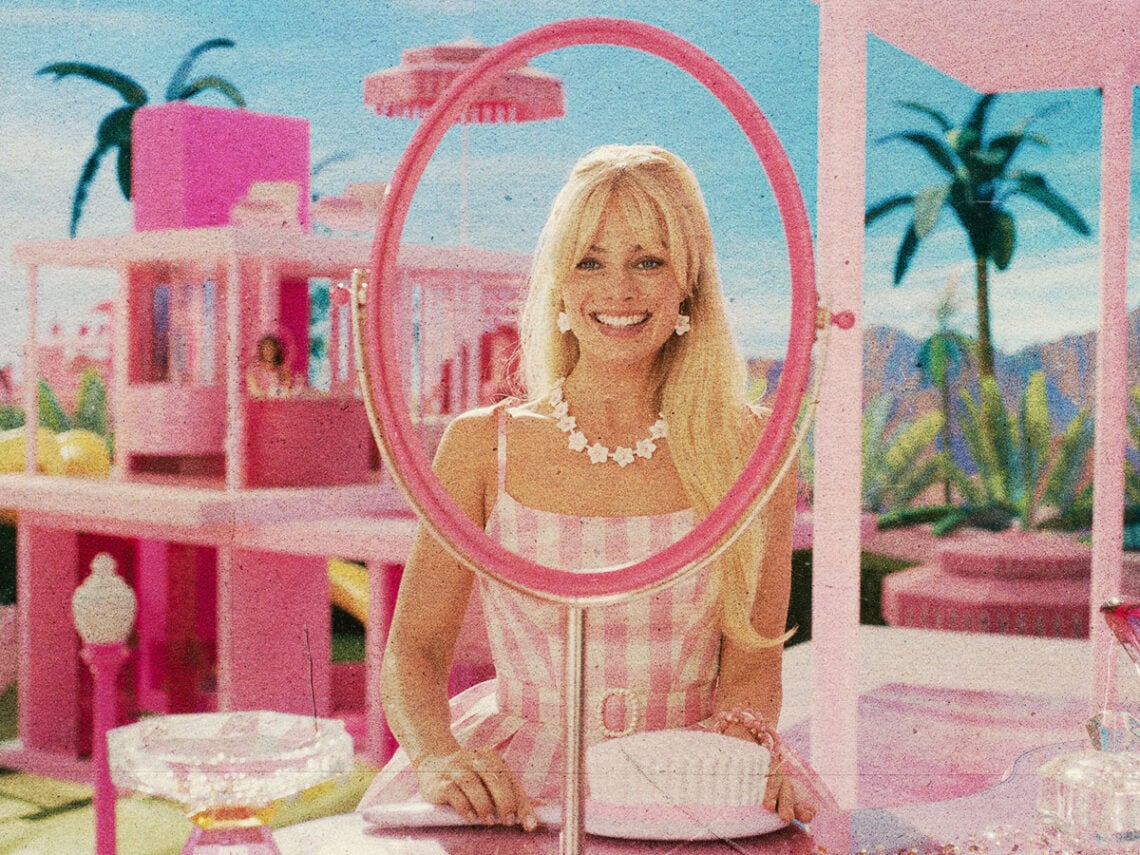
Barbie was blockbuster territory, and it seemed unusual that someone who established themselves in the indie scene would jump on such a large-scale, commercial project. Yet Gerwig proved to be more than capable of producing a successful blockbuster in the form of Barbie, co-written with her husband and filmmaker Noah Baumbach. Featuring epic set designs, forming an entirely different world known as Barbie Land, Gerwig’s film wasn’t short of extravagant. It even featured an original soundtrack of songs made by some of pop music’s biggest names, such as Charli XCX, Lizzo, Dua Lipa and Nicki Minaj.
The movie was an instant hit, grossing over $1billion, making Gerwig the first female director to break this record. With Margot Robbie playing the titular character and an ensemble cast portraying a variety of other dolls (and real-world humans), Barbie took the world by storm. Its release date coincided with Christopher Nolan’s Oppenheimer, spawning the Barbenheimer phenomenon, which encouraged cinema-goers to indulge in a double feature despite the films being polar opposites.
Whether you loved Barbie or thought it was nothing more than a consumerist fantasy which only skimmed the surface of feminism, you cannot deny its success. However, the movie almost looked completely different before Gerwig was attached to direct. Diablo Cody was initially employed to write the script, although she found herself unable to write anything she was satisfied with. Cody rose to prominence in the late 2000s as a writer for projects like Juno and Jennifer’s Body, both of which subverted expectations of femininity.
She seemed like a strong choice to pen a script about a doll who has long been criticised for perpetuating patriarchal standards of beauty, with Cody possessing the capability to write something offbeat and unexpected. She even had the idea to cast the comedian Amy Schumer as Barbie, but the project failed to materialise.
She told GQ, “I was literally incapable of turning in a Barbie draft. God knows I tried.” Cody felt immense pressure to make something spectacular, considering there had never been a live-action Barbie before. She explained that the cultural climate ten years ago was less welcoming to the idea of a Barbie movie.
“When I was first hired for this, I don’t think the culture had not embraced the femme or the bimbo as valid feminist archetypes yet,” Cody added. “If you look up ‘Barbie’ on TikTok, you’ll find this wonderful subculture that celebrates the feminine, but in 2014, taking this skinny blonde white doll and making her into a heroine was a tall order.”
For Cody, trying to turn Barbie into a feminist icon while taking into consideration her complex history as a simultaneous figure of empowerment and a damaging representation of idealistic beauty was a big struggle. “That idea of an anti-Barbie made a lot of sense given the feminist rhetoric of ten years ago. I didn’t really have the freedom then to write something that was faithful to the iconography; they wanted a girl-boss feminist twist on Barbie, and I couldn’t figure it out because that’s not what Barbie is.”
In the end, she left the project, and Gerwig eventually came on board, and the result was one of the biggest cinematic sensations of the 21st century.
