


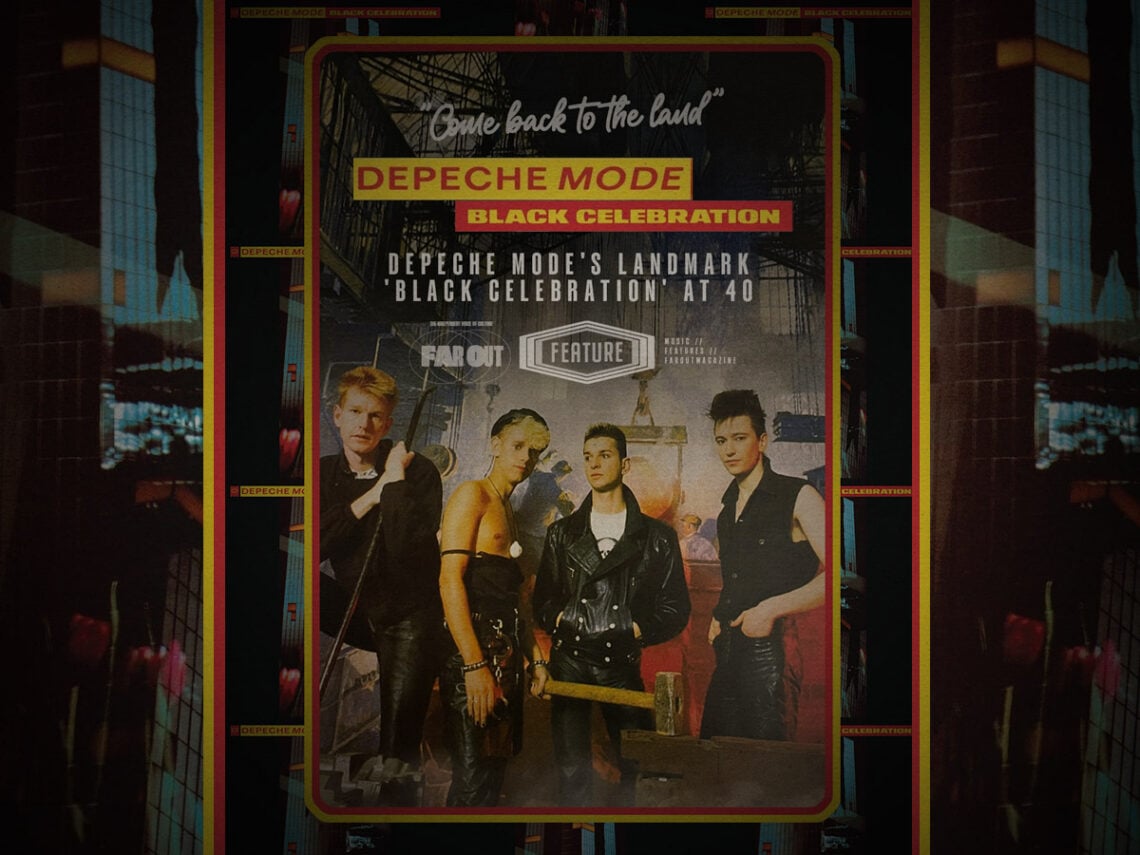
“Come back to the land”: Artists discuss Depeche Mode’s landmark album ‘Black Celebration’ as it turns 40

It’s now 40 years since Depeche Mode rolled Black Celebration’s all or nothing gamble, scoring their most pivotal album and paving the path to alternative giants of the 1980s and beyond.
They knew they needed to pull off something big. Still plagued by a UK music press that refused to forget the early Razzmatazz teenyboppers of ‘Just Can’t Get Enough’, Martin Gore’s emerging dark lyrical pen and the band’s sonic evolution from polyphonic chirp to beefy industrial drama had seen Depeche Mode spot a new home away from the synthpop tag and toward the gothic orbiting of the decade’s post-punk and darkwave underground.
And so, after The Singles 81→85 package’s commercial obligations, a leather-clad Gore, Dave Gahan, Andy Fletcher, and Alan Wilder entered London’s Westside studio to commence their awaited opus. Trouble was, Gore’s songwriting had only grown more brooding. Largely presenting a bag of demos dwelling in morose existentialism, bleak romance, and nihilistic world reportage, the otherwise hugely supportive Mute Records suffered an initial pang of anxiety as to the lack of obvious pop fodder.
But Depeche Mode got their way. Leaning into their new, dramatic sound, the team holed up in West Berlin’s famed Hansa Tonstudio to soak up its spooky electronic heritage and politically charged Cold War divisions to ‘live’ the album sessions night and day. Through internal fights, creative tensions, and 14-hour days, such a febrile atmosphere cast its sooty shroud all over Depeche Mode’s sixth LP when finally released on March 17th, 1986.
The Basildon lads had more than surpassed themselves. Led by the gripping ‘Stripped’ single, Black Celebration landed in the intersection of electronic music and the broader alternative subterranean with cocksure creative defiance. Everything about the album’s alchemy was in perfect, electric synergy, casting a cinematic mist that quashed any lingering impressions of the group’s awkward infancy.
In its apparent brew swirled a potent clash of heady sounds, each cut skulking through a new back-alley of Black Celebration’s dystopian urban landscape. There’s haunted gospel, sci-fi movie scores, EBM crunch, ghostly waltzes, and slithering funk amid the record’s disparate sonic wanderings, all held together by buckets of reverb and cavernous arrest, adding to its evocative stir.
This was the point of no return. America began paying attention, and the classic Depeche Mode formula would lead to Music for the Masses’ MTV conquest and Violator’s superstar behemoth across three short but dizzying years. But such a commercial and artistic trajectory owed everything to Black Celebration’s risky jump into the shadows, ensuring their posters adorned the walls of every alienated teen by the 1980s’ end.
To mark Black Celebration’s seismic impact, we asked several artists from the similarly electronic underground just what they think of Depeche Mode’s landmark record, and how its enduring reach has shaped their work.
Depeche Mode’s ‘Black Celebration at 40:
Klypi
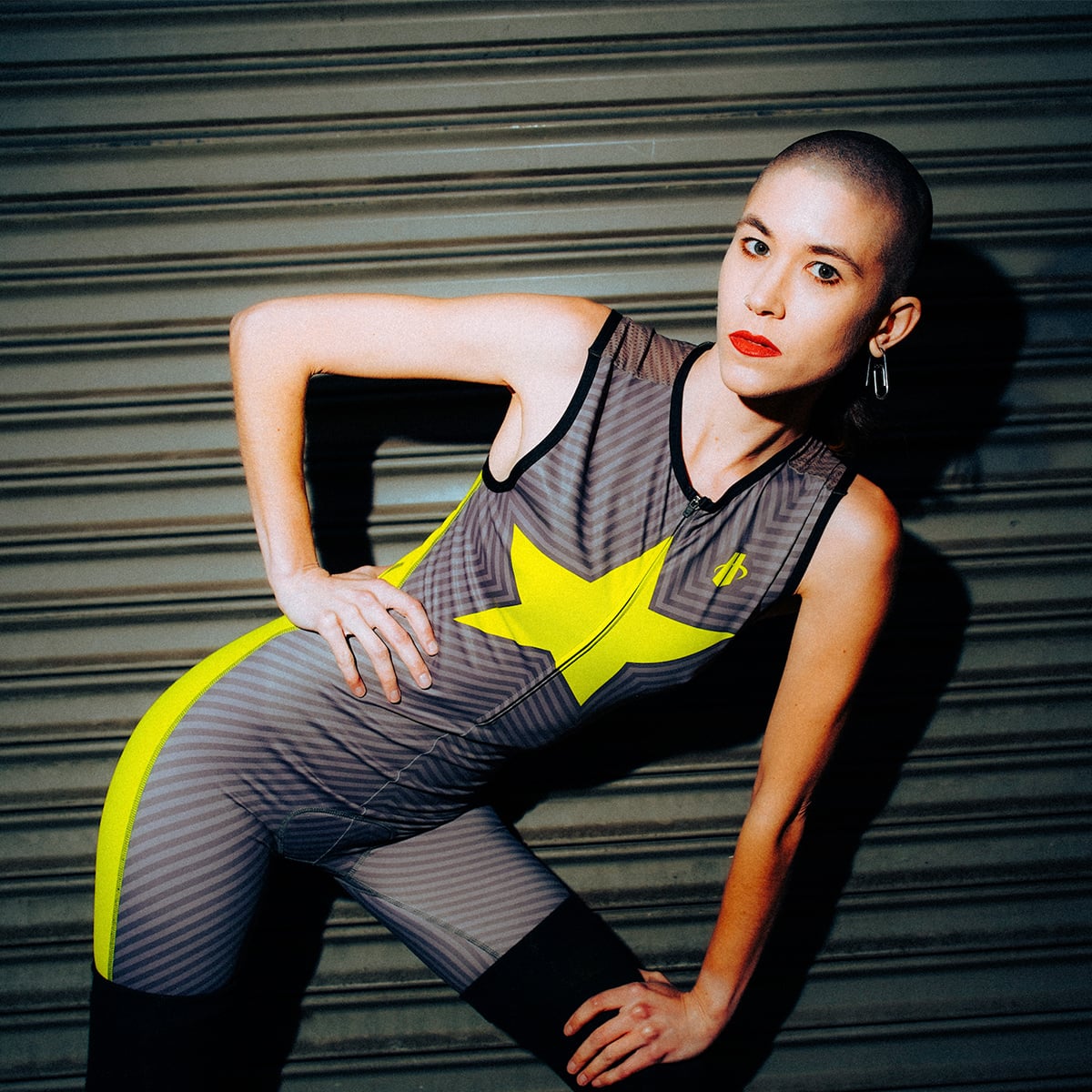
“When I first heard Black Celebration, it felt incredibly experimental for a pop act, with sampled whirling sounds, very ‘wet’ pianos, and angular modular synths – heavy, but also soft and beautiful. It was the third record of theirs that I had heard in full, after Violator and Speak & Spell.
“At the time, I lived in Nashville, Tennessee, where there was a small goth scene, and where I played bass and synth in a few bands within that scene. The older members introduced me to a lot of new music, one of those being Black Celebration.
“It influenced much of my songwriting and sampling, and reminded me that sounds or synths aren’t just to be picked at random (ie sonic aesthetics), but can be utilised as audio metaphors – in their case for: industrialisation, economic disparity, death: the AIDS epidemic and the fear of nuclear war, and finding closeness with someone else in a very dark world.”
Kelan

“Black Celebration is a personal favourite from the Depeche Mode back catalogue. I love how miserable and moody it is, but also how blown-out, camp, epic and completely over the top it feels. The album was criticised at the time for being overly dramatic, but that’s exactly what makes it such damn good pop music.
“In my own work, everything revolves around drama, theatre and a bit of misery, so this record definitely rubbed off on me. At my club night, Slack Alice, I often used to open with the title track – it was perfect for setting the tone at the start of the night.
“I also love how graphic and visceral the lyrics to ‘Fly on the Windscreen’ are. It genuinely feels like you’re having a dancefloor snog while the world burns to shit around you. Also, Alan Wilder, [co-producer] Daniel Miller, and Gore absolutely smashed the drum sound album on this album – absolutely crushing.”
Karl D’Silva
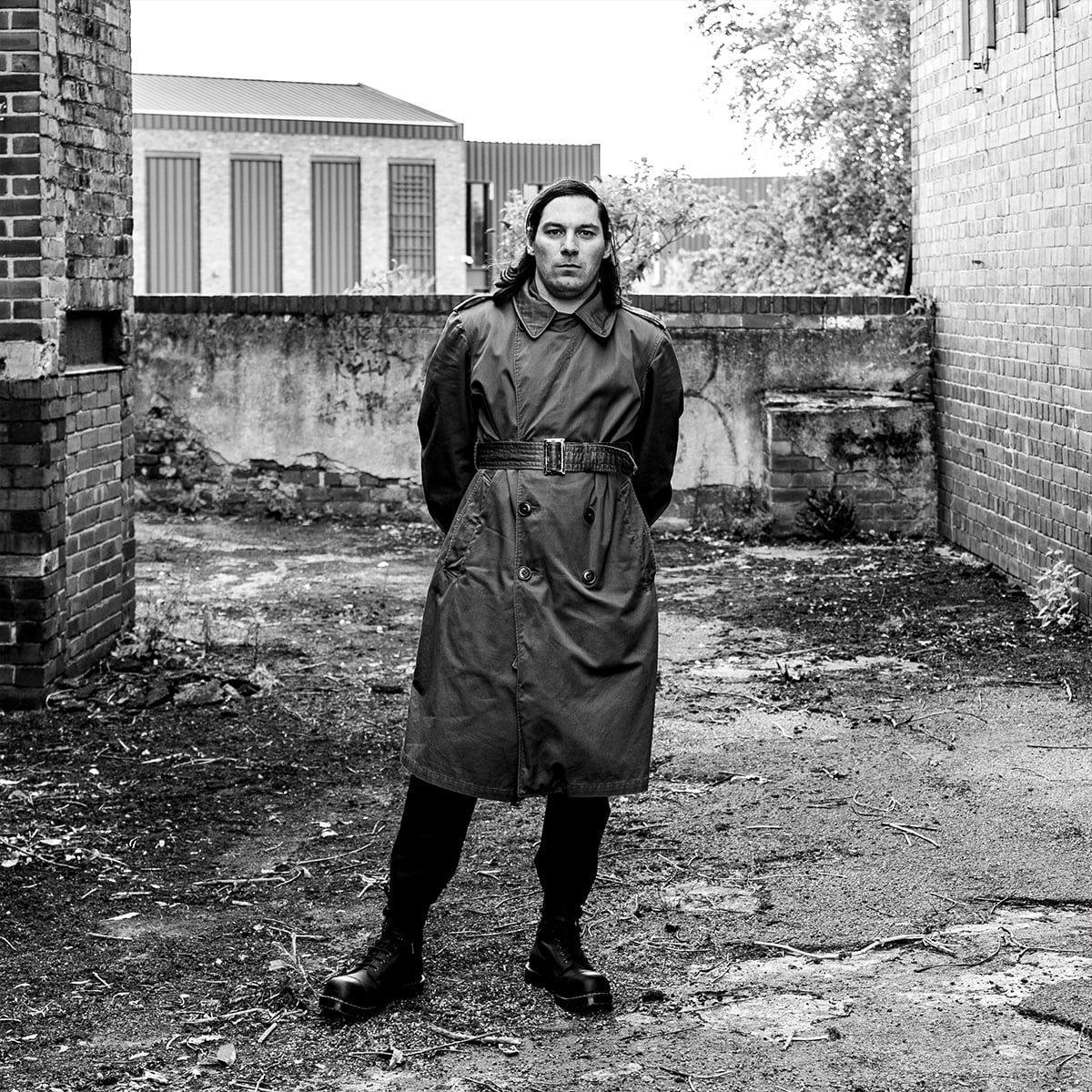
“I first heard Black Celebration when I took a deep dive into Depeche’s back catalogue in my early 20s after growing up hearing Violator. I adore the whole album but especially the driving rhythms of the title track, the plaintive choral piano ballad of ‘Sometimes’ and that incredible second side run from ‘A Question Of Time’ to ‘New Dress’ (with its huge drums).
“Lyrically I have to give special mention to ‘Stripped’, this song was quite key for me in terms of unlocking how you can create tender, dreamlike imagery: “Come with me into the trees / We’ll lay on the grass and let the hours pass,” and then juxtaposing this against erotic-lust-meets-body-horror “Let me see you stripped down to the bone,” in the chorus.
“The friction and intertwining of this kind of imagery in lyrics is a furrow that I’m obsessed with ploughing in my own work, and I thank Depeche Mode for the inspiration.”
Veronica Vasicka
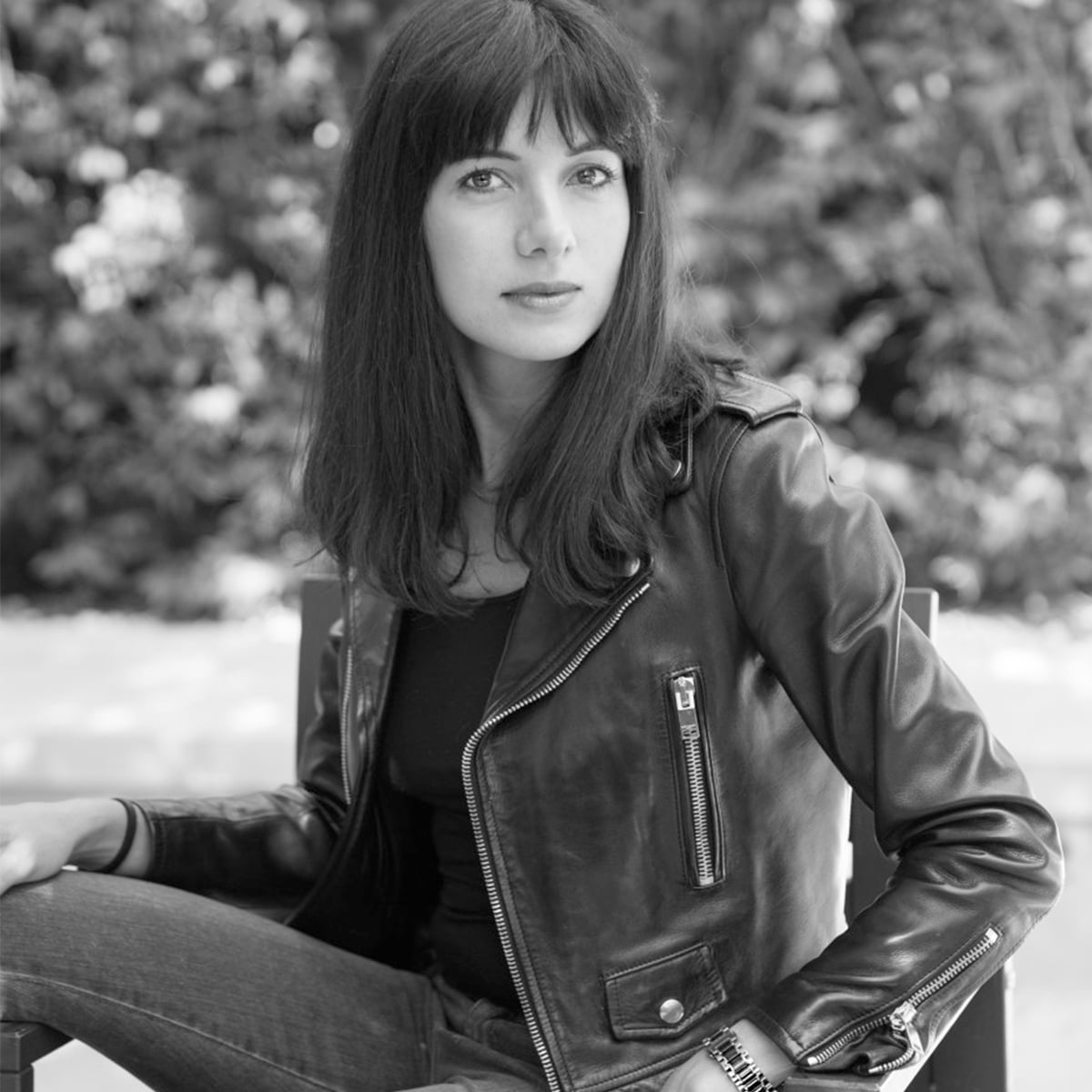
“Black Celebration came out in 1986, when I was almost eleven and already glued to the radio. 92.7 WLIR reached Manhattan, and hearing ‘Stripped’ and ‘A Question of Time’ bleed through those broadcasts felt like receiving transmissions from somewhere else entirely – darker, more cinematic, more atmospheric than anything else on the dial. Romantic and minimal at the same time.
“‘Stripped’ never really left me. Its premise – stepping back from technology to find something more human – feels almost prophetic now, in 2026, when our lives are so thoroughly mediated by screens and systems. The future Depeche Mode conjured felt eerie and beautiful in equal measure. We’re living closer to it than I expected.
“That tension between machine and emotion is exactly what Minimal Wave is about: returning listeners to the tactile, deeply personal experience of electronic music – synths, drum machines, vinyl, the physical ritual of actually listening.”
Geneva Jacuzzi

“I’m a child of the ‘80s, and I remember listening to ‘Question of Lust’ on cassette at nine years old and fantasising about how scary and glorious falling in love must feel like. There’s something about this album that really marked me. Haunted me. It’s incredibly deep.
“‘Fly on the Windscreen’ taught me exactly how lyrics should be written. The light beaming through the darkness. That ghostly glow of emotion. A perfect translation of the contrasting sensations brought on by the music. Light and dark and love and dancing. A true celebration of the moment.
“‘Death is everywhere,’ so all we have is tonight. Touch my skin and kiss me now. It’s fantastic.”
Buzz Kull
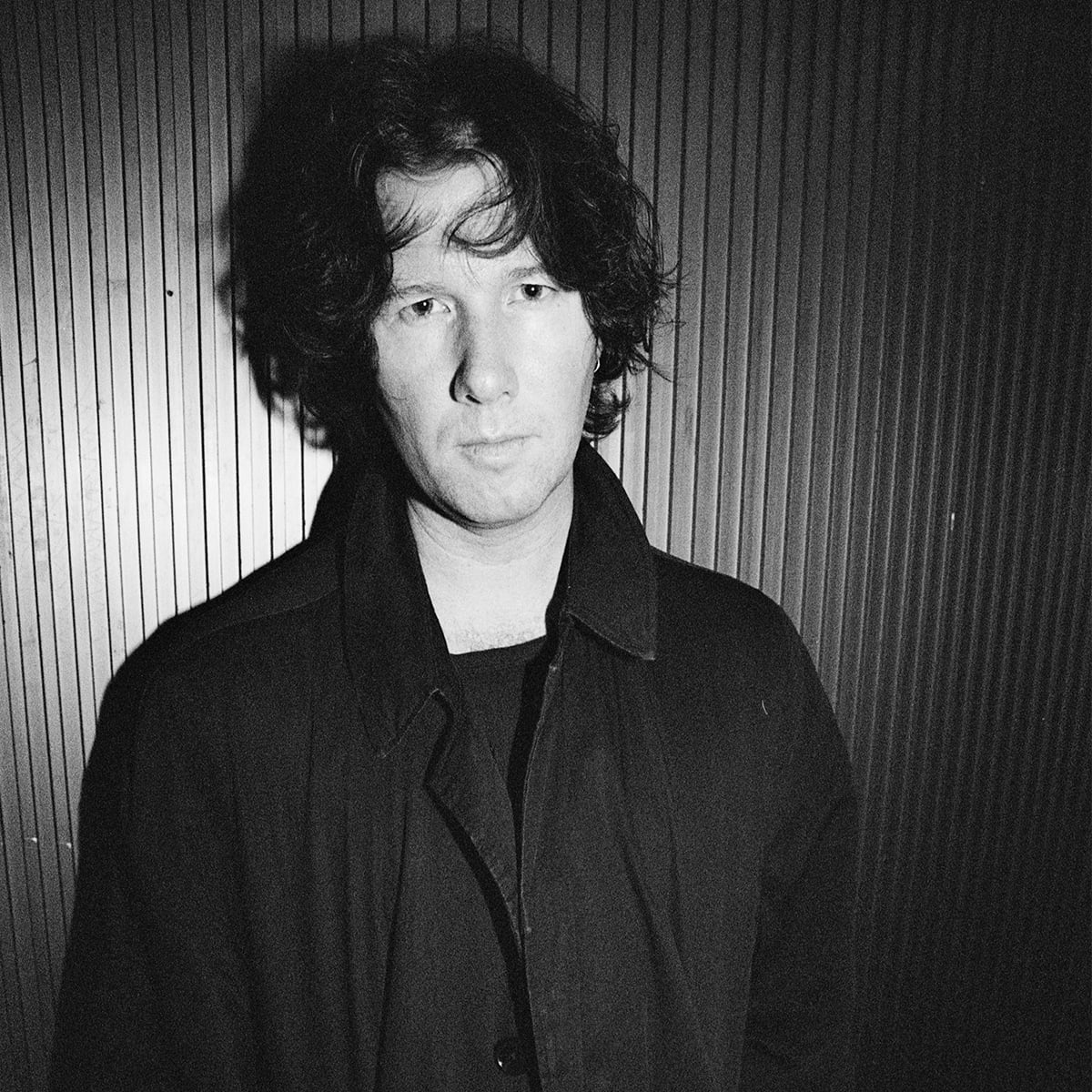
“Black Celebration is one of those records that feels like a doorway. When I first heard it, it didn’t just feel dark; it sounded intentional. The minimalism, space, discipline, and restraint in the drum programming create an emotional weight without ever feeling overproduced.
“What draws me to this album is how romantic it is beneath the machinery. The vulnerability within the songwriting, alongside the stark, mechanical synthesisers, has shaped the way I approach music, creating tension between harsh sonic textures and human emotion.
“It proved you could make something bleak, danceable, and deeply personal all at once. The blueprint still feels untouchable.”
Billy Gibbons
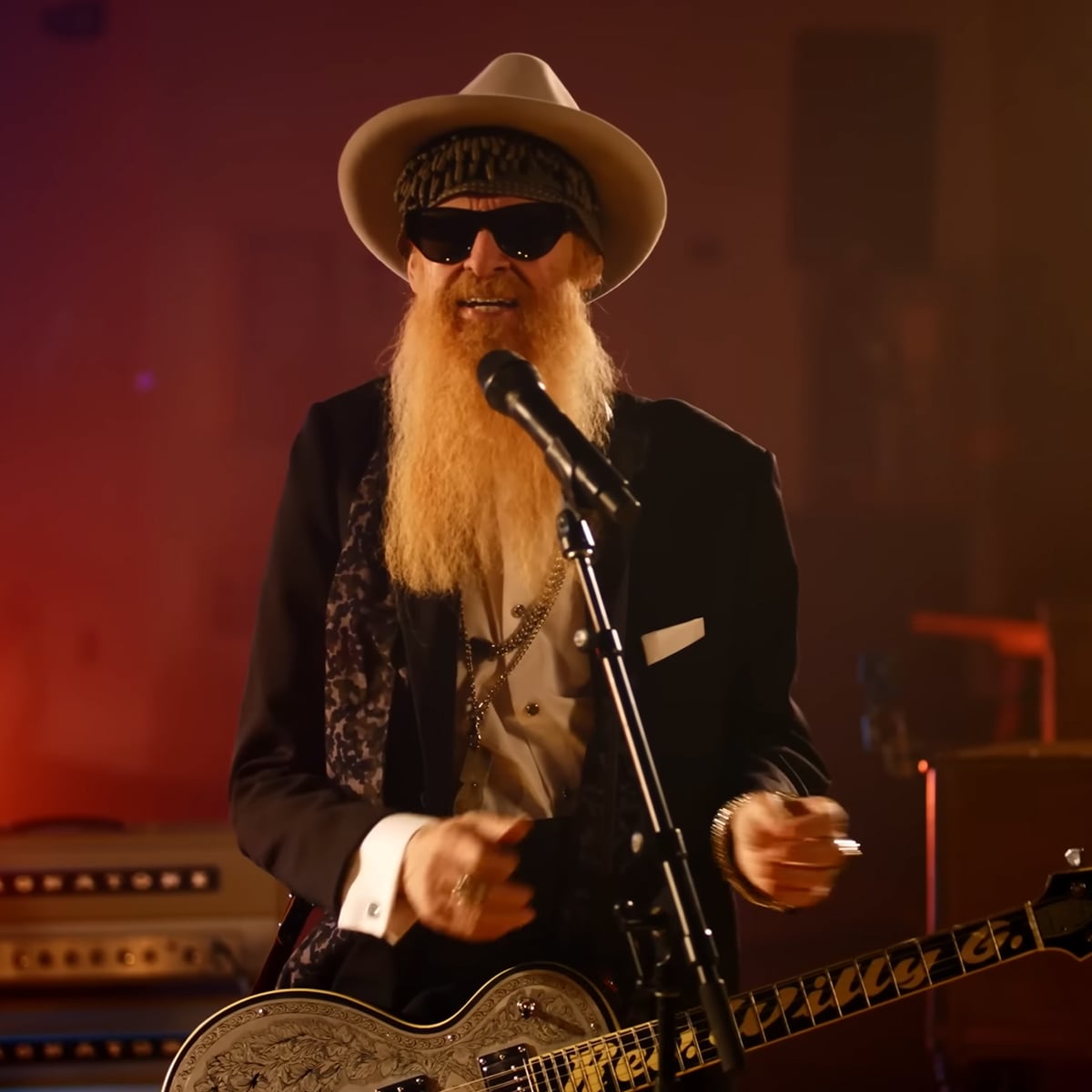
“So Black Celebration is turning 40? Seems like only yesterday to me, but I’m a fan of long standing. I’ve been fanatical about those guys for quite a while, even before that album. I’ve long contended that Martin G could be called Depeche Mode’s super secret, as his talents run the gamut, particularly as the ‘Sometime’ guitarist, at least to this listening post.
“His work is extraordinarily exemplary across the entire album. I will readily admit it had an influence over ZZ Top, starting around the release of Recycler, the album that hit after leaning heavily into Depeche. And, as in so many instances, one’s heroes can instil massive creativity. It’s no surprise to learn the waves of industrial sounds lurking within ZZ Top can be traced back to both Black Celebration and Depeche Mode’s overall approach.
“To add fuel to the Depeche fire, frontman David’s stepping up to harness the band’s ever-widening range is an artistic certainty to reckon with.”
