


David Bowie’s five best B-sides

Any music collector will agree that when it comes to dusting off your old box of vinyl from the attic, there’s nothing more prized than a bit of David Bowie in his 1970s prime.
Even though the height of his discography may have been around for half a century or longer, it’s always the mark of a star when the songs still sound as fresh and pioneering as they did decades ago. If one thing’s for certain, this man possessed that power by the bucketload.
But the fact is, that with the sheer command that Bowie had, and still does have, some tough decisions had to be made over the years. Certain songs would have been scrapped from albums, some tunes may not have received a deserved single release, but it was all because the Starman had a mostly Midas touch, where many of the tunes he provided his rousing vocals to ended up in the history books.
With a career spanning eras and decades, the natural flow of events means that although Bowie’s main catalogue of hits is rightly beloved the world over, he also has a treasure trove of B-sides and lesser-known songs that represent a goldmine to his diehard fans. Tunes that may not have all hit the mainstream appeal, but showcase Bowie in his truest artistic form.
While some are beloved surprises and others are forgotten gems, the making of a classic Bowie B-side is a tune that perfectly sums up the particular musical vision that occupied his vision at that point in his life, but that may not have instantly swept the floor, with its A-side taking the spotlight. Regardless, every Bowie song makes for a part in telling the story of an icon, and his five best B-sides are no different.
The five best B-sides by David Bowie:
‘The Man Who Sold the World’

A perhaps surprising notable mention in the B-side club is ‘The Man Who Sold the World’, the song which inspired the title of Bowie’s sophomore album in 1970. But despite how stratospheric those efforts have since become, it’s worth remembering that they weren’t considered such shooting stars upon their release, and it wasn’t until the song was released as a B-side for the respective reissues of ‘Space Oddity’ and ‘Life on Mars’ in 1973 that it started turning heads.
Now viewed as one of Bowie’s greatest and most powerful exports, ‘The Man Who Sold the World’ started out on its reign of dominance as the follow-up to the hits, but then gained its own cult status over time, which eventually cemented it as one of his songbook’s brightest gems. Indeed, for a song and album that genuinely dropped without a trace upon its first release, the storming legacy is quite the comeback story.
‘Queen Bitch’

Once again, ‘Queen Bitch’ was an example of a Bowie song that did not find its place in legend until much later in the journey, first appearing as the fourth track of Hunky Dory before getting its own lease of life as the B-side to ‘Rebel Rebel’ in early 1974. But perhaps more than any other, it was a song that displayed Bowie at his provocative, unapologetic, brilliant self – and it was all thanks to one man.
Having been tasked with writing songs inspired by a trio of stars, including Bob Dylan, Andy Warhol, and Lou Reed, all of whom appear on Hunky Dory, it was the latter New York icon who provided the muse for ‘Queen Bitch’. Channelling all the electric, frivolous energy which pounded through the city’s club scene, and which was commanded by the Velvet Underground, Bowie even went so far as to do a direct impression of Reed during the track, in a not-so-secret homage to his idol. Maybe it’s the electricity, or just the sheer star power, but it certainly makes for one of the greats.
‘Suffragette City’
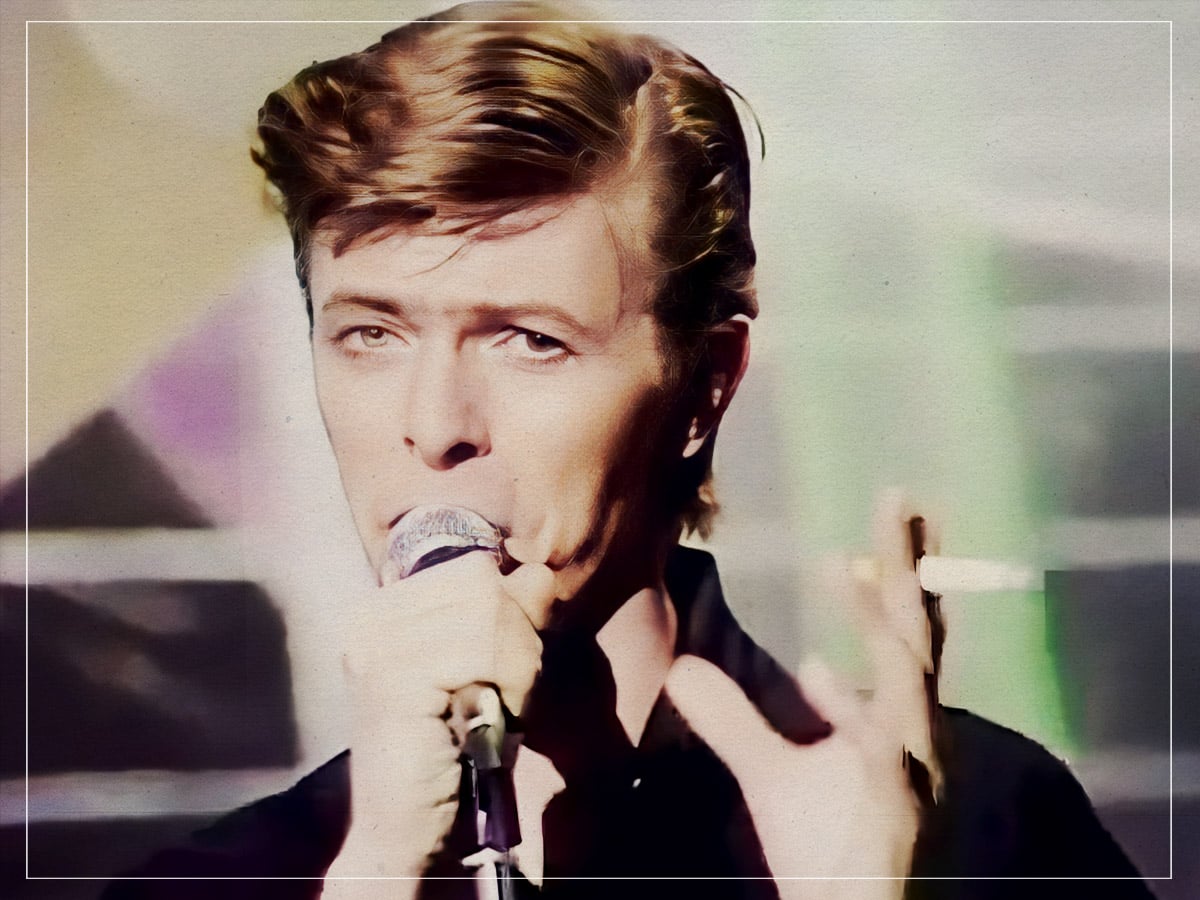
While ‘Suffragette City’ may not have had huge amounts in common with the women’s liberation movement, despite what its title suggests, the song nevertheless put Bowie on a pedestal of proto-punk when he released it as the B-side to ‘Starman’ in 1972. It provides yet another example of a classic that actually started life as the second in line, only later going on to assume the real acclaim.
But indeed, ‘Suffragette City’ very nearly didn’t end up becoming a Bowie hit at all, after he initially offered it to Mott the Hoople on the condition that they wouldn’t break up. The band declined the song itself, but did, as we all know, go on to record another Bowie effort instead – ‘All The Young Dudes’. As such, ‘Suffragette City’ can not only be seen as one of the singer’s best B-sides, but the catalyst of the butterfly effect that granted Mott the Hoople one of their most successful tunes.
‘Joe the Lion’
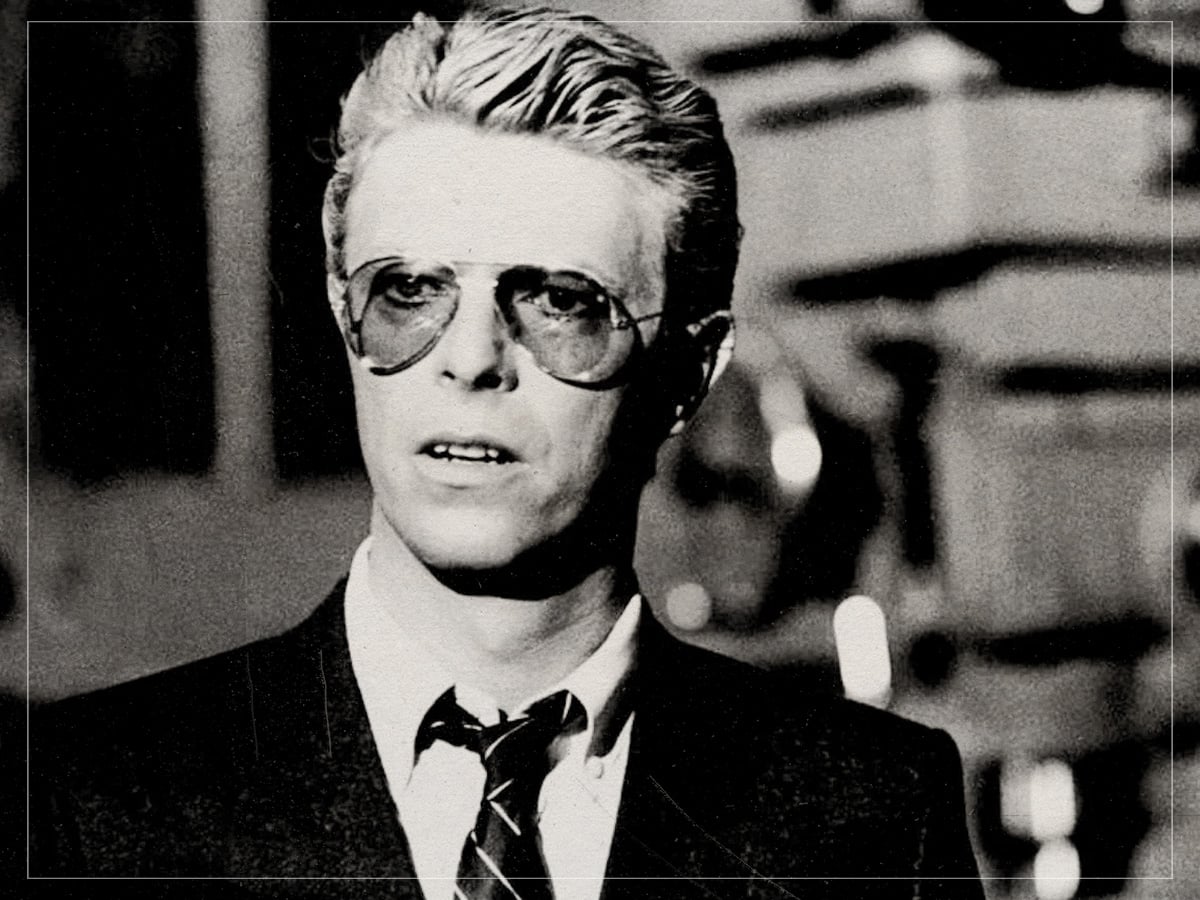
Something about Bowie’s music always struck with a nod to the avant-garde and the absurdist, so it was rarer, at least in the peak of his career, for him to turn the mirror of reflection inwards and consider himself as the muse. While ‘Joe the Lion’ wasn’t based on him exactly, it did provide a bit of a clearer idea as to the struggles of fame and the depths of personal darkness that Bowie was facing behind closed doors in 1977.
Penned as a tribute to the performance artist Chris Burden, who became prolific within the cultural scene of the early 1970s for his exorbitant stunts, including having himself shot in the arm with a rifle and being crucified to a Volkswagen, all of which are reflected in the lyrics of the song. But in turn, Bowie also came to consider himself in rare glimpses, as he struggled to move on from the emotional pit of his previous album, Low, released earlier in the same year.
‘Velvet Goldmine’
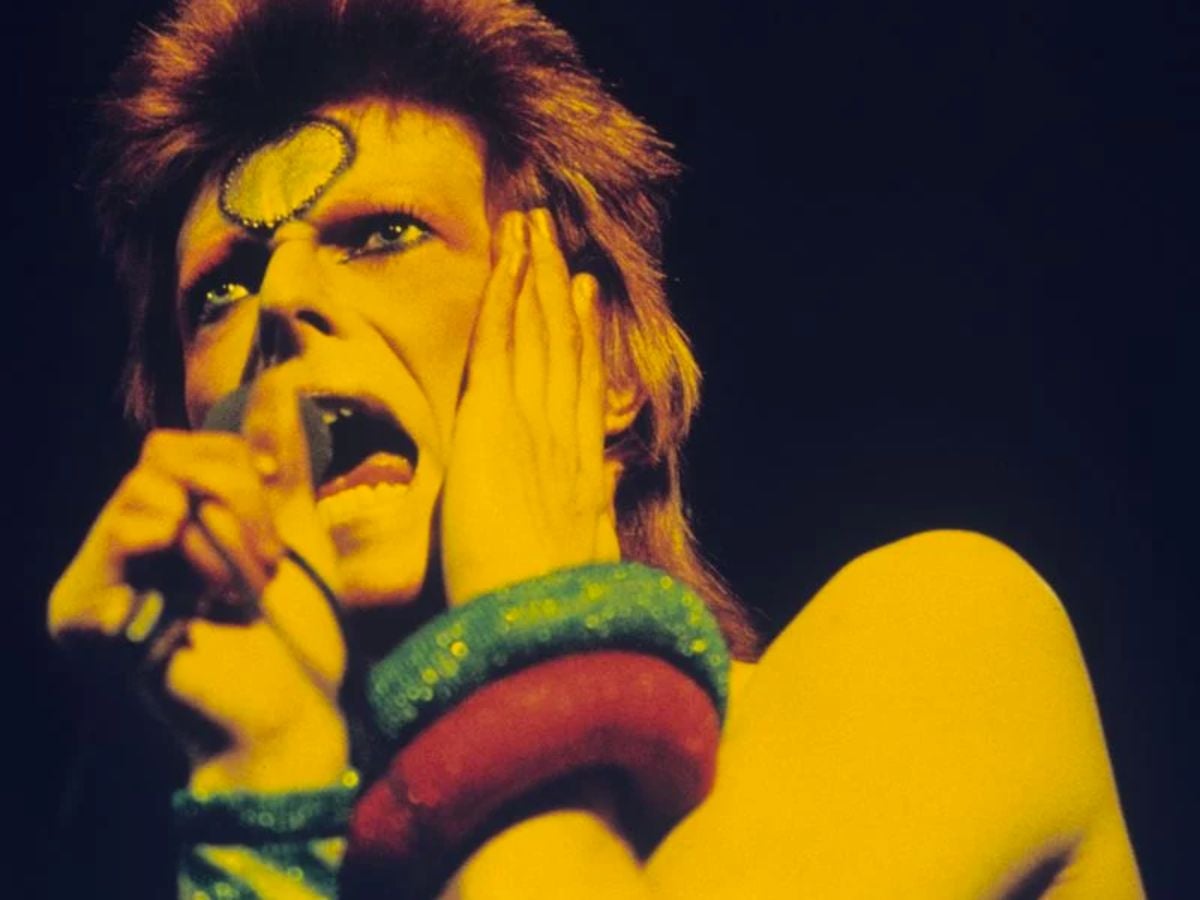
Fittingly, ‘Velvet Goldmine’ does indeed represent a goldmine within the Bowie archives, as a long-lost gem which many diehard fans believe should have garnered more acclaim in the light of day. That said, there is something quite special in keeping a quiet classic all to yourself, which is exactly what this glam rock blueprint song is the epitome of.
A lost demo originally recorded during the sessions for Ziggy Stardust, it could be argued that the song is a better ode to its musical era than anything that made its way on to the album. But when it was released as a B-side to the reissue of ‘Changes’ in 1975, the single cumulatively gave Bowie his first number one, so in its own small way, ‘Velvet Goldmine’ was a pivotal moment in the Starman’s career without any of the recognition. That’s the beauty of a B-side.
