



Doctor’s Orders: Daniel Lanois prescribes his nine favourite records

Not everything in rock and roll needs to be perfect.
Some of the greatest albums of all time may have some of the greatest musicians that money can buy playing all of their songs, but what people relate to isn’t the amount of money that it took to book a studio or how someone is supposed to be mic’ing specific instruments. It’s all about how the music makes the audience feel, and Daniel Lanois has been a master at knowing the audience’s feelings on nearly everything that he has ever worked on.
Then again, that comes from him doing his fair share of listening throughout his entire career. Every single album that he has ever worked on has been about trying to find something that tugs at those heartstrings just a little bit more than anything else on the radio, and that’s existed since he heard his first pedal steel guitar and was blown away by the glory days of rock and roll when he was a kid.
And on every single record that he has made since, he’s still searching for the next major sonic force that strikes him. It could be something as simple as a beatbox rhythm setting everything up, or just a single line that changes the whole perspective of a song, and that’s what always catches his ear, whether it’s him combing through songs from The Joshua Tree all over again or keeping his ears open for the next creative genius that’s looking to make music a little outside the norm.
So when looking at these records, don’t think of them as just his favourite songs. These were little windows into what made Lanois tick every single time he made one of his own records, and whether he was new to the entire production field or a seasoned veteran making records with people like Brian Eno, every single record that he worked on seemed to have a new sonic story to tell and a lesson to learn whenever he got behind the board. After all, it was always about how the music made someone feel, and if you can feel the music in your heart before anything else, that’s when you know you’re onto something truly earth-shaking.
If you’re able and if you can afford to, please consider a small donation to help the CALM cause. £8 can answer one potentially life-saving call.
Daniel Lanois’s nine favourite albums:
‘Wipe Out’ – The Surfaris
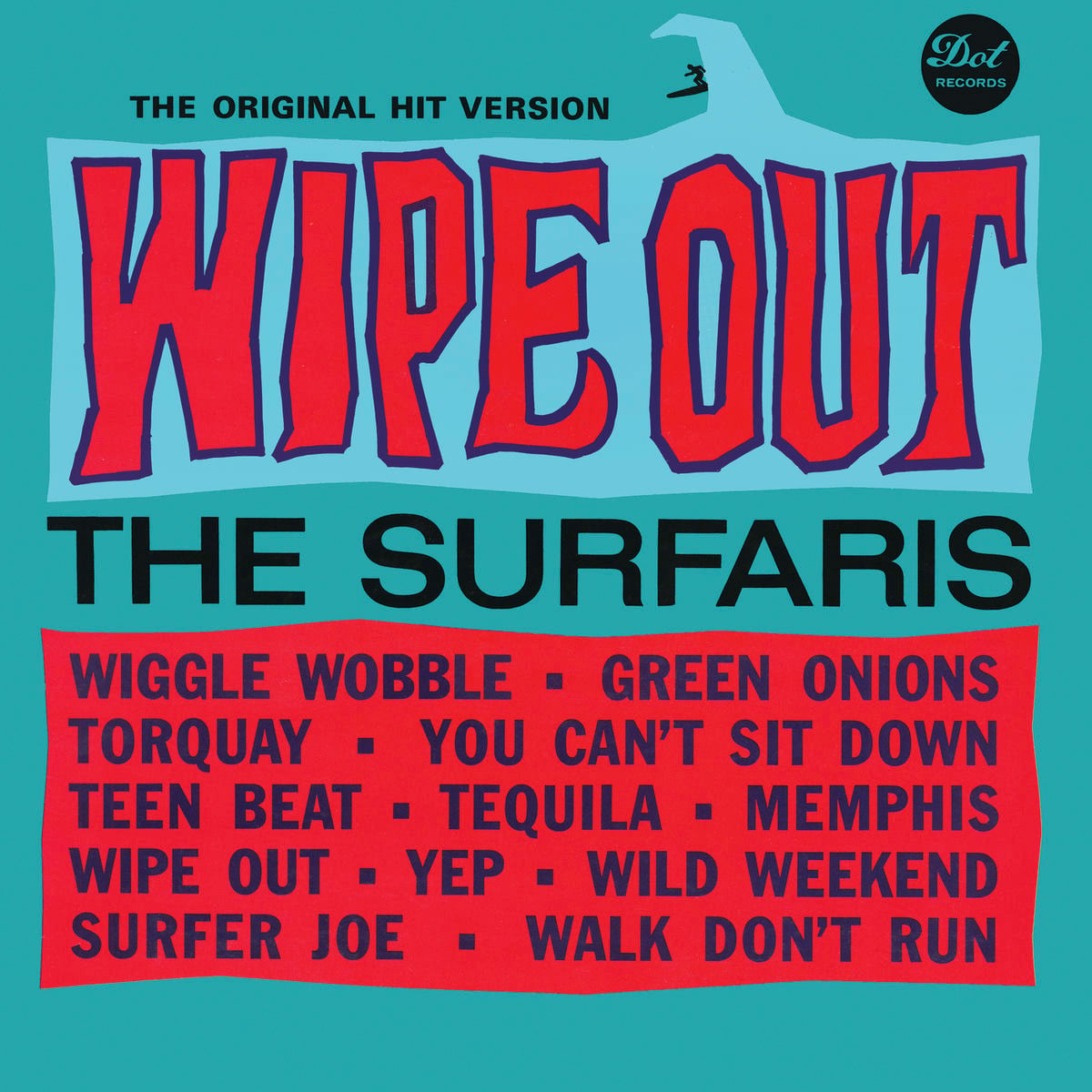
Like all great rock and roll songs, every producer knows that you start with the drums, and before Lanois even knew the first thing about recording, The Safaris had everything that you would need to know. The infamous drum feature is still one of the greatest pieces of rock and roll drumming that anyone has ever laid down, and even before he was knocked out by the technicalities of production, Lanois was already taken aback by what he was hearing when he heard the title track on the radio for the first time.
Having lived in a steel town as a child, Lanois singled the track out as one of the first times where he felt like tunes could transport people to another world, saying, “I wanted to know more about that culture. That’s the thing about records that are influential. They conjure up an emotion, and you want to know about more than just the song. You want to know who these people are. They’re like doorways; let’s call them little portals, and ‘Wipeout’ was definitely a portal for me.”
Everything Motown
Do we really need to explain why Motown is one of the greatest hubs of popular music? The whole town was called ‘Hitsville’ for a damn good reason, and when looking at the kind of roster that they had when Lanois was growing up, there’s no way to ignore those songs if you tried. Anyone from Stevie Wonder to The Jackson 5 to Marvin Gaye had everything that a pop fan was looking for, and being sandwiched right next to Detroit, this was Lanois’s gateway into finding something that offered him a different kind of ride.
More than being catchy tunes, what Lanois was after had more to do with what was going on in the background, explaining, “I wanted to know about James Jamerson. Why was he playing bass like that? How did they get those sounds?” They had already cornered the market on popular music in the US, but it went a lot further than that, too. It was about making someone feel something that they couldn’t get anywhere else, and Lanois started paying attention just in time for the Summer of Love.
‘Are You Experienced’ – Jimi Hendrix
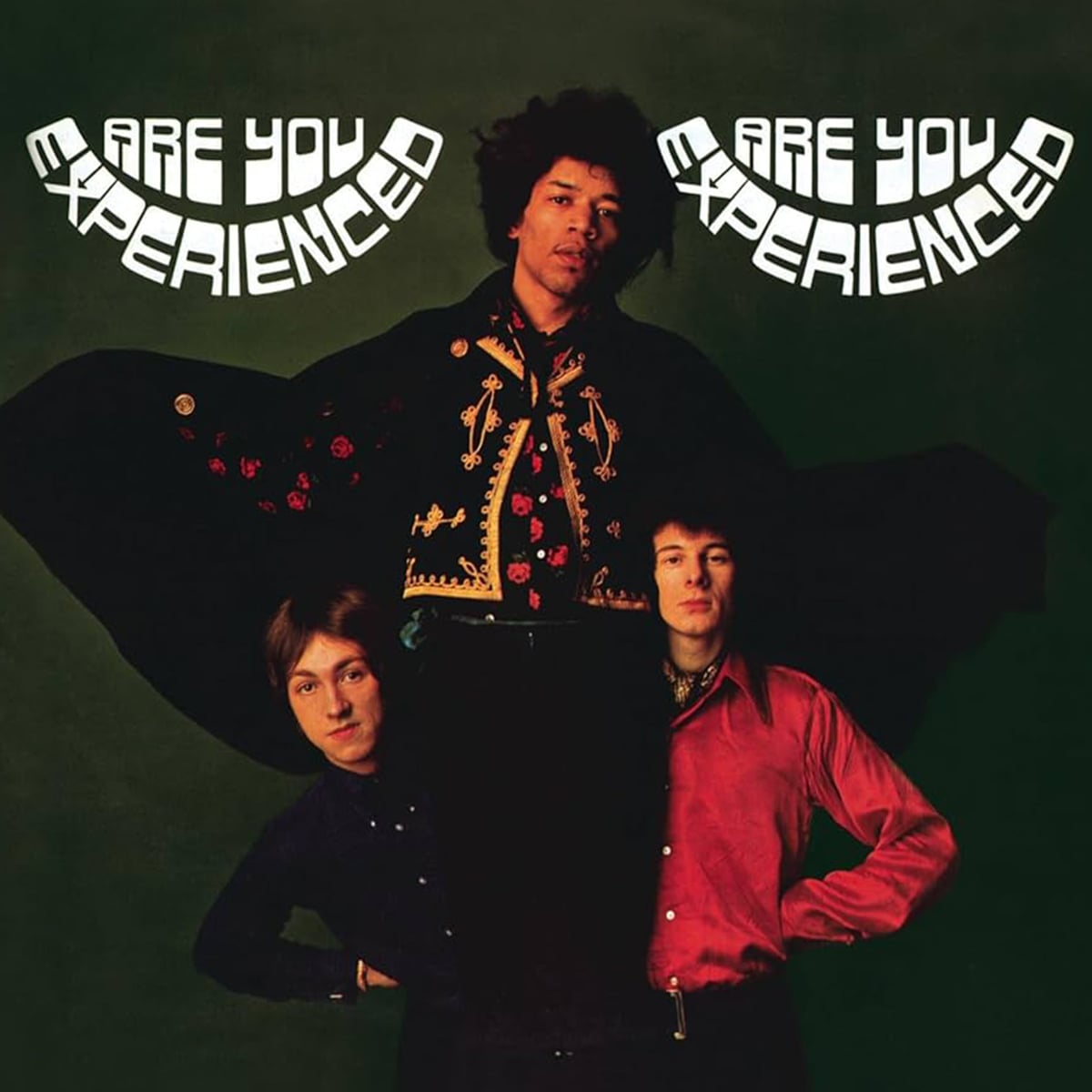
Lanois was no stranger to the guitar by the time Jimi Hendrix arrived on the scene, but there’s hardly anyone who has ever tried to play the instrument that hasn’t been influenced by him. A lot of what Hendrix was doing was nearly impossible to duplicate anywhere else, but the raw sonics of everything were what really caught everyone’s ear. The feedback and fuzz pedals were creating a whole new world, and ‘Foxy Lady’ was the first time that things started to sound different.
It was loose, seductive, and Lanois wanted to get anywhere close to that, saying, “‘Foxy lady I’m coming to get ya’. No one had said that on a record before. So I was like, ‘I wonder what that guy’s on about.’ So I figured there was something going on in the West Village of Manhattan. And that’s when I got to hear about Mr Dylan and Mr Ginsberg, and so the songs were only ever portals.”
‘The Pearl’ – Brian Eno and Harold Budd
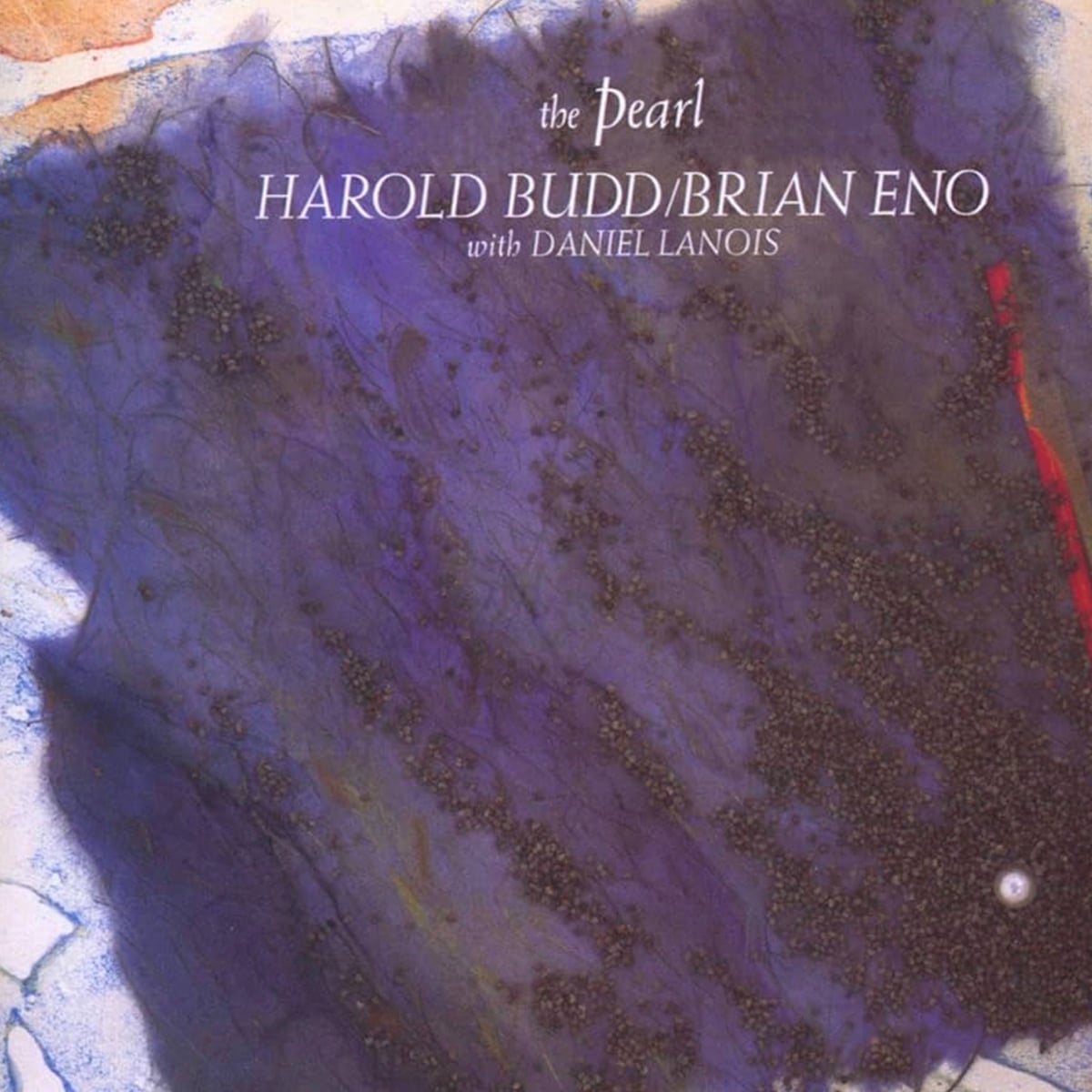
But getting those feelings translated onto records isn’t necessarily something one does by themselves. Some of the greatest projects that Lanois ever worked on have been about feeding off of everyone’s collective energy, and when he wasn’t working with people like Bono and The Edge to craft some of the finest songs of the 1980s, he was still trying to look for new sounds whenever he worked with Brian Eno. And as far as Lanois was concerned, the collaboration album he made with Eno and Harold Budd is still one of the records he holds closest to his heart.
Even having a gig where even the biggest projects can feel like work, Lanois always got special feelings reminiscing about this record. And when you look at the way that all of the instruments are operating together, you can really hear why everything sounds the way that it does. Not every instrument needs to call attention to itself by any means, but when you look at the way that those sequences are constructed, this was one of the first instances where Lanois could look back and see a clear picture of what he had worked on.
‘Why Can’t We Be Friends’ – War
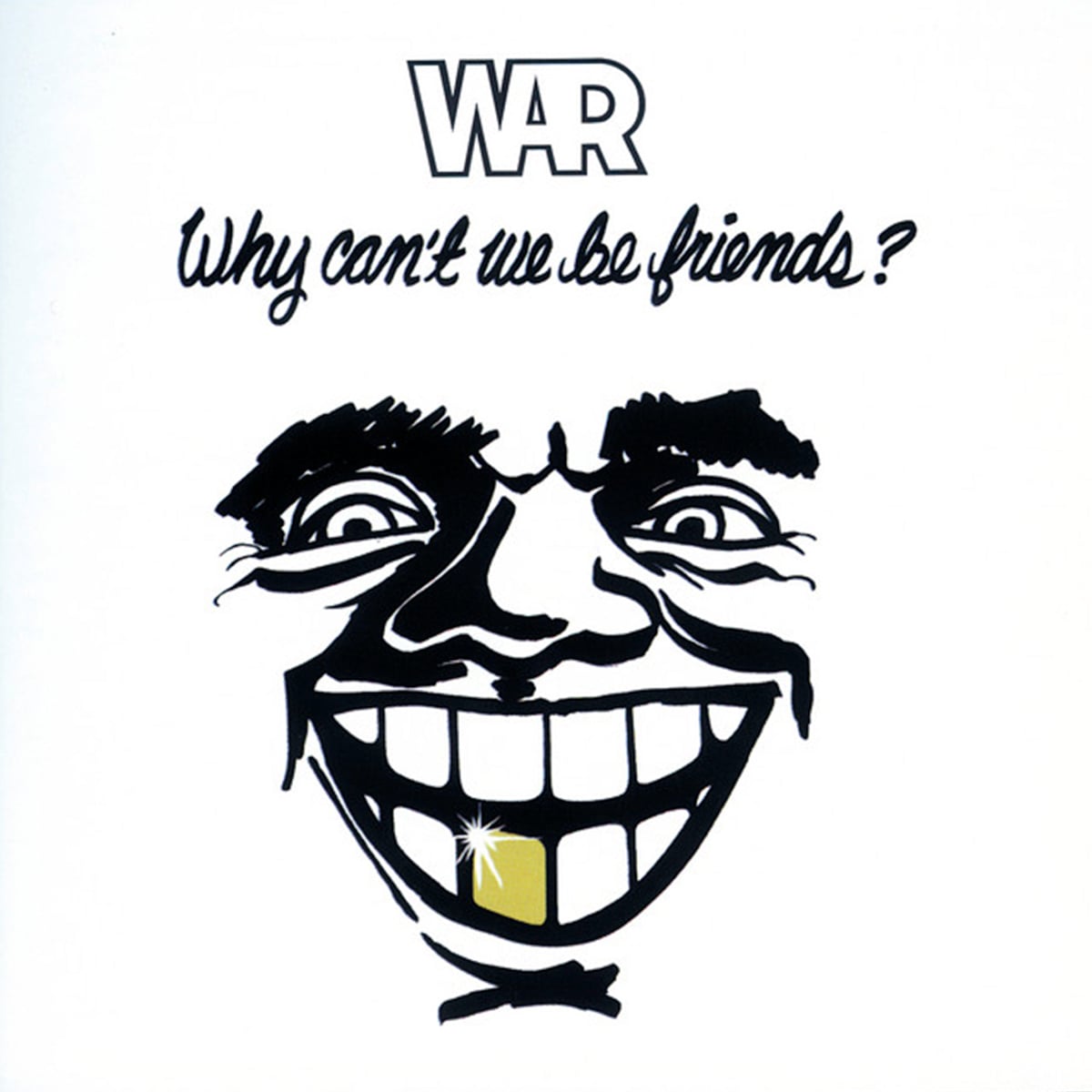
If you go through a lot of Lanois’s greatest works, though, not everything that he made was supposed to be one of the most expansive songs of all time. He may have had people like The Edge and Peter Gabriel working on fantastic sonic landscapes, but sometimes the greatest songs aren’t about getting every instrument in the mix. It’s about finding the right environment, and sometimes that involves using as few instruments as possible in a song like ‘Low Rider’ by War.
Despite having one of the meanest grooves that anyone has ever laid down, the main thing that jumped out to Lanois is that there wasn’t that much going on in the track without the central groove and the horn section coming in. It had its own sonic world that he could live in for a little while. Any producer knows how to serve the song by any means necessary, but when looking at some of the biggest names in the industry, Lanois learned an important lesson when thinking about getting the right sound out front: “Make it visible without too much congestion.”
‘Time Out of Mind’ – Bob Dylan
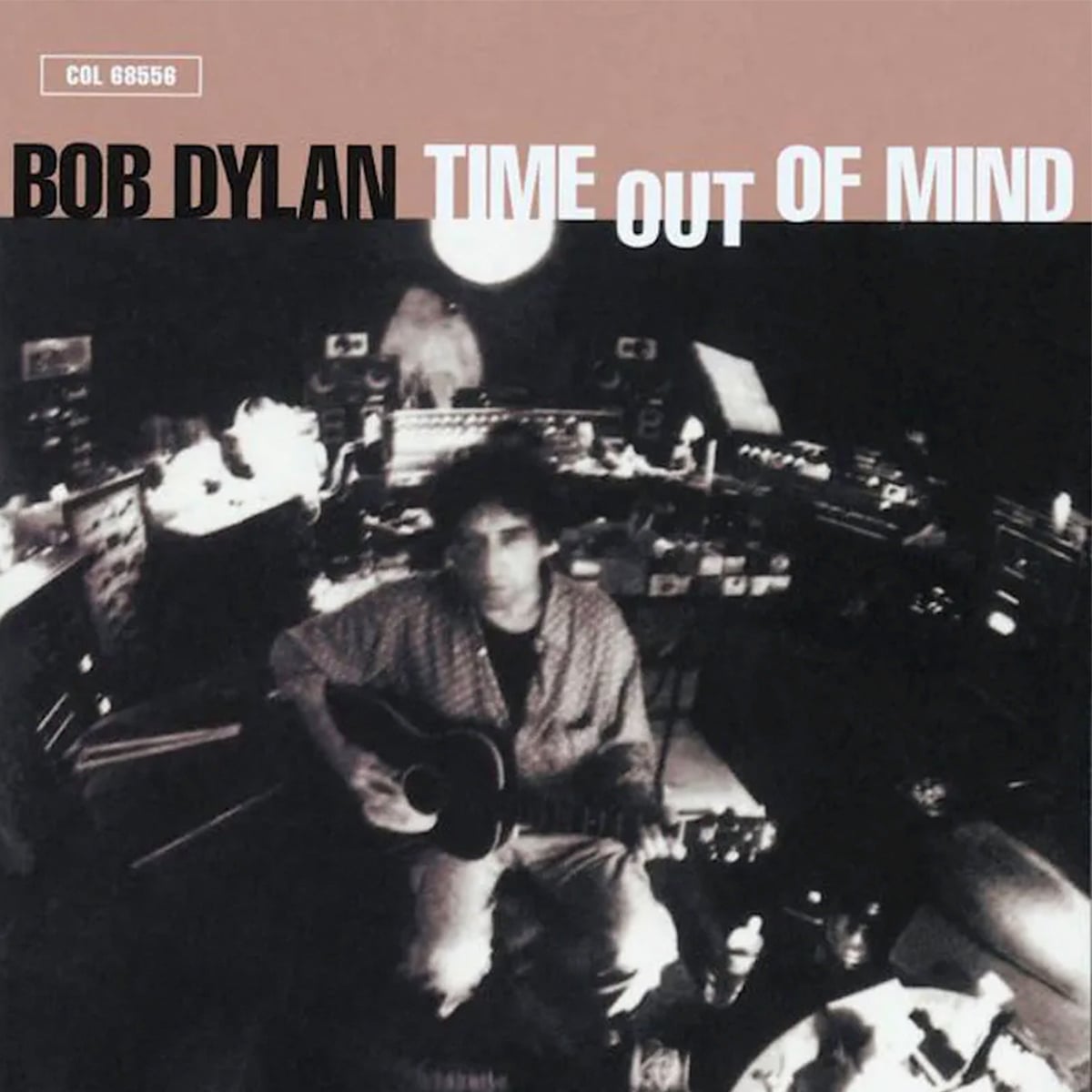
So, with someone who had made albums with a more organic sound throughout the 1980s, being able to work with someone like Bob Dylan was going to be one of the most honourable challenges anyone had taken on. It’s hard to really gauge what Dylan is like out in the wild, let alone when he’s in a studio, and given how he made some of his greatest records sound as barebones as possible, Lanois was on hand during Time Out of Mind to make the audience hear the sound of the room when they made tunes like ‘To Make You Feel My Love’.
He wasn’t new to making music with Dylan at the time, but when working with a musician of that scope, he knew that the backing band around him needed to play the right role in every song they worked on. They could say whatever they needed to say on their instruments, but if they were playing something that was going to end up on the finished product, it wasn’t about trying to go back into their library of licks on any instrument. It was whether or not you had something to say, and if you only had a small contribution, sometimes it could make all the difference in the right song.
Everything by Buddy Emmons and Lloyd Green

Then again, Lanois got a lot of his musical homework from learning how to make chords move when playing pedal steel guitar. Not everything that he worked on necessarily needed that instrument, but getting that kind of touch on the guitar is something that everyone strives for when they are playing naturally. By mastering that instrument, you’re getting a much greater education in harmony, and Buddy Emmons and Lloyd Green were the gold standard for everything that Lanois was looking for.
He was the first to say that he was nowhere near as close to their level of playing, but he would always go back to those records because of how “mystifying” they were, explaining, “They carry the melody and complement the melody with a triad underneath. I’ve tried to incorporate that with my own style of steel playing.” It’s not exactly an easy thing to master, but when you look at what Emmons and Green did on records by everyone from Paul McCartney to Dolly Parton, they were making the kind of melodies that could make the tears well up in your eyes for you half the time they played.
‘So’ – Peter Gabriel
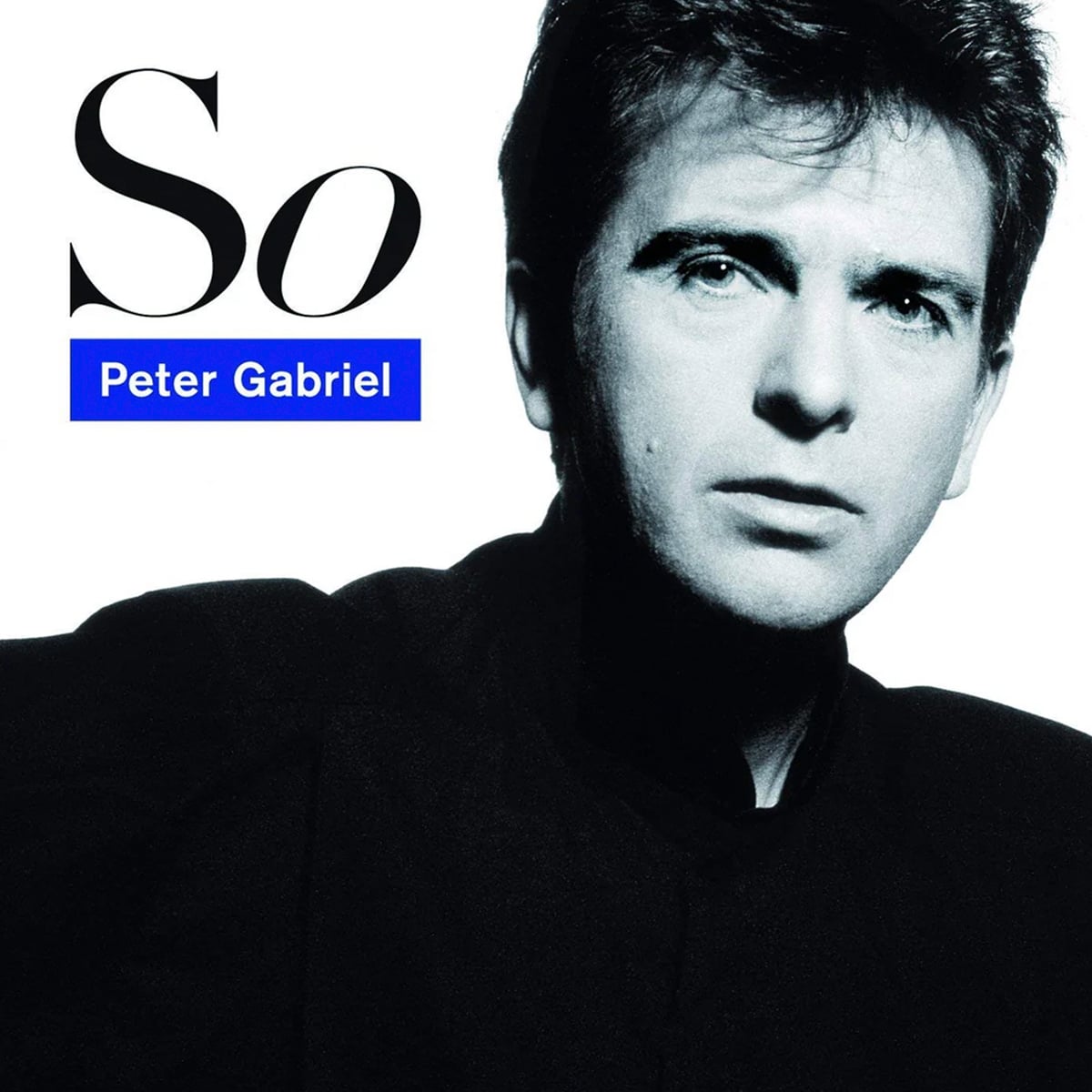
After working with some of the greatest artists of the time, though, Lanois’s partnership with Peter Gabriel on So seemed too perfect a pairing not to work. He was willing to do everything that he could to impress Gabriel when he first assembled the music for the soundtrack Birdy, but once he started working alongside him on tracks like ‘Sledgehammer’ and ‘In Your Eyes’, he could see that he had met another maverick who could push him the same way that he and Eno pushed each other.
There were no preconceptions when working with a fellow master like Eno, and a lot of that carried into what he was working on with Gabriel, whether that was making simple percussion patterns with a beatbox or having Tony Levin create an entire bassline out of the main beatbox basis that turned into what would become ‘Don’t Give Up’ with Kate Bush. Nothing about the album was necessarily intended for any particular market, but that was alright by Lanois. Because when you think about it, the greatest records are always the ones that the public almost have to see out on their own.
‘Los Angeles’ – Rosalia

If we’ve learned anything from the records that Lanois has worked on, though, it’s that he never likes to rest on his laurels by any stretch. He loved the idea of making new tunes that challenged the norms, be it with ambient music or with his production work, and a lot of that came from listening to the new school. And when he heard Rosalia’s voice for the first time, he knew that there was a lot of great potential for the new school to teach him a few new tricks in the studio as well.
After falling in love with Los Angeles, Lanois has said that he has always had a dream of working with her, saying, “I try to mention her name in every interview in the hopes that she’ll call me one day. I love Rosalia. To me, I thought she was the most fascinating artist that I’ve heard in a long time. So, Rosalia, if you’re out there, give me a ring.” Lanois already has a respectable body of work as it is, but Rosalia might be pointing towards his future as a producer as well.

Never Miss A Tale
The Far Out Bob Dylan Newsletter
All the latest stories about Bob Dylan from the independent voice of culture.
Straight to your inbox.