


The curious room above a furniture shop in Birmingham that became the greatest club of the 1960s

In a tucked-away suburb of Birmingham stood one of the world’s most essential countercultural congregations.
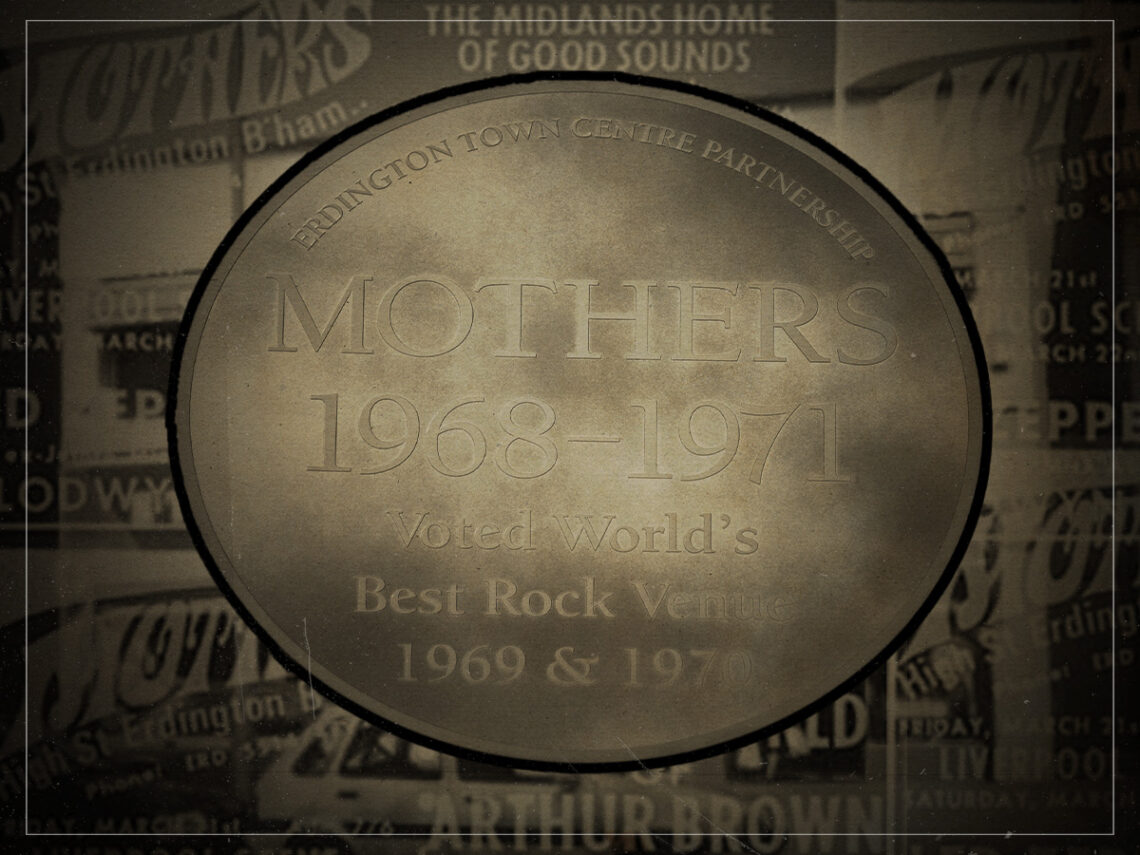
And we really mean the world. Operating for less than three years as the 1960s passed into the 1970s, the Mothers club situated on top of a furniture store at Erdington’s 187 High Street pulled in over 400 shows among some of rock’s biggest names from both sides of the Atlantic, winning such global prestige that Billboard magazine voted Mothers ‘Best Little Rock Club in the World’ two consecutive years in 1969 and 1970.
The top floor had some precedence in the Birmingham music scene. Formerly called the Carlton Ballroom, the respectable dance hall had begun to let rock trickle in, largely due to the new managerial efforts from local promoters and general music enthusiasts John Singer, John ‘Spud’ Taylor, Phil Myatt, and Gary Surman’s eight-year lease on the venue, booking the likes of The Moody Blues and Jethro Tull under the old Carlton moniker.
The countercultural air and its shifting programme demanded a change in branding, Myatt suggesting the Mothers name for its purported connotations of homeliness and belonging. It worked. Officially opening its doors on August 9th, 1968, local music fans and the young and intrepid would soon form mammoth queues eager to enter Mothers’ hallowed doors, happy to put up with the cramped space and notorious lack of ventilation so bad that DJs were reported to have to wipe their records of condensation before their sets.
Everybody wanted to play Mothers. As the little furniture store downstairs was shutting up shop for the day, the sound check above could have been blasting from the amps of Fleetwood Mac, The Who, Elton John, Led Zeppelin, King Crimson in their early heyday, as well as the nascent metal scene seeing Deep Purple and Black Sabbath grace the Mothers stage.
From the States, Steppenwolf, Grateful Dead, Canned Heat, Chicago, and Captain Beefheart found themselves wandering Erdington’s suburban stretch of independent shops.
Lauded tastemaker and BBC Radio 1 DJ John Peel was a frequent patron and soundtrack for the shows’ afters, and the venue even found itself recorded for posterity on Pink Floyd’s Ummaumma and in parts of ‘Facelift’ from Soft Machine’s Third.

Still, that eight-year lease wasn’t going anywhere. Despite still standing as a popular club and countercultural nucleus, Myatt was forced to shut up shop and hand over the keys to the landlord once the expiry date was up on January 3rd, 1971, abandoning such a cherished site of rock and pop and for years existing as merely a storage space for the furniture store below.
At the time of writing, the downstairs is now the Deli Casa Supermarket, but otherwise, little is left of the Mothers’ brief but celebrated takeover of the Erdington spot in suburban Birmingham, finally granted a Blue Plaque in 2013. “I sometimes get mail from younger people who live in Erdington and are amazed to hear that for a few years, the best club in Britain, and it was because I went to most of the gigs, was right here in Birmingham,” Peel once reflected on Mothers’ strangely forgotten legacy.
