


How Cornershop channelled the Indian connection of The Beatles

Indian music’s prominent presence in 1960s psychedelia was largely the result of fortuitous happenstance. During the production of Help!—The Beatles’ Technicolor 1965 feature—Hindi film composer Shiv Dayal Batish was invited to Twickenham Film Studios. His stringed vichitra veena played in the background of the film’s Rajahama Indian restaurant scene, while he also provided incidental raga renditions of Fab Four hits. Out of curiosity, lead guitarist George Harrison picked up a sitar—unwittingly sparking a lifelong fascination with traditional Indian culture.
“I went and bought a Ravi record; I put it on, and it hit a certain spot in me that I can’t explain, but it seemed very familiar to me,” Harrison told Billboard, revealing Varanasi sitarist Ravi Shankar‘s deep influence. “The only way I could describe it was my intellect didn’t know what was going on and yet this other part of me identified with it. It just called on me.”
While The Yardbirds and The Kinks claimed early innovation by incorporating raga into Western pop, it’s Rubber Soul‘s ‘Norwegian Wood (This Bird Has Flown)’ that thrust Indian music firmly into the mainstream chart. Principally written and sung by John Lennon and exploring an affair he engaged in while married to Cynthia Powell, Harrison’s sitar chime imbued the contemplative folk-rock piece with an exotic mysticism that perfectly anticipated a growing counterculture hungry for sounds and ideas that offered spiritual depth.
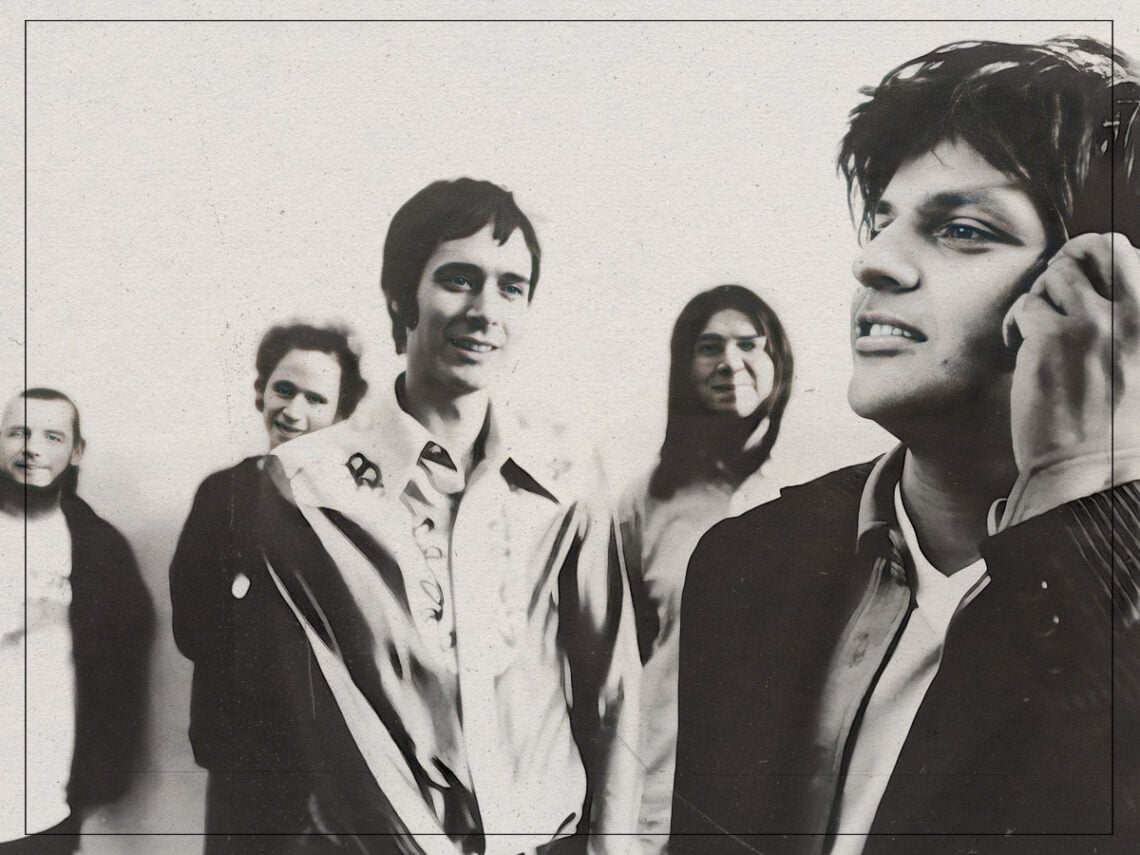
Joining the scores of artists that have tackled the Lennon-McCartney songbook, Leicester indie group Cornershop gave one of the Fab Four’s most interesting covers. Formed in ’91 with a revolving cast of members surrounding duo Tjinder Singh and Ben Ayres, Singh’s fusion of British alternative music and Punjabi heritage cut a unique character in a scene dominated by white artists.
Naming their band after the popular impression of every local convenience store managed by Asians in British culture and presenting their In The Days of Ford Cortina EP in curry-coloured vinyl, Cornershop smattered their hip-hop-inspired rock with a fearless embrace of their immigrant family heritage thumbing the nose of the reactionary Right that reared its head early in the decade.
Operating as outsiders was always a norm for the indie territory. “When I was growing up, you either liked alternative or pop music. Me and my brother liked alternative [music], so we were cut off from our own community. It was our own Asian community that ostracised us before anyone else,” Singh confessed to WEIRDO in 2023.
“For an Asian to be in a band, it was as rare as hen’s teeth. For an Asian to have a guitar, that was sacrilege. So there was that and then all the other prejudice outside of that. There were a lot of battles to be won.”
With their first two albums, Hold On It Hurts and Woman’s Gotta Have It winning David Byrne as a fan and scoring tours with Beck and Oasis, When I Was Born for the 7th Time proved to be the group’s breakthrough album helped in no small part by Fatboy Slim’s global smash remix of ‘Brimful of Asha’, bumping Celine Dion’s turgid monster ‘My Heart Will Go On’ behind them in the charts. Slim’s chart-friendly package belied the album’s avant-garde character, a tricksome record that winds across Britpop flecked alternative to raga sound collages and poetry from Beat poet Allen Ginsberg.
Notably, Cornershop rounds off their signature album with a Punjabi-language rendition of The Beatles’ ‘Norwegian Wood’. Immersed further into the traditional Indian arrangements Harrison hinted at three decades earlier, it wavers between sincere affection and wry, meta subversion. McCartney and Yoko Ono allegedly praising their take on ‘Norwegian Wood’ takes the piece to a place more authentic than Harrison could ever have reached.

Never Miss A Beat
The Far Out Beatles Newsletter
All the latest stories about The Beatles from the independent voice of culture.
Straight to your inbox.