


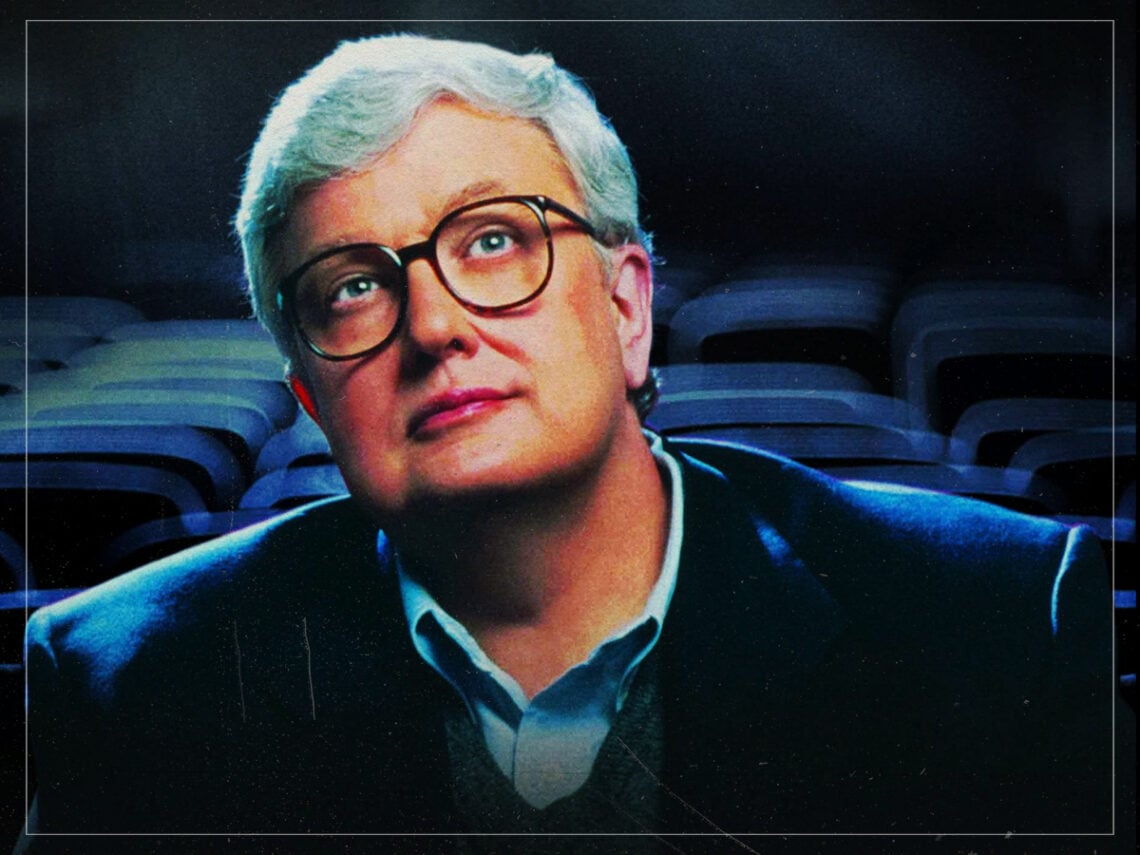
“It’s so bad”: the 1984 comedy movie Roger Ebert called “the absolute pits of this genre”

There’s no such thing as the formula for making a universally beloved comedy, and even if there was, everyone would use it, and they’d all be the same anyway. Movies made to tickle funny bones don’t always have the desired effect, and one of them was utterly slaughtered by Roger Ebert.
While you could realistically say the same about every genre, there’s something particularly unenjoyable about a bad comedy. Whether the humour doesn’t land, doesn’t appeal to your personal preferences, or is simply poorly written, terribly delivered, and gallingly unfunny, few filmic experiences are worse than sitting stony-faced through something that’s supposed to make you laugh.
Based on how frequently he eviscerated them in his reviews, video game adaptations were probably Ebert’s least favoured form of cinema, which makes sense, seeing as no less of an authority than science has named console-to-screen pictures as the single worst genre in the history of the medium.
After that, gratuitously violent horror got under his skin the most, followed by so-called comedies that couldn’t muster a single laugh. He did at least apologise for lambasting Zoolander, though, with Ben Stiller getting a face-to-face atonement that saw Ebert admit that 9/11 had informed and soured his thoughts on the cult classic flick.
He wouldn’t be caught making the same excuses for 1984’s Police Academy, though, because his hatred for the franchise-launching farce was nothing short of palpable. Audiences loved it, right enough, with the film earning almost $150million at the box office and spawning six sequels of ever-diminishing quality, which is saying something when the opener wasn’t very good.
As you’d expect, the Steve Guttenberg star vehicle was awarded zero stars by Ebert, who described it as “without any doubt, the absolute pits of this genre, the least funny movie that could possibly have been inspired by Airplane!, or any other movie.” So bad, in fact, that the critic even suggested it should be used as an experiment to gauge just how awful big-screen comedy could get.
“It’s so bad, maybe you should pool your money and draw straws and send one of the guys off to rent it so that in the future, whenever you think you’re sitting through a bad comedy, he could shake his head, and chuckle tolerantly, and explain that you don’t know what bad is,” he opined, using Police Academy as the perennial benchmark for the lowest the genre could hope to sink.

Throughout his career, it was painfully obvious that sophomoric comedies were never going to win passing marks from Ebert, and his disdain for Hugh Wilson’s feature-length directorial debut was far from the last time that he’d savage mainstream Hollywood’s attempts at playing to the lowest common denominator and trying to pass itself off as humour.
He might have called it the “absolute pits” of comedy at the time, but based on how he responded to Tom Green’s Freddy Got Fingered two decades later, one small mercy is that Police Academy didn’t hold that distinction for the rest of Ebert’s life.
