


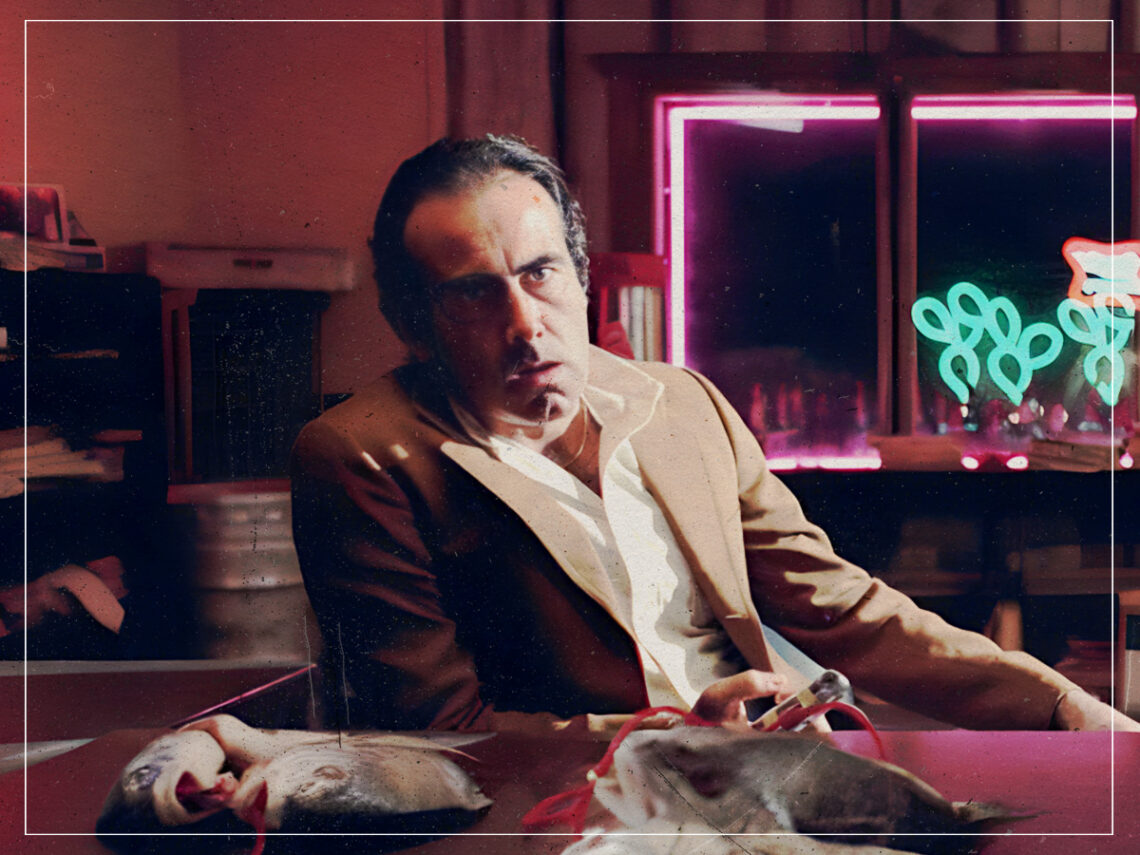
The Coen brothers’ ‘Blood Simple’ explained: Did Marty really die?

The Coen brothers’ debut feature, Blood Simple, remains their most self-contained, perfectly constructed picture. Quentin Tarantino has called the movie his primary inspiration for Reservoir Dogs, describing it as “a very influential movie to me before I’d even made a movie”.
A neo-noir film with an especially strong emphasis on the neo and the noir, the movie’s scenes of graphic violence, semi-farcical twists, and sprinklings of dark comedy made it the template for a new generation of crime movies. In addition to Tarantino, filmmakers Danny Boyle and Brian Singer would also take their lead from the Coens.
But what is Blood Simple all about? Quite simply, it’s about blood. Well, blood money. A humiliated cuckold hires a private detective to kill his wife and her lover. But then chaos ensues, and confusion reigns. It turns out the plan wasn’t as simple as Marty, the cuckolded husband, thought it to be. And his hired assassin was not to be trusted as he believed.
A series of catastrophic misunderstandings laced with dramatic irony led to far more blood being spilt than even Marty had intended, with three of the movie’s five characters ending up dead. Or so we think.

So, what happens to Marty?
Loren Visser, the man Marty has hired for his deadly deed, meets him to confirm the hitjob on Marty’s wife Abby and her lover Ray is done and collect his money. He gives Marty photos of the couple lying in their bed as proof, which turn out to be doctored to appear as if they’re dead.
In fact, the job isn’t done. But Marty doesn’t know that, as before he can find out the pair are still alive, Visser shoots him and takes the photos along with his money. Except that Marty had already taken one of the photos and hidden it in the safe of the bar he owned.
Ray, who also works at the bar, arrives there and finds Marty bleeding but still alive. Mistakenly believing that it was Abby who shot him, he panics and drives a seriously wounded Marty out to a field.
One of the movie’s most compelling scenes involves Ray trying to bury Marty alive in the field during the dead of night. The Coens draw the scene out to two full minutes of Ray slowly working on burying Marty, even though he’s still alive before Marty painfully pulls the gun Visser had left at the scene of his crime out of his pocket and points it at Ray.
Ray stops pouring soil onto the incapacitated Marty and freezes in horror as he sees the gun pointed at his head. The camera shows us his perspective as it stares down the gun barrel. Marty pulls the trigger, but the gun is empty.
The comical sound of a fly buzzing around the pair innocuously breaks the tension as Ray slowly carefully reaches down and pulls the gun from Marty’s hand as he continues to shoot empty bullet chambers helplessly. Each click of an empty chamber makes us feel more dread on Marty’s behalf as we’re about to watch him get buried alive.
Ray then quickly returns to his work, throwing soil over Marty’s body much faster as we hear his muffled screams of terror. Sinister choral music fades into the soundtrack as Ray completes his work, breathing heavily with fear, and then smacks his shovel down onto the shallow grave repeatedly.
Marty must be dead, surely?
Ray assumes so. Until he returns to Abby’s apartment and they receive a strange phone call, with the caller silent on the other end. Without knowing what’s just happened in the field, Abby tells Ray it’s Marty on the phone, which sends him into a frenzied panic. Later, he runs into his colleague at the bar, who tells him Marty has left him a voicemail.
When Ray returns to Abby’s apartment for the final time in the movie, he’s shot dead by a mysterious sniper from a rooftop across the street. Abby assumes the sniper to be Marty, even though, by this point, Ray has told her about the burial. Could he really be back from the brink of death?
A shootout then follows as the sniper breaks into Abby’s apartment. From behind the bathroom door, she shoots Ray’s killer and declares, “I’m not afraid of you, Marty.”
From the other side of the door, Visser, the detective and hitman, replies. All along, it had been Visser who called Abby’s apartment to check she was home and remained silent on the line, making her think it was Marty. And it was Visser who shot Ray.
The audience is aware of this confusion throughout. In their very first movie, the Coens have mastered the art of dramatic irony to a degree beyond almost any other example in cinematic history. They did so with the help of extensive storyboarding while developing the film’s plot.
We don’t actually hear from the real Marty again in Blood Simple after the final smack of Ray’s shovel on the ground above his suffocated corpse. Only as a portentous ghost haunting Abby’s nightmares. And perhaps ours, too.
