


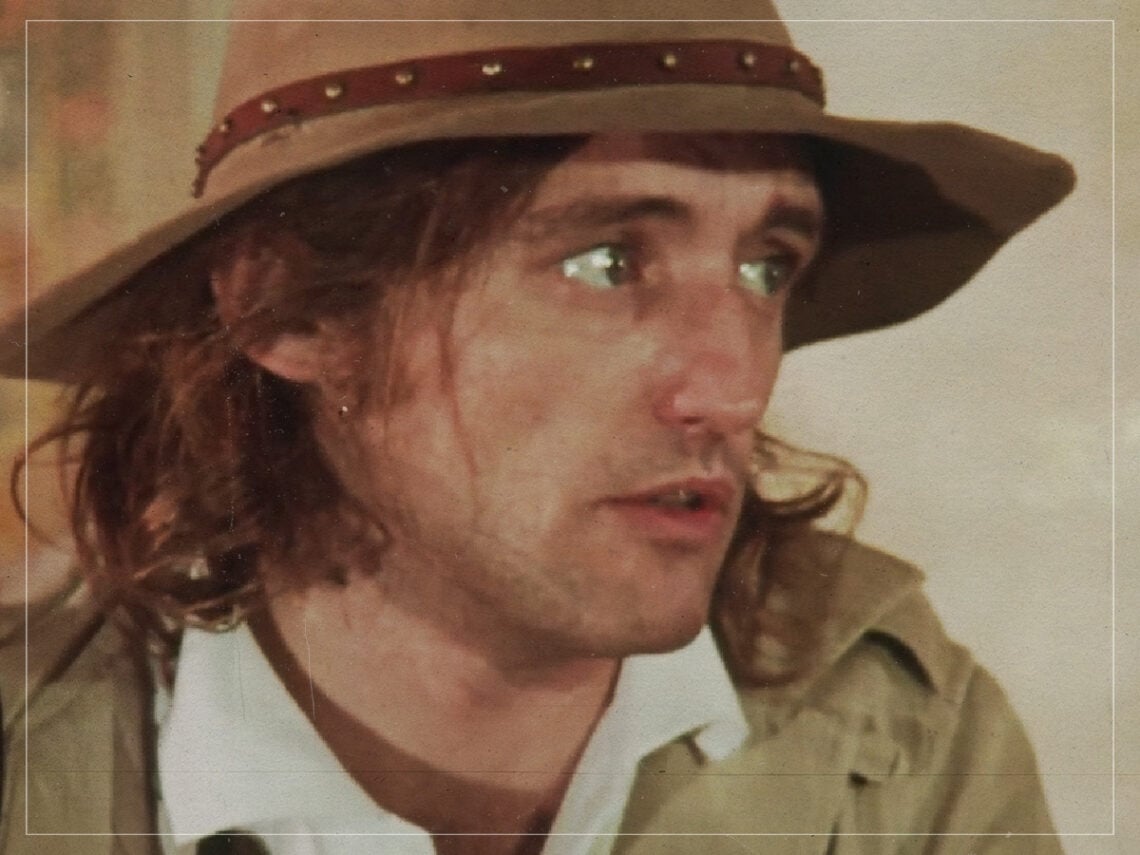
“I was jealous”: the co-star who couldn’t last a week without punching Dennis Hopper

Anyone so committed to a life of self-destruction isn’t going to be the easiest person to get along with, and one co-star couldn’t even see out the first week of shooting without punching Dennis Hopper in the face.
This was in the late 1970s, so it would be selling the ‘New Hollywood’ rebel short to say that he wasn’t in the best place, personally or physically. Drink and drugs dominated every facet of his being, and while he was under the impression that he was having a great time, he was a nightmare to deal with.
A time period when Hopper was deported from Australia with enough alcohol in his blood to kill a lesser man, accepted payment in cocaine for starring in Apocalypse Now, and found himself exiled from Hollywood for the second time after becoming too much trouble for American cinema wouldn’t have been the best time to try and wrangle him under control.
Wim Wenders gave it the old college try, though, and he did a pretty decent job, all things considered. The American Friend was the Easy Rider architect’s best performance in years, and it came in his best movie in years, so from the outside looking in, it can’t be called anything other than a success.
However, this being the industry’s most infamous hell-raiser, the shoot didn’t pass without incident. In the adaptation of Patricia Highsmith’s Ripley’s Game, Hopper played the title character opposite Bruno Ganz’s Jonathan Zimmermann, and the Swiss actor didn’t put up with his shit for very long.
“I was jealous because he was a Hollywood star and I was nothing, really,” Ganz recalled. “He made a very nasty remark about blind people, and my son is blind, which he didn’t know. So I began kicking him, and we had a little fight. Back then, when I was drunk, I could get into fights quite easily.”
The second-billed star fought his own long-term battle against alcoholism, and pairing him with Hopper, who was prone to flying off the handle at any moment due to his own well-known proclivities for hitting the bottle and whatever form of narcotics tickled his fancy, created an instantly combustible atmosphere.
Ganz says he only kicked him, but Wenders didn’t remember it that way. “They had a fistfight after a week, and things looked rather serious,” the director told Parallax View. “But that cleared things up, and they got along fine in the end.” Although it’s the opposite of what everyone says, in the case of The American Friend, violence literally solved everything.
After clearing the air by trying to batter the shit out of each other, there were no more incidents between Hopper and Ganz, and the rest of the shoot went off without a hitch. In this case, the latter’s jealousy reversed the age-old age; if you can’t join ’em, you can beat ’em instead.
