


The classic 1989 song Martin Scorsese tried and failed to turn into a movie: “We were never able to”

Comic books, video games, board games, novels, you name it: Hollywood can, and will, try to turn almost anything into a movie. Martin Scorsese wanted to do it with a song, but the legendary director came up short.
In the wrong hands, turning a solitary track into a feature smacks of creative bankruptcy. Has a filmmaker so few ideas that the best they can come up with are a few verses and a chorus of something they enjoy listening to, and decide that it’s the only way they can get their creative juices flowing? Sometimes yes, sometimes no.
Of course, in the right hands, it’s a worthwhile endeavour. The Night the Lights Went Out in Georgia was based on Vicki Lawrence’s 1972 song of the same name, and it wasn’t bad. Sean Penn’s directorial debut, The Indian Runner, was based on Bruce Springsteen’s ‘Highway Patrolman’, and there’s Kenny Rogers’ two-time Emmy-nominated made-for-television movie, The Gambler.
At the opposite end of the spectrum, let’s pretend that the Duff family didn’t put their heads together to come up with 2006’s Material Girls. Needless to say, Martin Scorsese is not Hilary Duff, so you get the sneaking suspicion that he’d make a much better fit of turning a classic song into an equally effective movie.
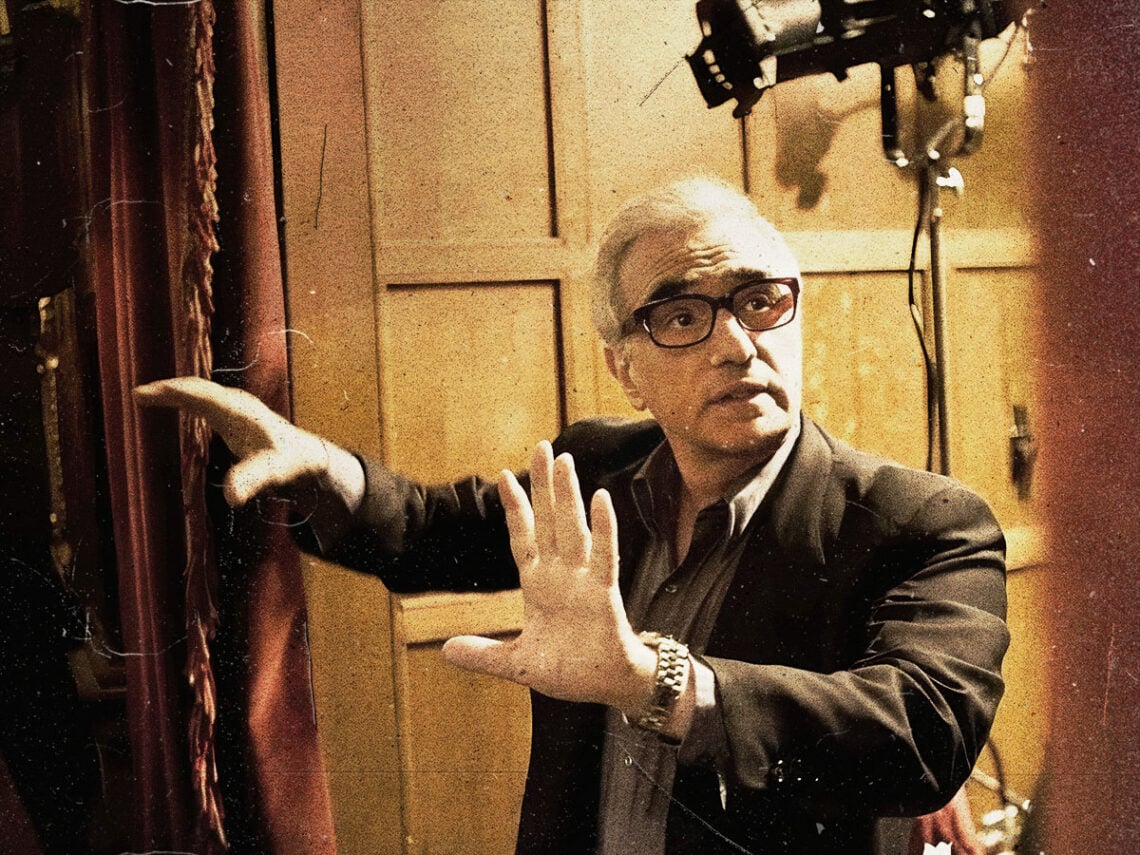
While in post-production on Raging Bull in 1980, the venerated auteur introduced himself to Lou Reed for the first time at a hotel restaurant in Los Angeles, and they’d remain friends until the musician passed away in 2013. Having written a song about Scorsese, with 1984’s ‘Doin’ the Things That We Want To’ full of references to his work, the brains behind Goodfellas wanted to return the favour.
“In the ’90s, we tried to get a film made based on ‘Dirty Blvd’, from Lou’s album, New York, from a script by Reinaldo Povod, who had written a play called Cuba and His Teddy Bear with Bob De Niro, and who later passed away at a very young age,” Scorsese explained. “We were never able to get that picture into production.”
One of Reed’s most popular late-career tracks, and a number one on the Billboard rock charts, it’s easy to see why Scorsese, a born and bred New Yorker, saw the cinematic potential of the lyrics, which reflect on socio-economic inequalities and the dark side of the ‘Big Apple’, two subjects he’s explored at great length through his own storied contributions to cinema.

‘Dirty Blvd’ follows Pedro, who “lives out of the Wilshire hotel, he looks out of a window without glass, and the walls are made of cardboard, newspapers on his feet, and his father beats him because he’s too tired to beg,” with the youngster dreaming of “killing his old man” to provide a better life for his nine siblings, which is easier said than done in a place like New York, where the odds are stacked against him.
It sounds right up Scorsese’s street, but despite being a friend of Reed’s, not to mention one of the modern era’s most acclaimed auteurs, his movie adaptation of the song failed to make it to the screen.
