


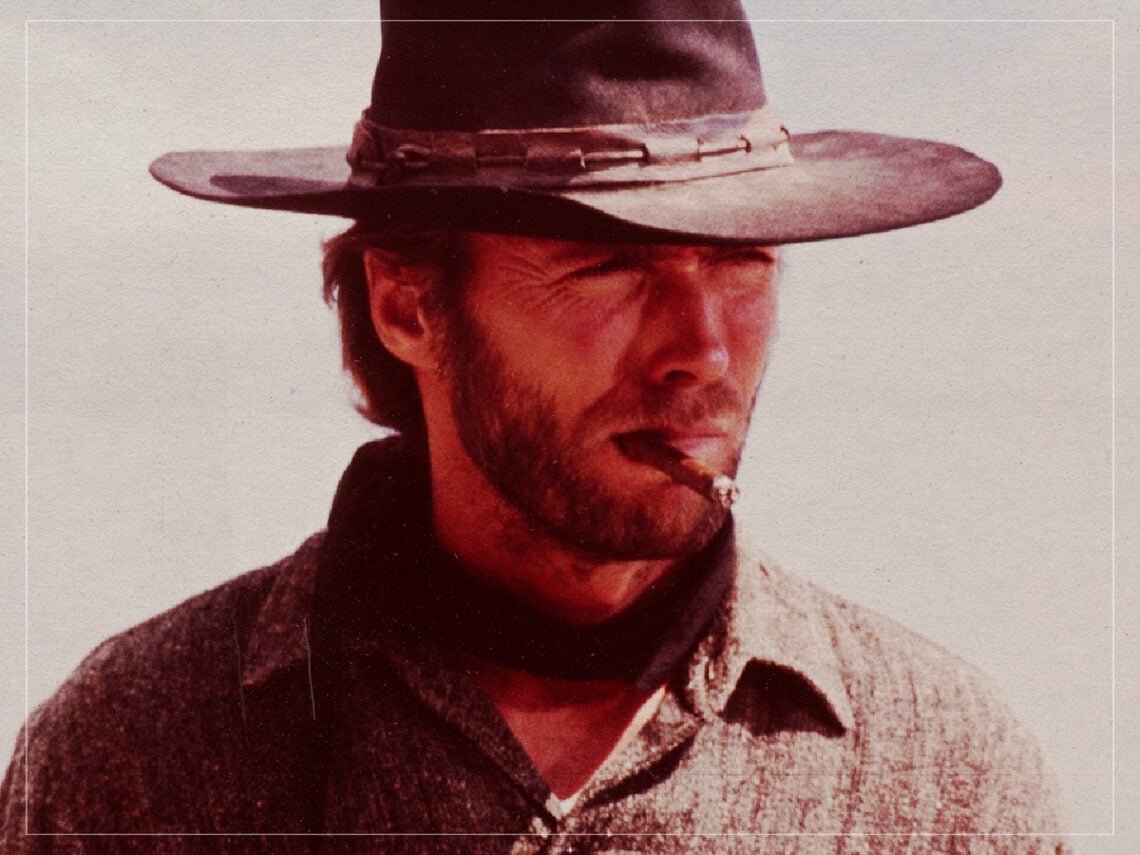
The classic 1968 movie Clint Eastwood wanted nothing to do with: “There was no challenge”

Having starred in several of the greatest westerns ever made, Clint Eastwood was completely unbothered when he saw a movie that he immediately turned down to enter that pantheon, not that he necessarily agreed with the adulation it received.
With Sergio Leone’s Dollars trilogy, High Plains Drifter, Pale Rider, The Outlaw Josey Wales, and Unforgiven under his belt, Eastwood snatched the baton away from John Wayne and defined the genre for decades, to the point that you can’t think about the western without his face popping up in your mind.
He loves the medium; that much has been made clear from how often he returned to the American West and how highly he regards those films, but he didn’t want to be tethered to it forever. The actor and filmmaker fancied some new frontiers of his own, which didn’t include a reunion with one of his most iconic collaborators.
Leone played a huge hand in transforming Eastwood from a TV star best known for Rawhide into a cinematic superstar, but they never worked together again after The Good, the Bad and the Ugly was released in 1966. The former didn’t forsake the western, as he’d repeatedly go on to show, but nor was he interested in playing the lead role in one of its defining pictures.
After shooting three iconic westerns in a row, Leone went ahead and added a fourth, with Once Upon a Time in the West beginning production 17 months after the ‘Man with No Name’ made his final outing. Naturally, the director knew exactly who he wanted to play Harmonica, but it wasn’t reciprocal.
“There was no challenge for me anymore,” the four-time Academy Award winner explained, outlining why he rejected Charles Bronson’s part. “In The Good, the Bad and the Ugly, there certainly wasn’t as much of a challenge as a performer as there was in A Fistful of Dollars or For a Few Dollars More.”
Eastwood suggested, not inaccurately, that as Leone’s filmography wore on, he became increasingly obsessed with making longer, more epic, and more elaborate films, where substance triumphed over style. “In each one, progressively, the impetus became on the production values rather than the story,” he offered, and he’s right, if you’re basing it on nothing but scale and running times.
The first Dollars flick ran for a sprightly 99 minutes, the second clocked in at 132, and the trilogy-capper was a mammoth 174. Once Upon a Time in the West was a little shorter, albeit not by much, at 171 for Leone’s preferred cut, with Duck, You Sucker! and Once Upon a Time in America stretching for 157 and 229 minutes, respectively, making him one of his era’s ultimate butt-numbers.
Eastwood had no interest in being part of a three-hour movie that didn’t give him anything to sink his teeth into as a performer, but his loss was definitely Bronson’s gain, with his replacement taking centre stage in what’s not only a seminal western, but a stone-cold masterpiece.

Never Miss A Tale
The Far Out Clint Eastwood Newsletter
All the latest stories about Clint Eastwood from the independent voice of culture.
Straight to your inbox.