


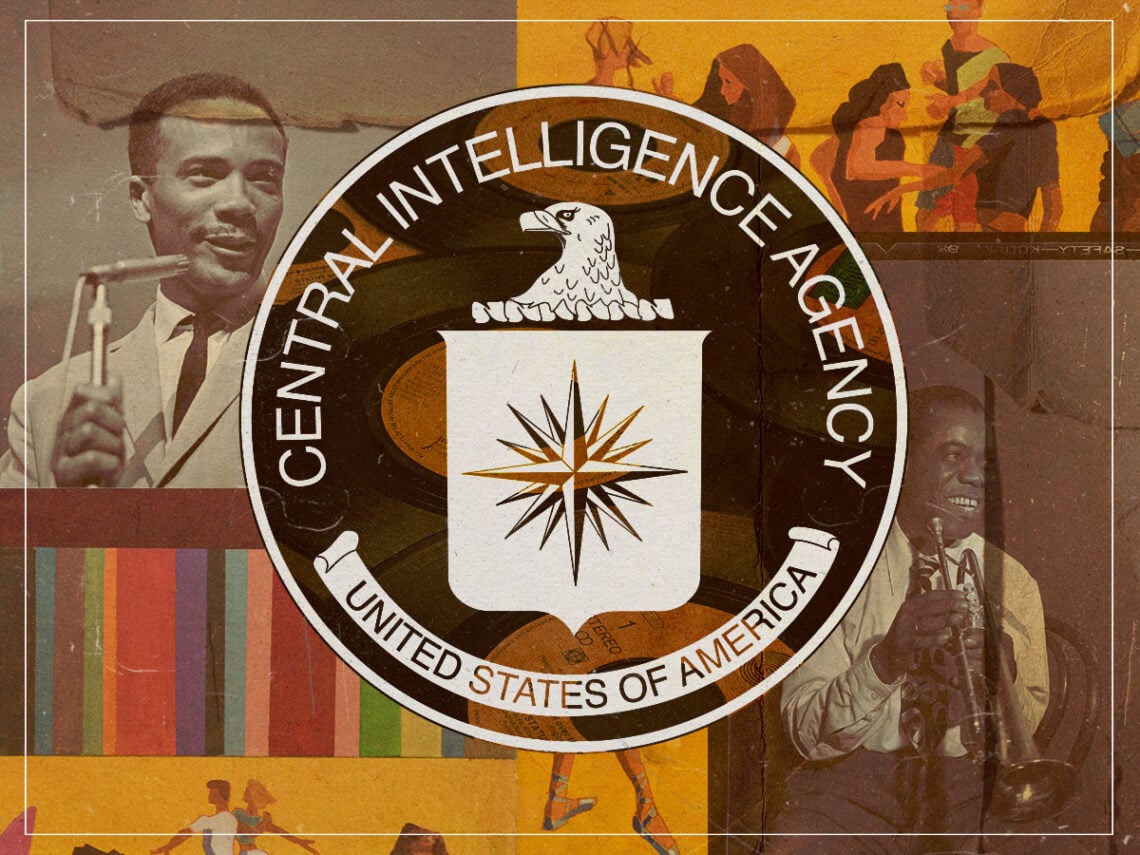
From the shadows: Exploring the CIA’s secret “jazz diplomacy” scheme

There has never been one set rule as to what constitutes good music. Everyone has their own say in what they think is good, and what might seem like the next answer to The Beatles might sound like outright trash to someone else. Our differences help make us who we are, but jazz was more sophisticated than everything else when the CIA co-opted musicians during the 1950s.
Then again, anyone taking a casual glance at the state of the US in the 1950s will see the music dominated by one big word: Rock. As artists like Bill Haley and the Comets were making some of the first real rock tunes and Elvis Presley was shaking his ass in front of unsuspecting parents everywhere, the political side of the country was focused on where experienced musicians could take their craft.
As far as the CIA was concerned, rock was just a pleasant distraction from all of the Cold War concerns that were happening at the time. Before the Vietnam War had fully gotten underway, there was already a call for nuclear fear, wondering what country had their finger on the button and how willing they were to actually press it if another country upset them.
To make nice with everyone, the CIA set out to bring ambassadors of American taste over to other countries, which involved the biggest names in jazz for what was called “jazz diplomacy”. Since Chuck Berry or Little Richard would leave many of the sophisticated sorts running scared, it would be best to bring about artists like Quincy Jones and Louis Armstrong to play to anyone within earshot.
However, there’s a bit of a problem amid all of that. For all of the great music that the artists were making on the road, they weren’t exactly getting the same treatment back home. Considering how much they poured into their craft, it’s borderline criminal that the government that brought these musical gods on the road gave them nothing to show for it when they came back home.
Although this would help pioneer the civil rights movement in America years later, why go with the jazz greats instead of rock and rollers? Since people were listening to Elvis Presley and Chuck Berry non-stop at the time, wouldn’t that be a better ambassador for what America had to offer?
In theory, yes, but in practice, the jazz greats they went with couldn’t be argued with by any other players. Throughout their careers, Jones and Armstrong both taught a clinic on how to cross over to the mainstream while still making extremely complex music. Even though jazz may have been considered a retro form of music, many more trends came out of this wave of jazz than many probably expected.
While there’s no word as to how many people were listening to them back in the day, the next few decades would see a rise in jazz fusion as well, featuring artists that were as much indebted to the furious lines of Miles Davis as they were with the guitar chops of Jimmy Page.
It’s not like the original Titans had gone anywhere, either. After going through not being paid and fighting for the right to do what they loved, jazz greats like Armstrong would continue to work on fantastic music up until his death. Considering how many landmark albums Quincy Jones made with Michael Jackson as well, there’s also a good chance that level of sophistication has been a part of the music sphere now more than ever, with many jazzy samples being used in hip-hop today.
And it’s not like the “jazz diplomacy” model hasn’t gone anywhere, either. For the past few years, the CIA has continued to put in various through American Music Abroad, which seeks to give music fans from all around the world a taste of every single flavour of what American music has to offer. With jazz legend Herbie Hancock leading a new generation of jazz spokesmen, it is here to stay.
