


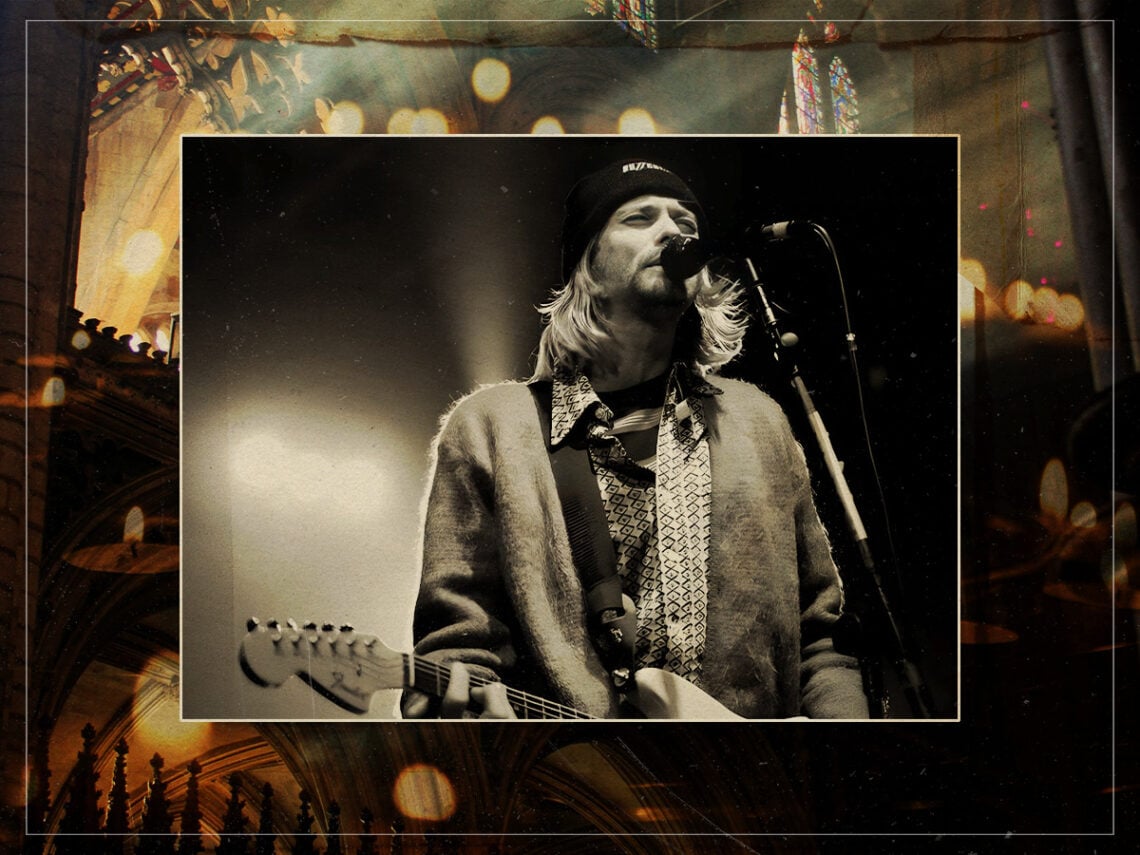
The Church of Kurt Cobain: Was there really a place of worship dedicated to the Nirvana frontman?

Idolatry and worship of musical figures are nothing new. People have been building shrines dedicated to their favourite artists since the dawn of popular music, have developed parasocial relationships with them, and will mourn their passing like that of a family member, and this has decidedly been the case since the 1950s. While Frank Sinatra, Elvis Presley and The Beatles were all early phenomena of this ilk, a slightly more recent example of an artist who has been subject to hero worship is Kurt Cobain, whether he ever wanted this to be the case or not.
When he passed away in 1994, it sent shockwaves through the world of music. It was another tragic loss of a rising star who had had their career cut short due to a battle with addiction and suffering mental health, and while there were plenty of musical tributes and people who wished to continue his musical legacy, there was one individual who sought an alternative way of maintaining a deeper connection with the Nirvana frontman.
Jim Dillon set up the Church of Kurt Cobain in 1996 in Portland, a move that seemed to many to be a typically eccentric venture for the Oregon city, and claimed that he had set up the place of worship for people who sought meaning through the grunge icon’s premature death. It took inspiration from a similar San Francisco initiative that emerged in the 1960s, The Church of John Coltrane, which used to hold sermons that facilitated spiritual connection through the saxophonist’s work.
There were plenty of signs that it could amass a following, even if it was somewhat unusual to have a Christian church dedicated to someone who participated in hedonistic activities that the Lord might frown upon. However, for fans of his work, there wasn’t anything more appealing than the idea of congregating to hear ‘Come As You Are’ performed on a church organ, and in an interview with local news outlet, The Spokesman, Dillon revealed part of his reasoning for setting up such a place of worship.
“I think there are a lot of people who feel like they are not being talked to in their own language,” the founder proclaimed. “These so-called Generation X-ers feel disassociated with society at large.” He may have been correct in his estimation that the younger generation was feeling a sense of spiritual disconnect, but at the same time, many people of older generations were struggling to get on board with the notion that such a thing could exist.

While early recruitment drives supposedly saw people sign up to be part of the church, it received plenty of criticism from other Christian denominations, who saw the entire concept as being blasphemous. On the other hand, the criticism from ardent fans of Cobain was that Kurt himself wouldn’t have stood for such a thing, and that the idea of being deified despite having previously existed in a corporeal, earthly body, was ludicrous.
However, while some were excited at the prospect of being given a means to worship at the altar of their grunge god, the entire idea turned out to be nothing but a stunt performed by a local art director. Jim Dillon was not a real man, nor was the Church of Kurt Cobain.
The true identity of the man behind the idea was Jerry Ketel. His reasons for attempting to convince people that such a thing existed were to provoke thought and discussion about how society engages with the cult of celebrity, and to help recontextualise drug abuse and suicide in a way that would destigmatise them.
While his morals can be called into question as to whether there needed to be a fabricated story attached to his mission, Ketel did announce that he had entered the idea into a competition for a local radio station, and had planned to donate the possible prize money to charities that help support those affected by drug addiction and suicide.
Plenty of media outlets had had the wool pulled over their eyes by this elaborate hoax, and were not too pleased about having been duped by Ketel, but in a sense, the hysteria it created did succeed in getting his point across about how the media talks about victims of suicide, especially those who are in the public eye. As pranks go, Ketel had pulled off a magnificent ruse.
