


“Sex sells”: why Chrissie Hynde thinks MTV killed rock ‘n’ roll

For as long as rock and roll has existed, there have been those determined to use the rebellious music genre as a means of generating profit. No matter how many artists and music scenes push back against the all-encompassing capitalism of the music industry, that industry always seems to find a way to adapt and sell that rebellion back to consumers. Even during the punk years, with artists like Chrissie Hynde and The Pretenders at the forefront, the scene could not escape the clutches of consumerism, which often came in the form of MTV.
When Music Television – or MTV to you and me – first launched in 1981, it completely changed the landscape of popular music and the industry. All of a sudden, artists and record labels were forced to divert some of their attention to the world of music videos in the hopes of gaining exposure and record sales from having those videos played on the cable network. This ethos was totally at odds with the DIY, anti-capitalist ethos of many punk and alternative rock bands who were consistently enjoying airtime on MTV.
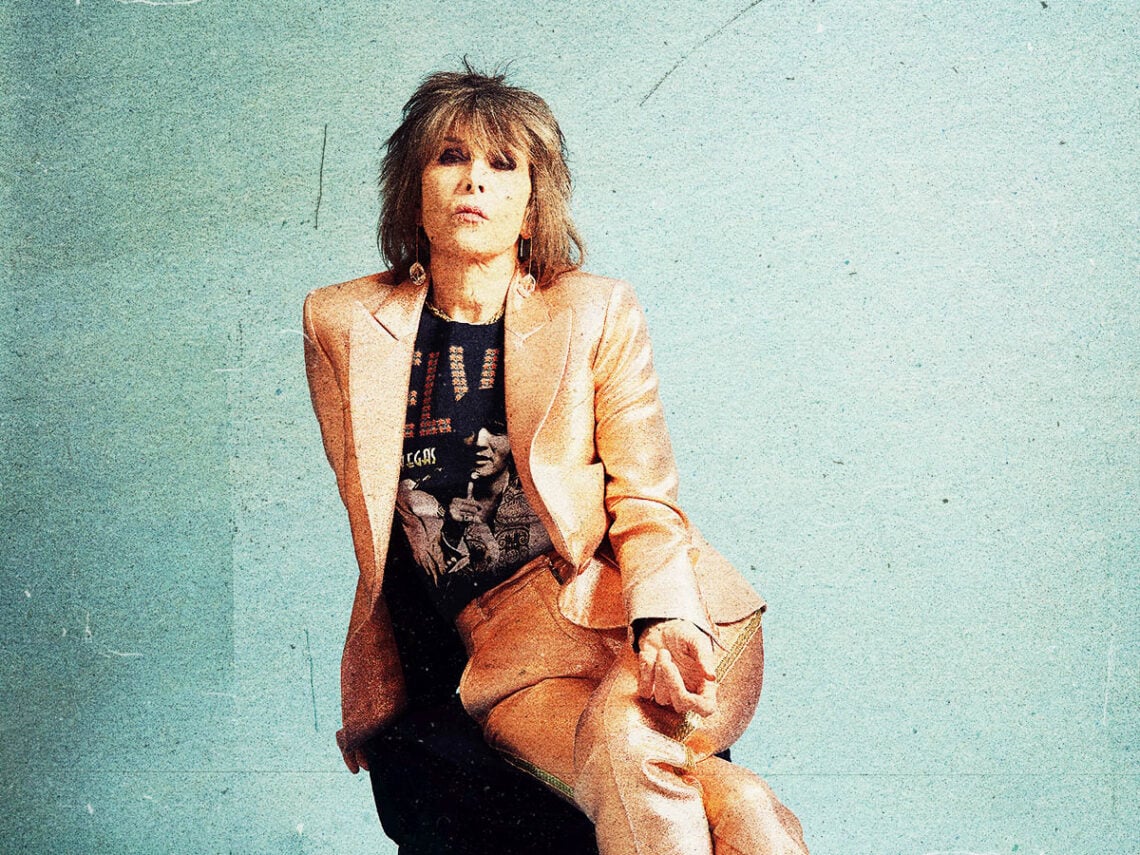
As a result, many prominent punk acts were quick to indict the growing influence of the television network as detrimental to the growth of rock and roll music. Chrissie Hynde, for instance, quickly saw through MTV’s pseudo-rebellion and recognised it for the corporate shill that it was and continues to be to this day. The Pretenders songwriter also takes issue with the irreversible damage that the network did to an entire generation of female musicians and music fans.
“A lot of girls realised that sex sells,” she told Classic Rock in 2016, “and if they made soft porn videos, bumping and grinding in their underwear, y’know, that took over for years. Then you move on another generation, and the girls that grew up watching that think it ‘empowers’ them”. This objectifying image of rock music was totally at odds with the spirit of the punk revolution that Hynde had immersed herself in after relocating to London in the mid-1970s.
As one of only a handful of prominent women within the early punk scene, Hynde was constantly battling to be taken seriously, so to see the contributions of female artists reduced to scantily clad videos shown on MTV must have been particularly frustrating for her. “This idea that getting your kit off empowers you – it’s a real weird one,” she shared, “I don’t get it. For me, rock’n’roll was always androgynous and irreverent. You weren’t trying to get somebody’s dick hard, y’know?”
Reflecting on her time as a young punk in England’s capital, Hynde continued, “Back when Malcolm [McLaren] and Vivienne [Westwood] were doing that bondage gear, we saw it as a piss-take on the conservative society. Two fingers up to the establishment. But then the next generation missed the irony…now so much that music is just advertising”. MTV certainly has a lot to answer for – including the rise of exploitative reality television in more recent years – but this idea of music as a form of advertising is among the most heinous.
“The goalposts have been not so much moved as completely dismantled and shifted to another planet,” Hynde concluded, wrapping up her commendable rally against the capitalist hellscape that is MTV. Even today, the effects of the American cable network can still be felt on the face of popular and rock music, much to the dismay of Hynde and many similarly inclined artists.
