


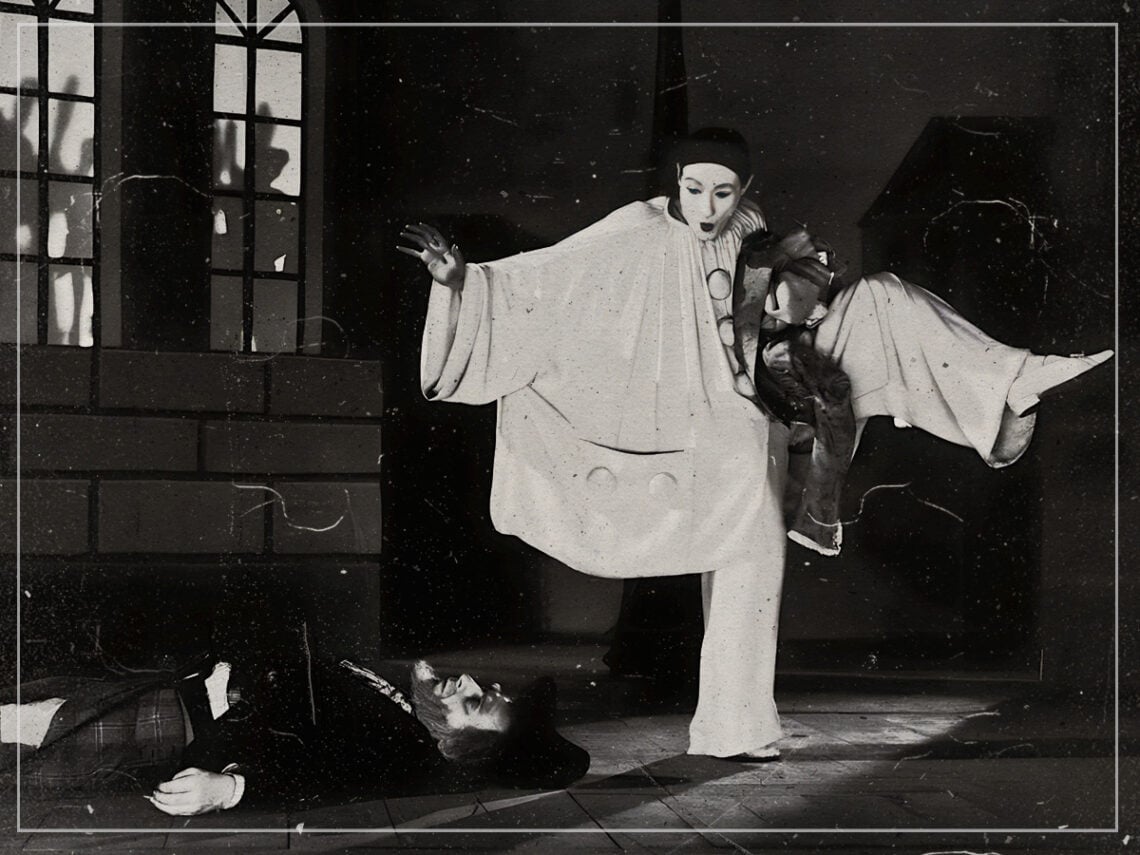
‘Children of Paradise’: The classic movie made in Nazi-occupied France

French cinema has always been highly influential, with some of the earliest-known films created in the country. Often regarded as the birthplace of cinema, France has given rise to some of the most significant movements in cinema history, from poetic realism to French New Wave and New French Extremity. The former genre has proved incredibly impactful, with filmmakers such as Jean Renoir, Jean Vigo and Marcel Carné becoming leading figures of the movement.
Poetic realism movies aimed to depict life through a highly aestheticised lens, often using studio sets as a backdrop. However, these filmmakers typically took a rather negative, fatalistic approach, and happy endings were few and far between. As one of the most prominent poetic realist directors, Carné got his start during the silent era, working hard to become a highly significant filmmaker during the 1930s and 1940s.
After releasing classics such as Port of Shadows, Carné made his most accomplished work, Children of Paradise, in 1945. However, the movie, which is often regarded as one of the greatest ever made, faced a complicated production process and took several years to complete. In 1940, Nazi Germany began its occupation of France, which lasted until 1944. This meant that there were many constraints placed on the production, which was being monitored by the Nazis. Several members of Carné’s crew were Jewish, including set designer Alexandre Trauner and composer Joseph Kosma, meaning they had to work on the film as secretively as possible.
Elsewhere, many of the extras were members of the French Resistance, who hid their identities from the Nazis while working on the film. Talking to Criterion, the director explained, “I shot the film during World War II. I was very bold then, and thinking about it now, it was madness to make such a film in a country lacking the bare necessities.”
Discussing his employment of several crew members that had to hide from the Nazis, he stated, “It was brave because I risked going to the camps, whereas [screenwriter Jacques] Prévert, who didn’t choose the crew, didn’t. It was my responsibility.”
Reluctantly, Carné was forced to include several German sympathisers as extras, making it even more tense for everyone on set. Moreover, the actor Robert Le Vigan, who had been cast as Jericho, was charged with being a Nazi by the French Resistance mid-shoot, meaning his scenes had to be re-done, this time with Pierre Renoir taking his place.
During the production of Children of the Paradise, which is set in the theatre during the 1830s, the film stock was rationed, making it difficult for Carné to work at ease. Production was constantly being halted, which explains why it took several years to complete, eventually debuting in 1945 after the occupation of France had ended.
Despite the difficulties faced by Carné and his crew, the result was one of the greatest movies ever made. François Truffaut, creator of movies such as The 400 Blows, once even claimed, “I would give up all my films to have directed Les Enfants du Paradis.”
