


CBS Columbia Square, Hollywood: The room where folk rock was born

When considering folk’s key studio nucleus, such a zenith surely goes to Columbia Records’ famed CBS 30th Street Studio in New York City, the location of much of Bob Dylan’s early work, and nestled amid the locale of folk’s revivalism across Manhattan.
Yet, we all know folk rock was a distinctly West Coast permutation. Underneath the California sun, groups like The Byrds and Buffalo Springfield would borrow folk’s solemn songcraft with the emerging rock and pop soundtracks scoring the youthquake ready to upend the world.
Combined with the British invasion dominating the Hot 100, cuts like the respective ‘Turn! Turn! Turn!’ and ‘For What It’s Worth’ stood as weathervane singles, detecting the impending counterculture before the Summer of Love cemented the 1960s’ peace and love idyll into the popular consciousness.
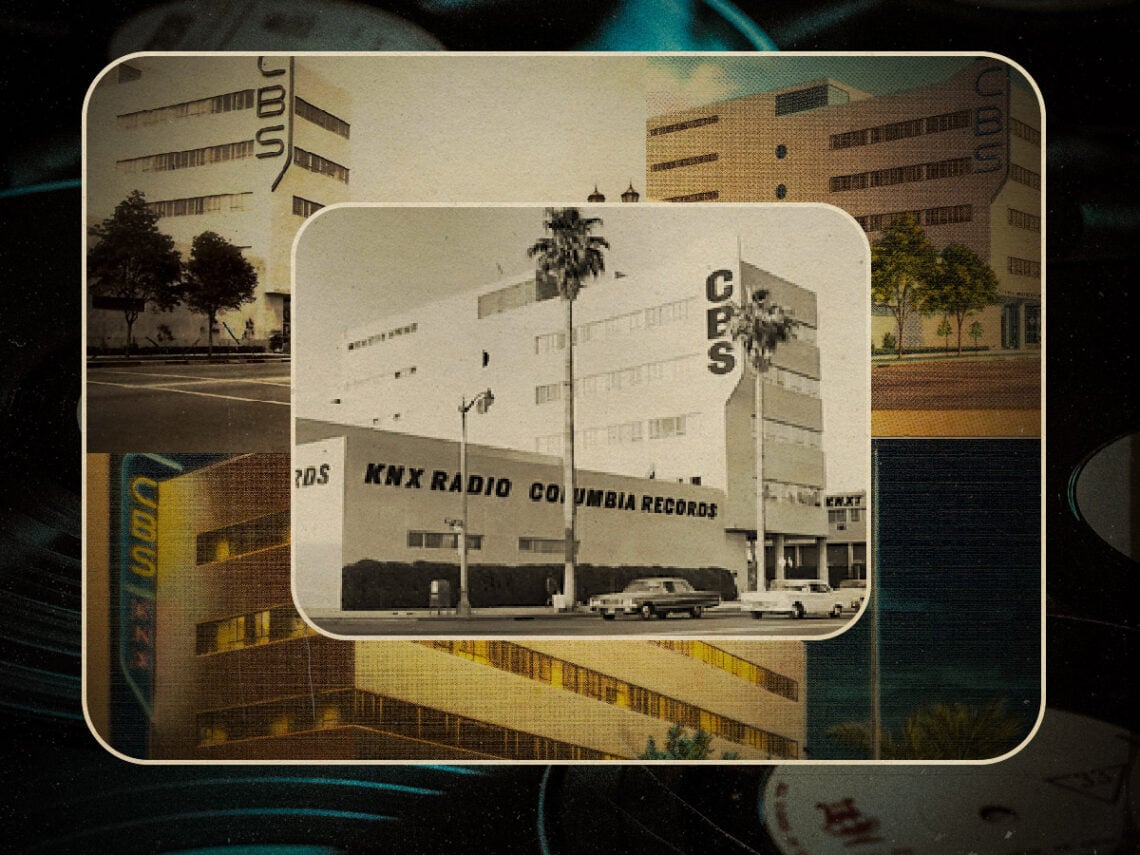
So it was that Columbia’s Hollywood studio found itself the birthplace of folk rock. Situated at Los Angeles’ 6121 Sunset Boulevard, the CBS Columbia Square served as a major West Coast arm of Columbia operations and hosted many of the network’s radio and television facilities.
Columbia was keen to mark their arrival. Opening the Square on April 30th, 1938, the network corralled entertainment heavyweights of the day, including Bob Hope, Al Jolson, and Cecil B DeMille, to attend or host the evening’s ‘A Salute to Columbia Square’ broadcasting jamboree, replete with a blimp in the sky and flashy searchlights.
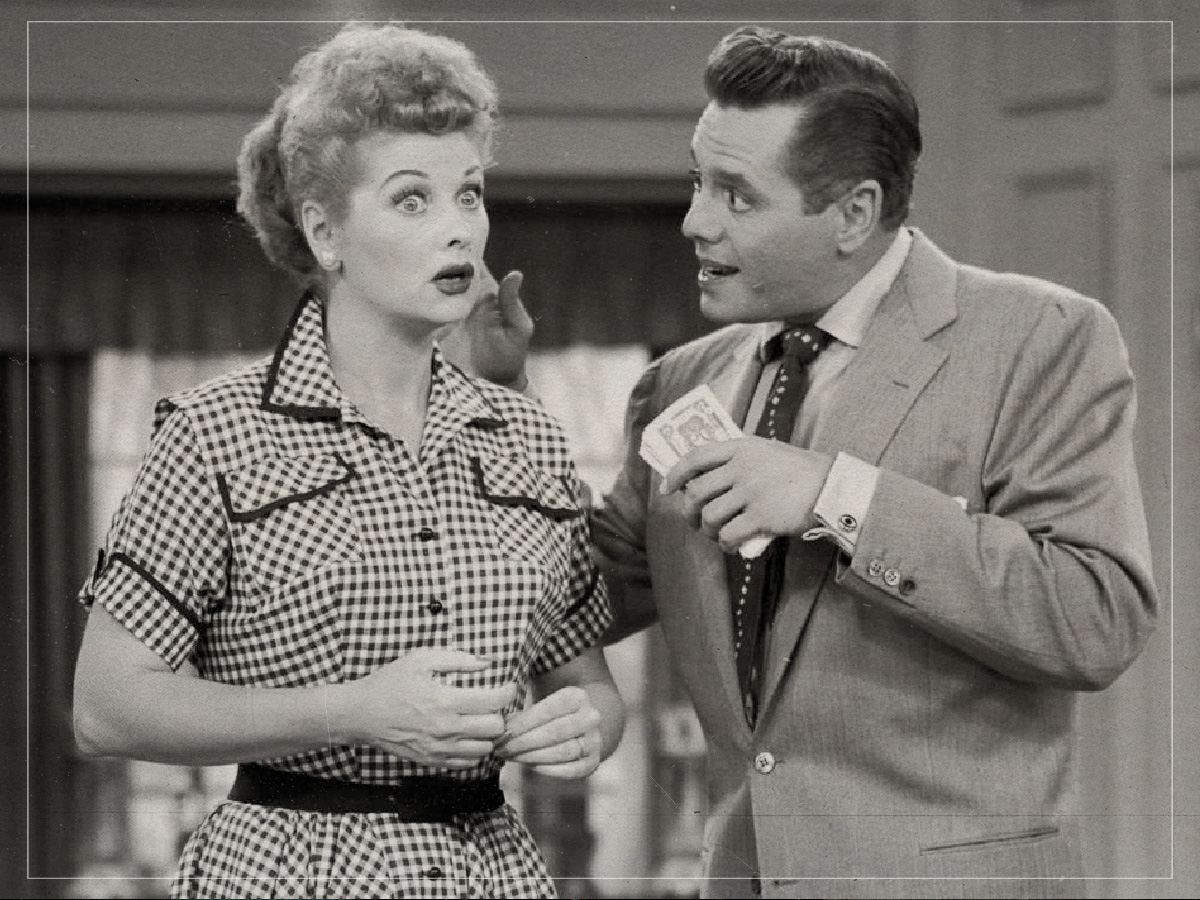
Columbia Square would grow as one of the essential studios in town, radio shows such as western drama Gunsmoke and sitcom The Adventures of Ozzie and Harriet being produced there, before television surpassed the wireless and began dominating the CBS output with early variety shows and the pilot for I Love Lucy.
Popular music is where Columbia Square arguably found its most celebrated presence, however. In 1960, Columbia set out to convert the former Radio Studio One into a revamped recording facility, testing the waters with conductor Bruno Walter assembling a symphony orchestra to record a piece in the latest novel production trend, stereo sound. Before long, Miles Davis would pass through to cut Seven Steps To Heaven, Johnny Cash’s Now, There Was A Song!, and Mahalia Jackson’s Everytime I Feel The Spirit would take full advantage of CBS’ new studio.
The counterculture would arrive soon enough, much of The Beach Boys’ Pet Sounds’ vocal overdubs recorded at the Square’s then state-of-the-art eight-track gear, as well as serving as the sight of some of ‘Good Vibrations’ visionary genesis.
But it’s the folk rock in the air that compelled The Byrds to capture their immortal Turn! Turn! Turn! record and kindred spirits Buffalo Springfield, their likewise enduring ‘For What It’s Worth’, two singles twinned with 1960s synergy standing as harbingers to the upheaval that hung in the air during those increasingly tumultuous years of the decade.
Standing as the locale to such essential songs of America’s cultural tapestry didn’t save Columbia Square from lapsing into a state of near disrepair. Compounded by an asbestos problem, various developers tussled to get their hands on the property, Kilroy Realty Corp eventually overseeing the once lauded studio of Hollywood’s Golden Age and music’s countercultural bloom, now a luxury residential tower and retail/restaurant complex, with a media village cluster of offices nabbed by the likes of MTV and Comedy Central.
Designated a Los Angeles Historic-Cultural Monument in 2010 due to the Swiss architect William Lescaze’s modernist design, the old Columbia Square can still be appreciated from its exterior at least, the contemporary glossy façade of commercial rot masking the sight of some of the most important chapters of folk rock’s burgeoning soundtrack still being felt into the 2020s.
