


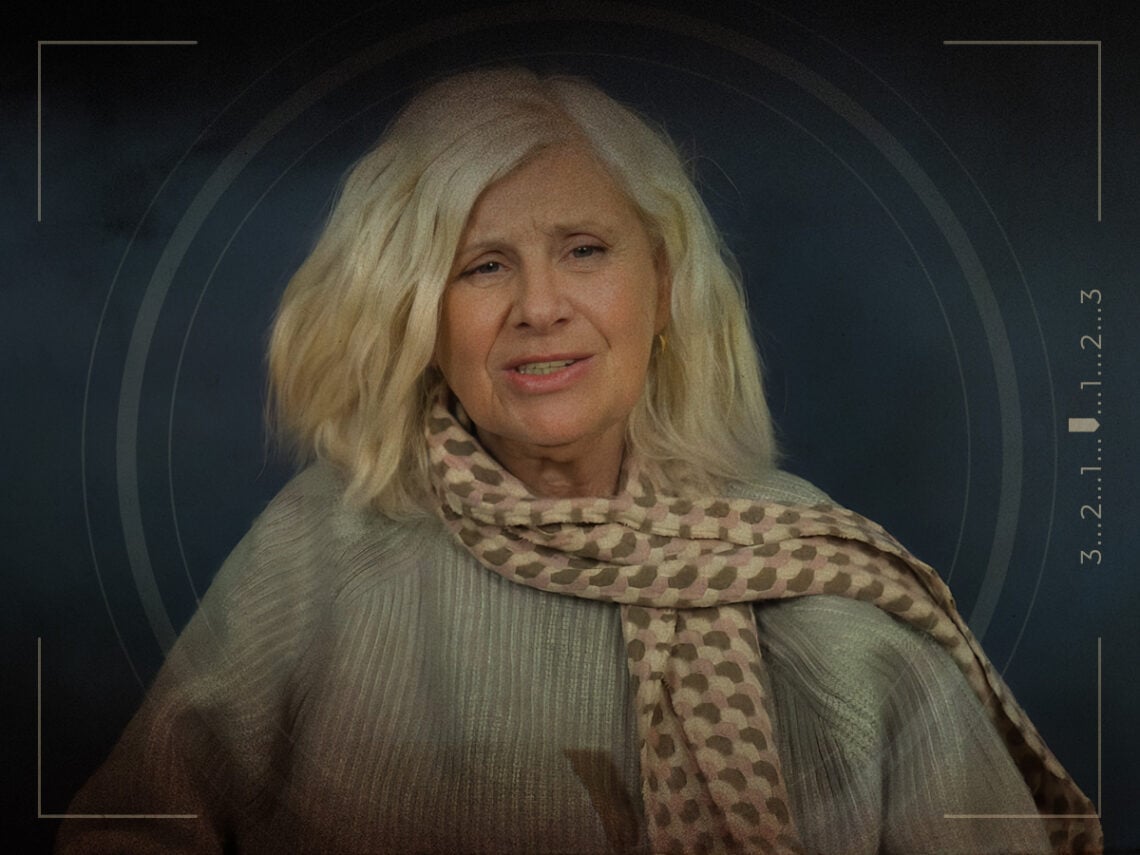
Catherine Breillat’s unique approach to filming sex scenes: “I’m interested in the nakedness of the face”

Catherine Breillat is one of the most controversial directors from the feminist film movement, using extreme methodology to create films we both love and feel intensely disturbed by. Whether it be the provocative and unthinkable ending to Fat Girl, the complex relationship at the heart of Last Summer or the confrontational and borderline unwatchable nature of Anatomy of Hell, the director articulates ideas that are inarticulable to most, getting to the grimy heart of issues that are usually depicted as taboo on screen, looking at female desire, external validation and sexual violence.
However, the director has also come under fire for her portrayal of inappropriate relationships between adults and those who are underage, something that comes into question in both Fat Girl and Last Summer, which both hinge on non-consensual sexual encounters between adults and teenagers, with the director explaining that she was less interested in the ethical implications of these relationships and the issue of desire itself and the many ways it manifests, whether legal or not. As a result, the director created a new way of filming her sex scenes, highlighting her interest in one specific element of these encounters.
Last Summer, Breillat’s most recent film, follows a middle-aged woman who is perfectly content with her life – she is happily married, with a child and a great job. However, her life begins to unravel after her teenage stepson begins living with them in their idyllic French countryside home, causing a rift in her relationship as she starts having an affair with him.
The film exists in many grey areas—condemning the main character for her actions and grooming of this teenager while also drawing insights on our relationship to being young, aging, and adulthood itself. It poses the idea that adulthood itself is oppressive, and this woman is simply in denial about the loss of freedom she feels compared to when she was young, both sexually and in a wider sense.
Throughout the film, Breillat films the sex scenes in a very interesting way, rarely shooting the bodies of the actors and instead focusing on their faces, with long and often intensely uncomfortable shots as the camera lingers on her reaction, sometimes for up to ten minutes without breaking away. Through this, Breillat explained that she was “less interested in the nakedness of the body, but the nakedness of the face”, describing how it was more vulnerable to see her emotional response to this intimacy instead of her physical response.
Something similar happens in Fat Girl, with the final scene of the film ending on a shot that is less close than the ones in Last Summer, but equally as revealing as it lingers on the face of the central character during her assault. Through this, her reaction hammers in the central point of the entire film, ending on a devastating note as we realise what Breillat is implying through this.
While many aspects of Breillat’s films are hard to stomach and at times, ethically irresponsible, her decision to shoot sex scenes in this way is ingenious, adding an emotionally revealing lens to her intimate scenes that encourages us to look closer at the subtext behind these encounters and see the heart of what people truly desire.
