


The career-long rule the Coen brothers broke for Jeff Bridges: “He was so miserable”

The Coen brothers are truly one of a kind—filmmakers with an exacting and meticulous vision. For example, they don’t allow actors to improvise their dialogue. Several stars who have worked with them have noted that they expect every line to be delivered exactly as written, with every comma, pause, and vocal inflexion accounted for. However, unlike some directors, their fastidiousness doesn’t result in countless takes of every scene. If anything, they know precisely what they want, get it quickly, and won’t break their rules for anyone—well, except Jeff Bridges, for whom they begrudgingly made an exception.
In 2020, the Coens appeared on the Team Deakins podcast, a show hosted by their longtime cinematographer Roger Deakins. That legendary lensman has worked with the brothers more times than any other filmmakers in his career, and they’ve created some of the Coens’ best movies together: Fargo, O Brother, Where Art Thou?, No Country for Old Men, and True Grit, to name but a few.
Deakins revealed that the brothers are the most confident filmmakers he’s ever come across, purely in terms of how few takes they need to get what they want. “You never shot much film,” Deakins marvelled. “Your film-to-cut ratio is so low relative to any other director I’ve worked with.” Amusingly, he admitted to begging the brothers at times to have another shot at a scene, but they were always reticent because they had total assurance in their instincts.
For his part, Joel Coen confessed he’s never understood the drive that directors like Stanley Kubrick or David Fincher have for shooting a huge number of takes of the same scene. Instead, he and brother Ethan’s foundation is, “How much am I going to shoot so that at the end of the day, I will have what I need to make this scene work?” This strong editorial eye means they always know exactly when they can move on to the next scene.
Interestingly, though, the Coens’ instinctive approach to filmmaking takes some getting used to for actors. You see, most actors are inherently insecure, and they love to have the facility to watch the playback of their scenes on a monitor beside the camera. The Coens found that stars inevitably found something to dislike in themselves when they watched playback, though, so they tended to ask, “One more, one more”. He even claimed some actors asked to see playback before a scene finished shooting.
Over time, this made it tougher for the Coens to control the fleet-footedness of their process because actors were always holding them back. “It’s one of the more irritating things about the difference in movie sets now than it used to be,” Joel admitted. In fact, Joel and Ethan’s irritation with what they called a timewasting, counterproductive option led to them banning playback from their sets.
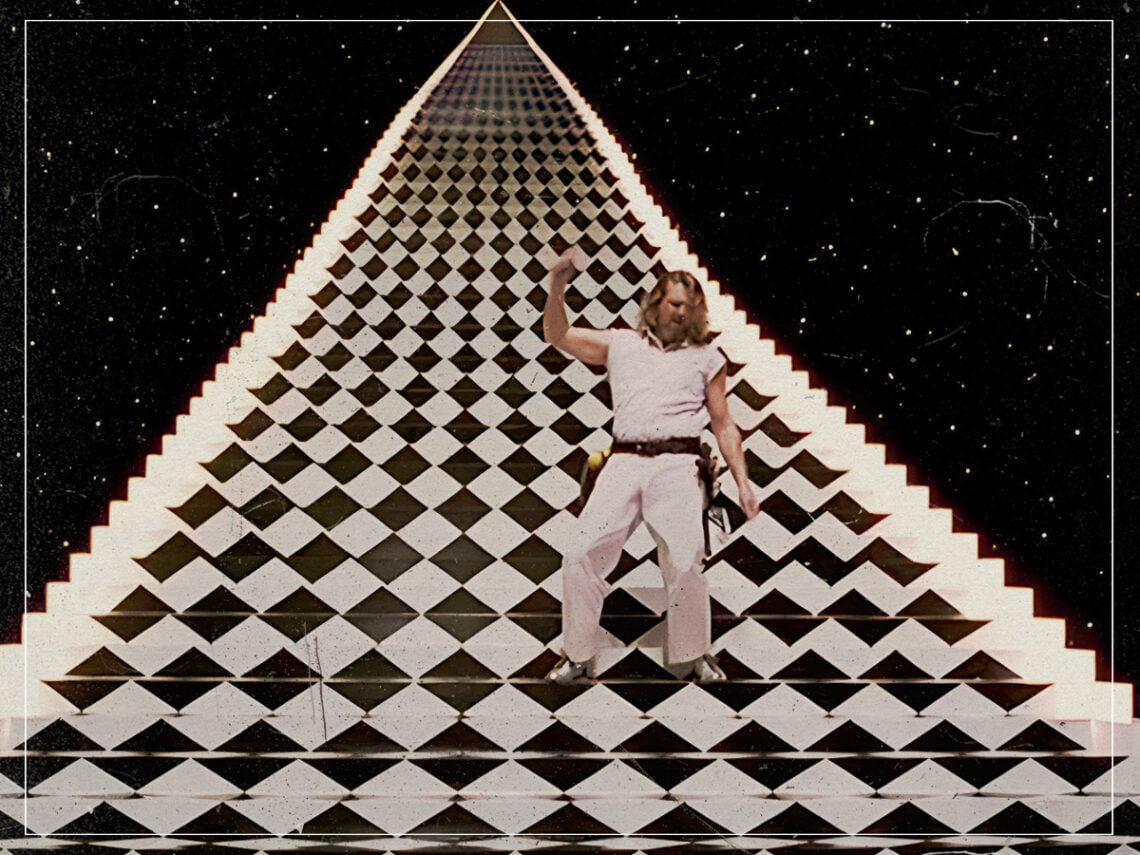
However, when they were shooting their iconic 1998 stoner noir, The Big Lebowski, they ran into problems. Bridges, who played the lead role of Jeffrey ‘The Dude’ Lebowski, hated not being able to see playback. They held out for two weeks at the start of production, but Joel confessed that Bridges looked so miserable that they finally gave in and got him a playback monitor.
“I was very wary about it,” Joel cautioned. “We had never worked with Jeff before, and I didn’t want to do it because I was afraid Jeff was going to come over after every take and look at playback.” To his surprise, though, Bridges found a way to use playback in a sparing way that actually helped the movie.
“Every now and then, he would come over and look at the playback and he was great,” Joel smiled. “He would say, ‘OK, I get what the problem is’ and he was useful.” Ultimately, The Dude wound up being the exception that proves the rule for the Coens.
