


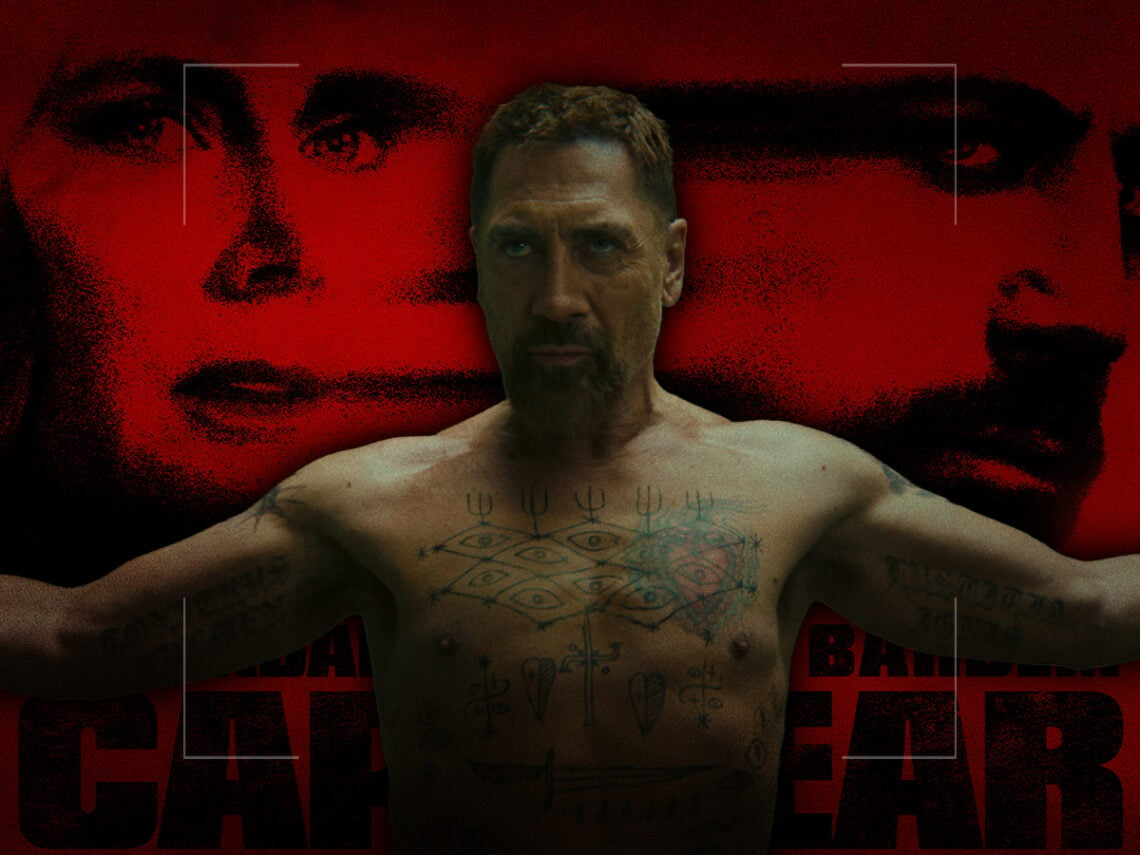
‘Cape Fear’ is a gaudy, intricate adaptation that embraces melodrama

The southern gothic thriller Cape Fear started life as the 1957 novel The Executioners, by John D MacDonald, and this tale of psychopathy, paranoia, and the limits of the law was adapted for the first time by filmmaker J Lee Thompson in 1962, then again by Martin Scorsese in 1991, and now has returned as a ten-part Apple TV miniseries created by Nick Atosca.
Like Hamlet, Dr Frankenstein, and Hannibal Lecter, the central figure in The Executioners and Cape Fear, Max Cady, a psychopathic killer, wily, vengeful and focused, lends himself to new interpretations. Having spent a multi-year sentence in prison (either for brutal rape and or murder, depending on the adaptation), he is determined to exact almighty revenge on the lawyer whom he blames for his incarceration. Following the chilling nonchalance of Robert Mitchum and the flowery ostentations of Robert De Niro, Javier Bardem, who plays Cady in the series, has boat-sized shoes to fill.
In the novel and the two film adaptations, the lawyer who finds himself in the crosshairs of Cady’s rage is Sam Bowden (played by Gregory Peck in the first film and Nick Nolte in the second). He lives a relatively blissful existence in a sprawling colonial home in the South with his wife and teenage daughter, going about his profession as honourably as an attorney can. In the new series, that lawyer is Amy Adams, who worked as Cady’s defence attorney when he was tried for the brutal murder of his pregnant wife, but advised him to plead guilty. Shortly after Cady’s life sentence was handed down, Anna (Adams) married the prosecutor who secured the conviction, and they now live in a palatial mansion with their two teenage kids.
Fans of the original versions of Cape Fear will be overwhelmed by the sheer amount of plot in the Apple TV adaptation, as within the first half of the first episode, more characters, conflicts, and mysteries are smashed into the story than in all the other versions combined. There is a creepy teenage son who may or may not be a psychopath, Cady may actually have been wrongly convicted, Anna’s husband Tom (played by perennial suburban pretty boy Patrick Wilson) has secrets, and most significantly of all, the Bowdens might not be good people.
Of course, the primary question anyone will have going into a new adaptation of Cape Fear is how scary Max Cady is, who is one of the most terrifying fictional villains of the 20th century, no matter which version you’re talking about. In the book, he is dogged, philosophical, and chillingly relaxed, and Mitchum played him true to the source material, with an added charisma that made his sexual predation all the more terrifying. De Niro turned in one of his best and most liberated performances with his rendition, making Cady a flashy, drawling charmer with a bottomless reservoir of feral brutality. Scorsese’s adaptation is his cruellest film, and the violence against the female characters is difficult to watch.
Bardem’s Cady is unlike any of his predecessors’, largely because of the script. For the first time, we aren’t sure if he was rightfully convicted, and we are also given several layers of backstory suggesting that, even if he were guilty of this or other acts of savage violence, he too is a victim. As a result, his performance is more enigmatic, wherein his charm and the moral ambiguity of the Bowdens leave the audience guessing about the good and evil sides. Unlike the other adaptations, it is quite possible that the series wants to demonstrate that the answer is neither.
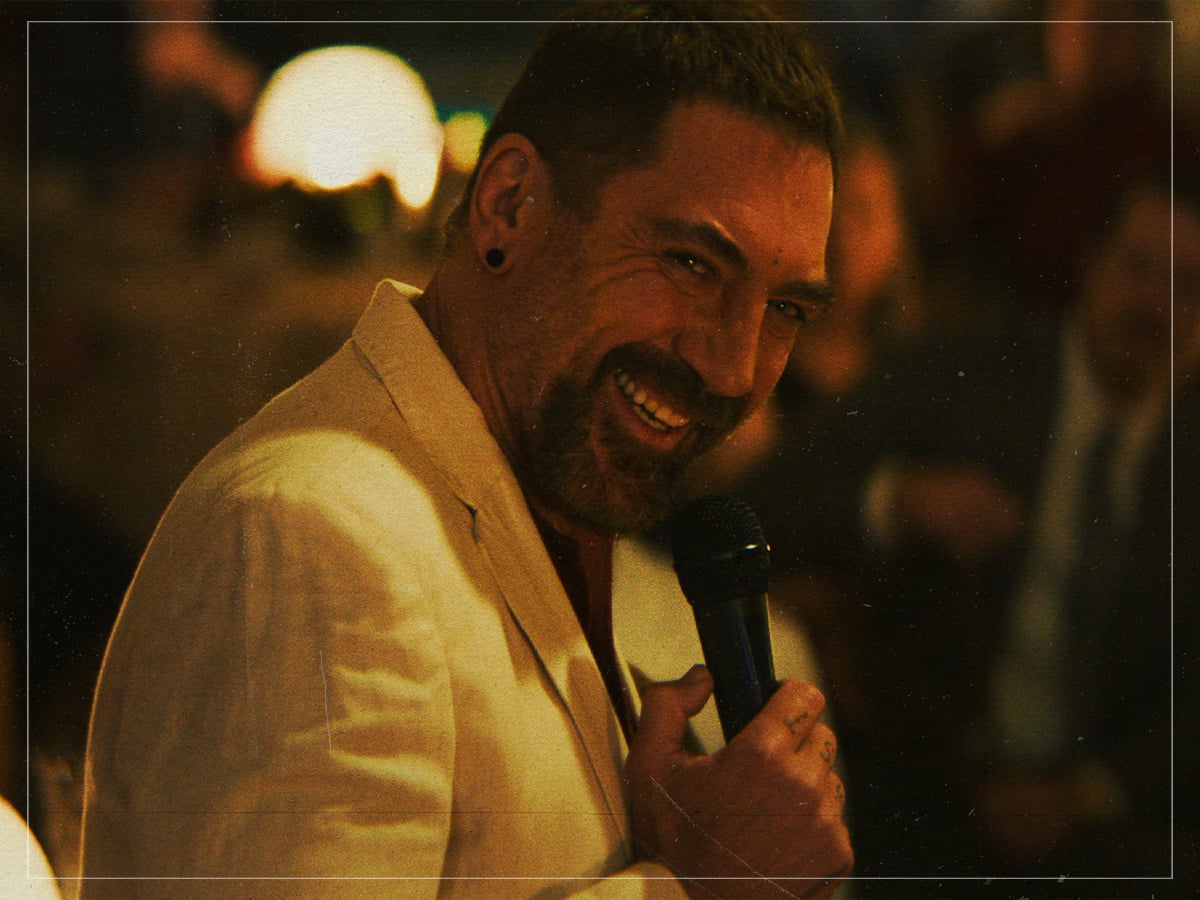
Following decades of villainous roles, including his Oscar-winning turn as Anton Chigurh in the Coen brothers’ No Country for Old Men, Bardem again finds new shades of magnetic devilry. His Cady is more physically imposing than Mitchum’s or De Niro’s, so much so that we only see the back of his tattooed neck and broad shoulders for a large portion of the first episode. His mere presence carries weight; when he appears for the first time in the same room as Anna, she seems to sense him before she sees him.
And yet, so far, the psychopathic Cady has been defanged in order to give the Bowdens room to be their own form of detestable. For the first time, the brutal sexual violence that underpins all other versions of Cady’s story is, in the first episodes, entirely absent. This decision shifts the narrative into a whole new type of ethical conundrum, where it’s no longer about the limits of the law but about the sordidness lurking just behind the burnished facade of suburban mansions. To underscore the fact, Cady buys himself a suburban mansion, too.
What is left over from the previous adaptations is the Hitchcockian influence; both the 1962 and 1991 movies drew heavily on Hitchcock’s style of editing and suspense, and in the Apple TV series, there is even the use of a dolly zoom at one point. The movie adaptations also used the music of Hitchcock’s frequent collaborator Bernard Herrmann. In the series, composer Jeff Russo riffs on Herrmann’s swelling orchestrations but provides more restraint and subtlety, as many scores do these days. Restraint is, however, barely to be found in most of the choices.
Atosca, along with executive producers Scorsese and Steven Spielberg, was clearly keen to bring this story into the present. As such, this is not just a violent southern gothic about gaslighting, graphic violence, and the legal system, but also involves catfishing, boutique drugs, recidivism, sexting, queerness, true crime, childhood trauma, and beyond. It is so overstuffed that it often veers more towards Douglas Sirk than Hitchcock, though with considerably less panache, but what it does have is freshness, which is more than can be said for most remakes.
Like a comedian who peppers their audience with jokes instead of slowly building to one side-splitting punchline, this new adaptation of Cape Fear is hit or miss, but what it lacks in consistent quality, it makes up for in richness. Remakes usually fail to justify their existence, but this one pulls it off, bringing the ever-relevant, ever-terrifying story into the present, cramming every possible contemporary American talking point into the story. Less than halfway through its ten-episode arc, it is hard to call this a masterpiece, but even if it caves into its trashiness, it is never lacking in intrigue and pure entertainment.
