


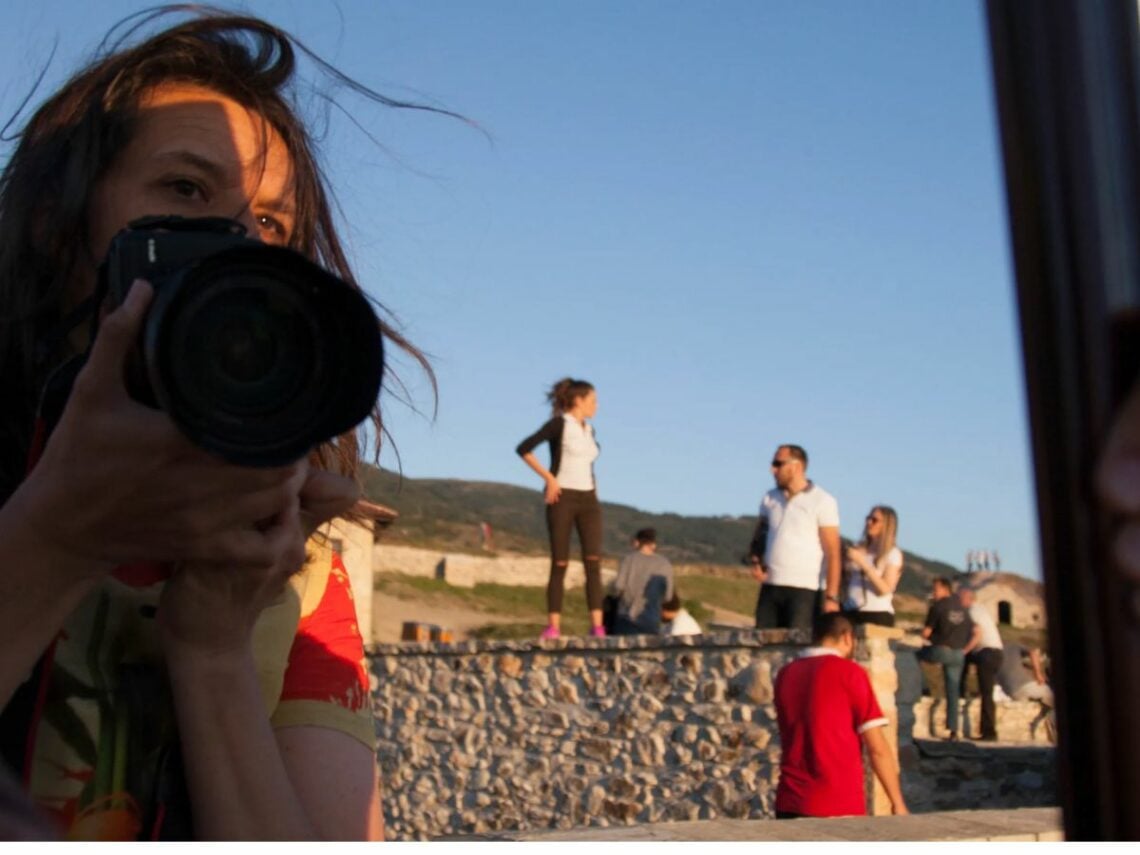
‘Cameraperson’ and the power of filmmaking in its purest form

For many filmmakers, describing the power of the medium is not something you can do through words. It’s a way of experiencing the world through a different lens, a way of collectively empathising, mourning and celebrating. Through the combined force of sound and vision we express what cannot be expressed anywhere else, and through this, our stories continue to live on through a medium that will never fade. Some of the great modern directors have described the impact of seeing that first flickering of images on the silver screen, and while it can be hard to articulate a dream that can seem irrational and borderline impossible to reach, there are some films that convey the indescribable pull of this medium and the true spark of why it matters.
While many people cite the legacy of Babylon or Cinema Paradiso in reaffirming our love for the medium, there was one filmmaker who showcased the power of cinema in an entirely new way through, collecting snippets of footage from her decades-long career as a documentary cinematographer and splicing each unseen moment together to create a visual memoir on what it means to capture life and the relationship between the subject and gaze of the camera.
Directed by Kirsten Johnson in 2016, Cameraperson is a vibrant recollection of all the moments that not only impacted the filmmaker but humanity as a whole, with Johnson being tasked with documenting some of the most horrific human tragedies and creating art from the ashes of our collective suffering. Whether it be footage documenting the aftermath of the Penn State child sex abuse scandal or the Rwandan genocide, it evolves into a meta documentary of the moments that have both impacted the world but also created her perspective of which to view it, touching her ability to connect with others and feel through the lives of the people she filmed.
Cameraperson paints the process of filming as a way of extending ourselves and our understanding of the world around else, with each snippet of footage melting into the other and creating a dream-like mood that drifts over us in the sheer expansiveness of the stories that have created it, abruptly switching between horrific accounts of great wars and suffering while interweaving moments from her personal life that have been impacted through the adjacent existence of these stories.
The result is a meta-documentary about the process of making and how this can exist alongside the journey of living, with each influencing the other and becoming inseparably entangled. We cannot watch films without reflecting on the lives behind them and being touched by the perspective of those who create them, with Johnson subtly challenging our perception of the relationship between subject, audience and creator, blending us together by breaking a wall that is never broken.
It is an immersive and absorbing experience, letting us flit between moments of pain, ecstasy, relief and joy, but most importantly, how our relationships and connections with others tether us to humanity and a greater sense of purpose. While Johnson shocks us with the extent of damage that is inflicted on people at the hands of other humans, with moments that highlight the pure terror and evil that exists on our planet, she also briefly connects us to the pain of her subjects, lingering on each moment with deliberate weight and intention, forcing us to question how we look at these events and the ability that some of us have to avert our gaze from suffering and turn a blind eye to it.
At some points in Cameraperson, it feels as though we are watching Johnson’s dreams, or flitting through a series of faceless dreams, reflecting on a collective subconscious and being drawn into the most private moments of lives we have never lived but briefly living them by observing through her first-person perspective. But as this collection of stories draws to a close, we realise that Johnson is also challenging our perception of creation, bringing us to the meaning of what it means to capture truth and the beauty of sharing this with others.
It is filmmaking in its purest and most distilled form, conveying emotional reactions and responses as they are happening in real-time, watching a face trying to contain emotion or someone who quite suddenly cannot hide it any longer – it is full to the brim with life itself, highlighting the raw power of a medium that cannot be controlled or predicted, overflowing with stories and the true essence of what it means to be alive.
