


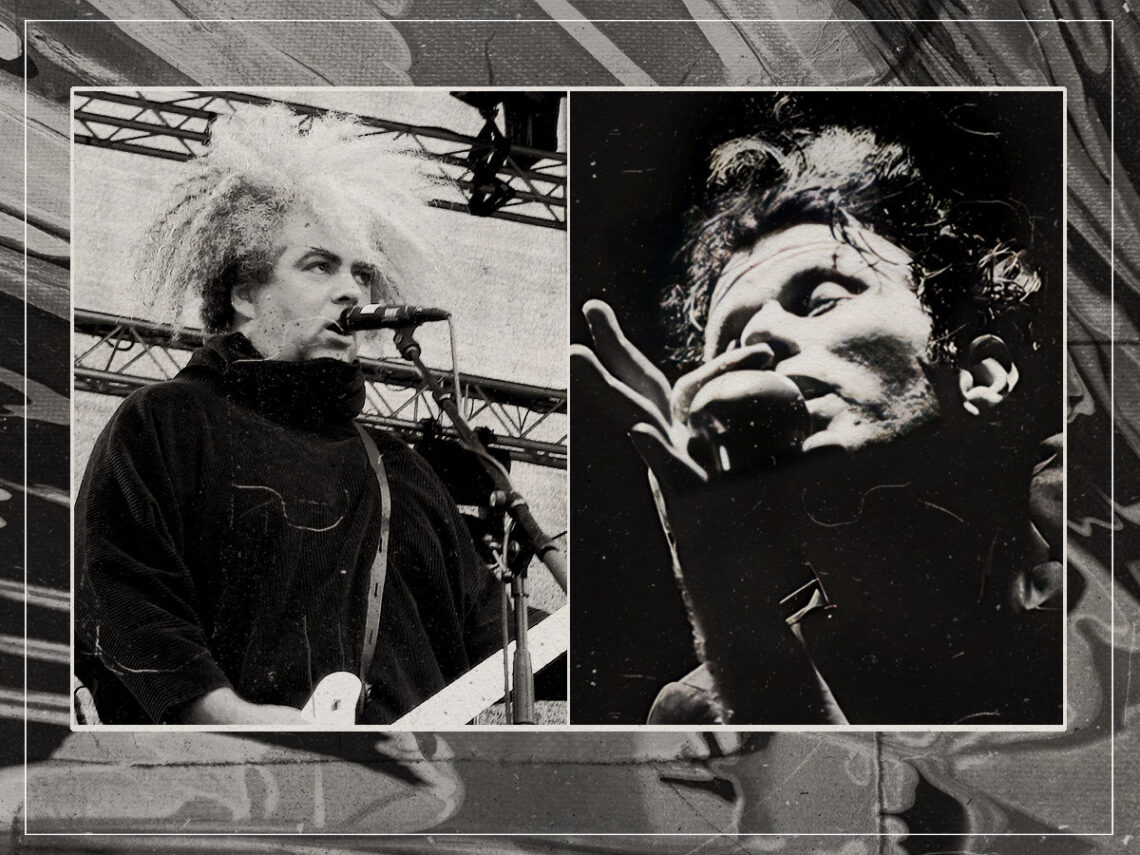
Buzz Osbourne on the brilliance of Tom Waits: “I’ve listened to this record thousands of times”

The enigmatic frontman of Melvins, Buzz Osbourne, is much more than a frizzy shock of hair above quirky garb. Known for his distinctive guitar sound, characterised by heavy distortion and unconventional tunings, the aptly nicknamed musician inspired the likes of Nirvana, Soundgarden, Green River and more as a crucial proponent of the Washington grunge wave.
Melvins’ style has flitted blissfully through the subgenres over the past three decades, reflecting the members’ eclectic tastes and demonstrating a thirst for evolution. Osborne’s most apparent influences reside in post-punk and noise rock music from the 1980s, but he has a deep respect for the entire rock ‘n’ roll timeline and even branches out to embrace jazz and singer-songwriter artists.
Osbourne’s musical passion was encouraged counterintuitively by his parents’ disinterest. Railing against the silence of the Osbourne household, he embraced music as a schoolboy. “They weren’t in any way encouraging as far as, like, ‘Oh yeah, you should do it’, not in the least,” Osbourne said of his parents in a 2019 interview. “They viewed it as a waste of time. I tried to make a career out of making a living by wasting time, you know, but it worked out.”
Intriguingly, Osbourne’s schoolboy infatuation with music wasn’t encouraged by like-minded classmates, either. “When I was getting into music when I was about twelve, I had no friends whatsoever,” he recalled. “Nobody that I knew, young or old, liked music. I didn’t have people that I hung out with at all.”
Fortunately, Osbourne stuck with his musical aspirations, gathering as many records as his modest pocket money permitted. Osbourne finally came out of his shell after meeting his future Melvins bandmates. “I was pretty much on my own until about tenth grade until I met [drummer Mike] Dillard and the guys that ended up being in the Melvins. Dillard especially got it, but I introduced the guys to all that stuff, whether it was Bowie or whatever.”
Osbourne imparted his aural education as the central hub of the future Melvins gang, sharing classic records by The Who, David Bowie, The Rolling Stones and Led Zeppelin. These innovative releases demonstrated a taste for instrumental ingenuity, but he also had an astute ear for world-class lyricism.
The two singer-songwriters Osbourne regards salient are the rust-throated twins, Bob Dylan and Tom Waits. The latter is revered for his eclectic musical style that often blends strains of blues and jazz in an impeccable oeuvre highlighted by seminal releases like Rain Dogs and Swordfishtrombones.
As for Osbourne, it’s all about Waits’ sentimental offering of 1978, Blue Valentine. The album is distinct in Waits’ prolific catalogue as a moving collection of reflective ballads, infused crucially by experimental flavours characteristic of the Californian songwriter.
Discussing his favourite records of all time in a 2022 interview with Spin, Osbourne remembered spinning Blue Valentine incessantly after purchasing it in 1987. “I think it’s Tom’s best album by far, although I really dig a lot of his records,” he said. “He’s a beast. I don’t know what you’d call this music. I guess it’s sort of twisted lounge music, but I’m not sure. I can’t live without it.”
Osbourne’s music is usually of the provocative and energising persuasion, but he’s no stranger to the macabre and morose. Waits’ subdued approach in Blue Valentine seems to speak to this dichotomy. “Some people think Tom’s music is depressing, which I think is a hilarious crock of shit,” Osbourne continued. “His music is uplifting and powerful; it’s not depressing. There are a couple of songs on here, like ‘Kentucky Avenue’ and ‘Christmas Card from a Hooker in Minneapolis’ that will bring a tear to your eye, but that’s the beauty. Tom is a genius, and this is one of his best.”
‘Christmas Card from a Hooker in Minneapolis’ is often listed among Waits’ finest lyrical accomplishments. The song bleeds the tragic narrative of a sex worker who discovers she’s pregnant before writing lies of newfound virtue to the child’s father. At the end, it is revealed that the narrator is serving time in prison but will “be eligible for parole come Valentine’s Day”. Waits transports this sombre vehicle with a tumbling, baroque piano melody.
Listen to ‘Christmas Card from a Hooker in Minneapolis’ by Tom Waits below.
