


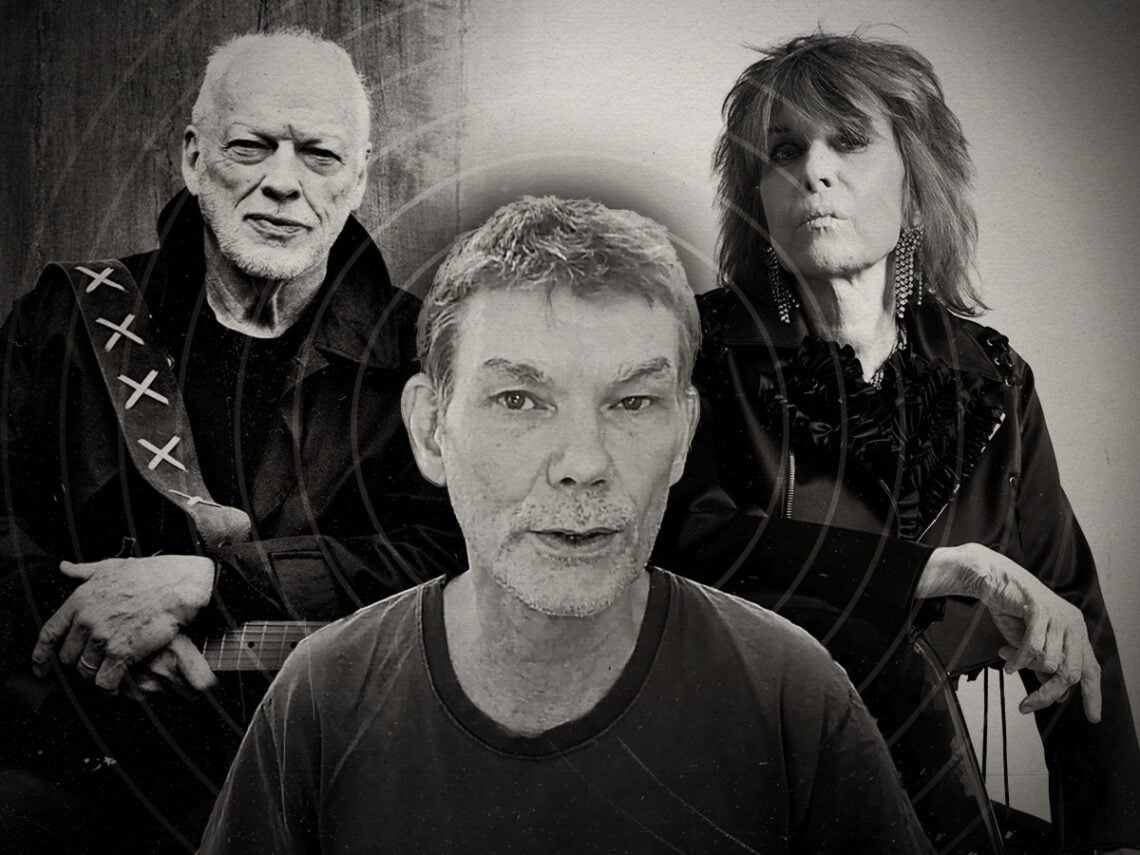
The case of Gary McKinnon: When Britain’s biggest musicians campaigned to stop a notorious hacker being extradited to the US

In today’s world, it’s something of a rarity to hear musicians pour praise on those who align themselves with technological rebellion, with the advent of evil streaming platforms and the insidious rise of artists powered by artificial intelligence, both bringing controversy alongside them.
We’re hard-wired as creatives to treat new inventions that are praised by tech billionaires with a high degree of scepticism based on the fact that they’re so often caveated by nefarious practices, whether they’re happening in plain view or being peddled in disguise, but it hasn’t always been the case that artists have rallied against those who operate in a virtual world.
Once upon a time, people were using their technological nous for good, and in the case of Scottish systems administrator Gary McKinnon, he caused a storm within the US government in 2002 for single-handedly infiltrating the computer systems of both the military and NASA with a view to releasing classified information to the public about free energy suppression and extraterrestrial activity.
Of course, neither of these have anything to do with the music industry, and both are closely aligned with conspiracy theories that have questionable supporting evidence for their existence, but the fact that a UK national was prosecuted by US officials and threatened with extradition for carrying out one of the largest instances of hacking in US military history was enough to stoke outrage in the UK.
It wasn’t just the British authorities and powerful organisations who were incensed by the way in which the US treated the severity of McKinnon’s crimes, with it being reported that he was being threatened with up to 70 years of incarceration in a high-security prison. In fact, several prominent figures in the British music scene stood up in support of the assailant in a variety of ways.
Among those in support of the Scot were progressive rock group Marillion, who stated that they were willing to perform at a benefit concert being organised by broadcaster Ross Hemsworth, and while the concert never came to fruition after being suggested in 2008, there were several high-profile backers of the idea.
The likes of Sting, The Proclaimers, and Chrissie Hynde were among those who campaigned for McKinnon’s right to a fair trial in the UK rather than him face extradition, aligning with many of the most notable political figures of the era, such as the then-Prime Minister Gordon Brown, opposition leader David Cameron and then-Mayor of London, Boris Johnson.
Not only were these figures vocal about raising awareness of McKinnon’s legal plight, but a number of other significant artists came together to record a charity single, an altered version of Graham Nash’s ‘Chicago’ with the additional title of ‘Change the World’. Spearheaded by David Gilmour with the blessing of Nash, it also featured the likes of Hynde and Bob Geldof as contributors, and was another notable example of the music industry showing solidarity with the hacker.
While McKinnon was ultimately unable to be charged with any crime due to the nature of his actions taking place on foreign soil, the amount of support that he gained from the British public, government and music industry was overwhelming, and while some may consider his actions to have been reckless, it’s clear that he’s one example of how technological advancements can be used for good, rather than in an exploitative fashion.
