


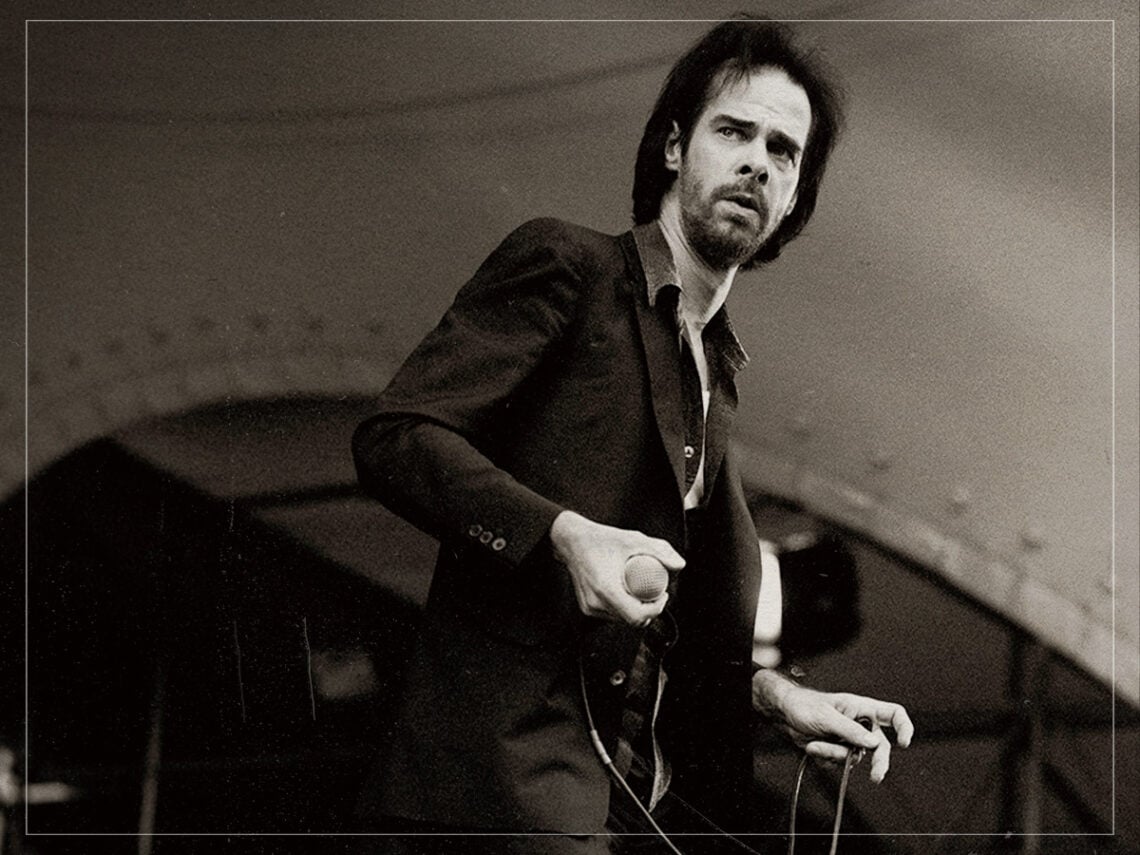
The Brighton street that gave Nick Cave his most anthemic song

The outback of rural Australia is, while no doubt idyllic, never going to be the muse for explosive rock and roll horizons. Nick Cave had to break free.
That peripatetic take on life has seen him land in many places in all corners of the world, from Melbourne to West Berlin and many other places in between. It’s fair to say that the study of populations and people is really what makes Cave tick, often taking the view of an omniscient god, looking down on his subjects and imparting the messages they need to know.
Yet along the way on his travels, there are always going to be certain stops that stick out more than most, mainly because they feel like a home from home, even when he may be in one of the furthest points of the world away from where he hails. After swapping the countryside for a seaside town, and getting to the other side of the globe in the process, Brighton is just that.
The south British coast is a place which has come to take on far more significance to the singer than most other grounds he has previously stomped. It’s been the site of many fond memories, as well as tragic ones, in a combination that very much still pulls on his heartstrings. “It’s a very special place to me,” the musician said, while announcing his homecoming show there this summer.
Yet the stretch of Jubilee Street, complete with its slightly bleak-looking chain of hotels, pubs, and, of course, a Tesco Express, is not exactly the divine inspiration you’d imagine a rock star looking for in his pursuit of songwriting greatness. But let it be known: Brighton is very much in Cave’s blood. He’ll do anything to pay homage to it.
The subsequent song of ‘Jubilee Street’ appeared on Nick Cave and the Bad Seeds’ album Push the Sky Away in 2013. But to find the scene of a prostitute who is murdered after getting pregnant by her customer would be a somewhat disturbing thing to find as you’re standing outside Starbucks – it was clear there was an element of creative licence involved.
As Cave put it himself: “If people think they’re going to have a good time down Jubilee Street, I’d say forget about it unless they’re particularly interested in going to the library or Yo Sushi. When I was writing that, I had it in my mind that Jubilee Street was another, more colourful street.”
It took a trip to the fateful place for Cave to truly realise the significance of the connection. “Then I was actually walking along it, looked up and went, ‘Oh no, this is fucking Jubilee Street’. So let’s just say it’s a Jubilee Street of the imagination,” he continued. “But I can say, in a rather lovely, serendipitous way, that the song reflects how Jubilee Street used to be before they regenerated it – a very sleazy, down-at-heel place.”
Of course, unless a wave of sudden artistic influence strikes you while having a pint or grabbing a meal deal, ‘Jubilee Street’ isn’t likely to pack the same sort of punch in real life as it does in Cave’s figurative mind. That’s the true mark of an artist, though; they can find inspirations and muses in even the most mundane places. Even Yo Sushi.
